Norway’s Long-Term Defense Plan features sharp increase in spending挪威的长期国防计划大幅增加了支出。
A critical feature in the LTDP raises spending and financial benefits across all branches of the Norwegian Defense Forces.
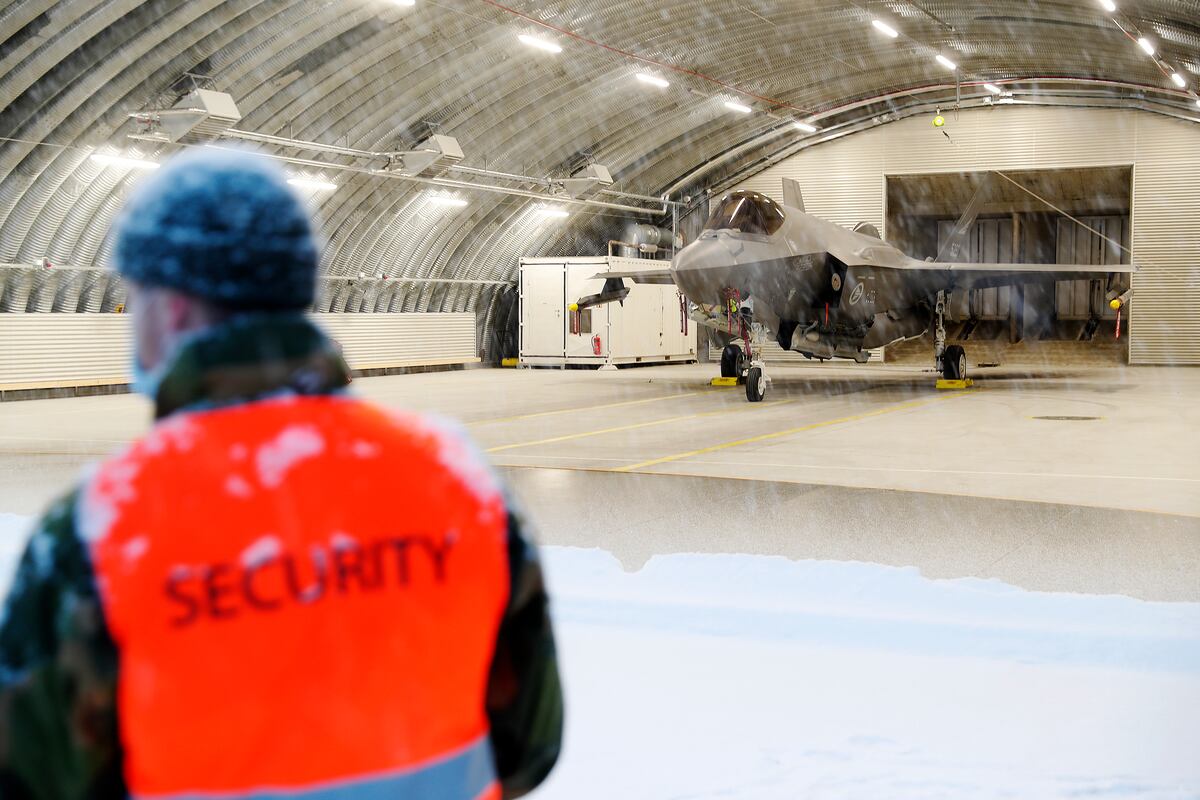
Norway’s center-left government is set to present the Storting (national parliament) with what Prime Minister Jonas Gahr Støre described as the most “ambitious and far reaching” Long-Term Defense Plan (LTDP) in the country’s history.
The Labor-led government’s broad-ranging LTDP, announced at a news conference in Oslo on April 5, proposes a record-breaking increase in capital investments for national defense that project $60 billion in spending in the 12 year period up to 2036.
A critical feature in the LTDP raises spending and financial benefits across all branches of the Norwegian Defense Forces. The plan will strengthen the NDF’s manpower while significantly enhancing its air-defenses and capabilities to better defend its High North borders with Russia in collaboration with NATO forces, including Nordic neighbors, and new Alliance members, Sweden and Finland.
Higher levels of funding in the LTDP are directed at improving the NDF’s situational awareness capabilities by building its surveillance, presence, and control assets across the High North and in strategic neighborhood areas in the Nordic region. The NDF aims to achieve superior situational awareness through an integrated plan comprising the use of new specialist surveillance vessels and the expansion of satellite and drone capabilities.
“The most fundamental task this government has is to provide security for the people of Norway. We need a defense that is fit for purpose in the emerging security environment. This plan represents a historic boost in defense spending and it will entail a major strengthening of all branches of the Armed Forces,” said Støre.
If achieved, and the LTDP meets all set targets, the expectation is that Norway’s annual defense budget, measured in real terms, will double from its 2024 level of $8.75 billion to over $17 billion by 2036.
The key funding proposals in the LTDP also cover the replenishment of military stocks shipped to help Ukraine’s war efforts against Russia. Since Russia’s invasion in February 2022, Norway has provided Ukraine with over $2 billion in military hardware and humanitarian aid. In 2023 alone, Norway provided $1 billion in military support under the Nansen Support Program, including NASAMS air defence systems.
The procurement elements in the LTDP are pivotal to Norway’s national defense strengthening goals. As a result, the acquisition of new frigates, submarines and surface vessels for the Navy is being prioritized.
The procurement plan comprises an advanced air-defense solution to include the country’s first long-range air defense system. The NDF’s Army branch will be expanded from one to three brigades. The Home Guard, the NDF’s rapid mobilization force, will be increased from around 40,000 personnel at present to 45,000 combat-ready soldiers.
Norway aims to reconstruct its military to give it a sharper focus on dealing with active conflict prevention, said Bjørn Arild Gram, Norway’s defense minister.
“Our better resourced military must be able to deal with active conflict prevention every day and stand ready to handle conflict. Increased activity requires more personnel. In total our Armed Forces will be strengthened with over 20,000 conscripted soldiers, civilian employees and reservists,” Gram said.
For the LTDP to succeed, said Gram, the key proposals in the plan will need to be implemented simultaneously to address critical deficiencies in present day national defense structures and capabilities.
“Norway must invest in infrastructure, not just for today’s defense but also for a defense that is set for growth. We need to bolster educational capacity to meet the need for more personnel. We must also allocate sufficient funds to replenish our emergency stockpiles. This is essential to avoid ending up with an imbalanced force structure, where vessels are docked, and aircraft are parked,” Gram said.
The LTDP requires a rapid elevation in force strength across all branches of the NDF. To the end, the plan aims to increase the number of conscripts and reservists by 4,600 and 13,700 respectively. The number of support civilian personnel is projected to grow by 4,600 with a special focus on hiring talent with specialized technology skills.
The prioritized Naval strengthening program aims to deliver five to six new frigates, with onboard anti-submarine helicopters, in addition to a minimum of five new submarines. Norway is acquiring the Type 212CD submarine, which is being built under a German-Norwegian strategic partnership that will deliver the T212CDs to both navies.
Along with the procurement of surface ships, the frigate and submarine elements of the LTDP represents the largest capital investment by any Norwegian government in to the strengthening of the Royal Norwegian Navy’s ability to protect the country’s extensive territorial Arctic and sub-arctic waters against prevailing threats.
The scope in ambition of the LTDP is evidenced in Norway’s decision to procure a long-range air defense system to upgrade the NDF’s ability to defend against short-range ballistic missile threats. Moreover, Norway plans to double the quantity of the existing NASAMS air defense which is set to be updated to deliver a higher level of protection against drones and missiles.
The LTDP recognizes the importance of Nato and neighboring Nordic Alliance states Denmark, Sweden and Finland to the long-term security of Norway. Nato’s continuing presence, said Gram, is fundamental to supporting “stability and guaranteeing peace” in the Nordic and Baltic regions.
“Finland’s and Sweden’s recent membership of Nato strengthens security in our region. It also presents Norway with new obligations. We must rapidly transform from not just a receiving country of Allied reinforcements but also a transit and contributing ally to the defense and security of the entire Nordic and Baltic regions,” Gram said.
Gerard O'Dwyer is the Scandinavian affairs correspondent for Defense News.
挪威中左翼政府即将向挪威议会提交首相乔纳斯·加尔·斯特勒所称的该国历史上“最雄心勃勃、影响最深远”的长期国防计划(LTDP)。
由工党领导的政府于 4 月 5 日在奥斯陆举行的新闻发布会上宣布了范围广泛的 LTDP(长期国防政策),该政策提议创纪录地增加国防资本投资,预计在到 2036 年的 12 年期间支出将达到 600 亿美元。
LTDP 的一项关键内容是提高挪威国防军各部门的开支和财政收益。该计划将增强挪威国防军的人力实力,同时显著提升其防空能力,并增强其与北约部队(包括北欧邻国以及新加入北约的瑞典和芬兰)合作,更好地保卫其与俄罗斯接壤的北部边境的能力。
LTDP(长期发展计划)中更高比例的资金将用于提升北欧国防军(NDF)的态势感知能力,具体措施包括增强其在北高地和北欧地区战略要地周边的监视、存在和控制能力。北欧国防军的目标是通过一项综合计划来实现卓越的态势感知能力,该计划包括使用新型专业监视舰艇以及扩展卫星和无人机能力。
“本届政府最根本的任务是保障挪威人民的安全。我们需要一支能够适应不断变化的安全环境的国防力量。这项计划标志着国防开支的史无前例的增长,并将大幅加强武装部队的所有分支,”斯托雷说道。
如果实现,并且 LTDP 达到所有既定目标,预计到 2036 年,挪威的年度国防预算(按实际价值计算)将从 2024 年的 87.5 亿美元翻一番,达到 170 亿美元以上。
LTDP 中的关键资金提案还包括补充运往乌克兰对抗俄罗斯的军事物资。自俄罗斯于 2022 年 2 月入侵乌克兰以来,挪威已向乌克兰提供了价值超过 20 亿美元的军事装备和人道主义援助。仅在 2023 年,挪威就根据南森援助计划提供了 10 亿美元的军事支持,其中包括 NASAMS 防空系统。
长期发展计划(LTDP)中的采购要素对挪威加强国防目标至关重要。因此,海军新型护卫舰、潜艇和水面舰艇的采购被列为优先事项。
该采购计划包含一套先进的防空解决方案,其中包括该国首个远程防空系统。国防军陆军将由一个旅扩编至三个旅。作为国防军快速动员部队的国民警卫队,其人员编制将从目前的约4万人增加到4.5万名随时可以投入战斗的士兵。
挪威国防部长比约恩·阿里尔德·格拉姆表示,挪威的目标是重组军队,使其更加专注于积极预防冲突。
格拉姆表示:“我们资源更充足的军队必须能够每天积极开展冲突预防工作,并随时准备应对冲突。增加军事活动需要更多人员。我们的武装部队将总共增加2万多名应征入伍的士兵、文职人员和预备役人员。”
格拉姆表示,要使 LTDP 取得成功,该计划中的关键提案需要同时实施,以解决当前国防结构和能力中的关键缺陷。
格拉姆表示:“挪威必须投资基础设施,不仅是为了当前的国防,也是为了未来国防的发展。我们需要加强教育能力,以满足更多人员的需求。我们还必须拨出充足的资金来补充应急储备。这对于避免出现兵力结构失衡至关重要,否则舰艇只能停泊,飞机却只能闲置。”
长期发展计划(LTDP)要求迅速提升国防军各军种的兵力。最终目标是将义务兵和预备役人员分别增加4600人和13700人。预计文职支援人员也将增加4600人,重点是招募具备专业技术技能的人才。
海军优先强化计划旨在建造五到六艘新型护卫舰(配备反潜直升机),以及至少五艘新型潜艇。挪威正在采购212CD型潜艇,该型潜艇是根据德挪战略伙伴关系建造的,德挪两国海军都将获得该型潜艇。
除了采购水面舰艇外,LTDP 的护卫舰和潜艇部分代表了挪威历届政府为加强挪威皇家海军保护该国广阔的北极和亚北极领海免受当前威胁的能力而进行的最大资本投资。
挪威远程防空发展计划(LTDP)的雄心壮志体现在其采购远程防空系统以提升挪威国防军(NDF)防御短程弹道导弹威胁的能力这一决定上。此外,挪威还计划将现有的NASAMS防空系统数量增加一倍,该系统也将进行升级,以提供更高水平的无人机和导弹防御能力。
长期发展政策委员会(LTDP)认识到北约以及邻近的北欧联盟国家丹麦、瑞典和芬兰对挪威长期安全的重要性。格拉姆表示,北约的持续存在对于维护北欧和波罗的海地区的“稳定与和平”至关重要。
格拉姆表示:“芬兰和瑞典近期加入北约加强了我们地区的安全。这也给挪威带来了新的义务。我们必须迅速转型,不仅要成为盟军增援的接收国,还要成为整个北欧和波罗的海地区防御和安全的过境国和贡献国。”
杰拉德·奥德怀尔是《防务新闻》的斯堪的纳维亚事务记者。