Woman loses suit against Prudential for brain surgery payout as judge rejects 'buried clause' argument女子起诉保诚保险公司要求赔偿脑部手术费用败诉,法官驳回其“隐性条款”抗辩。
The judge said there was no room for doubt about the coverage afforded and how coverage would not be engaged if an insured person underwent endovascular repair or procedures, as the claimant did.
The judge said there was no room for doubt about the coverage afforded and how coverage would not be engaged if an insured person underwent endovascular repair or procedures, as the claimant did.
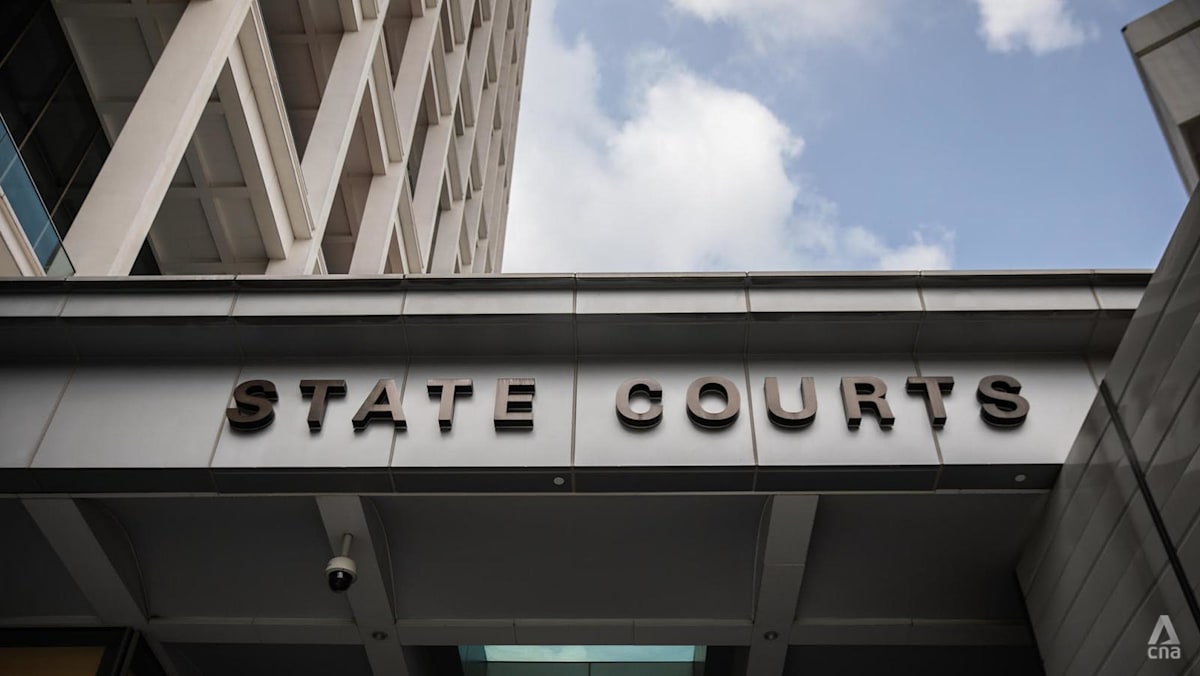
A view of the State Courts building in Singapore. (Photo: CNA/Ili Mansor)
This audio is generated by an AI tool.
SINGAPORE: A woman has lost her suit seeking over S$108,000 (US$78,345) for brain aneurysm surgery from insurer Prudential Assurance Company Singapore, with the judge saying it is unfair to say Prudential had hidden a clause.
Ms Cai Yunhong, 45, had alleged that Prudential had denied her claim because of a "single, buried clause" defining brain aneurysm surgery as only the open-skull procedure of surgical craniotomy, a procedure she said was riskier and more invasive, with higher mortality rates.
However, in a written judgment on Thursday (Sep 3), a district court dismissed her claim, saying that the characterisation of the clause being hidden or buried in the policy document was "not a fair one".
District Judge Teo Guan Kee said that on an objective view of the policy, there was no room for doubt about the coverage afforded and how coverage would not be engaged if an insured person underwent endovascular repair or procedures, as Ms Cai did.
Ms Cai had suffered a stroke from a ruptured aneurysm in 2023 and collapsed while taking a bus. She was taken to hospital, with an emergency operation being performed by the head of neurosurgery at the National University Hospital.
She spent 21 days in hospital, including eight days in the intensive care unit but recovered "miraculously well".
Ms Cai claimed that she was not given a choice as to what type of surgery would be performed, and discovered only later that Prudential's policy made payouts only in instances where a brain aneurysm is treated via a surgical craniotomy – a procedure where part of the skull is removed to reach the brain.
She had undergone endovascular repair instead, which she said was the modern, minimally invasive and evidence-based first-line treatment for her condition.
Ms Cai had purchased a Prudential life insurance policy, the PruLife Multiplier Policy, through a sales channel operated by Standard Chartered Bank.
The policy provided a few classes of coverage, including the Early Crisis Cover Multiplier, a supplementary benefit.
She sought the full claim amount of S$108,500 under the early crisis cover multiplier, with accruing interest, as well as a refund of two years' premiums paid in 2023 and 2024 and a waiver of the remaining premiums under the policy. The latter sums come up to about S$12,000.
At trial, Prudential denied that Ms Cai was entitled to any payout under the terms of the policy as brain aneurysm surgery was defined in the policy document as the "actual undergoing of surgical craniotomy" to repair certain conditions.
It expressly states that endovascular repair or procedures are not covered.
Prudential denied that it had failed to disclose relevant contractual clauses to Ms Cai, stating that she had purchased it through Standard Chartered and that the terms had been explained to her.
Judge Teo said the policy had to be read as a whole and agreed with Prudential's interpretation that no payout was due.
He said Ms Cai's subjective expectations of what the Early Crisis Cover Multiplier would or would not cover could not drive the court's interpretation of the policy.
In any case, Ms Cai had a period of 14 days after receiving the policy to review its terms and conditions and to ask for it to be cancelled.
Judge Teo stressed that he was making no findings on any duty or liability owed to Ms Cai by anyone not in the suit, including Standard Chartered or its employees.
Prudential was represented by a team of lawyers led by Mr Joavan Pereira from Virtus Law.
It previously told CNA that insurers had different approaches to covering endovascular repair in 2016 and that Prudential had excluded it, as had some other insurers.
Prudential said that some of its critical illness policies, including its latest plan launched in March 2026, now provide coverage for the procedure Ms Cai is seeking a payout for.
Ms Cai told CNA on Thursday that she would likely appeal the verdict.
She had previously said that she filed the suit in hopes that no one will have to do the same, adding that her efforts will not be in vain if her case can shine a light on "these unfair practices", "force insurers to be transparent about their exclusions" and "remind them that they have a duty of good faith that must be honoured".
Costs for the court case are yet to be fixed.
Get our pick of top stories and thought-provoking articles in your inbox
Stay updated with notifications for breaking news and our best stories
Join our channel for the top reads for the day on your preferred chat app
法官表示,对于所提供的保险范围以及如果被保险人像索赔人一样接受血管内修复或手术,保险将如何不生效,这一点没有任何疑问。
新加坡国家法院大楼一景。(图片:CNA/Ili Mansor)
这段音频由人工智能工具生成。
新加坡:一名女子起诉新加坡保诚保险公司,要求赔偿超过 108,000 新元(78,345 美元)的脑动脉瘤手术费用,但败诉。法官表示,说保诚隐瞒了条款是不公平的。
45 岁的蔡云红女士声称,保诚保险公司拒绝了她的索赔,原因是保诚合同中有一条“隐藏的条款”,该条款将脑动脉瘤手术定义为仅指开颅手术,而蔡云红女士表示,开颅手术风险更大、创伤更大,死亡率也更高。
然而,地方法院在周四(9 月 3 日)的一份书面判决中驳回了她的诉讼请求,称将该条款描述为隐藏或埋没在保单文件中“并不公平”。
地方法官张冠基表示,客观地看,该保单提供的保障范围以及如果被保险人像蔡女士一样接受血管内修复或手术,保险将如何不予理会,这一点毫无疑问。
蔡女士于2023年因动脉瘤破裂导致中风,在乘坐公交车时晕倒。她被送往医院,由新加坡国立大学医院神经外科主任进行了紧急手术。
她在医院住了 21 天,其中 8 天在重症监护室,但“奇迹般地康复了”。
蔡女士声称,她没有选择接受哪种手术的权利,后来才发现保诚的保单只在通过开颅手术治疗脑动脉瘤的情况下才会赔付——开颅手术是指切除部分颅骨以到达大脑的手术。
她接受了血管内修复手术,她说这是针对她病情的现代、微创且有循证医学依据的一线治疗方法。
蔡女士通过渣打银行运营的销售渠道购买了一份保诚人寿保险保单——保诚人寿倍增保单。
该保单提供几种类型的保障,包括早期危机保障倍增器,这是一项补充福利。
她要求根据早期危机保障倍数获得全额赔偿金108,500新元,并计入利息,同时要求退还2023年和2024年已缴纳的两年保费,并豁免剩余保费。后两项金额合计约为12,000新元。
在庭审中,保诚否认蔡女士有权根据保单条款获得任何赔付,因为保单文件中将脑动脉瘤手术定义为“实际进行开颅手术”以修复某些病症。
它明确规定,血管内修复或手术不在承保范围内。
保诚否认未向蔡女士披露相关合同条款,并表示蔡女士是通过渣打银行购买的,而且相关条款已向她解释过。
张法官表示,必须从整体上解读该保单,并同意保诚的解释,即无需支付任何赔偿。
他表示,蔡女士对早期危机保障倍数涵盖范围的主观预期不能左右法院对保单的解释。
无论如何,蔡女士在收到保单后有 14 天的时间来审查其条款和条件,并要求取消保单。
张法官强调,他并未就诉讼之外的任何人(包括渣打银行或其员工)对蔡女士负有的任何义务或责任作出任何裁决。
Prudential 的代理律师团队由 Virtus Law 的 Joavan Pereira 先生领衔。
此前该公司曾告诉 CNA,2016 年各保险公司对血管内修复的承保方式各不相同,保诚保险公司和其他一些保险公司都将其排除在外。
保诚表示,其部分重大疾病保险计划,包括于 2026 年 3 月推出的最新计划,目前已涵盖蔡女士正在寻求赔付的手术。
蔡女士周四告诉中央社,她可能会对判决提出上诉。
她之前曾表示,提起诉讼是希望其他人不必再经历同样的事情,并补充说,如果她的案件能够揭露“这些不公平的做法”,“迫使保险公司对其除外责任保持透明”,并“提醒他们必须履行诚信义务”,那么她的努力就不会白费。
诉讼费用尚未确定。
订阅我们的邮件,即可获取精选热点新闻和引人深思的文章。
订阅通知,第一时间获取突发新闻和精彩报道。
加入我们的频道,即可在您常用的聊天应用上获取当日热门文章。