Opposition parties criticise ministerial pay hike, question need for high salaries to draw talent反对党批评部长加薪,质疑高薪是否真的能吸引人才。
Public service should not be driven primarily by pay, say the Progress Singapore Party, Singapore Democratic Party and Red Dot United.
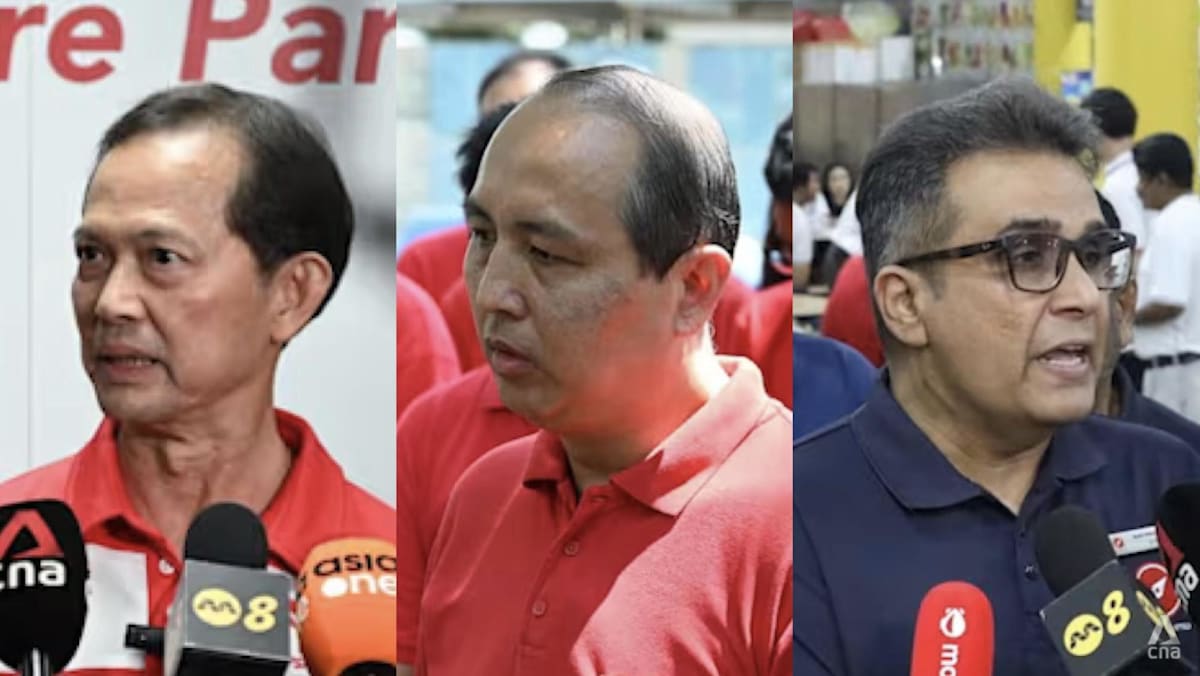
Public service should not be driven primarily by pay, say the Progress Singapore Party, Singapore Democratic Party and Red Dot United.
(From left) Progress Singapore Party secretary-general Leong Mun Wai, Singapore Democratic Party vice-chairman Bryan Lim and Red Dot United secretary-general Ravi Philemon. (Photos: CNA/Syamil Sapari, Mak Jia Kee)
This audio is generated by an AI tool.
SINGAPORE: Three opposition parties have criticised the planned increase in ministerial salaries , saying that public service should not be driven primarily by pay and questioning the government’s stand that competitive salaries are needed to draw talent into politics.
The comments from the Progress Singapore Party (PSP), Singapore Democratic Party (SDP) and Red Dot United (RDU) came a day after an announcement that ministers will get an up to 9 per cent pay bump on Oct 15.
Prime Minister Lawrence Wong and Coordinating Minister for Public Services Chan Chun Sing addressed parliament on Tuesday (Sep 8) to outline an independent review committee’s recommendations and the government’s response. It is the first revision to ministerial salaries since 2011.
The matter is set to be debated in parliament on Thursday.
CNA Games Guess Word Crack the word, one row at a time Buzzword Create words using the given letters Mini Sudoku Tiny puzzle, mighty brain teaser Mini Crossword Small grid, big challenge Word Search Spot as many words as you can Show More Show Less The Workers’ Party, the only opposition party with seats in the House, told CNA it will respond in parliament on Thursday as that was the appropriate place for such a debate. PSP: “NOT A SALARY QUESTION” PSP told CNA it agrees Singapore must continue to attract capable people into public service, "but we do not believe the market value of Singapore's highest earners should remain the principal benchmark for political leadership". “Political talent is an ecosystem question, not simply a salary question,” the party said. It added that Singapore will get stronger leadership when talented people from different walks of life see meaningful and viable routes into public life across the political spectrum, as serious competition and diverse perspectives produce better ideas, stronger accountability and greater public trust. “PSP believes political leadership should be defined by purpose rather than price. Political compensation should support public service, not define its value,” the party said. The debate on attracting talent into politics should therefore focus not only on how much political leaders are paid, but on what kind of political system will produce better leaders, ideas and governance, PSP added. SDP: “DEEPLY INSENSITIVE” SDP vice-chairman Bryan Lim said his party "strongly opposes the government's decision to increase, yet again, the salaries of political office holders". “At a time when many Singaporeans are struggling with rising costs, job insecurity and economic uncertainty, it is deeply insensitive for ministers – already the highest-paid politicians in the world – to award themselves even more,” he said. He pointed to rising youth unemployment and retrenchment figures, and increasing costs in housing, food, healthcare, transport and other necessities, adding that the government had itself acknowledged significant external uncertainties and slower long-term growth ahead. “The government’s justification that ministers must be paid more to attract and retain ‘talent’ is equally unconvincing. Singapore has no shortage of capable people prepared to serve the public,” he said. “They choose not to step forward because they refuse to serve in an administration that is both undemocratic and misguided by material wealth, not because of the pay.” Mr Lim cited the case of former Transport Minister S Iswaran as a counter to the argument that high salaries are necessary to prevent corruption. Mr Iswaran was initially charged with corruption and later pleaded guilty to four counts of obtaining valuable items as a public servant and one count of obstructing justice. He was sentenced to 12 months' jail in October 2024. “Integrity cannot be bought and public service should never come with a price tag of millions. Strong institutions, transparency, independent oversight and accountability – not enormous pay cheques – are the proper safeguards against corruption.” He said the SDP advocates for political salaries to be pegged to the incomes of ordinary Singaporeans instead. RDU: "PUBLIC SERVICE MUST INVOLVE SOME SACRIFICE" RDU secretary-general Ravi Philemon told CNA that the argument for high salaries to draw capable people into politics "turns public service on its head". “Singapore was not built by people who first asked what the government would pay them. It was built by people prepared to give up more to serve the country,” he said. “If someone needs a S$3.6 million benchmark before he is willing to serve Singapore, then perhaps public service is not what he is looking for.” Mr Philemon said RDU opposes the ministerial salary package, as "public service must involve some sacrifice". “If RDU were the government, we would slash these pay packages by half. A minister paid S$550,000 to S$600,000 a year would still live more than comfortably. That is still about eight to nine times the annual median income of a full-time employed resident in Singapore. It is still many times what most working Singaporeans earn.” OPPORTUNITY COST EXISTS On Tuesday, Mr Wong said Singapore must raise political salaries to have a "better chance" of persuading capable Singaporeans to step forward, warning that the gap between political and private-sector pay risks making leadership renewal harder. The changes would give him and future prime ministers a better chance of building the strongest possible team, he added. Bringing people with substantial private-sector experience into politics has grown harder since Singapore's early years, he said. “That matters because we cannot build our political leadership from the public service alone. I want people in Cabinet who have spent substantial parts of their careers in business or other professional fields, especially in running large organisations and overseeing complex systems,” he added. Such candidates' pay can run to several million dollars a year, still well above the revised political salaries, Mr Wong said. “We are not trying to match what they earn. We never will. But when we approach people of that calibre, we cannot pretend that the opportunity cost does not exist,” he said.
The Workers’ Party, the only opposition party with seats in the House, told CNA it will respond in parliament on Thursday as that was the appropriate place for such a debate.
PSP: “NOT A SALARY QUESTION”
PSP told CNA it agrees Singapore must continue to attract capable people into public service, "but we do not believe the market value of Singapore's highest earners should remain the principal benchmark for political leadership".
“Political talent is an ecosystem question, not simply a salary question,” the party said.
It added that Singapore will get stronger leadership when talented people from different walks of life see meaningful and viable routes into public life across the political spectrum, as serious competition and diverse perspectives produce better ideas, stronger accountability and greater public trust.
“PSP believes political leadership should be defined by purpose rather than price. Political compensation should support public service, not define its value,” the party said.
The debate on attracting talent into politics should therefore focus not only on how much political leaders are paid, but on what kind of political system will produce better leaders, ideas and governance, PSP added.
SDP: “DEEPLY INSENSITIVE”
SDP vice-chairman Bryan Lim said his party "strongly opposes the government's decision to increase, yet again, the salaries of political office holders".
“At a time when many Singaporeans are struggling with rising costs, job insecurity and economic uncertainty, it is deeply insensitive for ministers – already the highest-paid politicians in the world – to award themselves even more,” he said.
He pointed to rising youth unemployment and retrenchment figures, and increasing costs in housing, food, healthcare, transport and other necessities, adding that the government had itself acknowledged significant external uncertainties and slower long-term growth ahead.
“The government’s justification that ministers must be paid more to attract and retain ‘talent’ is equally unconvincing. Singapore has no shortage of capable people prepared to serve the public,” he said. “They choose not to step forward because they refuse to serve in an administration that is both undemocratic and misguided by material wealth, not because of the pay.”
Mr Lim cited the case of former Transport Minister S Iswaran as a counter to the argument that high salaries are necessary to prevent corruption.
Mr Iswaran was initially charged with corruption and later pleaded guilty to four counts of obtaining valuable items as a public servant and one count of obstructing justice. He was sentenced to 12 months' jail in October 2024. “Integrity cannot be bought and public service should never come with a price tag of millions. Strong institutions, transparency, independent oversight and accountability – not enormous pay cheques – are the proper safeguards against corruption.”
He said the SDP advocates for political salaries to be pegged to the incomes of ordinary Singaporeans instead.
RDU: "PUBLIC SERVICE MUST INVOLVE SOME SACRIFICE"
RDU secretary-general Ravi Philemon told CNA that the argument for high salaries to draw capable people into politics "turns public service on its head".
“Singapore was not built by people who first asked what the government would pay them. It was built by people prepared to give up more to serve the country,” he said.
“If someone needs a S$3.6 million benchmark before he is willing to serve Singapore, then perhaps public service is not what he is looking for.”
Mr Philemon said RDU opposes the ministerial salary package, as "public service must involve some sacrifice".
“If RDU were the government, we would slash these pay packages by half. A minister paid S$550,000 to S$600,000 a year would still live more than comfortably. That is still about eight to nine times the annual median income of a full-time employed resident in Singapore. It is still many times what most working Singaporeans earn.”
OPPORTUNITY COST EXISTS
On Tuesday, Mr Wong said Singapore must raise political salaries to have a "better chance" of persuading capable Singaporeans to step forward, warning that the gap between political and private-sector pay risks making leadership renewal harder.
The changes would give him and future prime ministers a better chance of building the strongest possible team, he added.
Bringing people with substantial private-sector experience into politics has grown harder since Singapore's early years, he said.
“That matters because we cannot build our political leadership from the public service alone. I want people in Cabinet who have spent substantial parts of their careers in business or other professional fields, especially in running large organisations and overseeing complex systems,” he added.
Such candidates' pay can run to several million dollars a year, still well above the revised political salaries, Mr Wong said.
“We are not trying to match what they earn. We never will. But when we approach people of that calibre, we cannot pretend that the opportunity cost does not exist,” he said.
Get our pick of top stories and thought-provoking articles in your inbox
Stay updated with notifications for breaking news and our best stories
Join our channel for the top reads for the day on your preferred chat app
新加坡前进党、新加坡民主党和红点联合党认为,公共服务不应主要由薪酬驱动。
(从左至右)新加坡前进党秘书长梁文伟、新加坡民主党副主席林文龙和红点联合党秘书长拉维·菲勒蒙。(图片:CNA/Syamil Sapari、Mak Jia Kee)
这段音频由人工智能工具生成。
新加坡:三个反对党批评了政府计划提高部长薪酬的举措,称公共服务不应主要由薪酬驱动,并质疑政府关于需要有竞争力的薪酬来吸引人才进入政界的立场。
新加坡前进党 (PSP)、新加坡民主党 (SDP) 和红点联合党 (RDU) 的评论是在政府宣布部长们将于 10 月 15 日获得最高 9% 的加薪的第二天发表的。
总理黄循财和公共服务统筹部长陈振声周二(9月8日)在国会发表讲话,概述了独立检讨委员会的建议和政府的回应。这是自2011年以来首次调整部长级薪酬。
此事将于周四在议会进行辩论。
CNA游戏 猜词游戏 逐行破解单词 流行词游戏 用给定的字母组成单词 迷你数独 小小的谜题,强大的脑力挑战 迷你填字游戏 小方格,大挑战 单词搜索 尽可能多地找出单词 显示更多 显示更少 工人党是国会中唯一拥有席位的反对党,该党告诉CNA,他们将于周四在国会作出回应,因为国会是进行此类辩论的合适场所。 人民力量党:“这不是薪酬问题” 人民力量党告诉CNA,他们同意新加坡必须继续吸引有能力的人才加入公共服务部门,“但我们认为,新加坡收入最高的人群的市场价值不应继续作为衡量政治领导力的主要标准”。该党表示:“政治人才是一个生态系统问题,而不仅仅是薪酬问题。” 该党补充说,当来自不同背景的人才看到在政治光谱中进入公共生活有意义且可行的途径时,新加坡将拥有更强大的领导力,因为激烈的竞争和多元化的视角会产生更好的想法、更强的问责制和更大的公众信任。人民力量党(PSP)表示:“人民力量党认为,政治领导力应以目标而非薪酬来定义。政治薪酬应当服务于公共服务,而非定义其价值。”该党补充道,因此,关于如何吸引人才进入政界的讨论,不应仅仅关注政治领导人的薪酬,更应关注什么样的政治体制能够培养出更优秀的领导人、理念和治理能力。新加坡民主党(SDP)副主席林文龙表示:“极其不敏感”。他表示,该党“强烈反对政府再次提高政治官员薪酬的决定”。他指出:“在许多新加坡人正努力应对不断上涨的生活成本、就业不稳定和经济不确定性之际,部长们——他们已经是世界上收入最高的政治人物——还要给自己增加薪酬,这极其不敏感。”他指出,青年失业率和裁员人数不断上升,住房、食品、医疗保健、交通和其他必需品的价格也在上涨,并补充说,政府自身也承认存在重大的外部不确定性,未来长期经济增长将会放缓。 “政府以必须提高部长薪酬来吸引和留住‘人才’为由,这种说法同样站不住脚。新加坡并不缺乏愿意为公众服务的优秀人才,”他说道。“他们之所以选择不挺身而出,是因为他们拒绝在一个既不民主又被物质财富蒙蔽的政府中任职,而不是因为薪酬。”林先生以前交通部长易华仁的案例为例,反驳了高薪是防止腐败的必要条件这一论点。易华仁先生最初被控贪污,后来承认了四项作为公职人员获取贵重物品的罪名和一项妨碍司法公正的罪名。他于2024年10月被判处12个月监禁。“诚信无法用金钱买到,公共服务也不应该被标价数百万。强大的制度、透明度、独立的监督和问责制——而不是巨额薪酬——才是防止腐败的真正保障。”他表示,新加坡民主党主张政治人物的薪酬应与新加坡普通民众的收入挂钩。RDU:“公共服务必须包含一些牺牲” RDU秘书长拉维·菲勒蒙(Ravi Philemon)告诉亚洲新闻台(CNA),以高薪吸引优秀人才从政的说法“完全颠倒了公共服务的本质”。他说:“新加坡的建立并非源于那些首先询问政府会支付多少薪水的人,而是源于那些愿意为国家做出更多牺牲的人。” “如果有人需要360万新元的年薪才愿意为新加坡服务,那么或许公共服务并非他所追求的。” 菲勒蒙先生表示,RDU反对部长级薪酬方案,因为“公共服务必须包含一些牺牲”。 “如果RDU是政府,我们会把这些薪酬方案削减一半。一位部长年薪55万至60万新元,生活依然非常舒适。这仍然是新加坡全职居民年收入中位数的八到九倍,也是大多数新加坡工薪阶层收入的数倍。” 机会成本确实存在。周二,黄循财先生表示,新加坡必须提高政治人物的薪酬,才能“更有可能”说服有能力的新加坡人挺身而出。他警告说,政界和私营部门薪酬之间的差距可能会使领导层更迭更加困难。他补充说,这些改革将使他和未来的总理们更有机会组建一支最强大的团队。他还表示,自新加坡建国初期以来,将拥有丰富私营部门经验的人才引入政界变得越来越困难。 “这一点至关重要,因为我们不能仅仅依靠公务员来培养政治领导人。我希望内阁成员中那些在商业或其他专业领域,尤其是在运营大型机构和监管复杂系统方面拥有丰富经验的人,”他补充道。黄先生表示,这类候选人的年薪可达数百万美元,仍然远高于修订后的政治薪酬。“我们并非试图与他们的收入持平,也永远不会。但当我们接触这类人才时,我们不能假装机会成本不存在,”他说道。
工人党是国会中唯一拥有席位的反对党,该党告诉亚洲新闻台,他们将于周四在国会作出回应,因为国会才是进行此类辩论的合适场所。
PSP:“这不是薪资问题”
PSP告诉CNA,他们同意新加坡必须继续吸引有能力的人才加入公共服务部门,“但我们不认为新加坡收入最高者的市场价值应该继续作为政治领导人的主要基准”。
该党表示:“政治人才是一个生态系统问题,而不仅仅是薪酬问题。”
报告还指出,当来自不同背景的优秀人才看到进入公共生活各个政治领域的有意义且可行的途径时,新加坡将获得更强大的领导力,因为激烈的竞争和多元化的视角能够产生更好的想法、更强的问责制和更大的公众信任。
“PSP认为,政治领导力应该以目标而非价格来衡量。政治报酬应该用于支持公共服务,而不是定义公共服务的价值,”该党表示。
因此,PSP补充说,关于吸引人才进入政界的辩论不仅应该关注政治领导人的薪酬,还应该关注什么样的政治制度才能产生更好的领导人、思想和治理。
社民党:“极其麻木不仁”
新加坡民主党副主席林文龙表示,该党“强烈反对政府再次提高政治官员薪资的决定”。
他说:“在许多新加坡人正努力应对不断上涨的生活成本、工作不稳定和经济不确定性之际,部长们——他们已经是世界上收入最高的政治人物——给自己颁发更多奖金,这是极其不体贴的。”
他指出青年失业率和裁员人数不断上升,住房、食品、医疗保健、交通和其他必需品的成本也在增加,并补充说,政府自己也承认存在重大的外部不确定性,未来长期增长速度将会放缓。
“政府以必须提高部长薪酬来吸引和留住‘人才’为由,这种说法同样站不住脚。新加坡不乏有能力、愿意为公众服务的人才,”他说道。“他们选择不挺身而出,是因为他们拒绝在一个既不民主又被物质财富蒙蔽的政府中任职,而不是因为薪酬。”
林先生以前交通部长易华仁的案例为例,反驳了高薪是防止腐败的必要手段这一论点。
伊斯瓦兰先生最初被控贪污,后承认四项公职人员非法获取贵重物品罪和一项妨碍司法公正罪。他于2024年10月被判处12个月监禁。“诚信无法用金钱买到,公共服务也绝不应以数百万的价格出售。强大的制度、透明度、独立的监督和问责制——而不是巨额薪酬——才是防止腐败的真正保障。”
他表示,新加坡民主党主张政治人物的薪酬应该与新加坡普通民众的收入挂钩。
RDU:“公共服务必须包含一些牺牲”
RDU秘书长拉维·菲勒蒙告诉CNA,以高薪吸引有能力的人进入政界的说法“颠倒了公共服务的本质”。
他说:“新加坡不是由那些首先问政府会给他们多少钱的人建立起来的,而是由那些愿意为国家做出更多牺牲的人建立起来的。”
“如果有人需要达到 360 万新元的门槛才愿意为新加坡服务,那么或许公共服务并不是他所追求的。”
菲利蒙先生表示,RDU 反对部长薪酬方案,因为“公共服务必须包含一些牺牲”。
“如果RDU是政府,我们会把这些薪酬方案削减一半。一位部长年薪55万至60万新元,生活依然非常舒适。这仍然是新加坡全职居民年收入中位数的八到九倍,也是大多数新加坡工薪阶层收入的数倍。”
机会成本是存在的
周二,黄之锋表示,新加坡必须提高政治人物的薪酬,才能“更好地”说服有能力的新加坡人挺身而出。他警告说,政治人物和私营部门薪酬之间的差距可能会使领导层更迭更加困难。
他补充说,这些改变将使他和未来的首相们更有机会组建最强大的团队。
他表示,自新加坡建国初期以来,将拥有丰富私营部门经验的人士引入政界变得越来越困难。
“这一点很重要,因为我们不能只依靠公务员来培养政治领导人。我希望内阁成员中有人曾在商业或其他专业领域工作过很长时间,尤其是在运营大型组织和监督复杂系统方面,”他补充道。
黄先生表示,这类候选人的年薪可达数百万美元,仍然远高于修订后的政治薪酬。
“我们并非试图与他们的收入持平,也永远不会这样做。但当我们接触到这种级别的人才时,我们不能假装机会成本不存在,”他说。
订阅我们的邮件,即可获取精选热点新闻和引人深思的文章。
订阅通知,第一时间获取突发新闻和精彩报道。
加入我们的频道,即可在您常用的聊天应用上获取当日热门文章。