US Typhon missile system in Philippines is a subtle headache for China美国在菲律宾部署的“台风”导弹系统令中国感到隐隐不安。
Officials in Manila have said they want to acquire similar systems in the future as part of military modernization.
MANILA, Philippines — China released its first white paper on national security this week amid what Beijing calls “intensifying geopolitics” in the region marked by the deployment of an “intermediate-range missile system.”
The 23-page “China’s National Security in the New Era,” released in Mandarin by the State Council Information Office, outlined the country’s security issues in a region it described as mired in “intensifying geopolitics, hegemonism and the return of Cold War mentality.”
The Chinese government has for years made public its defense white papers, but it’s the first time it has released a national security document that touches on a range of security threats, from maritime and territorial disputes, terrorism, biotechnology, and food security.
Asia-Pacific, the document noted, faces “severe” security challenges amid an escalating international arms race. China claimed “some countries” strengthened military alliances in the region, wooed regional partners, built “small groups,” and deployed military capabilities such as the “intermediate-range missile system.”
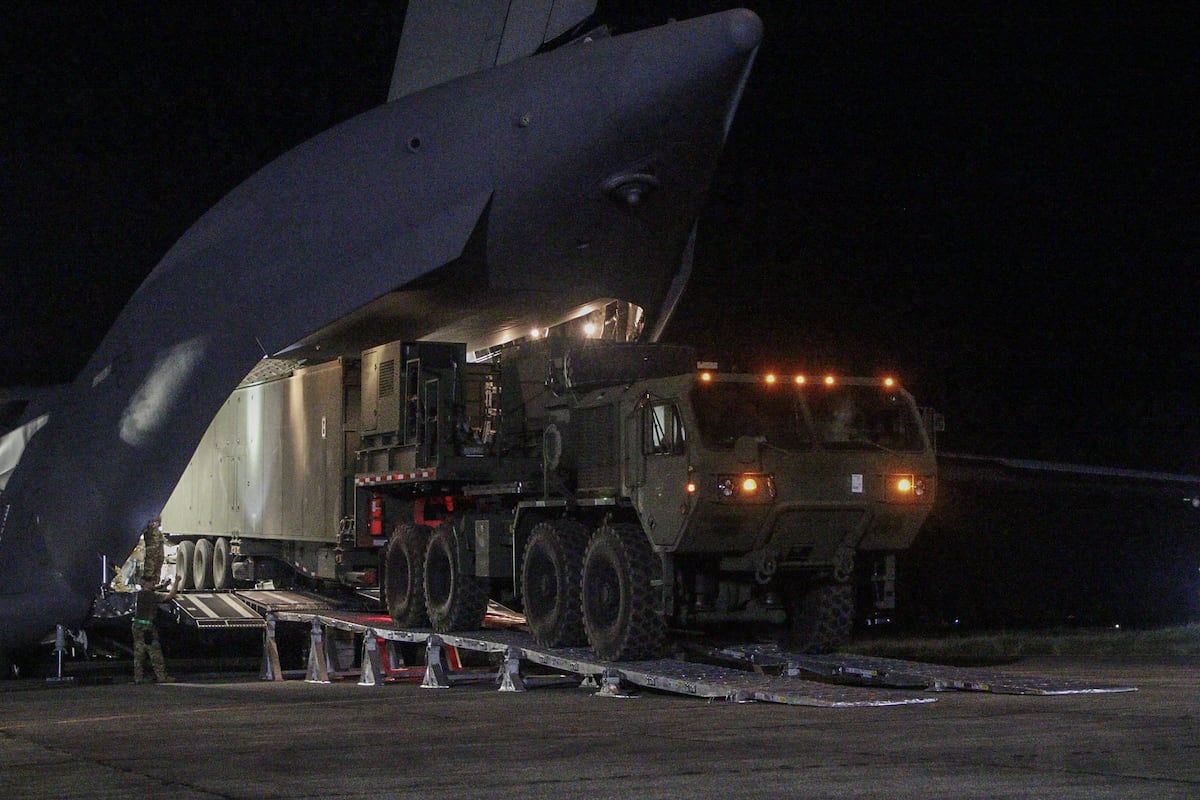
While China did not mention any country, the U.S. deployed last year a Typhon missile launcher in the Philippines as part of annual joint exercises between American and Filipino troops under a post-war defense treaty.
Chinese officials have taken the pre-positioning of American military assets in the Philippines as a direct threat and repeatedly urged Manila to withdraw the missile system. The Philippines, however, refused and claimed it has plans to acquire similar systems in the future as part of military modernization.
The presence of the launchers has “aggravated regional tensions,” the white paper read. “Unresolved territorial and maritime rights disputes have become more difficult and complicated … with the intervention of foreign forces.”
China has always frowned upon what it calls the “foreign interference of extra regional powers,” Julio Amador III, founder of geopolitical risk firm Amador Research, told Defense News.
“China probably released this now to low-key accuse the U.S. of being the source of instability, and offering itself as an alternative partner,” Amador said.
The national security white paper was released on the heels of a high-level meeting in Geneva over the weekend, where Chinese and American officials agreed to cut tariffs for 90 days. Negotiations came after the two countries hurled fourfold tariff hikes at each other beginning in early April.
China’s sentiments on the tariff war are reflected in the white paper, which focuses on how some countries disregarded international obligations and imposed tariffs that disrupted the global economic order.
Amid trade uncertainties, China indicated plans to build a free trade zone to be piloted in Hainan, an island province in the South China Sea.
The government also unveiled plans to establish offices to review foreign investments that could impact national security after other countries launched tariff, trade, and technology wars and instigated public opinions against China in the name of security, the document said.
The paper also reiterated a “peaceful reunification” with Taiwan and China’s support in completing a long-debated Code of Conduct in the South China Sea.
Despite highlighting multilateral mechanisms in the white paper, Amador said the document may not significantly change China’s positioning or posturing in disputed areas, a bane of contention for Manila which has for decades bemoaned the dissonance between China’s foreign policy declarations and the activities of its People’s Liberation Army Navy ships, coast guard vessels, and fishing flotillas in the South China Sea.
“The white paper should not be taken at face value,” Amador cautioned. He adds that it should be “studied with care, noting where PRC [People’s Republic of China] actions do not match its words, and prepare for any eventualities.”
Leilani Chavez is an Asia correspondent for Defense News. Her reporting expertise is in East Asian politics, development projects, environmental issues and security.
菲律宾马尼拉——本周,中国发布了首份国家安全白皮书。北京方面称,该地区的地缘政治局势正在加剧,其标志是部署了“中程导弹系统”。
国务院新闻办公室以中文发布的23页报告《新时代中国国家安全》概述了中国在该地区面临的安全问题,报告称该地区深陷“地缘政治、霸权主义和冷战思维的回归”之中。
中国政府多年来一直公开国防白皮书,但这是它首次发布一份涉及一系列安全威胁的国家安全文件,这些威胁包括海上和领土争端、恐怖主义、生物技术和粮食安全。
文件指出,在国际军备竞赛不断升级的背景下,亚太地区面临着“严峻”的安全挑战。中国声称“一些国家”加强了该地区的军事联盟,拉拢区域伙伴,组建“小集团”,并部署了诸如“中程导弹系统”之类的军事能力。
虽然中国没有提及任何国家,但美国去年在菲律宾部署了“台风”导弹发射器,这是根据战后防御条约,美菲军队之间年度联合演习的一部分。
中国官员将美国在菲律宾预先部署军事资产视为直接威胁,并多次敦促马尼拉撤回导弹系统。然而,菲律宾拒绝了这一要求,并声称未来计划采购类似系统,作为军事现代化的一部分。
白皮书指出,这些发射装置的存在“加剧了地区紧张局势”。“外国势力的介入使悬而未决的领土和海洋权益争端变得更加棘手和复杂”。
地缘政治风险公司 Amador Research 的创始人 Julio Amador III 告诉《防务新闻》,中国一直对所谓的“域外大国的外国干涉”表示不满。
阿马多尔说:“中国现在发布这份文件,很可能是为了低调地指责美国是不稳定的根源,并把自己定位为替代合作伙伴。”
这份国家安全白皮书是在周末于日内瓦举行的高级别会议之后发布的。在会上,中美官员同意将关税下调90天。此前,两国自4月初开始互相加征四倍关税。
中国对关税战的看法在白皮书中有所体现,白皮书重点指出一些国家无视国际义务,征收关税,扰乱了全球经济秩序。
在贸易形势不明朗的情况下,中国表示计划在南海岛国海南省建立一个自由贸易区进行试点。
文件还指出,在其他国家以安全为名发动关税战、贸易战和技术战,并煽动公众舆论反对中国之后,政府还公布了设立办公室审查可能影响国家安全的外国投资的计划。
该文件还重申了“和平统一”的立场,并表示台湾和中国将支持完成一项长期争论的南海行为准则。
尽管白皮书强调了多边机制,但阿马多尔表示,该文件可能不会显著改变中国在争议地区的立场或姿态,这令马尼拉感到不满,几十年来,马尼拉一直抱怨中国的对外政策声明与其人民解放军海军舰艇、海警船和渔船队在南海的活动不符。
阿马多尔警告说:“不应轻信白皮书的内容。”他补充说,应该“仔细研究白皮书,注意中国实际行动与其言论不符之处,并为各种可能的情况做好准备。”
莱拉尼·查韦斯是《防务新闻》的亚洲记者。她的报道专长是东亚政治、发展项目、环境问题和安全。