This Primer On Midcourse Intercept Ballistic Missile Defense Is Marvelous这篇关于中段拦截弹道导弹防御的入门指南非常精彩。
You will be using the term “threat cloud” all day after watching this.
新闻视频
Updated Jul 3, 2020 4:05 AM EDT
Ballistic missile defense (BMD) is always a tough topic to address technically because it’s far from monolithic in nature. What makes up America’s still relatively rickety concept knows collectively as BMD are a wide ranging cocktail of capabilities, some of which are more intertwined than others. Anti-ballistic missile capabilities can largely be adapted into anti-satellite capabilities, which are at the heart of growing fears that space is becoming the high-stakes battlefield of tomorrow.
Layers of defenses, each focusing primarily on a flight profile of a certain category of ballistic missile, with some overlap in between, utilize an array of interceptors and sensors to get the job done. The MIM-104 Patriot missile battery can be used to counter short-range ballistic missiles over a localized area. THAAD is aimed at taking out medium to intermediate range ballistic missiles within a specific theatre of conflict. AEGIS at sea and ashore can swat medium to longer-range ballistic missiles out of the sky within an entire region. Finally, there’s America’s hulking ground-based long-range interceptors focused on taking out ICBMs before their warheads descend onto the US.
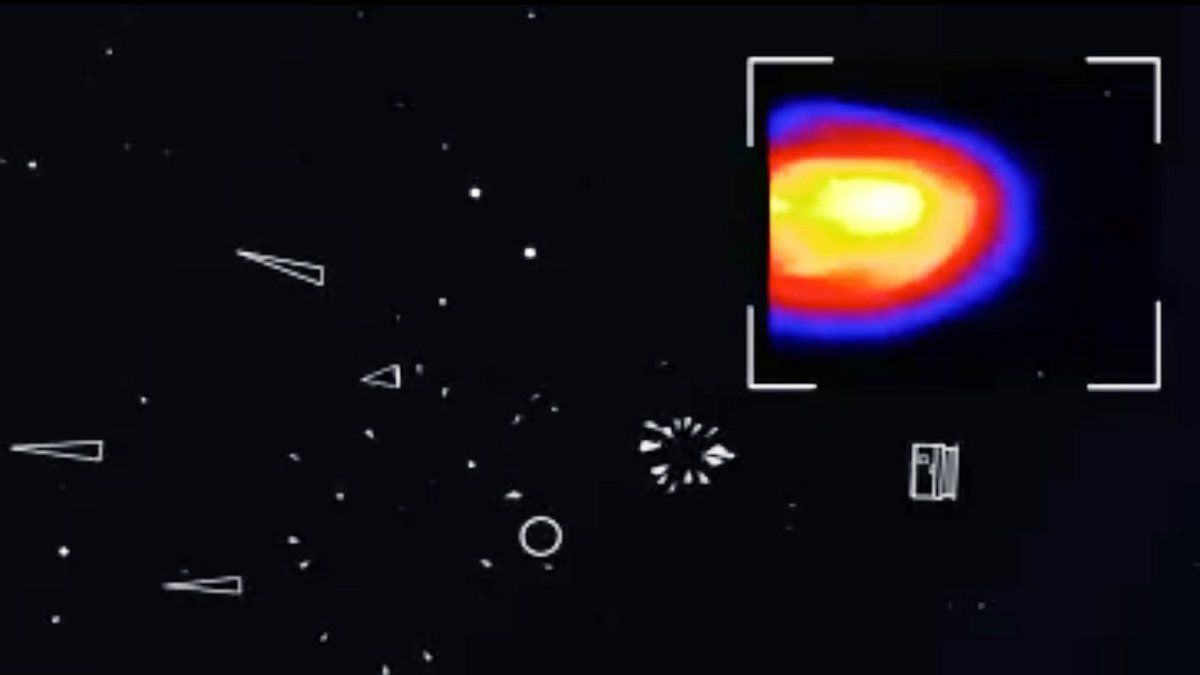
All these systems are supported by a massive array of remote sensors and communications nodes, ranging from a constellation of orbital infrared surveillance systems , to a shy fleet of massive radar equipped tracking ships. This short primer video made by the Center for Strategic and International Studies (CSIS) goes specifically over longer-range midcourse ballistic missile defense and the challenges that go along with it:
The video makes the point that the more disparate sensor data fuse together during an intercept, the better chances that that intercept will be successful. Some shadowy areas of this capability include satellites that can track “cold bodies” traveling atop earth’s atmosphere at acute viewing angles. By taking all these data sources and fusing their information together, high-speed computing and AI can predict which objects are within the “threat cloud” are an actual threat while excluding debris and multiple types of countermeasures.
Once identified, an interceptor vehicle, or vehicles, can execute a terminal attack plan on the object and even better identify it using their own sensitive onboard infrared sensors. This is similar to how long-range air-to-air missiles can be guided by data-link using “third party” telemetry towards their targets over great distances, and then use their sensitive imaging infrared or radar seekers to make an automated high-probability of kill terminal attack on the most vulnerable part of the target.
It all comes down to the need for better target discrimination, thus enhancing the probability of kill for each interceptor fired. Currently, Russia’s most advanced long-range ballistic missiles have robust capabilities to confuse and even surprise American anti-ballistic missile defenses. The truth is, America’s BMD capabilities are nowhere near advanced or numerous enough to have any chance of countering an ICBM barrage from a peer-state competitor, and especially one from Russia. So for now, even though it remains fairly immature after many billions spent, the system provides a decent defense against short to medium-range ballistic missiles in regions and theaters of combat, and a some level of plausible defense against small volume ICBM attacks on the US.
Trump will likely push to enhance America’s BMD capabilities . But with so many other pressing needs, not to mention a whole stack of other expensive promises he made during the campaign, we will have to wait and see if BMD becomes a larger investment sink for the DoD.
Contact the author Tyler@thedrive.com
Comments couldn’t be loaded. Please refresh the page.
更新于美国东部时间2020年7月3日凌晨4:05
弹道导弹防御(BMD)在技术上始终是一个难以探讨的话题,因为它远非单一整体。美国目前仍相对不完善的弹道导弹防御体系,实际上包含了多种能力,其中一些能力之间的联系更为紧密。反弹道导弹能力在很大程度上可以转化为反卫星能力,而反卫星能力正是人们日益担忧太空将成为未来高风险战场的核心所在。
多层防御体系,每一层都主要针对特定类型弹道导弹的飞行轨迹,彼此之间也存在一些重叠,它们利用一系列拦截器和传感器来完成任务。MIM-104“爱国者”导弹系统可用于在局部区域内拦截短程弹道导弹。“萨德”系统旨在摧毁特定战区内的中程弹道导弹。“宙斯盾”系统部署在海上和陆上,可以在整个区域内拦截中远程弹道导弹。最后,美国还有庞大的陆基远程拦截器,专门用于在洲际弹道导弹弹头落入美国本土之前将其拦截。
所有这些系统都由庞大的远程传感器和通信节点提供支持,从轨道红外监视系统星座到装备大型雷达的跟踪舰艇舰队,不一而足。战略与国际研究中心(CSIS)制作的这段简短介绍视频专门探讨了远程中段弹道导弹防御及其面临的挑战:
该视频指出,拦截过程中融合的传感器数据种类越多,拦截成功的几率就越大。这项能力的一些鲜为人知的应用领域包括:利用卫星以极小的视角追踪在地球大气层上空运行的“冷体”。通过整合所有这些数据源的信息,高速计算和人工智能可以预测“威胁云”中的哪些物体构成实际威胁,同时排除碎片和多种类型的反制措施。
一旦识别出目标,拦截车辆(或多辆拦截车)即可对其执行末端攻击计划,并利用自身灵敏的机载红外传感器更精确地识别目标。这类似于远程空空导弹如何通过数据链,利用“第三方”遥测数据,远距离飞向目标,然后利用其灵敏的成像红外或雷达导引头,对目标最脆弱的部分进行自动化、高概率的末端攻击。
归根结底,关键在于提高目标识别能力,从而提升每次拦截弹的命中概率。目前,俄罗斯最先进的远程弹道导弹拥有强大的能力,足以迷惑甚至出其不意地拦截美国的反弹道导弹防御系统。事实上,美国的弹道导弹防御能力远未达到足以应对势均力敌的竞争对手(尤其是俄罗斯)洲际弹道导弹齐射的先进水平和数量。因此,尽管耗资数十亿美元,该系统仍处于相对不成熟的阶段,但目前它能够为作战区域和战区提供有效的防御,抵御短程至中程弹道导弹的攻击,并能在一定程度上抵御针对美国的小规模洲际弹道导弹袭击。
特朗普很可能会力推提升美国的弹道导弹防御能力。但鉴于还有许多其他迫切的需求,更不用说他在竞选期间做出的一系列其他昂贵承诺,我们只能拭目以待,看看弹道导弹防御是否会成为国防部更大的投资黑洞。
联系作者:Tyler@thedrive.com
评论加载失败,请刷新页面。