Father wins right to choose son's primary school in court tussle with ex-wife父亲在与前妻的法庭纠纷中胜诉,获得选择儿子小学就读学校的权利
The judge said he regarded travelling time and the time needed to prepare the boy for school as key factors.
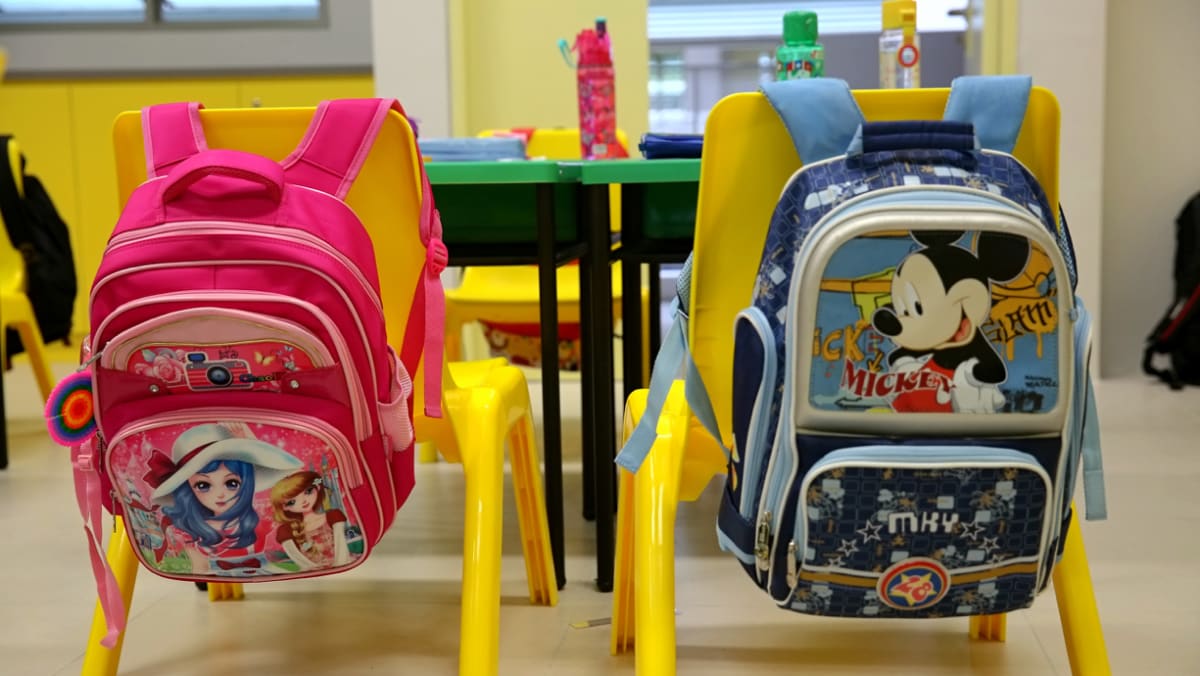
The judge said he regarded travelling time and the time needed to prepare the boy for school as key factors.
The former couple have a son who is due to be registered for entry into primary school in 2027. (File photo: TODAY)
This audio is generated by an AI tool.
SINGAPORE: A family court has granted a father the right to choose his son's primary school, after the boy's divorced parents failed to agree on the matter and filed applications to the court.
The former couple married in 2019 and had one child before divorcing in 2022.
The boy is due to enter primary school in 2027, according to a judgment published on Wednesday (Sep 2).
The boy's parents had agreed to joint custody. From February 2024, the mother would have the boy from Wednesdays to noon on Sundays, while the father would have him from noon on Sundays to noon on Wednesdays.
Both parents wanted the boy to be enrolled in a primary school of their choice. By the time the judge heard their applications in July 2026, the first phase of admission had passed.
District Judge Goh Zhuo Neng laid out some non-exhaustive issues which are considered and raised when determining which parent should have sole authority to register a child in a primary school.
First, the reputation of the school. Judge Goh said this is a "popular but often fruitless path of debate".
"Well-meaning parents would argue that their child would have the best start if they were placed in a school that is perceived to provide a superior curriculum and prestige," he said.
"This fails to take into account whether the child might adapt well to the environment and also that places in these schools would be oversubscribed and difficult to get into."
He said placing emphasis on this risks turning all applications on primary school registration into a ranking exercise, marginalising other factors which are more important.
The second factor is alumni association, which is usually raised together with the reputation of the school.
"However, the benefit here is distinct and relevant only insofar as it improves the child's opportunity to obtain a place in the school," said Judge Goh.
The third factor is the distance the child lives from the school, which the judge said was a "useful factor" in evaluating the issue, especially when the court is being asked to choose between a school that is very close and a school that is very far.
The impact of distance is particularly significant in the morning when the child has to wake up in the wee hours to attend primary school assembly, which usually starts at 7.30am, he said.
The distance will also have an impact on places given in priority to children who live within 1 to 2km of the school.
Another factor is which parent bears the greater share of responsibility in caregiving for the child, as this parent understands the child's schedule and needs and strong weight would generally be given to their choice of school.
Other factors include availability of places and conduct of the parents - behaviour which negatively affects the ability of the child to be enrolled would be taken into account, said Judge Goh.
In this case, Judge Goh allowed the father to decide on the primary school. If there is no available spot at the school of his choice, the child will be registered at any other school where the father can secure a place.
Both parents opted for schools which were no more than five minutes from them.
However, they lived 30 to 40 minutes away from each other, so it would mean that the boy had to travel about 30 minutes each way when he stayed with the other parent.
The mother proposed a school, unnamed in the judgment, seven to 10 minutes from the boy's current preschool.
While this was in the interest of maintaining status quo, the judge did not think this was in the boy's best interests.
"Preschool start timings were more flexible and later than those of primary school. (The primary school) was also 20 minutes from both parents' homes," said Judge Goh.
He said giving the father sole authority to choose the school would give the boy three mornings a week where he need not wake up as early to get to school.
"This was a clear advantage the father had over the mother," said the judge. "The father would also be able to prepare (his son) for three full days of school ... as opposed to the mother who only needed to prepare him for two full days of school."
Judge Goh said the weight given to this factor is unique to this case, as most of the other factors were neutral.
The mother argued that the judge should place weight on the father's purported conduct in the proceedings, claiming to be the first to raise the issue in April 2026.
She claimed it was the father's unwillingness to engage productively with her that resulted in the applications being filed.
However, the judge found that while the father was unwilling to fully compromise with the mother, his conduct did not resemble the unpleasant behaviour of a father in another case she cited.
The judge granted S$1,000 in costs to the father, who was represented by Ms Carrie Gill Kaur from Harry Elias Partnership.
The mother, who was represented by Mr Shawn Teo from Rajah & Tann, has filed an appeal against the decision.
Get our pick of top stories and thought-provoking articles in your inbox
Stay updated with notifications for breaking news and our best stories
Join our channel for the top reads for the day on your preferred chat app
法官表示,他认为路程时间和准备孩子上学所需的时间是关键因素。
这对前夫妇育有一子,将于2027年入学小学。(资料图片:TODAY)
这段音频由人工智能工具生成。
新加坡:男孩的离异父母未能就此事达成一致并向法院提出申请后,家庭法院裁定父亲有权选择儿子的小学。
这对前夫妇于 2019 年结婚,育有一子,于 2022 年离婚。
根据周三(9月2日)公布的判决,这名男孩将于2027年进入小学。
男孩的父母同意共同监护。从2024年2月起,母亲每周三到周日中午照顾男孩,父亲则从周日中午到周三中午照顾男孩。
父母双方都希望孩子能进入他们选择的小学就读。等到法官在2026年7月审理他们的申请时,第一阶段的入学申请已经结束。
地方法官吴卓能列举了一些在确定哪一方父母拥有为孩子注册小学的唯一权限时需要考虑和提出的问题(并非穷尽所有问题)。
首先是学校的声誉。吴法官表示,这是一个“热门但往往徒劳无功的辩论方向”。
他说:“一些好心的家长认为,如果把孩子送到一所被认为提供更优质课程和更高声望的学校,孩子就能拥有最好的开端。”
“这种做法没有考虑到孩子是否能够很好地适应环境,也没有考虑到这些学校的学位供不应求,很难入学。”
他表示,过分强调这一点可能会将所有小学入学申请变成排名活动,从而忽略其他更重要的因素。
第二个因素是校友会,这通常与学校的声誉一起提升。
“然而,这里的益处只有在它能提高孩子获得入学机会的程度上才是独特且相关的,”吴法官说。
第三个因素是孩子居住地与学校的距离,法官表示,这是评估该问题的“有用因素”,尤其是在法院被要求在一所非常近的学校和一所非常远的学校之间做出选择时。
他说,距离的影响在早上尤其显著,因为孩子必须在凌晨起床参加小学集会,集会通常在早上 7 点 30 分开始。
距离也会对优先录取居住在学校1至2公里范围内的儿童的名额产生影响。
另一个因素是哪一方父母承担了照顾孩子的大部分责任,因为这位父母了解孩子的作息时间和需求,并且通常会非常重视他们对学校的选择。
吴法官表示,其他因素包括学位空缺情况和父母的行为——任何对孩子入学能力产生负面影响的行为都会被考虑在内。
在这种情况下,吴法官允许父亲决定孩子的小学。如果他选择的学校没有空位,孩子将被安排到父亲能够确保入学的任何其他学校。
两位家长都选择了离家不超过五分钟路程的学校。
然而,他们居住的地方相距 30 到 40 分钟路程,这意味着当男孩住在另一位家长那里时,他每次往返都需要大约 30 分钟。
母亲提议让孩子就读一所学校(判决书中未提及学校名称),该校距离孩子目前就读的幼儿园有 7 到 10 分钟的路程。
虽然这样做是为了维持现状,但法官认为这不符合男孩的最佳利益。
“幼儿园的上课时间比小学更灵活、更晚。(小学)距离父母双方的家也只有20分钟的路程,”吴法官说。
他说,赋予父亲选择学校的唯一权力,可以让男孩每周有三个早晨不必那么早起床去上学。
法官说:“这显然是父亲相对于母亲的优势。父亲可以为儿子三天完整的上学时间做好准备……而母亲只需要为他两天完整的上学时间做好准备。”
吴法官表示,之所以对这一因素赋予如此大的权重,是因为本案的特殊性,因为其他大多数因素都是中性的。
母亲辩称,法官应该重视父亲在诉讼程序中的所谓行为,并声称自己是第一个在 2026 年 4 月提出这个问题的人。
她声称,正是由于父亲不愿与她进行有效的沟通,才导致了这些申请的提出。
然而,法官认为,虽然父亲不愿意与母亲完全妥协,但他的行为与她引用的另一个案例中父亲的不愉快行为并不相似。
法官判给父亲 1000 新元的诉讼费,父亲的代理律师是来自 Harry Elias Partnership 的 Carrie Gill Kaur 女士。
由 Rajah & Tann 律师事务所的 Shawn Teo 先生代理的母亲已对该判决提出上诉。
订阅我们的邮件,即可获取精选热点新闻和引人深思的文章。
订阅通知,第一时间获取突发新闻和精彩报道。
加入我们的频道,即可在您常用的聊天应用上获取当日热门文章。