Houthi rebels present little threat to undersea cables, US admiral says美国海军上将称,胡塞武装对海底电缆构成的威胁很小。
The undersea menacing coincides with one-way drone and missile attacks on U.S. forces across the Greater Middle East.
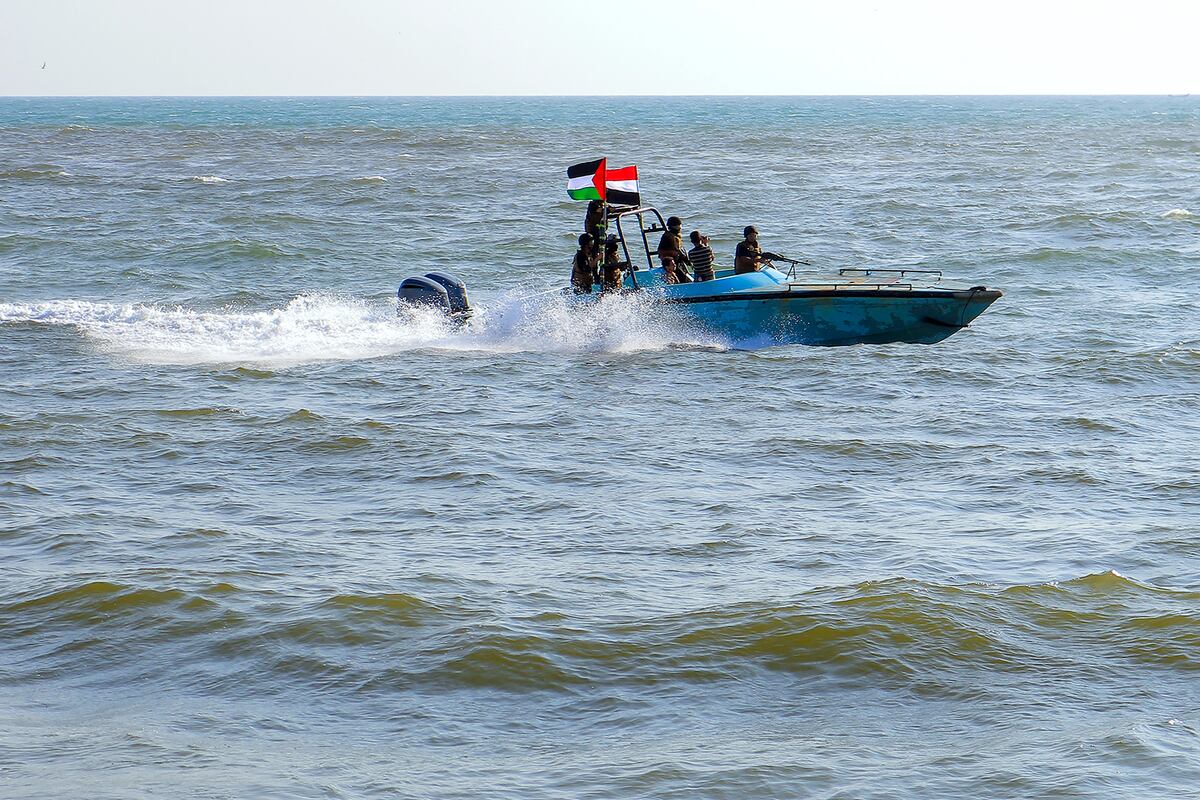
SAN DIEGO — Threats by Houthi rebels based in Yemen to slice a lattice of undersea cables in the Red Sea region, jeopardizing communications and financial data, are unrealistic, according to the commander of the Office of U.S. Naval Intelligence.
Veiled threats were published on social media channels associated with the Iran-backed militant group in December and were later amplified by Hezbollah, according to the Middle East Media Research Institute . The posts featured maps of the area, including the Bab-el-Mandeb Strait, where fiber-optic cables run, and chatter about international connectivity.
Asked at the West conference in San Diego if he thought such threats were realistic — if extremists could execute such sabotage — U.S. Navy Rear Adm. Michael Brookes said: “I’m not so sure it is.”
“The Russian Navy remains the greatest threat to the U.S. in the undersea domain ,” said Brookes, whose organization collects, analyzes and distributes intelligence about foreign forces. Brookes was named commander in July.
U.S. Navy Rear Adm. Michael Brookes, the Office of Naval Intelligence boss, listens to a reporter's question Feb. 13, 2024, at the West conference in San Diego. (Colin Demarest/C4ISRNET)
The Houthis and other Iranian-armed militias have launched a series of attacks on commercial vessels and U.S. forces across the Greater Middle East in recent weeks, prompting the U.S. to respond with retaliatory strikes in Yemen and Iraq. Houthi forces have used explosives-laden unmanned systems in the air and on the water as well as anti-ship ballistic missiles.
Due to the confined geography of the Red Sea and the speed of anti-ship munitions, there may only be a 60- to 90-second window between Houthi launch and a destroyer’s response in self-defense, Navy Times reported , citing a service leader.
The barrages in the Red Sea have impeded trade in otherwise economically vital waters. Ships are rerouting to avoid the region, resulting in many more nautical miles traversed, additional days spent traveling and extra fuel burned.
The Houthis need not turn to undersea cables to “continue to pose a significant maritime threat or to be able to continue escalating in the maritime domain,” Behnam Ben Taleblu, an Iran specialist at the Foundation for Defense of Democracies think tank in Washington, D.C., said in an interview. “I would expect more anti-ship missile and drone attacks.”
Colin Demarest was a reporter at C4ISRNET, where he covered military networks, cyber and IT. Colin had previously covered the Department of Energy and its National Nuclear Security Administration — namely Cold War cleanup and nuclear weapons development — for a daily newspaper in South Carolina. Colin is also an award-winning photographer.
圣地亚哥——据美国海军情报办公室指挥官称,也门胡塞武装威胁要切断红海地区的海底电缆网,危及通信和金融数据,这种威胁是不现实的。
据中东媒体研究所称,去年12月,与伊朗支持的武装组织有关联的社交媒体账号上发布了隐晦的威胁信息,随后真主党对此进行了放大报道。这些帖子包含该地区的地图,其中包括铺设有光纤电缆的曼德海峡,以及有关国际互联互通的讨论。
在圣地亚哥举行的西部会议上,当被问及他是否认为此类威胁是现实的——极端分子是否能够实施此类破坏活动——美国海军少将迈克尔·布鲁克斯表示:“我不太确定它是否现实。”
“俄罗斯海军仍然是美国在水下领域面临的最大威胁,”布鲁克斯说道。他所在的机构负责收集、分析和分发有关外国军队的情报。布鲁克斯于7月被任命为指挥官。
2024年2月13日,美国海军情报局局长、海军少将迈克尔·布鲁克斯在圣地亚哥举行的西部会议上聆听记者提问。(科林·德马雷斯特/C4ISRNET)
近几周来,胡塞武装和其他伊朗支持的民兵组织在大中东地区对商船和美军发动了一系列袭击,促使美国在也门和伊拉克进行报复性打击。胡塞武装使用了装载炸药的无人飞行器和反舰弹道导弹,在空中和水面上发动袭击。
据《海军时报》援引一位海军领导人的话报道,由于红海的地理环境狭窄,反舰弹药速度很快,从胡塞武装发动袭击到驱逐舰进行自卫反应,可能只有 60 到 90 秒的时间窗口。
红海的拦河坝阻碍了原本对经济至关重要的海域的贸易。船只不得不改道绕开该区域,导致航程增加,航行时间延长,燃料消耗也增加。
华盛顿特区智库“保卫民主基金会”的伊朗问题专家贝赫纳姆·本·塔莱布鲁在接受采访时表示,胡塞武装无需依靠海底电缆就能“继续构成重大海上威胁或继续在海上领域升级冲突”。他补充说:“我预计他们会发动更多反舰导弹和无人机袭击。”
科林·德马雷斯特曾是C4ISRNET的记者,负责报道军事网络、网络安全和信息技术方面的新闻。此前,他曾为南卡罗来纳州的一家日报报道美国能源部及其下属的国家核安全管理局,主要关注冷战后的清理工作和核武器研发。科林还是一位屡获殊荣的摄影师。