Nations huddle to clarify access rules for $523 million buy-European fund各国齐聚一堂,商讨5.23亿美元“购买欧洲产品”基金的准入规则。
The fund, if it works, could provide European countries with another source to replace equipment sent to Ukraine, as American and Israeli companies, for example, are chomping at the bit to restock Europe’s arsenals.
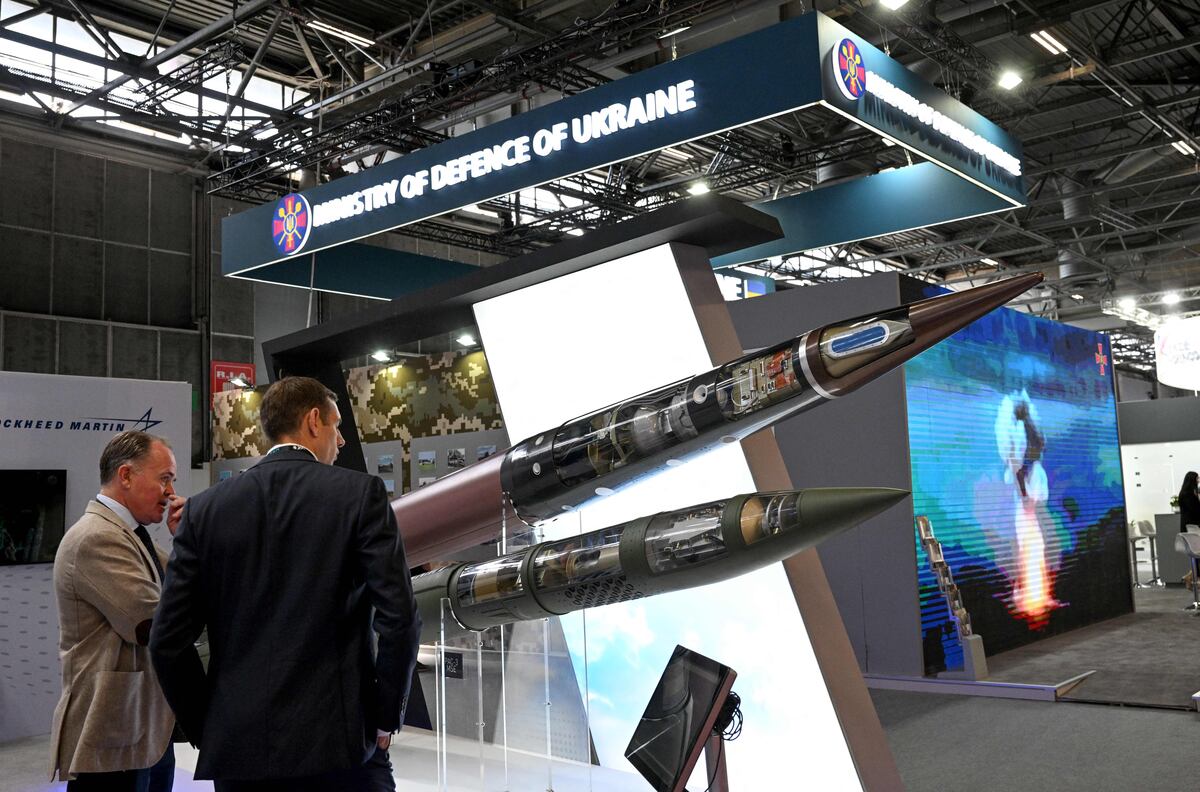
PARIS — European Union officials are expected to meet with member nation delegates this week to craft ground rules for a €500 million (U.S. $523 million) fund envisioned to promote quick purchases of bloc-made military equipment.
The fund, if it works, could provide European countries with another source to replace equipment sent to Ukraine, as American and Israeli companies, for example, are champing at the bit to restock Europe’s arsenals.
But the mechanisms for dishing out procurement subsidies through the fund remain murky, with questions remaining about the scope of financial support and the definition of eligible purchases.
The European Defence Agency chief executive, Jiří Šedivý, told Defense News his assignment, handed down May 31, to set up a governance structure and funding instrument, in concert with the European Commission, to quickly fill capability gaps remains “very fresh.”
“We are talking to the member states, asking them to identify on their part their most urgent needs in terms of replenishment,” he said in an interview after visiting the Eurosatory defense expo in France. “And we then will aggregate those needs and requests, find where they overlap, and encourage joint recruit procurement in some areas.”
The tactical task of helping coordinate the rapid replenishment of munitions and equipment across the bloc is somewhat uncharacteristic for the European Defence Agency, whose leaders previously stressed that facilitating long-term cooperation and planning was their strong suit.
For Šedivý, though, the new effort is partly about getting nations interested in thinking of their defense from a common perspective.
“This is to encourage joint procurement by member states and joint procurement from European companies,” he said. “So it has, I would say, a dual purpose: first of all to help member states reestablish force readiness and their stocks, but at the same time to encourage cooperation and encourage involvement and strengthening of the European industrial base.”
European leaders kicked off a new wave of defense-boosting measures at their March 10-11 summit in Versailles, about two weeks after Russia launched its invasion of Ukraine on Feb. 24. Since then, EU officials have conducted a study of capability gaps — and quick fixes for addressing them. Last month, they unveiled a list of urgent investment priorities that includes replenishing military stockpiles, replacing Soviet-era legacy equipment, and “reinforcing” air and missile defense capabilities.
Meanwhile, the European Defence Agency is also tackling of a review of its Capability Development Plan, a kind of blueprint for guiding the EU’s defense investment decisions. The last update was in 2018.
Spurred by the war in Ukraine, the new version is expected to reflect a scenario of higher-intensity conflict as well as updated guidance on working with NATO, which stands to grow with the pending applications of EU members Finland and Sweden, Šedivý said.
Sebastian Sprenger is associate editor for Europe at Defense News, reporting on the state of the defense market in the region, and on U.S.-Europe cooperation and multi-national investments in defense and global security. Previously he served as managing editor for Defense News. He is based in Cologne, Germany.
巴黎——欧盟官员预计将于本周与成员国代表会面,制定一项5亿欧元(5.23亿美元)基金的基本规则,该基金旨在促进快速购买欧盟制造的军事装备。
如果该基金运作良好,可以为欧洲国家提供另一种来源,以替换运往乌克兰的设备,因为例如美国和以色列的公司正迫不及待地想要补充欧洲的武器库。
但通过该基金发放采购补贴的机制仍然不明朗,财政支持的范围和合格采购的定义仍然存在疑问。
欧洲防务局首席执行官 Jiří Šedivý 告诉《防务新闻》,他于 5 月 31 日接到的任务是与欧盟委员会合作,建立一个治理结构和资金机制,以迅速填补能力缺口,这项任务仍然“非常新鲜”。
“我们正在与各成员国进行沟通,请他们明确自身在人员补充方面最迫切的需求,”他在参观完法国举行的欧洲防务展后接受采访时表示。“然后,我们将汇总这些需求和请求,找出它们的重叠之处,并鼓励在某些领域开展联合招募。”
帮助协调欧盟范围内弹药和装备的快速补充这一战术任务,对于欧洲防务局来说有些非同寻常,该机构的领导人此前一直强调,促进长期合作和规划才是他们的强项。
不过,对于 Šedivý 来说,这项新举措的部分目的在于让各国对从共同的角度思考国防问题产生兴趣。
他说:“这旨在鼓励成员国之间进行联合采购,以及从欧洲公司进行联合采购。因此,我认为它具有双重目的:首先,帮助成员国恢复部队战备状态和库存;同时,鼓励合作,促进欧洲工业基础的参与和加强。”
在俄罗斯于2月24日入侵乌克兰约两周后,欧洲领导人于3月10日至11日在凡尔赛宫举行峰会,启动了新一轮国防强化措施。此后,欧盟官员对能力差距及其快速解决方案进行了研究。上个月,他们公布了一系列紧急投资优先事项,其中包括补充军事储备、更换苏联时代的老旧装备以及“加强”防空和导弹防御能力。
与此同时,欧洲防务局也在着手对其能力发展计划进行审查,该计划是指导欧盟国防投资决策的蓝图。该计划上次更新是在2018年。
Šedivý 表示,受乌克兰战争的刺激,新版本预计将反映出更高强度冲突的情景,以及与北约合作的最新指导方针,随着欧盟成员国芬兰和瑞典的申请即将提交,该指导方针有望得到扩展。
塞巴斯蒂安·斯普伦格是《防务新闻》欧洲版副主编,负责报道该地区的防务市场状况,以及美欧在防务和全球安全领域的合作和多国投资。此前,他曾担任《防务新闻》执行主编。他现居德国科隆。