Russia’s invasion could return focus on armor and artillery, away from AI and robotics俄罗斯的入侵可能会使人们重新关注装甲和火炮,而不是人工智能和机器人技术。
Russia’s invasion of Ukraine could force governments with technologically advanced militaries to reevaluate their investments in areas such as robotics and artificial intelligence, creating a renaissance for spending on armor and artillery, a panel of military leaders says.
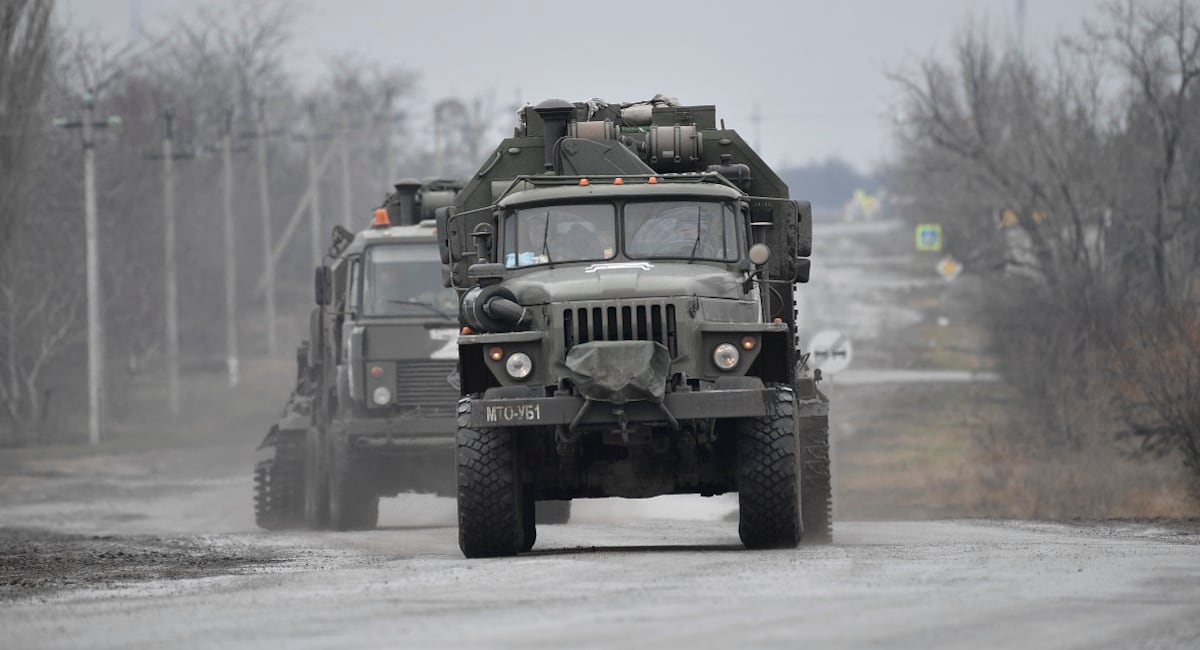
PARIS — Russia’s invasion of Ukraine could force governments with technologically advanced militaries to reevaluate their investments in areas such as robotics and artificial intelligence, creating a renaissance for spending on armor and artillery, a panel of military leaders said this week at the Eurosatory defense expo.
U.S. Army Maj. Gen. Matthew Van Wagenen, the deputy chief of staff for operations at NATO’s headquarters in Brussels, told attendees that Russia’s shelling and force thus far in Ukraine could lead to a greater focus on “hard power.”
“Many fell asleep believing that the kind of warfare that we’re seeing in the Ukraine right now would never [have] happened again in Europe,” he said. “And here we are in 2022, and attrition warfare is going on in Western Europe again. This is significantly different. And I think what it’s going to force many governments to go back and look at is: What are those investments in defense that have been made or need to be made?”
Van Wagenen said some governments have come to believe they could “substitute hard power” for investments in cyber operations, electronic warfare and robots. As a result, they believed they could spend less on items such as heavy artillery, armor and infantry, he added.
While cyber operations, for example, have played a significant role in a series of conflicts during the last decade, they have not appeared to be at the forefront of Russia’s strategy in Ukraine.
“The threat of [electronic warfare], cyber … was no substitute for” the collection of Russian troops and equipment in Ukraine, he said. “This is vital for offensive and defensive operations. So it is directly imperative. The number of soldiers you can put on a battlefield makes a difference. … Attrition is as old as warfare. It is here to stay probably for the next 50-100 years, as much as we want to wish it away.”
His comments were echoed by Gen. Pierre-Joseph Givre, director of the French Army’s doctrine command.
“What is decisive is when you take the initiative on the ground,” he said. “It’s not technology, but it’s partly technology. Particularly, it’s a combination, it’s the art of war.”
Givre said while technology can compensate for weaknesses, such as an undermanned force, as was the case at the beginning of the conflict in Ukraine on the front lines of the Donbas region, massive firepower can ultimately make the difference
Mike Gruss served as the editor-in-chief of Sightline Media Group's stable of news outlets, which includes Army Times, Air Force Times, C4ISRNET, Defense News, Federal Times, Marine Corps, Military Times and Navy Times.
巴黎——本周,一群军事领导人在欧洲防务展上表示,俄罗斯入侵乌克兰可能会迫使拥有先进军事技术的政府重新评估其在机器人和人工智能等领域的投资,从而导致装甲和火炮方面的支出再次激增。
美国陆军少将马修·范·瓦格宁是北约布鲁塞尔总部作战副参谋长,他告诉与会者,俄罗斯迄今为止在乌克兰的炮击和武力行动可能导致其更加注重“硬实力”。
“许多人睡着时都以为,我们现在在乌克兰看到的这种战争永远不会在欧洲再次发生,”他说。“而现在到了2022年,消耗战又在西欧上演。这和以往截然不同。我认为这将迫使许多政府重新审视:他们在国防方面已经投入了哪些资金,或者还需要投入哪些资金?”
范·瓦格宁表示,一些政府开始认为,他们可以用“硬实力”来替代对网络作战、电子战和机器人技术的投资。他补充说,因此,他们认为可以减少在重型火炮、装甲部队和步兵等方面的开支。
例如,虽然网络行动在过去十年的一系列冲突中发挥了重要作用,但它们似乎并未成为俄罗斯在乌克兰战略中的首要任务。
他说:“电子战、网络攻击的威胁……无法取代”俄罗斯在乌克兰集结军队和装备。“这对于进攻和防御行动都至关重要。因此,这是当务之急。战场上兵力的多少至关重要……损耗与战争一样古老。尽管我们希望它消失,但它可能在未来50到100年内仍将存在。”
法国陆军条令司令部司令皮埃尔-约瑟夫·吉弗尔将军也表达了类似的观点。
“决定性的因素在于你在战场上能否掌握主动权,”他说。“这并非完全是技术问题,但技术在其中扮演着一定的角色。更重要的是,这是一种综合运用,是战争的艺术。”
吉夫雷表示,虽然技术可以弥补兵力不足等弱点(就像乌克兰冲突初期顿巴斯地区前线的情况一样),但强大的火力最终才能决定胜负。
迈克·格鲁斯曾担任 Sightline Media Group 旗下多家新闻媒体的总编辑,这些媒体包括《陆军时报》、《空军时报》、《C4ISRNET》、《国防新闻》、《联邦时报》、《海军陆战队时报》、《军事时报》和《海军时报》。