Expedite arms deliveries to beleaguered democracies加快向处境艰难的民主国家运送武器
The United States should spend less time worrying about provoking authoritarian bullies and more time urgently helping threatened democracies before an invasion or attack begins.
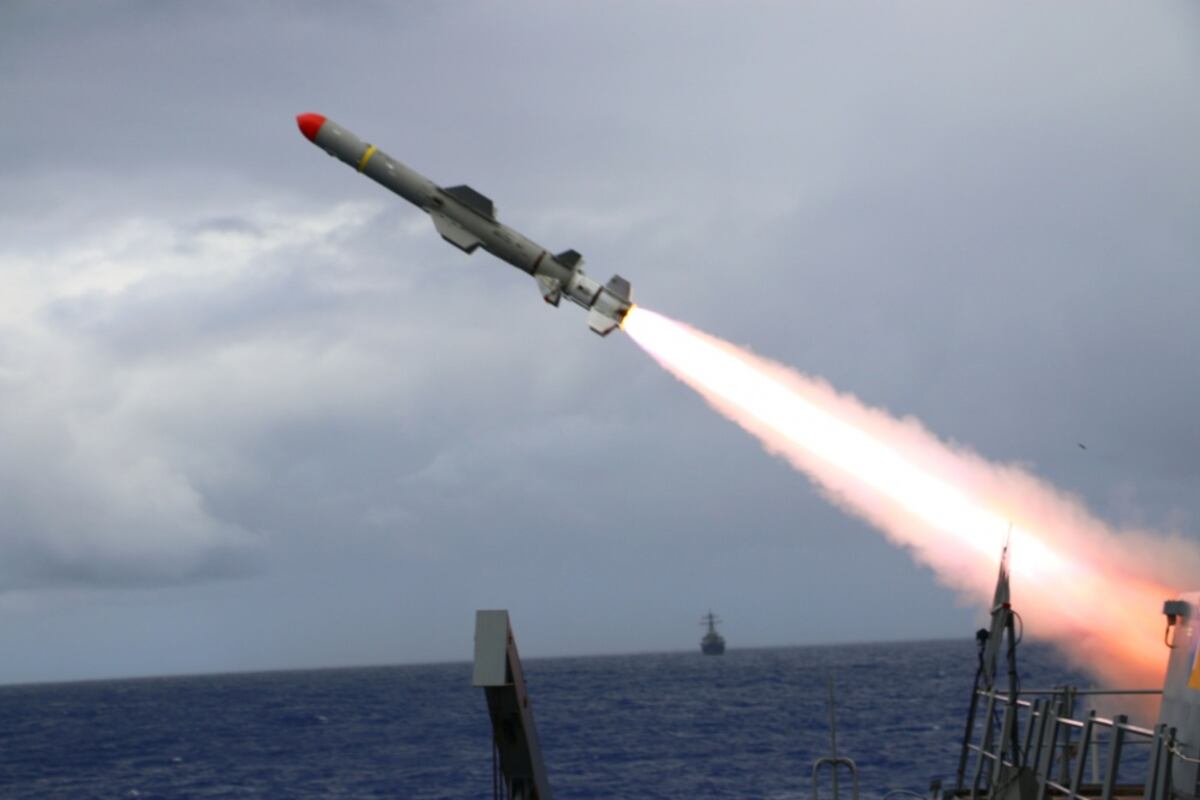
Fielded combat capabilities — not arms sales announcements from Washington — are what help America’s beleaguered democratic partners such as Taiwan deter and defeat aggression. Despite this fact, the United States has proven painfully slow in delivering desperately needed weapons to threatened democracies, leaving them unnecessarily vulnerable and inviting costly aggression by authoritarian states.
The United States and Europe have their hands full with Russian President Vladimir Putin’s unprovoked invasion in Ukraine, belatedly undertaking an unprecedented and difficult transfer of arms to fill the critical gaps in Ukraine’s capability and capacity. To avoid additional catastrophes in the Indo-Pacific region and Middle East, Congress should systematically focus on expediting the delivery of weapons to key partners before adversaries attack them — and while the arms could have the desired deterrent effect.
The most likely cause of war between the United States and China will be aggression by Beijing against Taiwan. Despite this, Washington has been remarkably lethargic in delivering to Taipei the means it needs to deter and defeat an attack by the Chinese Communist Party designed to extinguish freedom on the island .
Permitting this meandering and unfocused process to persist would ignore one of the most important lessons of the war in Ukraine : The United States should spend less time worrying about provoking authoritarian bullies and more time urgently helping threatened democracies before an invasion or attack begins.
Consider the sales of missiles and jets to Taiwan. The Defense Department’s Defense Security Cooperation Agency announced in October 2020 the decision to approve sales to Taiwan of 100 Harpoon coastal defense systems, including more than 400 missiles. That was a laudable decision, as the Harpoons would help make Taiwan a porcupine, an unappealing target for consumption by the People’s Republic of China. The DSCA announcement said the systems would help “counter or deter maritime aggressions, coastal blockades, and amphibious assaults” — a top priority for both Washington and Taipei.
But here’s the problem: Taiwan is not getting those Harpoons anytime soon. The original plan for a 2024 delivery was reportedly postponed to 2025. And Taiwanese Defense Minister Chiu Kuo-cheng later said the systems delivery would not be complete until 2028 .
That’s eight years from announcement to final delivery — a particularly troubling plan given that U.S. Indo-Pacific Command has repeatedly warned that China could attack Taiwan long before that.
Unfortunately, this long lead time in delivering a desperately needed weapon system to Taiwan is not an anomaly. DSCA announced the approval of the sale of 66 F-16C/D Block 70 aircraft to Taiwan in August 2019. Final delivery of those aircraft is currently projected for the end of 2026 . The people of Taiwan could be under Beijing’s authoritarian yoke by then.
According to recent reports, there is a more than $14 billion backlog in the delivery of weapons to Taiwan that have been approved for purchase since 2019. Defense News noted that in addition to the Harpoon missiles and F-16s, the delayed weapon deliveries include “Stinger missiles, heavyweight torpedoes, high-mobility artillery rocket systems, Paladin howitzers,” reconnaissance pods, communication systems, air-launched SLAM-ER missiles and components for Patriot missile defense systems.
Those are many of the exact capabilities Taipei needs to deter Chinese aggression and, if that fails, to defeat Chinese forces.
While the causes for delays vary between programs, one can observe some of this same sluggish pace of arms deliveries in American security assistance to Israel. To deter and defeat a potential sprint by Iran to a nuclear weapons capability, Israel needs to modernize its aging aerial refueling fleet. Accordingly, Israel has sought to purchase the KC-46 , and DSCA announced the administration’s approval of the request in March 2020. But Israel will not receive its first KC-46 from the United States until 2025 or later.
Admittedly, the KC-46 program has been plagued by problems , and the entire U.S. defense-industrial base has been hit hard by the pandemic. Exacerbating matters, Jerusalem took too long to request the KC-46 and lost valuable time. But the United States should not need five or more years to deliver a few refueling aircraft, from a line already in production, to its closest ally in the Middle East, who is confronting an existential threat from the Islamic Republic of Iran.
A KC-46 Pegasus assigned to the 931st Air Refueling Wing, McConnell Air Force Base, Kansas, refuels an F-15C Eagle while an F-16 Fighting Falcon and F-15C assigned to Eglin AFB, Florida, fly alongside over the Gulf of Mexico on Nov. 18, 2021. The aircraft were participating in Checkered Flag 22-1, a large-force aerial exercise held at Tyndall AFB, Florida, which fosters readiness and interoperability through the incorporation of fourth- and fifth-generation aircraft during air-to-air combat training. (Staff Sgt. Betty R. Chevalier/Air Force)
So what’s to be done?
Congress should systematically scrutinize administration efforts to expedite and enable arms deliveries to threatened democracies for weapons transfers that have already been approved.
A small number of congressional staffers episodically examine such issues, but these overworked individuals come and go, or get pulled onto other priorities. This dynamic is exacerbated by the fact that there is no annual reporting requirement to Congress that focuses on specific steps to expedite post-approval arms deliveries to threatened democracies.
Such a statute would require the secretaries of defense and state to annually transmit a report to Congress on arms sales for Ukraine, Israel and Taiwan. The report could list all approved foreign military sales above a certain dollar threshold that Washington has not yet delivered, detailing their estimated date of delivery, how that date has shifted since the previous year, the causes for any delays, and steps the administration is taking or could take to address challenges and expedite deliveries.
Reporting those facts annually would incentivize the Defense Department’s DSCA and the State Department’s Political-Military Affairs Bureau to work with Congress and industry to assertively, proactively and habitually look for opportunities to expedite arms sales. Some of those actions are being taken now, but many are not, and not one is aligned. An annual reporting requirement of this nature would help change that, making clear that Congress expects leaders in the administration to make expeditious arms deliveries to beleaguered democracies a priority.
The report would also provide valuable information to Congress, enabling more effective oversight and helping members and staff identify areas that require additional congressional attention and resources. This report would also help identify problems that emerge regarding the partner nation’s acquisition process that may hamper timely delivery.
Among other things, the administration would report the current queue for important weapons deliveries to the three partners. That would enable Congress to scrutinize the order of arms deliveries and ensure that it supports American national security interests. That would mean, for example, ensuring countries not confronting a genuine threat of attack or invasion in the next few years are not scheduled to receive vital weapons before Ukraine, Israel or Taiwan.
The report should also include any creative options for providing an interim solution to fill a capability gap until the ordered weapon system finally arrives. The administration could use the report to request any additional authorities or appropriations that would expedite the arms deliveries. And the report could describe any ongoing or potential measures to train the partner forces on the respective system before delivery. That would reduce the time necessary to attain full operational capability once Washington delivers the system.
Putin’s unprovoked invasion of Ukraine has provided a sobering wakeup call that such aggression does in fact still happen in the 21st century. If we want to avoid similar national security and subsequent humanitarian catastrophes elsewhere, Congress should demand an annual accounting from the administration on efforts to expedite arms deliveries to our most threatened partners. There is no time to waste.
Bradley Bowman is senior director of the Center on Military and Political Power at the Foundation for Defense of Democracies. He served as a national security adviser to members of the Senate Armed Services and Foreign Relations committees, and was an officer in the U.S. Army. Retired U.S. Navy Rear Adm. Mark Montgomery is a senior fellow at FDD. He previously worked as policy director of the Senate Armed Services Committee under Sen. John McCain, R-Ariz.
真正能帮助美国处境艰难的民主伙伴(例如台湾)威慑并击败侵略的,是实际部署的作战能力,而非华盛顿的军售公告。尽管如此,美国在向受威胁的民主国家提供急需的武器方面却行动迟缓,使这些国家陷入不必要的脆弱境地,并招致专制国家代价高昂的侵略。
美国和欧洲正疲于应对俄罗斯总统普京对乌克兰的无端入侵,迟迟未能着手进行史无前例且困难重重的武器转移,以弥补乌克兰在能力和实力方面的关键缺口。为避免印太地区和中东发生更多灾难,国会应系统性地集中精力加快向关键伙伴交付武器,防患于未然,趁这些武器可能发挥预期威慑作用之时。
美国与中国之间最有可能爆发战争的原因是北京对台湾的侵略。尽管如此,华盛顿在向台北提供其所需的手段以阻止和击败中国共产党旨在消灭台湾自由的攻击方面,却显得异常迟缓。
允许这种漫无目的、缺乏重点的进程继续下去,将会忽略乌克兰战争中最重要的教训之一:美国应该少花时间担心激怒专制恶霸,而应该多花时间在入侵或攻击开始之前紧急帮助受威胁的民主国家。
以向台湾出售导弹和战机为例。美国国防部国防安全合作局(DSCA)于2020年10月宣布批准向台湾出售100套“鱼叉”海岸防御系统,其中包括400多枚导弹。这是一项值得称赞的决定,因为“鱼叉”系统将使台湾如同刺猬一般,成为中华人民共和国不愿吞噬的目标。DSCA的公告称,这些系统将有助于“应对或阻止海上侵略、海岸封锁和两栖攻击”——这正是华盛顿和台北的共同首要任务。
但问题是:台湾短期内无法获得这些“鱼叉”导弹系统。原计划于2024年交付,据报道已推迟至2025年。台湾国防部长邱国正后来表示,该系统的交付要到2028年才能完成。
从宣布到最终交付需要八年时间——考虑到美国印太司令部曾多次警告中国可能在此之前很久就对台湾发动攻击,这一计划尤其令人担忧。
不幸的是,向台湾交付急需的武器系统耗时过长并非个例。美国国防安全合作局(DSCA)于2019年8月宣布批准向台湾出售66架F-16C/D Block 70战斗机。目前预计这些飞机的最终交付时间为2026年底。届时,台湾人民可能已处于北京的威权统治之下。
据最新报道,自2019年以来,获准向台湾采购的武器装备积压超过140亿美元。《防务新闻》指出,除了“鱼叉”导弹和F-16战斗机外,延迟交付的武器还包括“毒刺”导弹、重型鱼雷、高机动性火箭炮系统、“帕拉丁”榴弹炮、侦察吊舱、通信系统、空射SLAM-ER导弹以及“爱国者”导弹防御系统的组件。
这些正是台北需要用来威慑中国侵略,以及在威慑失败的情况下击败中国军队的许多能力。
尽管不同项目延误的原因各不相同,但美国对以色列的安全援助中也存在类似的武器交付缓慢问题。为了遏制并阻止伊朗迅速发展核武器,以色列需要对其老旧的空中加油机队进行现代化改造。因此,以色列寻求购买KC-46加油机,美国国防安全合作局(DSCA)于2020年3月宣布政府已批准该请求。但以色列最早也要到2025年或更晚才能从美国接收首架KC-46加油机。
诚然,KC-46项目一直问题重重,而且整个美国国防工业基础都受到了疫情的严重冲击。雪上加霜的是,耶路撒冷方面迟迟没有提出KC-46的采购请求,白白浪费了宝贵的时间。但是,美国不应该花费五年甚至更长时间,才能从一条已经投入生产的生产线上,向其在中东最亲密的盟友交付几架加油机。这个盟友正面临着来自伊朗伊斯兰共和国的生存威胁。
2021年11月18日,一架隶属于堪萨斯州麦康奈尔空军基地第931空中加油联队的KC-46“飞马”加油机正在墨西哥湾上空为一架F-15C“鹰”式战斗机进行空中加油,与此同时,一架隶属于佛罗里达州埃格林空军基地的F-16“战隼”战斗机和一架F-15C战斗机并排飞行。这些飞机当时正在参加在佛罗里达州廷德尔空军基地举行的“方格旗22-1”大规模空中演习,该演习通过在空战训练中整合第四代和第五代战机,来提升部队的战备水平和互操作性。(贝蒂·R·谢瓦利埃中士/空军)
那么该怎么办呢?
国会应系统地审查政府为加快和促成向受威胁民主国家交付武器而采取的措施,这些武器转让已经获得批准。
少数国会工作人员会偶尔审查此类问题,但这些工作繁忙的人员来来往往,或者被调去处理其他优先事项。雪上加霜的是,目前没有要求国会就加快向受威胁民主国家交付武器的具体步骤提交年度报告,以应对武器审批后的相关问题。
该法案将要求国防部长和国务卿每年向国会提交一份关于对乌克兰、以色列和台湾的武器销售报告。报告可以列出所有已获批准但华盛顿尚未交付的、金额超过一定门槛的对外军售,详细说明预计交付日期、与上一年相比的变更情况、延误原因,以及政府正在采取或可能采取的措施来应对挑战并加快交付速度。
每年公布这些事实将激励国防部国防安全合作局(DSCA)和国务院政治军事事务局与国会和业界合作,积极主动地寻找加快武器销售的机会。目前,部分行动正在实施,但许多行动尚未开展,而且没有一项行动是协调一致的。此类年度报告要求将有助于改变这种状况,明确表明国会期望政府领导人将向处境艰难的民主国家快速交付武器作为优先事项。
该报告还将为国会提供宝贵信息,从而实现更有效的监督,并帮助议员和工作人员确定需要国会额外关注和资源投入的领域。此外,该报告还有助于发现伙伴国采购过程中可能阻碍及时交付的问题。
除其他事项外,政府还将报告目前向三个伙伴国交付重要武器的顺序。这将使国会能够审查武器交付顺序,并确保其符合美国国家安全利益。例如,这意味着要确保在未来几年内未面临真正攻击或入侵威胁的国家,不会在乌克兰、以色列或台湾之前获得关键武器。
该报告还应包含任何创新性的临时解决方案,以填补能力缺口,直至订购的武器系统最终交付。政府可以利用该报告申请任何额外的授权或拨款,以加快武器交付。此外,该报告还可以描述在交付前对伙伴部队进行相应系统培训的任何正在进行或潜在的措施。这将缩短华盛顿交付系统后达到全面作战能力所需的时间。
普京对乌克兰的无端入侵敲响了警钟,表明此类侵略行为在21世纪依然存在。如果我们想要避免在其他地方发生类似的国家安全危机和随之而来的人道主义灾难,国会就应该要求政府每年就加快向我们最受威胁的伙伴国交付武器的举措提交一份报告。时不我待。
布拉德利·鲍曼是保卫民主基金会军事与政治权力中心的高级主任。他曾担任参议院军事委员会和外交关系委员会成员的国家安全顾问,并曾在美国陆军服役。退役美国海军少将马克·蒙哥马利是保卫民主基金会的高级研究员。他此前曾在亚利桑那州共和党参议员约翰·麦凯恩领导下担任参议院军事委员会的政策主任。