European allies tell Trump ‘nein,’ ‘non’ and ‘no’ on help to force open Hormuz Strait欧洲盟友对特朗普表示,拒绝帮助打通霍尔木兹海峡。
Trump in recent days explicitly linked U.S. involvement in NATO and support to Ukraine to efforts by allies to send warships to the Strait of Hormuz.
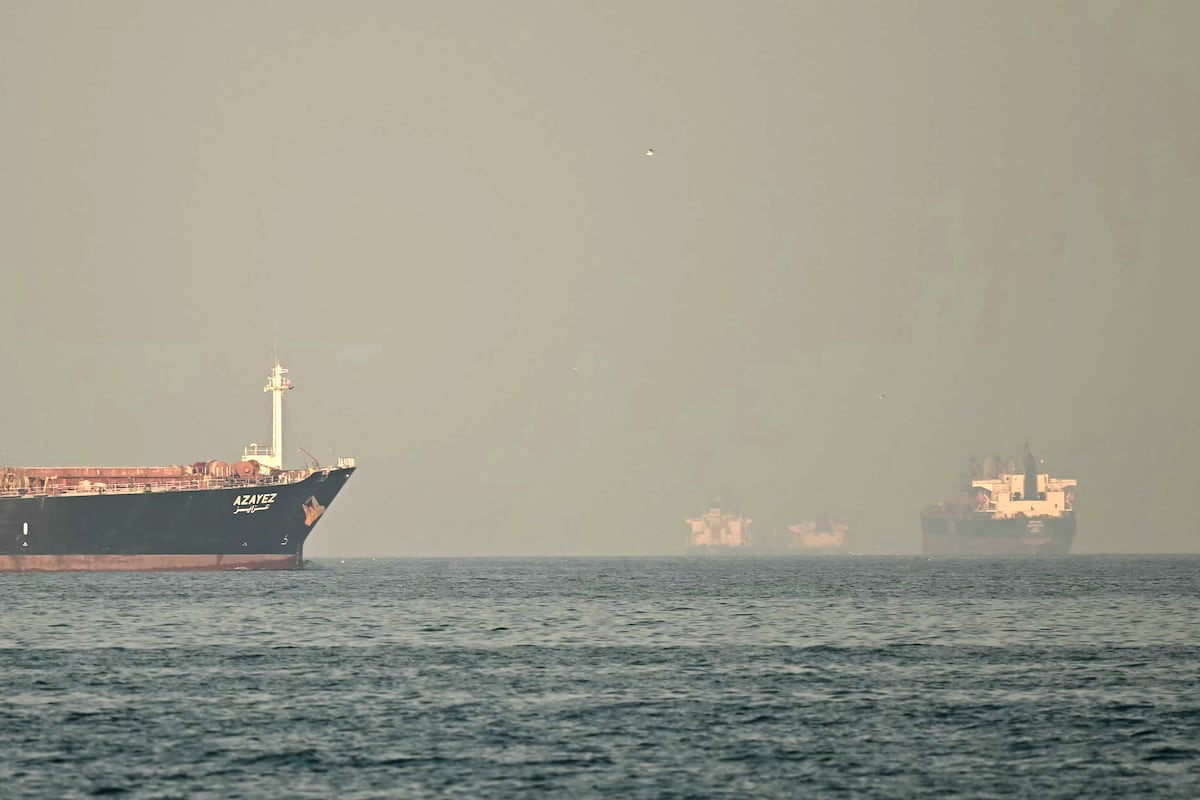
PARIS — European NATO allies pushed back against demands by U.S. President Donald Trump to help reopen the Strait of Hormuz by force, weeks after Iran shut down the majority of shipping through the critical trade artery in response to the American-Israeli war against the country.
British Prime Minister Kier Starmer said on Monday the United Kingdom “will not be drawn into the wider war,” while German Defence Minister Boris Pistorius said “this is not our war.” Kaja Kallas, the European Union’s foreign policy chief, said member states have no appetite to expand their maritime-security operation in the Red Sea to the Strait of Hormuz, the gateway to the Persian Gulf.
Iran declared the strait closed to traffic on March 2, following the start of strikes against the country by the U.S. and Israel two days earlier. While saying the U.S. doesn’t need anyone’s help, Trump has simultaneously called on allies to aid in securing navigation in the waterway, reportedly going as far as to threaten consequences for the NATO alliance if European countries reject those demands.
“The feeling is, this is not Europe’s war,” Kallas told Reuters in an interview on Tuesday. “Of course we are allies with America, but we don’t really understand their moves recently. We haven’t been consulted, and we don’t really understand, what are the objectives of this war.”
The EU’s foreign-policy chief said there is no willingness on the part of member states to change the mandate of the bloc’s Aspides naval mission, tasked with securing navigation in the Red Sea, and “nobody is ready to put their people in harm’s way in the Strait of Hormuz.”
Iran has attacked more than a dozen commercial vessels with drones, missiles and small boats in the strait since the start of the conflict, while multiple media reported the country has started laying sea mines, citing U.S. intelligence. The Strait of Hormuz is relatively narrow, around 50 kilometers wide at some points, well inside the range of Iranian coastal attacks.
Around 20% of the world’s oil consumption transits via the waterway, and Brent crude oil futures have jumped to more than $100 a barrel following the closure, causing anxiety among economists and policymakers about the impact on the global economy.
Trump in recent days explicitly linked U.S. involvement in NATO and support to Ukraine to the efforts by allies with what he called “a very small endeavor, which is just keeping the Strait open.” The president on Sunday told the Financial Times that “if there’s no response or if it’s a negative response I think it will be very bad for the future of NATO.”
French President Emmanuel Macron has said he is working on a mission of European and non-European partners to escort shipping to “gradually” reopen the waterway, but only once the hottest phase of the conflict is over.
Setting up a mission of warships accompanying tankers through the dangerous passage would be a “complex undertaking,” requiring collaboration with “all stakeholders in the maritime transport sector,” including insurers, Macron said at defense Cabinet meeting here today.
“We are not a party to the conflict,” Macron said. “And so France will never take part in operations to open or liberate the Strait of Hormuz in the current context.”
France has sent around half of its fleet of major surface combatants, including the aircraft carrier Charles de Gaulle, to the Middle East to protect navigation, French citizens and allies in the region, though the country has emphasized the deployment is strictly defensive in nature.
Germany’s primary responsibility is towards NATO territory, and any deployment outside the alliance area would require both an international framework and a mandate from the Bundestag, the country’s parliament, Pistorius said in Berlin on Monday. The defense minister said he sees “no reason whatsoever” for such a move, saying “it is not our war, we did not start it.”
Germany is calling for diplomatic solutions and a swift end to the conflict, and more warships will likely not contribute to that, according to Pistorius.
“What does Donald Trump expect from, let’s say, a handful or two handfuls of European frigates in the Strait of Hormuz to accomplish what the powerful U.S. Navy cannot manage there on its own?” Pistorius said. “That’s the question I ask myself.”
The U.K. will defend itself and allies, but will not be drawn into the wider war, Starmer said on Monday . He said the country is in talks with allies, including European partners and Gulf states, on a viable collective plan to restore freedom of navigation as soon as possible, to ensure stability in the market and ease the economic impacts, emphasizing no decisions have been made.
Starmer said ultimately the Strait of Hormuz will need to be reopened, “not a simple task.” U.K. assets in the region that could help with reopening the strait are autonomous mine-hunting systems, according to the prime minister.
Smaller NATO allies have also been keen to keep their distance from the conflict, with Norwegian Prime Minister Jonas Gahr Støre saying on Sunday that “it is not our war,” with the outlook for how the conflict will develop “pretty unclear.”
“We are not part of this war, we did not initiate it, but we are all affected by it,” Gahr Støre said. “It should be the responsibility of the concerned parties to find ways of ending the hostilities that now have great impact around the world.”
Finland’s President Alexander Stubb responded positively to a suggestion that Europe could make demands on the U.S. regarding Ukraine, in exchange for assistance in the Gulf.
“I think it’s actually a really good idea,” Stubb said at a Chatham House meeting in London on Tuesday, in response to an audience question. “I’ll talk about it with my colleagues.”
Rudy Ruitenberg is a Europe correspondent for Defense News. He started his career at Bloomberg News and has experience reporting on technology, commodity markets and politics.
巴黎——在伊朗因美国和以色列对伊朗发动战争而关闭了霍尔木兹海峡大部分航运数周后,美国总统唐纳德·特朗普要求以武力帮助重新开放霍尔木兹海峡,欧洲北约盟国对此予以抵制。
英国首相基尔·斯塔默周一表示,英国“不会被卷入这场更广泛的战争”,而德国国防部长鲍里斯·皮斯托瑞斯则表示“这不是我们的战争”。欧盟外交政策负责人卡娅·卡拉斯表示,成员国无意将红海海上安全行动扩大到霍尔木兹海峡——波斯湾的门户。
3月2日,伊朗宣布关闭霍尔木兹海峡,此前两天,美国和以色列对伊朗发动了空袭。特朗普一方面声称美国不需要任何人的帮助,另一方面又呼吁盟友协助确保该水道的航行安全,据报道,他甚至威胁说,如果欧洲国家拒绝这些要求,北约联盟将面临后果。
卡拉斯周二接受路透社采访时表示:“感觉上,这不是欧洲的战争。当然,我们是美国的盟友,但我们并不真正理解他们近期的举动。我们没有被征询意见,我们也不真正了解这场战争的目标是什么。”
欧盟外交政策负责人表示,成员国都不愿意改变欧盟“阿斯皮德斯”号海军特遣队的授权,该特遣队的任务是确保红海航行安全,“没有人愿意让自己的人民在霍尔木兹海峡身处险境”。
自冲突爆发以来,伊朗已在霍尔木兹海峡使用无人机、导弹和小艇袭击了十几艘商船。多家媒体援引美国情报报道称,伊朗已开始布设水雷。霍尔木兹海峡相对狭窄,部分地段宽度仅约50公里,完全在伊朗海岸袭击的射程之内。
全球约 20% 的石油消费量通过该水道运输,布伦特原油期货价格在航道关闭后飙升至每桶 100 美元以上,引发经济学家和政策制定者对全球经济影响的担忧。
特朗普近日明确表示,美国参与北约以及对乌克兰的支持与盟国的努力——他称之为“一项非常小的努力,仅仅是保持霍尔木兹海峡畅通”——密切相关。周日,特朗普告诉《金融时报》,“如果没有回应,或者回应是负面的,我认为这对北约的未来将非常不利。”
法国总统埃马纽埃尔·马克龙表示,他正在与欧洲和非欧洲伙伴合作,护送船只“逐步”重新开放这条水道,但前提是冲突最激烈的阶段已经结束。
马克龙今天在国防内阁会议上表示,安排军舰护送油轮通过危险航道将是一项“复杂的任务”,需要与“海运业的所有利益相关者”,包括保险公司合作。
马克龙说:“我们并非冲突一方。因此,在目前情况下,法国绝不会参与任何打通或解放霍尔木兹海峡的行动。”
法国已将其约一半的主力水面作战舰艇(包括“戴高乐”号航空母舰)派往中东,以保护该地区的航行安全、法国公民和盟友的安全。不过,法国强调此次部署完全是防御性质的。
德国国防部长皮斯托里乌斯周一在柏林表示,德国的首要责任是维护北约领土的安全,任何在北约区域外的部署都需要国际框架和德国联邦议院(德国议会)的授权。这位国防部长表示,他认为“没有任何理由”采取这样的行动,并称“这不是我们的战争,我们也没有挑起战争”。
皮斯托里乌斯表示,德国呼吁通过外交途径解决冲突并迅速结束冲突,而增派军舰可能无助于实现这一目标。
皮斯托瑞斯说:“唐纳德·特朗普究竟指望霍尔木兹海峡上区区一两艘欧洲护卫舰能做到什么程度,才能完成强大的美国海军独自无法完成的事情?这也是我一直在问自己的问题。”
英国首相斯塔默周一表示,英国将捍卫自身及其盟友,但不会卷入更广泛的战争。他表示,英国正与包括欧洲伙伴和海湾国家在内的盟友就一项切实可行的集体计划进行磋商,以尽快恢复航行自由,确保市场稳定并缓解经济冲击。他强调,目前尚未做出任何决定。
斯塔默表示,霍尔木兹海峡最终需要重新开放,“这并非易事”。据首相称,英国在该地区的资产,例如自主扫雷系统,可以帮助重新开放海峡。
北约较小的盟国也一直热衷于与这场冲突保持距离。挪威首相乔纳斯·加尔·斯特勒周日表示,“这不是我们的战争”,而且这场冲突将如何发展的前景“相当不明朗”。
“我们并非这场战争的参与者,也并非战争的挑起者,但我们都深受其影响,”加尔·斯特勒说道。“有关各方应承担起责任,找到结束这场如今对世界造成巨大影响的敌对行动的途径。”
芬兰总统亚历山大·斯图布对欧洲可以就乌克兰问题向美国提出要求,以换取美国在海湾地区的援助这一建议做出了积极回应。
“我认为这确实是个非常好的主意,”斯塔布周二在伦敦查塔姆研究所的一次会议上回答听众提问时说。“我会和我的同事们讨论一下。”
鲁迪·鲁伊滕贝格是《防务新闻》的欧洲记者。他的职业生涯始于彭博新闻社,拥有报道科技、大宗商品市场和政治方面的经验。