EU-wide weapon buying boosts bloc’s defense spending to record in 2023欧盟范围内的武器采购将使欧盟2023年的国防开支创下历史新高
European Union countries increased defense spending by 10% to a record €279 billion ($293 billion) last year, according to the European Defence Agency.
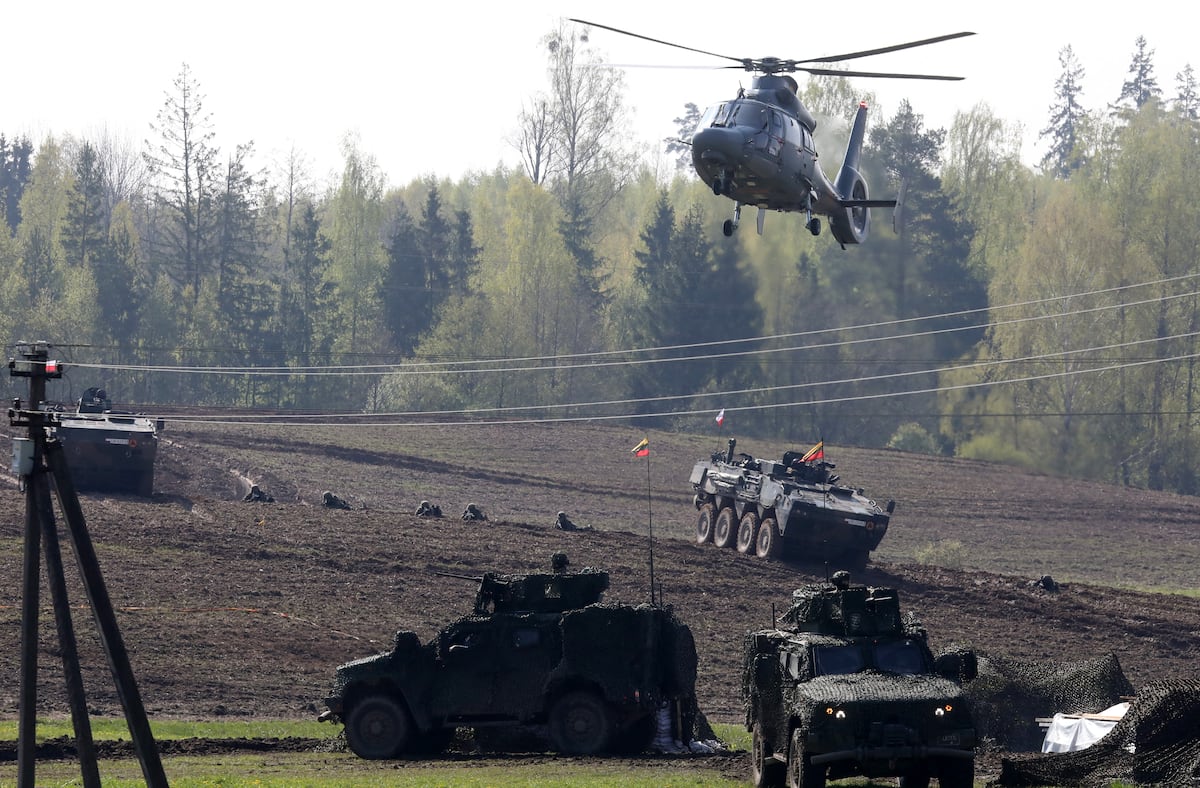
PARIS — European Union countries increased defense spending by 10% to a record €279 billion ($293 billion) last year, with the share of budgets spent on new equipment rising to the highest since the start of data collection almost two decades ago, the European Defence Agency reported.
The EU’s 27 member states together spent €72 billion on defense investments, or 26% of their total expenditure, the EDA said in a report published Wednesday . Most of that money went into development and procurement, with spending on new weapons, systems and equipment rising 19% from a year earlier to around €61 billion.
EU defense expenditure is projected to rise again in 2024, reaching €326 billion, with defense investments accounting for a record 31% share of total spending. Procurement spending could increase to more than €90 billion this year, according to the agency.
Member states are bolstering military capabilities in response to Russia’s war of aggression against Ukraine, EDA said. EU countries Increased weapon purchases to replenish stocks depleted by providing military aid to Ukraine, address capability gaps and increase preparedness for high-intensity conflict.
“The return of full-scale war to Europe and efforts by member states to strengthen their military capabilities led to a noticeable jump in defense spending in 2023,” the EU agency said.
Total EU defense spending rose for a ninth year and is up by almost €100 billion from 2014, when the budget for defense hit a low, after several years of cuts in the wake of the 2008 financial crisis.
The urge to swiftly address capacity shortfalls through buying of commercial off-the-shelf equipment may have caused a temporary slowdown last year of common European procurement, which is seen as complex and time-consuming, according to the EDA.
“The European Union is making strides in defense investments, spurred by the urgency of the threats we face,” EDA Chief Executive Jiří Šedivý in a statement. “Still, a large proportion is spent on off-the-shelf equipment from outside the EU, highlighting the need to fortify the European defense technological and industrial base.”
Eight EU countries met the NATO benchmark of spending at least 2% of GDP on defense in 2023, according to the report. Poland was the top spender by share of its economy, followed by Estonia, Latvia, Greece, Lithuania and Finland.
Twenty member states reached a benchmark of 20% of defense expenditure going to investment, led by Luxembourg with 59%, Estonia with 46%, as well as Finland and Poland, which both dedicating 45% of their spending on investment.
EU spending on defense R&D rose to €11 billion in 2023 and is forecast to reach €13 billion this year. While R&D spending has more than doubled from a low in 2016, the EU is behind China, which may have spent the equivalent of €21 billion on defense R&D last year, as well as the U.S., which spent around €129 billion on R&D, testing and evaluation, according to the report.
“I welcome rising research spending,” Šedivý said. “But Europe lags behind the United States and China in defense research and technology investment.”
Two EU countries account for more than 80% of defense research and technology spending, with many member states still failing to reach a benchmark to spend 2% of their defense expenditure on research and technology. The EDA report didn’t identify the two top spenders.
Rudy Ruitenberg is a Europe correspondent for Defense News. He started his career at Bloomberg News and has experience reporting on technology, commodity markets and politics.
巴黎——欧洲防务局报告称,欧盟国家去年国防开支增长了 10%,达到创纪录的 2790 亿欧元(2930 亿美元),用于购置新装备的预算比例上升到近 20 年前开始收集数据以来的最高水平。
欧洲防务局(EDA)周三发布的一份报告显示,欧盟27个成员国共计在国防投资上花费了720亿欧元,占其总支出的26%。其中大部分资金用于研发和采购,用于新型武器、系统和装备的支出较上年增长19%,达到约610亿欧元。
欧盟国防开支预计将在2024年再次增长,达到3260亿欧元,国防投资占总支出的比例将创历史新高,达到31%。据该机构预测,今年的采购支出可能超过900亿欧元。
欧洲防务局表示,为应对俄罗斯对乌克兰的侵略战争,成员国正在加强军事能力。欧盟各国增加了武器采购,以补充因向乌克兰提供军事援助而消耗的库存,弥补能力缺口,并提高应对高强度冲突的准备程度。
欧盟机构表示:“欧洲全面战争的回归以及成员国为加强军事能力所做的努力,导致2023年国防开支显著增长。”
欧盟国防总支出连续第九年增长,比 2014 年增加了近 1000 亿欧元。2014 年,在经历了 2008 年金融危机后的几年削减之后,国防预算跌至谷底。
欧洲防务局 (EDA) 表示,去年欧洲普遍采购因被视为复杂且耗时而暂时放缓,这或许是因为急于通过购买现成的商用设备来迅速解决产能不足的问题。
欧洲防务局局长伊日·谢迪维在一份声明中表示:“受我们所面临威胁的紧迫性推动,欧盟正在加大国防投资力度。然而,很大一部分资金仍然用于购买欧盟以外的现成装备,这凸显了加强欧洲国防技术和工业基础的必要性。”
报告显示,2023年,欧盟有八个国家达到了北约设定的国防开支占GDP至少2%的标准。波兰是国防开支占经济总量比例最高的国家,其次是爱沙尼亚、拉脱维亚、希腊、立陶宛和芬兰。
20 个成员国达到了国防开支 20% 用于投资的基准,其中卢森堡以 59% 的比例位居榜首,爱沙尼亚以 46% 的比例位居第二,芬兰和波兰均将 45% 的开支用于投资。
欧盟国防研发支出在2023年增至110亿欧元,预计今年将达到130亿欧元。虽然研发支出较2016年的低点增长了一倍多,但欧盟仍落后于中国(去年国防研发支出可能相当于210亿欧元)和美国(研发、测试和评估支出约为1290亿欧元)。
“我欢迎研发投入的增长,”谢迪维说。“但欧洲在国防研究和技术投资方面落后于美国和中国。”
欧盟有两个国家的国防研发和技术支出占全球总额的80%以上,而许多成员国仍未能达到将国防开支的2%用于研发和技术的基准。欧洲防务局的报告并未指明这两个支出最高的国家。
鲁迪·鲁伊滕贝格是《防务新闻》的欧洲记者。他的职业生涯始于彭博新闻社,拥有报道科技、大宗商品市场和政治方面的经验。