Election Commission member derails PM Anutin Charnvirakul’s efforts to put senate election in the past选举委员会成员阻挠总理阿努廷·查恩维拉库尔将参议院选举尘埃落定的努力
Sitthichot blows the Senate scandal open, revealing a 5–2 EC split over clearing Anutin and other political heavyweights. He cites voting lists, phone records, money… Read More ›
新闻视频
September 16, 2026 at 12:46 am
by James Morris and Son Nguyen
in Living , Media , Politics , Thailand
Whatever hopes the Bhumjaithai-led government had of burying the 2024 Senate selection scandal took a heavy blow on Tuesday. Election Commissioner Sitthichot Intrawises revealed that two commissioners opposed clearing key political figures, including Prime Minister Anutin Charnvirakul. He then detailed evidence of suspected voting lists, political networks, phone contacts, money trails and a Bangkok hotel meeting. Sitthichot said the evidence, taken together, pointed to a wider coordinated operation. The disclosure came as a separate DSI investigation remains active and 77 cases head towards the Supreme Court.
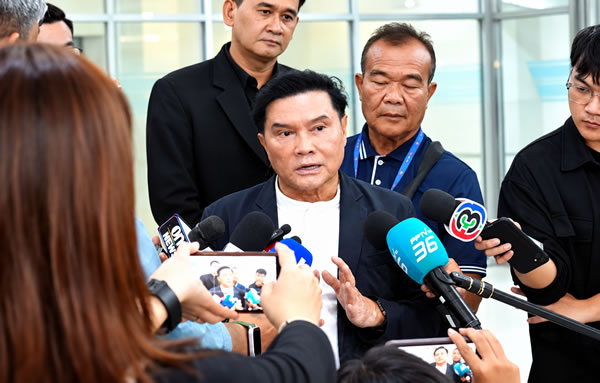
Election Commissioner Sitthichot Intrawises reveals a 5–2 split over clearing PM Anutin, citing voting lists, phone contacts and money trails. ( Source: Daily News )
Election Commissioner Sitthichot Intrawises has reopened the political front in Thailand’s 2024 Senate selection scandal. His intervention came one day after the Election Commission explained its ruling in the sprawling case.
Crucially, Mr Sitthichot revealed that key political figures were cleared by only five votes to two. He was one of two commissioners who wanted proceedings to continue. Fellow Election Commissioner Chai Nakornchai was the other dissenter.
The disclosure strikes at efforts to put the political side of the Senate scandal to bed. Prime Minister Anutin Charnvirakul escaped referral following the EC investigation. Influential Bhumjaithai Party figure Newin Chidchob also escaped proceedings under the Commission’s ruling. Yet the decisions concerning important political figures were not unanimous. Two members of the seven-member Commission reached the opposite conclusion from the majority.
Two EC dissenters say combined evidence justified proceedings as DSI and Supreme Court cases continue
Notably, both dissenters considered the combined evidence strong enough to justify court proceedings. Mr Sitthichot has now publicly explained what convinced them. The evidence included suspected voting lists, provincial meetings, telephone contacts and financial trails. It also included witness statements, political connections and a Bangkok hotel meeting involving newly selected senators.
Meanwhile, the wider Senate scandal remains active on several legal fronts. The Department of Special Investigation continues investigating aspects of the affair. Separately, the EC has referred 77 people towards proceedings before the Supreme Court. They include 26 serving senators. However, every political figure accused of assisting candidates escaped referral.
As a result, Mr Sitthichot’s intervention puts the Commission’s handling of those political cases under renewed scrutiny. It also exposes a sharp disagreement over evidence inside the EC. Nonetheless, he denied that the disagreement amounted to factionalism. Commissioners had simply reached different conclusions after examining the facts, he said.
Even so, the difference was substantial. Two commissioners believed allegations concerning key political figures were substantiated. Five commissioners disagreed. In other cases, Mr Sitthichot said complaints were dismissed by six votes to one. By comparison, executive committee members considered completely uninvolved were cleared unanimously.
For that reason, Mr Sitthichot said the voting figures mattered. He wanted people to understand that important political decisions were not unanimous. His intervention followed Monday’s announcement by EC Chairman Narong Klanwarin. Before that press conference, commissioners discussed how their decisions should be presented.
Sitthichot names minority voices and details 12 suspected voting lists found across several provinces
According to Mr Sitthichot, commissioners agreed that each accusation should be addressed in detail. They also agreed that voting outcomes should be made clear. He compared the proposed format with statements explaining Constitutional Court decisions. Still, commissioners saw no requirement to identify individual majority and minority members.
Mr Sitthichot has now removed that anonymity himself. He confirmed that he and Mr Chai formed the minority in crucial political cases. More significantly, he detailed the evidence which persuaded them. Their case stretched across several provinces and involved different strands of evidence.
First, investigators uncovered suspected coordinated voting lists across the country. Meetings were held in several provinces where such lists were prepared, Mr Sitthichot said. Locations included Nakhon Si Thammarat, Phuket and Nong Bua Lamphu. Uthai Thani, Nakhon Sawan and Sukhothai were also identified.
Altogether, Mr Sitthichot referred to 12 suspected voting lists. The numbers appearing on them became important to the minority’s assessment. Candidates eventually ranked first through seventh matched numbers appearing on the lists, he said. People responsible for preparing voting lists had already faced punishment.
Accordingly, Mr Sitthichot considered their preparation important evidence of electoral wrongdoing. He said the conduct could fall under criminal offences contained in Section 77(1). The minority, though, did not depend upon the voting lists alone. Its assessment also examined who was connected with activity in the provinces.
Minority links provincial voting activity to one political party as witness accounts match events locally
In particular, Mr Sitthichot said those provincial connections repeatedly led towards one political party. He said no other political party appeared in the network examined by the minority. Instead, the people involved were party members or people associated with it.
“Every area is connected to only one political party; no other party is involved. Everyone is a member of or associated with the party.”
Beyond that, witness statements described instructions passing through political networks. Witnesses said MPs or party personnel received responsibilities in particular areas. The minority then compared those accounts with what subsequently happened. Mr Sitthichot said he did not simply accept statements because witnesses made them.
Rather, he examined whether the events described by witnesses later occurred. Where their accounts corresponded with actual events, he considered the testimony credible. That approach connected witness evidence with activity on the ground. It also became central to the minority’s assessment of the wider case.
“I don’t trust the individuals themselves, but rather I trust whether their words were followed and actually happened. If it can be proven that they did, then it is credible.”
In parallel, telephone records added another layer. Mr Sitthichot said genuine contacts existed between witnesses and political figures. Those contacts included party members, executive committee members and MPs. The telephone information was also documented in the investigation file.
Telephone contacts link witnesses and political figures as case files add another layer to minority view
Financial evidence provided another strand. Mr Sitthichot referred to money trails connecting people examined during the investigation. Investigators also uncovered cash transactions. Importantly, some financial connections to politicians did not originate directly from the politicians themselves. Instead, they involved people around them.
One financial trail involved money moving from Prachuap Khiri Khan to Surat Thani. Commissioners were divided over whether that connection should be accepted. The vote was four to three against accepting it. Consequently, that particular connection was not pursued further by the Commission. Mr Sitthichot disagreed with the decision.
On another front, investigators examined events after the Senate selection results were announced. A meeting involving newly selected senators was held at a Bangkok hotel on July 21, 2024. The gathering became significant in the minority’s assessment. A witness subsequently gave evidence concerning what happened there.
That witness had served as an MP’s secretary and previously worked in a minister’s office. According to the testimony, the meeting concerned the leadership of the newly selected Senate. The positions of Senate president and vice-president were discussed. Mobile phones were also confiscated during the gathering.
Money trails, cash transfers and Bangkok hotel meeting deepen minority case over Senate selection affair
More strikingly, an important party figure was seen leaving the meeting, according to Mr Sitthichot’s account. Evidence also indicated the party leader may have been present. However, that person may have been in another room. Telephone contacts involving some ministers during the Senate selection period were also examined.
Taken together, Mr Sitthichot said those communications were consistent with other evidence in the case. The minority therefore considered the material supportive of suspected vote collusion. Former senator Direk Pornsima also provided corroborating testimony.
Later, however, parts of the witness evidence became disputed. Some witnesses withdrew or changed earlier statements. Claims followed that intimidation had influenced their original testimony. Mr Sitthichot questioned those explanations.
One witness was an MP. Another was the father-in-law of the leader of a major political party. Mr Sitthichot questioned who could have intimidated people holding such positions. He also highlighted the timing of their changed evidence.
The retractions were submitted to the 36th subcommittee on October 30, 2025. That was considerably later than the original testimony. Hence, Mr Sitthichot considered the circumstances surrounding those retractions suspicious.
Party figure seen leaving Bangkok meeting as disputed witness retractions add to minority evidence picture
For the minority, the central issue was how these strands fitted together. Mr Sitthichot used an elephant analogy to explain that approach. Individual pieces could be disputed or incomplete. The combined evidence, he argued, still revealed the complete picture.
“When all the suspicious points are considered together, it’s like looking at the whole elephant. We know the real elephant is here; the other minor details are wrong, but the whole elephant is here.”
On that basis, the minority concluded that allegations one and two were substantiated. Those allegations concerned party personnel, executive committee members and MPs. Mr Sitthichot and Mr Chai therefore favoured proceedings against key individuals. The five-member majority reached the opposite conclusion.
Elsewhere in the case, different accused people received different decisions. Some political figures were cleared by six votes to one. Executive committee members considered entirely uninvolved were cleared unanimously. Conversely, some findings against other accused people were unanimous because the evidence was particularly clear.
Mr Sitthichot cited witness testimony and forensic evidence in those cases. He also pointed to telephone records and financial trails. The Commission’s voting therefore varied considerably across different parts of the investigation.
Minority says evidence showed the whole elephant as five-member majority cleared key political figures
Among serving senators, the voting was similarly divided. Some groups were decided by four votes to three, according to Mr Sitthichot. Cases involving voters with clear financial connections produced unanimous findings. Thus, commissioners repeatedly differed over how far particular evidence could be taken.
The commissioner’s account also revealed problems encountered during the original investigation. He explained why the EC eventually established its 26th investigative committee. Initially, local investigators reached a barrier at the district level.
Candidates repeatedly gave essentially identical explanations for entering the Senate selection. They said they had applied independently and personally paid their expenses. They also claimed they chose stronger candidates instead of voting for themselves.
Yet Mr Sitthichot noted the financial circumstances of some applicants. Some were employees. Others were struggling to make ends meet. Despite that, local EC investigators could not advance the inquiry beyond those explanations.
As part of the response, the Commission sought outside investigative assistance. The Department of Special Investigation became involved. Regional investigative police also joined the work. That cooperation eventually led to the establishment of the 26th working group.
Thereafter, investigators assembled a much broader evidential picture. They obtained telephone information and financial records. They gathered witness statements and evidence concerning meetings. Suspected voting lists from several provinces were also examined.
Split votes among senators emerge as stalled district inquiries brought DSI and police into investigation
The resulting investigation eventually covered 229 people. They included 138 serving senators and another 91 people. The second group included politicians, former candidates and others connected with the selection.
Monday’s EC ruling, by contrast, referred only 77 people towards court proceedings. Just 26 were serving senators. None of the accused political figures was referred. That outcome separated the political allegations from cases now heading towards the Supreme Court.
Mr Sitthichot’s intervention reveals how narrowly some political decisions were reached. For key individuals, the margin was five votes to two. The rejection therefore represented a majority judgment, rather than agreement across the Commission.
Meanwhile, the wider affair remains active outside the EC. The DSI investigation has not ended. Supreme Court proceedings are also forthcoming for people referred by the Commission. Parts of the Senate scandal therefore remain under active investigation or judicial consideration.
At Commission level, however, Mr Sitthichot said the case file was complete. He cannot now change the majority decision publicly. The Supreme Court nevertheless retains discretion over evidence in cases reaching it. Mr Sitthichot said the court could call for further evidence.
EC probe covered 229 people but only 77 face court as political figures escape referral after split votes
In addition, an aggrieved party could petition the court seeking further judicial consideration. That leaves the judicial process separate from the Commission’s completed deliberations.
Another pressure point concerns possible Section 157 action against Election Commission members. The provision concerns wrongful exercise or neglect of official duties. Mr Sitthichot said he was not worried about facing such proceedings.
In response, he pointed to his written reasoning and the evidence supporting his vote. He said his explanation had been prepared in a legally reasoned form. He compared it with a concise court ruling. If challenged, he said he was prepared to defend his decision.
“This matter is guided by opinion. If it’s considered valid, then it must be that way, regardless of which side it benefits.”
Mr Sitthichot also acknowledged the political perceptions surrounding the majority decision.
“But since the majority sees it this way and it benefits one side, people can perceive it that way. However, please focus on the reasoning behind the decision.”
He then defended the professional motives of commissioners despite their different conclusions.
“People at the Election Commission level are in the final stages of their careers; everyone wants to do good for the country. The answer should lie in the reasoning.”
Section 157 pressure grows as Sitthichot says his written reasoning can withstand any legal challenge
The disclosure has now placed the EC’s internal voting directly into the public record. The same seven commissioners examined the underlying investigation. They differed sharply over whether the combined evidence justified proceedings against key political figures.
Mr Sitthichot and Mr Chai concluded that it did. Five commissioners concluded otherwise. Even then, Mr Sitthichot insisted the disagreement did not represent an institutional rupture.
According to him, commissioners could separate personal relationships from their assessment of evidence. Different findings therefore reflected different judgments concerning the facts. Those judgments, however, are now public.
Separately, Mr Sitthichot addressed claims concerning the EC’s role in collecting suspected voting lists. He denied that Election Commission members had participated in collecting them. Commissioners nevertheless knew that a process of collecting voting lists had occurred.
“Regarding the rumours that the Election Commission participated in collecting voting slips, I confirm that we did not participate in that process.”
He said the status of the lists remained subject to evidential assessment.
EC voting split enters public record as Sitthichot denies commissioners helped collect suspected lists
“However, everyone knew that there was a process of collecting voting slips, which has not yet been proven to be collusion slips or memorized notes.”
Above all, Mr Sitthichot said he spoke because the public needed an accurate account of the Commission’s decision.
“I am speaking out today simply to ensure the public understands correctly that the decision was not unanimous.”
The Election Commission has since issued another statement identifying majority and minority voting proportions for individual allegations. The five-to-two division is therefore no longer obscured by the Commission’s collective ruling.
Politically, the disclosure comes at a sensitive moment for the Bhumjaithai-led government. Prime Minister Anutin was among senior political figures who escaped referral. Newin Chidchob likewise escaped proceedings under the EC ruling.
Nevertheless, two commissioners examining the case wanted proceedings against key political figures to continue. Their position was based on the combined evidence contained in the investigation. Mr Sitthichot has now laid much of that reasoning before the public.
Sitthichot says public must know ruling was divided as Anutin and Newin escaped referral by EC majority
The minority evidence included 12 suspected coordinated voting lists. Candidate numbers on those lists matched people subsequently ranked first through seventh, Mr Sitthichot said. The investigation also found meetings across several provinces.
Additionally, witnesses described assignments involving MPs or party personnel. Telephone records showed contacts involving witnesses and political figures. Financial trails and cash transactions added another layer.
The July 21 Bangkok hotel meeting provided another important element. Newly selected senators gathered there to discuss Senate leadership, according to testimony. Mobile phones were confiscated. An important party figure was seen leaving.
Furthermore, evidence suggested a party leader may have been present elsewhere in the hotel. Telephone contacts involving ministers during the selection period were also examined. The minority regarded these separate elements as mutually reinforcing.
Against that background, disputed witness retractions became another issue. Mr Sitthichot questioned both their credibility and timing. One came from an MP. Another involved the father-in-law of a major party leader.
The minority therefore assessed the evidence as a connected national picture. The majority rejected that conclusion for key political figures. That difference now sits at the centre of the continuing dispute.
Minority evidence links voting lists, party networks, hotel meetings and phone contacts across the country
In practical terms, the EC majority ruling remains in force. The 77 referred cases will proceed towards the Supreme Court. The separate DSI investigation remains active.
The political cases rejected by the EC majority are in a different position. Yet Mr Sitthichot’s disclosure establishes that their rejection was contested inside the Commission.
It also comes as the Commission faces questions about its independence following the politically sensitive ruling. Those questions now accompany continuing DSI work and forthcoming Supreme Court proceedings.
Mr Sitthichot, for his part, remains unequivocal about his vote. He said his conclusion followed the evidence and his assessment of the law. He has documented his reasons and says he will defend them if challenged.
Ultimately, the central voting fact is now clear. Two commissioners wanted proceedings against key political figures. Five commissioners did not.
One of those two dissenters has now stepped forward. He has identified the other. More importantly, he has publicly detailed the evidence which convinced them both.
Election Commission exposed based on Monday’s sweeping decisions and judgments warns opposition
Election Commission creates more questions than answers as it refers 77 people to the Supreme Court
Gauntlet thrown down to the Election Commission before it votes on explosive Senate collusion scandal cases
Ex Pheu Thai minister warns Commission members that soon they could be judged as crunch vote looms
Former Prime Minister and Democrat Party leader cites a lack of public trust in the Election Commission
Abhisit shifts to active support for opposition’s efforts to expose massive collusion in 2024 Senate election
Showdown on the Senate election collusion case in August as Election Commission set to finally decide
New front for Prime Minister Anutin and Bhumjaithai Party with lawsuits over Senate election allegations
Opposition and witnesses call for Senate collusion case to go to court as Election Commission decides on huge case
New evidence of a vast conspiracy behind the 2024 Senate election as former officials file police report
Powerful video evidence raises the stakes for under fire Election Commission in Senate collusion call
Opposition and People’s Party leader attacks ‘blue regime’ on the 12th anniversary of the 2014 coup
Thammasat University legal scholar and 1992 protest leader warns another coup cannot be ruled out
Government in peril over the coming weeks with Constitutional Court petition over Senate collusion conspiracy
James Morris is a pename for an international writer based in Bangkok who works on various international news media. He is a sub editor with the Thai Examiner news website since it began in 2015. Son Nguyen is an international writer and news commentator specialising in Thai news and current affairs. He commenced working with the Thai Examiner News Desk in May 2018.
All posts by James Morris and Son Nguyen
Former Ayutthaya abbot and his mistress sent to jail as court denies them bail as police probe finances September 12, 2026 Sex, cash and gold engulf a royal Ayutthaya temple as
Rising concerns in tourist hotspots about unruly tourists from Middle Eastern countries refusing to pay September 12, 2026 Foreign tourist mocks a Phuket motorcycle rider and
American wanted for sex offences against female minors arrested at Chiang Mai Buddhist retreat September 11, 2026 Thai police infiltrate a Chiang Mai meditation retreat
PM Anutin’s mission to Oslo to represent Thailand at the funeral of King Harald V amid budget scrutiny by the opposition September 11, 2026 Royal mission puts Anutin among monarchs and world
Bank of Thailand warns economic potential is falling with a severe crisis in the small business sector September 11, 2026 Thailand faces a widening economic split as exports
Masked man stages armed robbery in Pathum Thani netting 1.5 million baht before torching getaway car September 10, 2026 Gunman seals six people inside a Talat Thai bank,
Police officer bursts into tears as he surrenders to police led by son a day after murdering his wife September 10, 2026 Kindergarten killing ends in a dramatic dawn surrender
Court denies mercy to savage killer who bludgeoned a hotel worker to death in a drug crazed robbery in Hua Hin September 9, 2026 Death for Hua Hin hotel killer Rattikorn “Sam”
Summonses and criminal charges considered by DSI in probe into substantial Israeli network in Pattaya September 9, 2026 Israeli businessman Maimon David Marsiano faces a DSI
Dutch man entered into a mediated settlement after assaulting a young Thai woman at a Koh Samui bar September 9, 2026 CCTV catches a Dutch man repeatedly striking a Thai
French man held at Koh Samui Police Station as deportation process begins. Israeli moved to Bo Phut September 9, 2026 Kevin Dimino is behind bars on Koh Samui after PM
Local government exam scandal hints at systemic nationwide corruption even extending to ministerial level September 8, 2026 Pakamon blows open a new front in Thailand’s exam
Government begins legal action against top Thai firms for 1.26 billion baht over key satellite concession September 8, 2026 Thailand races to pursue Thaicom and Gulf for
Indian tourist severely injured but coherent after early morning fall last Friday from his Pattaya hotel September 8, 2026 Indian tourist Abhishek Jagannath Kunjir, 42, suffers
Israeli detained for deportation as PM signs order to deport now missing French zoo owner Kevin Dimino September 7, 2026 Frenchman Kevin Dimino disappears as immigration
US servicemen left behind a financial windfall in Pattaya but also a spirit of optimism and generosity September 7, 2026 Farewell Pattaya! USS Abraham Lincoln sails after
PM Anutin laughs off what political pundits see as rising threats to the stability of his government September 7, 2026 Anutin faces a gathering storm as Sondhi threatens
Commerce Minister Suphajee responds to Sondhi Limthongkul’s attack on new liberal investment rules September 12, 2026
Pressure movement against Israel in Thailand gains momentum as it combines with street protests September 12, 2026
Bank bandit arrested at a Bangkok resort. 54 year old Saifa Kasemut has a history of armed robbery crime September 12, 2026
Former Prime Minister and Democrat Party leader cites a lack of public trust in the Election Commission September 11, 2026
Foreign nominee companies down by 81.77% as government seizes or freezes assets of over 20 billion September 11, 2026
Ayutthaya abbot disrobes as top temple official is arrested by police who worked undercover for months September 10, 2026
Veteran protest leader and media boss Sondhi begins his street protest campaign at Israel’s Embassy September 10, 2026
Substantial US Thai trade deal ready to be finalised by a call between Anutin and Trump says Minister September 10, 2026
Pattaya police officer clinically executed his wife at a kindergarten and was later surrounded at home September 9, 2026
Thailand gets ready to enter the age of nuclear power with plans for two small modular reactors by 2037 September 9, 2026
Petrol and diesel rise as inflation for August comes in at 2.53%. However confidence is also seen rising September 9, 2026
Nationwide probe targeting over 36K foreigner linked firms with land and a further 7k which own condos September 8, 2026
Sex network boss arrested in shock police home raid on Sunday after probe exposed child porn racket September 8, 2026
Activist lawyer wants action on corruption which pilfers lottery revenue for the disabled for the rich September 8, 2026
Interior Ministry is now moving to enforce the law regarding Jewish burials and grave sites in Thailand September 7, 2026
Chaos still reigns at the NBTC as Chairman wins right to court review. Board members move to work on September 7, 2026
Vicious attack on UK man in Jomtien Pattaya leads to arrest of Thai man. 70 year old kicked in the face September 7, 2026
USS Abraham Lincoln departs Thailand after a special visit. Captain gave thanks for the very warm welcome September 6, 2026
Tourism sector starkly divided over 30 days visa from September 15th. Top tycoon says it’s a big mistake September 6, 2026
Missing Kanchanaburi mother found on southbound bus after 7 day northern stay shrouded in mystery September 6, 2026
Koh Samui Israeli expat the first to be deported under Prime Minister Anutin’s new deportation regime September 5, 2026
US Navy’s Pattaya visit is plain sailing with strong spending breeze. Chonburi governor hails it a success September 5, 2026
© 2026 Thai Examiner. All rights reserved.
2026年9月16日凌晨12:46
作者:詹姆斯·莫里斯和孙阮
在生活、媒体、政治、泰国
泰自豪党领导的政府原本希望掩盖2024年参议院选举丑闻,但周二的爆料令其希望遭受重创。选举委员会委员西提乔特·因特拉维斯透露,两名委员反对为包括总理阿努廷·查恩维拉库尔在内的关键政治人物洗清嫌疑。随后,他详细列举了可疑的投票名单、政治关系网、电话联系、资金流向以及在曼谷一家酒店举行的会议等证据。西提乔特表示,这些证据综合起来指向了一起范围更广的协同行动。与此同时,另一项由特别调查局(DSI)进行的调查仍在进行中,另有77起案件正准备提交最高法院审理。
选举委员会委员西提乔特·因特拉维斯透露,在是否应排除总理阿努廷的资格问题上,委员会以5比2的票数分歧,理由是选民名单、电话联系记录和资金流向等。(来源:《每日新闻》)
泰国选举委员会委员西提乔·因特拉维斯(Sitthichot Intrawises)重新开启了泰国2024年参议院选举丑闻的政治风暴。此前一天,选举委员会刚刚就这起错综复杂的案件作出裁决。
至关重要的是,西提乔特先生透露,一些关键政治人物仅以五比二的微弱优势获得通过。他是两名希望继续进行选举程序的委员之一。另一位持反对意见的委员是另一位选举委员柴纳空猜。
这一披露打击了试图平息参议院丑闻政治层面的努力。总理阿努廷·查恩维拉库尔在选举委员会调查后免于被移交调查。泰自豪党重要人物纽因·奇乔布也逃脱了委员会的制裁。然而,针对重要政治人物的决定并非一致通过。七人委员会中有两名成员得出了与多数成员相反的结论。
两名选举委员会持不同意见者表示,综合证据足以证明提起诉讼的合理性,而特别调查局和最高法院的案件仍在继续。
值得注意的是,两位持不同意见者都认为,综合所有证据足以提起诉讼。西提乔特先生现已公开解释了促使他们做出决定的原因。这些证据包括可疑的投票名单、省级会议记录、电话联系记录和资金流向。此外,还包括证人证词、政治关系以及新当选参议员在曼谷一家酒店举行的一次会议。
与此同时,参议院丑闻仍在多条法律线索上持续发酵。特别调查部继续调查该事件的各个方面。此外,选举委员会已将77人移交最高法院审理,其中包括26名现任参议员。然而,所有被指控协助候选人的政治人物均未被移交。
因此,西提乔特先生的介入使委员会对这些政治案件的处理方式再次受到审视。这也暴露了选举委员会内部在证据问题上的严重分歧。然而,他否认这种分歧是派系斗争。他说,委员们只是在审查事实后得出了不同的结论。
即便如此,差异仍然很大。两名委员认为针对关键政治人物的指控属实,而五名委员则持不同意见。西提乔特先生表示,在其他一些案件中,投诉以六比一的投票结果被驳回。相比之下,被认为完全没有牵涉其中的执行委员会成员则被一致宣告无罪。
因此,西提乔特先生表示,投票结果至关重要。他希望人们明白,重要的政治决策并非一致通过。此前,选举委员会主席纳隆·克兰瓦林于周一宣布了相关决定。在新闻发布会之前,委员们讨论了如何公布他们的决定。
Sittichot 列举了少数族裔的声音,并详细介绍了在多个省份发现的 12 份可疑投票名单。
据西提乔特先生称,委员们一致认为应详细回应每一项指控,并一致认为应明确公布投票结果。他将拟议的格式与解释宪法法院裁决的声明进行了比较。尽管如此,委员们认为没有必要指明多数派和少数派成员的具体身份。
西提乔特先生现已公开身份。他证实,他和柴先生在一些关键的政治案件中属于少数派。更重要的是,他详细阐述了说服他们的证据。他们的案件涉及多个省份,并牵涉到多方面的证据。
首先,调查人员在全国各地发现了疑似协同制作的投票名单。西提乔特先生表示,这些名单是在多个府召开的会议中拟定的。地点包括那空是贪玛叻府、普吉府和侬磨兰普府。乌泰他尼府、那空沙旺府和素可泰府也被列入调查范围。
西提乔特先生总共提到了12份可疑的投票名单。名单上的数字对少数派的评估至关重要。他说,最终排名第一至第七的候选人与名单上的数字相符。负责编制投票名单的人员已经受到了惩罚。
因此,西提乔特先生认为这些重要的准备工作是选举舞弊的证据。他表示,这种行为可能构成《选举法》第77(1)条所列的刑事犯罪。然而,少数派并未仅仅依赖选民名单。他们的评估还审查了与各省活动有关联的人员。
少数派将省级投票活动与某个政党联系起来,因为目击者的证词与当地事件相符。
西提乔特先生特别指出,这些省级关系反复指向同一个政党。他说,少数派调查的网络中没有出现其他政党。相反,涉事人员都是该党成员或与该党有关联的人员。
“每个地区都只与一个政党有关;没有其他政党参与。每个人都是该党的成员或与该党有联系。”
除此之外,证人证词还描述了指令在政治网络中传递的过程。证人称,议员或政党人员被赋予了特定领域的职责。少数派随后将这些说法与之后发生的事情进行了比较。西提乔特先生表示,他不会仅仅因为证人作出了这些陈述就全盘接受。
相反,他考察了证人描述的事件是否后来发生。如果证人的描述与实际事件相符,他就认为证词可信。这种方法将证人证词与实际情况联系起来,也成为少数派对整个案件进行评估的核心。
“我不信任这些人本身,我更信任他们所说的话是否付诸行动,是否真正发生过。如果能证明他们做到了,那他们的话才可信。”
与此同时,电话记录又增添了一层佐证。西提乔特先生表示,证人和政治人物之间存在着真实的联系。这些联系包括党员、执行委员会成员和国会议员。这些电话记录也被存档于调查文件中。
电话联系将证人和政治人物联系起来,案件档案则为少数派观点增添了另一层含义。
财务证据提供了另一条线索。西提乔特先生提到了调查期间涉及的人员之间的资金往来。调查人员还发现了现金交易。值得注意的是,一些与政客相关的财务联系并非直接来自政客本人,而是涉及他们身边的人。
其中一条资金流向线索涉及从巴蜀府到素叻他尼府的资金流动。委员们对是否采纳这一线索存在分歧,最终以四比三的投票结果否决了采纳该线索。因此,委员会没有继续调查这条线索。西提乔特先生对这一决定表示异议。
另一方面,调查人员还调查了参议院选举结果公布后发生的一系列事件。2024年7月21日,新当选的参议员在曼谷一家酒店举行了一次会议。这次会议在少数派的评估中具有重要意义。随后,一名证人就会上发生的事情提供了证词。
该证人曾担任议员秘书,此前曾在部长办公室工作。据证词,会议内容涉及新当选的参议院领导层,讨论了参议院议长和副议长的职位。会议期间,手机也被没收。
资金流向、现金转移和曼谷酒店会面加剧了少数派就参议院选举舞弊案提起的诉讼。
更引人注目的是,据西提乔特先生所述,有人看到一位重要的党内人物离开了会议。证据还表明,该党领袖可能也在场。然而,此人可能身处另一个房间。调查人员还审查了参议院选举期间一些部长的电话记录。
西提乔特先生表示,综合来看,这些通信内容与本案其他证据相符。因此,少数派认为这些材料支持了涉嫌串谋投票的指控。前参议员迪雷克·蓬西玛也提供了佐证证词。
然而,后来部分证人证词出现了争议。一些证人撤回了证词或更改了之前的证词。随后有人声称,他们最初的证词受到了恐吓。西提乔特先生对这些解释提出了质疑。
其中一位证人是国会议员,另一位是某主要政党领袖的岳父。西提乔特先生质疑究竟是谁能够恐吓这些身居要职的人,并着重指出他们更改证词的时机十分蹊跷。
撤回声明于2025年10月30日提交给第36小组委员会,这比最初的证词提交时间晚得多。因此,西提乔特先生认为这些撤回声明的情况可疑。
一名政党人士被目击离开曼谷会议,此前有争议的证人撤回证词,进一步加剧了少数派证人的担忧。
对少数派而言,核心问题在于这些线索如何相互关联。西提乔特先生用大象作比喻来解释这种方法。单个线索可能存在争议或不完整,但他认为,综合所有证据仍然能够揭示全貌。
“把所有可疑之处放在一起考虑,就像看到了整头大象。我们知道真正的大象就在这里;其他的小细节都有问题,但整头大象就在这里。”
基于此,少数派认定第一项和第二项指控属实。这些指控涉及党内人员、执行委员会成员和国会议员。因此,西提乔特先生和柴先生赞成对关键人员提起诉讼。五名多数派成员则得出相反的结论。
案件的其他方面,不同的被告人得到了不同的判决。一些政治人物以六比一的投票结果被判无罪。被认为完全没有涉案的执行委员会成员则被一致宣告无罪。相反,由于证据确凿,一些针对其他被告人的判决也获得了一致通过。
西提乔特先生在这些案件中引用了证人证词和法医证据。他还提到了电话记录和财务线索。因此,委员会在调查的不同部分投票结果差异很大。
少数派称证据显示了整个事件的真相,五名成员组成的多数派最终洗清了关键政治人物的嫌疑。
在任参议员中,投票结果也同样存在分歧。据西提乔特先生称,有些小组的投票结果是四比三。而涉及与选民有明显经济联系的案件,则得出了一致的结论。因此,委员们对于某些证据的采纳程度始终存在分歧。
专员的陈述还揭示了最初调查过程中遇到的问题。他解释了选举委员会最终成立第26个调查委员会的原因。最初,地方调查人员在区一级遇到了阻碍。
候选人反复给出几乎相同的理由来解释他们为何参加参议院选举。他们表示自己是独立申请并自费参选。他们还声称,他们选择的是实力更强的候选人,而不是为自己投票。
然而,西提乔特先生注意到一些申请人的经济状况。有些人是雇员,有些人则生活拮据。尽管如此,当地选举委员会调查人员仍无法就这些解释之外的问题推进调查。
作为应对措施的一部分,委员会寻求外部调查协助。特别调查部介入其中。各地区调查警察也加入了工作。这种合作最终促成了第26工作组的成立。
此后,调查人员收集了更为全面的证据。他们获取了电话记录和财务记录,收集了证人证词和有关会议的证据,并审查了来自多个省份的可疑选民名单。
由于地区调查陷入僵局,导致州特别调查局和警方介入调查,参议员之间的投票分歧也随之浮出水面。
最终的调查范围涵盖了229人,其中包括138名现任参议员和另外91人。第二组人员包括政界人士、前候选人以及其他与遴选过程相关的人员。
相比之下,周一选举委员会的裁决仅将77人移交法院审理。其中只有26人是现任参议员。没有一位被指控的政治人物被移交。这使得政治指控与目前正提交最高法院审理的案件区分开来。
西提乔特先生的介入揭示了某些政治决定是如何以微弱优势达成的。对于关键人物的任命,票数差距仅为五比二。因此,否决权代表的是多数人的意见,而非委员会全体成员的共识。
与此同时,这起事件在欧盟委员会之外仍在持续发酵。特别情报局的调查尚未结束。最高法院也将对委员会移交的人员提起诉讼。因此,参议院丑闻的部分内容仍在积极调查或司法审理中。
然而,西提乔特先生表示,在委员会层面,案件卷宗已经完整。他现在无法公开更改多数派的决定。尽管如此,最高法院在案件提交至该法院时,仍然保留对证据的自由裁量权。西提乔特先生表示,法院可以要求提供进一步的证据。
选举委员会的调查涵盖了229人,但只有77人面临法庭审判,因为一些政治人物在投票分裂后逃脱了起诉。
此外,受害方可以向法院提起诉讼,要求进行进一步的司法审理。这使得司法程序与委员会已完成的审议程序相互独立。
另一个压力点在于选举委员会成员可能面临第157条诉讼。该条款涉及滥用职权或玩忽职守的行为。西提乔特先生表示,他并不担心面临此类诉讼。
对此,他指出自己已撰写了相关理由说明,并提供了支持其投票的证据。他表示,他的解释是按照法律逻辑撰写的,并参照了一份简明扼要的法院判决。他还表示,如果有人质疑,他已做好捍卫自己决定的准备。
“这件事取决于观点。如果它被认为是合理的,那就必须如此,无论对哪一方有利。”
西提乔特先生也承认多数派决定引发了政治方面的考量。
“但既然大多数人都这么认为,而且这种观点对一方有利,人们自然就会这么理解。不过,请大家关注决策背后的原因。”
尽管委员们的结论各不相同,但他仍然为他们的专业动机辩护。
“选举委员会的工作人员都已接近职业生涯末期;每个人都想为国家做贡献。答案应该在于他们的理性思考。”
随着西提乔特表示他的书面论证能够经受住任何法律挑战,针对第157条的压力与日俱增。
此次披露使得欧盟委员会的内部投票直接进入了公众视野。同样的七位委员审查了相关的调查。他们对综合证据是否足以对关键政治人物提起诉讼存在严重分歧。
西提乔特先生和柴先生认为确实如此。五位委员则持相反意见。即便如此,西提乔特先生仍然坚持认为,这种分歧并不代表制度上的破裂。
据他所说,委员们可以将个人关系与证据评估分开。因此,不同的调查结果反映了对事实的不同判断。然而,这些判断现在都是公开的。
此外,西提乔特先生还回应了有关选举委员会在收集可疑选民名单中所扮演角色的指控。他否认选举委员会成员参与了收集这些名单的工作。然而,委员们知晓确实存在收集选民名单的情况。
“关于选举委员会参与收集选票的传言,我在此确认,我们没有参与这一过程。”
他表示,这些名单的有效性仍需通过证据评估才能确定。
选举委员会投票结果出现分歧,此事被公之于众,Sitthichot否认委员们协助收集可疑名单。
“然而,大家都知道存在收集投票单的过程,但这些投票单尚未被证实是串通投票单或记忆笔记。”
西提乔特先生表示,他之所以发言,是因为公众需要了解委员会决定的准确情况。
“我今天站出来发声,只是为了确保公众正确理解,这项决定并非一致通过。”
选举委员会随后发布另一份声明,明确了各项指控的多数票和少数票比例。因此,五比二的票数差距不再因委员会的集体裁决而变得模糊不清。
从政治角度来看,这一披露正值泰自豪党领导的政府面临敏感时刻。总理阿努廷是此前未被移交调查的高级政治人物之一。纽因·奇乔布同样也逃脱了选举委员会的制裁。
然而,两名负责调查此案的委员希望继续对关键政治人物提起诉讼。他们的立场基于调查中包含的综合证据。西提乔特先生现已向公众阐述了其中的大部分理由。
西提乔特表示,公众必须知道,由于阿努廷和纽因的案件未获选举委员会多数支持而未提交审议,因此该裁决存在分歧。
少数派证据包括12份疑似协同投票名单。西提乔特先生表示,这些名单上的候选人编号与后来排名第一至第七的候选人相符。调查还发现,相关会议遍及多个省份。
此外,证人还描述了涉及议员或政党人员的任务。电话记录显示,证人和政治人物之间存在联系。财务线索和现金交易则进一步加深了案情。
7月21日在曼谷酒店举行的会议提供了另一个重要线索。据证词显示,新当选的参议员们聚集于此,讨论参议院领导层问题。会上手机被没收。一位重要的党内人物被目击离开。
此外,有证据表明,某位党魁可能曾在酒店其他地方露面。调查人员还审查了遴选期间部长们之间的电话联系记录。少数派认为这些看似独立的因素相互印证。
在此背景下,证人撤回证词引发争议,成为另一个问题。西提乔特先生质疑这些证词的可信度和时机。其中一位证人是国会议员,另一位证人则是一位主要政党领导人的岳父。
因此,他们将证据评估为一个相互关联的少数族裔国家图景。多数派驳斥了这一结论,认为关键政治人物的情况并非如此。这一分歧如今已成为持续争论的核心。
少数证据表明,全国各地的投票名单、政党网络、酒店会面和电话联系都有关联。
实际上,欧盟委员会的多数裁决仍然有效。提交的77起案件将上诉至最高法院。另一项由特别调查局进行的调查仍在进行中。
欧盟委员会多数成员驳回的政治案件情况有所不同。然而,西提乔特先生的披露表明,这些案件的驳回在委员会内部曾遭到质疑。
与此同时,由于这项政治敏感的裁决,委员会的独立性也面临质疑。这些质疑如今伴随着正在进行的DSI工作和即将举行的最高法院诉讼程序。
西提乔特先生则对自己的投票立场始终坚定不移。他表示,他的结论是基于证据和对法律的评估。他已记录下自己的理由,并表示如果有人质疑,他将捍卫这些理由。
最终,投票结果的核心事实已经明确。两名委员希望对关键政治人物提起诉讼,而五名委员则反对。
这两位持不同意见者中的一位现在已经站了出来。他指认了另一位。更重要的是,他公开详细阐述了说服他们两人的证据。
根据周一一系列影响深远的决定和判决,选举委员会的真面目暴露无遗,这给反对派带来了警告。
选举委员会将77人移交最高法院,此举反而引发了更多疑问而非解答。
在选举委员会就爆炸性的参议院勾结丑闻案件进行投票之前,有人向其发出了挑战。
前为泰党部长警告欧盟委员会成员,关键投票即将到来,他们可能很快就会受到评判。
前总理兼民主党领袖指出,公众对选举委员会缺乏信任。
阿披实转而积极支持反对派揭露2024年参议院选举中大规模勾结行为的努力。
参议院选举舞弊案将于8月迎来最终决战,选举委员会将做出最终决定。
阿努廷总理和泰自豪党就参议院选举指控提起诉讼,这是该党面临的新战线。
反对派和证人呼吁将参议院串谋案提交法院审理,与此同时,选举委员会正在就一起重大案件作出决定。
前官员提交警方报告,揭露2024年参议院选举背后存在巨大阴谋的新证据
强有力的视频证据让饱受争议的选举委员会在参议院勾结指控案中面临更大的压力
反对党和人民党领导人在2014年政变12周年之际抨击“蓝色政权”。
泰国国立法政大学法学学者、1992年抗议活动领导人警告称,不能排除再次发生政变的可能性。
未来几周,由于参议院串谋阴谋案已提交宪法法院请愿书,政府岌岌可危。
詹姆斯·莫里斯(James Morris)是一位常驻曼谷的国际作家,笔名,他为多家国际新闻媒体撰稿。自2015年泰国新闻网站Thai Examiner成立以来,他一直是该网站的副编辑。孙阮(Son Nguyen)是一位国际作家和新闻评论员,专长于泰国新闻和时事。他于2018年5月加入Thai Examiner新闻编辑部。
James Morris 和 Son Nguyen 的所有帖子
前阿瑜陀耶寺住持及其情妇因涉嫌财务纠纷被法院拒绝保释并送入监狱(2026年9月12日) 性、现金和黄金充斥着阿瑜陀耶皇家寺庙
旅游热点地区日益关注来自中东国家的游客拒付车费等不文明行为。2026年9月12日,一名外国游客在普吉岛嘲笑一名摩托车骑手。
2026年9月11日,一名因性侵未成年女性而被通缉的美国男子在清迈佛教静修中心被捕。泰国警方渗透了清迈的一处冥想静修中心。
2026年9月11日,在反对党对预算进行审查之际,阿努廷总理将代表泰国前往奥斯陆参加哈拉尔五世国王的葬礼。此次皇家访问使阿努廷与君主和世界各国领导人齐聚一堂。
泰国央行警告称,小企业部门面临严重危机,经济潜力正在下降(2026年9月11日) 随着出口下滑,泰国面临日益扩大的经济分化
2026年9月10日,一名蒙面男子在巴吞他尼实施武装抢劫,劫走150万泰铢后焚毁了逃跑车辆。同日,一名持枪男子将六人困在一家泰泰银行内。
2026年9月10日,一名警官在儿子带领下向警方投降,他痛哭流涕,此前一天他刚刚杀害了自己的妻子。幼儿园枪击案以黎明时分的戏剧性投降告终。
2026年9月9日,华欣一名酒店凶手拉提科恩·“萨姆”·阿特金斯被判死刑,此前他因吸毒后神志不清而抢劫并残忍地将一名酒店员工殴打致死。
2026年9月9日,泰国特别调查局(DSI)考虑对芭堤雅一个庞大的以色列人网络展开调查,并考虑发出传票和提出刑事指控。以色列商人迈蒙·大卫·马尔西亚诺(Maimon David Marsiano)面临泰国特别调查局的调查。
2026年9月9日,一名荷兰男子在苏梅岛一家酒吧殴打一名年轻的泰国女子后,经调解达成和解。监控录像显示,该荷兰男子多次殴打一名泰国女子。
一名法国男子被关押在苏梅岛警察局,遣返程序即将开始。一名以色列男子于2026年9月9日被转移到波普特。凯文·迪米诺在总理下台后被关押在苏梅岛。
地方政府考试丑闻暗示全国范围内存在系统性腐败,甚至蔓延至部长级层面 2026年9月8日 帕卡蒙揭露泰国考试丑闻新篇章
泰国政府于2026年9月8日对泰国主要公司提起诉讼,追讨12.6亿泰铢的卫星特许经营权欠款。泰国正加紧追究Thaicom和Gulf公司的责任。
2026年9月8日,上周五清晨,一名印度游客从芭堤雅的酒店坠落,身受重伤但意识清醒。这名印度游客名叫阿比舍克·贾甘纳特·昆吉尔,42岁。
以色列人因涉嫌移民问题被拘留,等待遣返;总理签署命令遣返目前失踪的法国动物园园主凯文·迪米诺(2026年9月7日);法国人凯文·迪米诺在移民局的调查中失踪
美国军人在芭堤雅留下了一笔意外之财,同时也留下了乐观和慷慨的精神。2026年9月7日,再见了,芭堤雅!“亚伯拉罕·林肯”号航空母舰启航
2026年9月7日,阿努廷总理对政治评论员认为对其政府稳定日益增长的威胁一笑置之。桑迪的威胁让阿努廷面临一场风暴。
商务部长苏帕吉回应桑迪·林通库对新自由投资规则的抨击 2026年9月12日
泰国针对以色列的施压运动与街头抗议活动相结合,势头强劲 2026年9月12日
曼谷一家度假村逮捕了一名银行劫匪。54岁的赛法·卡塞穆特曾有持械抢劫前科。2026年9月12日
前总理兼民主党领袖指出公众对选举委员会缺乏信任 2026年9月11日
2026年9月11日,由于政府查封或冻结超过200亿美元的资产,外国代理公司数量下降了81.77%。
阿瑜陀耶寺住持脱去僧袍,此前警方秘密潜伏数月后逮捕了寺庙高级官员 2026年9月10日
资深抗议领袖兼媒体大佬桑迪于2026年9月10日在以色列大使馆前发起街头抗议活动。
泰国部长阿努廷表示,美泰实质性贸易协议有望在阿努廷与特朗普通话后最终敲定(2026年9月10日)
2026年9月9日,芭堤雅一名警察在幼儿园枪杀了妻子,随后在家中被警方包围。
泰国准备进入核电时代,计划在2037年前建成两座小型模块化反应堆(2026年9月9日)
受8月份通胀率2.53%的影响,汽油和柴油价格上涨。然而,市场信心预计在2026年9月9日也会上升。
全国范围内的调查目标是超过3.6万家与外国人有关联的土地公司和另外7000家拥有公寓的公司 2026年9月8日
2026年9月8日,一名性交易网络头目因涉嫌儿童色情犯罪活动于周日被警方突袭逮捕。
维权律师呼吁对挪用残疾人彩票收入、为富人谋利的腐败行为采取行动 2026年9月8日
泰国内政部将于2026年9月7日开始执行有关犹太人葬礼和墓地的法律。
国家广播电视和电信委员会(NBTC)内部依然混乱,主席赢得诉诸法庭的权利。委员会成员将于2026年9月7日开始工作。
一名英国男子在芭堤雅中天区遭到恶性袭击,一名泰国男子被捕。一名70岁老人于2026年9月7日被踢中面部。
“亚伯拉罕·林肯”号航空母舰结束对泰国的特别访问后离开。舰长对泰国的热情接待表示感谢。2026年9月6日
旅游业对9月15日起实施的30天签证政策存在严重分歧。一位顶级大亨称此举是一个巨大的错误。(2026年9月6日)
2026年9月6日,一名失踪的北碧府母亲在北部逗留7天后,在一辆南行巴士上被发现,失踪原因至今成谜。
2026年9月5日,苏梅岛一名以色列侨民成为总理阿努廷新驱逐制度下首位被驱逐出境者。
美国海军芭堤雅之行进展顺利,消费强劲。春武里府府尹称此行圆满成功。2026年9月5日
© 2026 Thai Examiner。版权所有。