House-passed defense bill includes controversial US-Israel tech measure众议院通过的国防法案包含备受争议的美以技术措施
The House-passed defense bill includes a measure to encourage co-development and co-production between the U.S. and Israeli defense industrial bases.
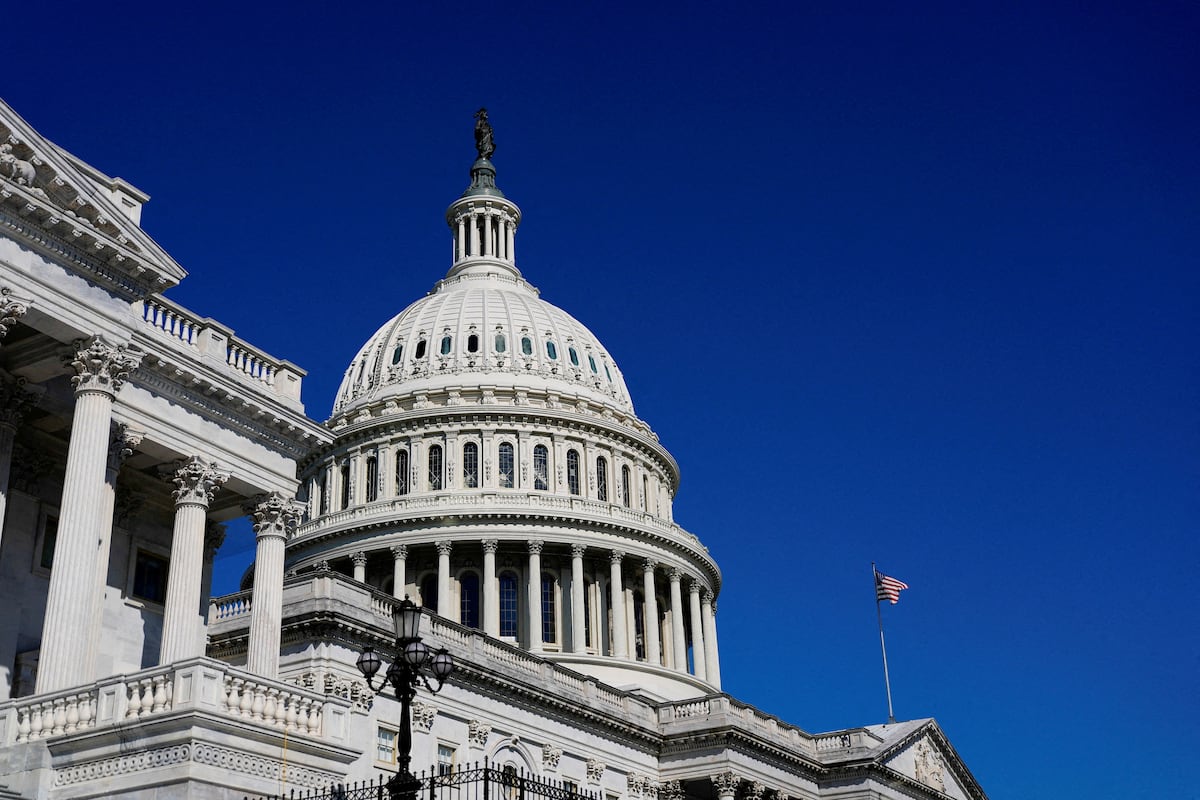
The House of Representatives passed its version of the National Defense Authorization Act last week, leaving in place a controversial provision that would encourage co-development and co-production between the U.S. and Israeli defense industrial bases.
The House’s version of this provision, known as Section 219, proposes further integration between the U.S. defense industrial base and Israel’s. It comes amid a dramatic shift in U.S. public opinion about military aid to Israel.
Both the House and Senate versions of the provision would shift the model of security cooperation the U.S. and Israel now employ.
Though there is already co-production between the two countries on weapons systems, those efforts historically have been limited to defensive systems like the Iron Dome. The House version creates an executive agent position within the Pentagon who would seek out and advocate for co-production opportunities.
Rep. Ro Khanna, D-Calif., tried unsuccessfully to pass an amendment striking the measure when the bill was being debated in committee last month. Rep. Thomas Massie, R-Ky., has also been a vocal opponent.
Proponents of the measure, including House Armed Services Committee Chair Mike Rogers, R-Ala., have argued it “actually improves oversight and accountability of these programs by designating a single official responsible for them.”
Elias Yousif, fellow and acting director of the Conventional Defense Program at the Stimson Center, said the provision could create a situation in which there would be less oversight than traditional foreign military aid, which must be approved by Congress.
“There are all these ways in which co-production’s more ill-defined nature means that it creates opportunities for the executive branch to navigate the regulatory environment more easily,” Yousif said.
John Ramming Chappell, an advisor on legal and policy issues in the Center for Civilians in Conflict’s U.S. program, said he was unsure how the U.S. could benefit from the change.
“Expanding cooperative projects with Israel gives Israel more leverage over the United States and makes it even more difficult to promote accountability in the relationship as US and Israeli government priorities diverge and clash,” Chappell said. “Beyond that, it’s unclear how much the U.S. will actually benefit from cooperative projects, they haven’t historically been subject to meaningful oversight, and they expose the U.S. to potential national security risks. ”
Despite passing in the House, the Senate version of the NDAA — including its version of Section 219, titled Section 1217 — could face a tougher battle. Several Democratic senators have said they will not vote on the NDAA until there is debate about the measure.
“The Senate’s bill has stalled, and next steps remain unclear, but it’s likely that Senate and House stakeholders [will] negotiate a compromise bill with the presumption of including some version of this provision,” Chappell said. “While Congressman Smith, ranking member of the House Armed Services Committee, has expressed his opposition to the provision, it’s unclear if he’s going to push to remove it in negotiations.”
If the NDAA passes with a measure like the House’s Section 219 or the Senate’s 1217, legislators have some leverage over how exactly it could play out, Yousif said.
They “need to be much more forceful about closing regulatory gaps that the administration has used in the past to circumvent accountability and transparency,” Yousif said. “Whether that means definitional gaps on what constitutes assistance and what doesn’t, or demanding more transparency mechanisms, reporting requirements — I think those are all opportunities and potential levers that lawmakers and others have.”
上周,众议院通过了其版本的《国防授权法案》,保留了一项有争议的条款,该条款旨在鼓励美国和以色列国防工业基地之间进行联合开发和联合生产。
众议院提出的这项条款,即第219条,旨在进一步加强美国国防工业与以色列国防工业的融合。此举正值美国公众对以色列军事援助的态度发生剧烈转变之际。
众议院和参议院版本的该条款都将改变美国和以色列目前采用的安全合作模式。
尽管两国在武器系统方面已有合作生产,但这些合作历来仅限于“铁穹”等防御系统。众议院提出的版本将在五角大楼内设立一个行政专员职位,负责寻找并推动合作生产机会。
加州民主党众议员罗·卡纳上个月在委员会辩论该法案时,曾试图提出一项修正案来删除该项措施,但未能成功。肯塔基州共和党众议员托马斯·马西也一直公开反对这项措施。
该措施的支持者,包括众议院军事委员会主席、阿拉巴马州共和党众议员迈克·罗杰斯,认为该措施“通过指定一名官员负责这些项目,实际上提高了对这些项目的监督和问责”。
史汀生中心常规防御项目研究员兼代理主任埃利亚斯·尤西夫表示,该条款可能会造成一种局面,即与必须经国会批准的传统对外军事援助相比,监管力度会更弱。
尤西夫说:“合作生产的模糊性意味着,它为行政部门创造了更容易应对监管环境的机会。”
冲突中平民中心美国项目法律和政策问题顾问约翰·拉明·查佩尔表示,他不确定美国能从这一变化中获得什么好处。
查佩尔表示:“扩大与以色列的合作项目,会让以色列对美国拥有更大的影响力,也让美以两国政府优先事项的分歧和冲突加剧,从而更难促进两国关系中的问责制。除此之外,目前尚不清楚美国究竟能从这些合作项目中获得多少实际利益,这些项目历来缺乏有效的监督,而且还会使美国面临潜在的国家安全风险。”
尽管众议院已通过《国防授权法案》,但参议院版本的法案——包括其修改后的第219条(现称为第1217条)——可能面临更严峻的挑战。多位民主党参议员表示,在就该法案进行辩论之前,他们不会就此进行投票。
查佩尔表示:“参议院的法案陷入僵局,下一步尚不明朗,但参众两院的利益相关者很可能会就一项妥协法案进行谈判,并假定其中会包含某种形式的该条款。虽然众议院军事委员会资深成员史密斯议员已表示反对该条款,但目前尚不清楚他是否会在谈判中力主将其删除。”
尤西夫表示,如果《国防授权法案》通过了类似众议院第 219 条或参议院第 1217 条的措施,立法者们就可以对法案的最终执行方式施加一定的影响力。
尤西夫表示,他们“需要更有力地填补监管漏洞,这些漏洞曾被政府用来规避问责制和透明度”。“无论是填补关于援助的定义漏洞,还是要求建立更透明的机制和报告要求——我认为这些都是立法者和其他人士可以利用的机会和潜在手段。”