This Isn’t An Early B-2 Cockpit Mockup, It’s For A Previously Undisclosed Special Ops Transport这不是早期B-2轰炸机的驾驶舱模型,而是之前未公开的特种作战运输机的驾驶舱模型。
This revelation isn't that surprising as there are long-standing and well-documented requirements for a penetrating tactical transport capability.
Updated Dec 1, 2019 7:08 AM EST
Northrop Grumman recently released an awesome series of videos that detail the genesis of the B-2 Spirit—the world’s first stealth bomber—via testimony from those who brought it to life. The videos also include a bunch of historical images and video taken during the flying wing bomber’s development . One of these images grabbed my eye as it looked like no Advanced Technology Bomber —the program that gave birth to the B-2—cockpit concept I have ever seen. I reached out to Northrop Grumman about the puzzling photo and what I got back confirmed my suspicions.
In the previous article, in which I questioned the photo’s origins, I wrote:
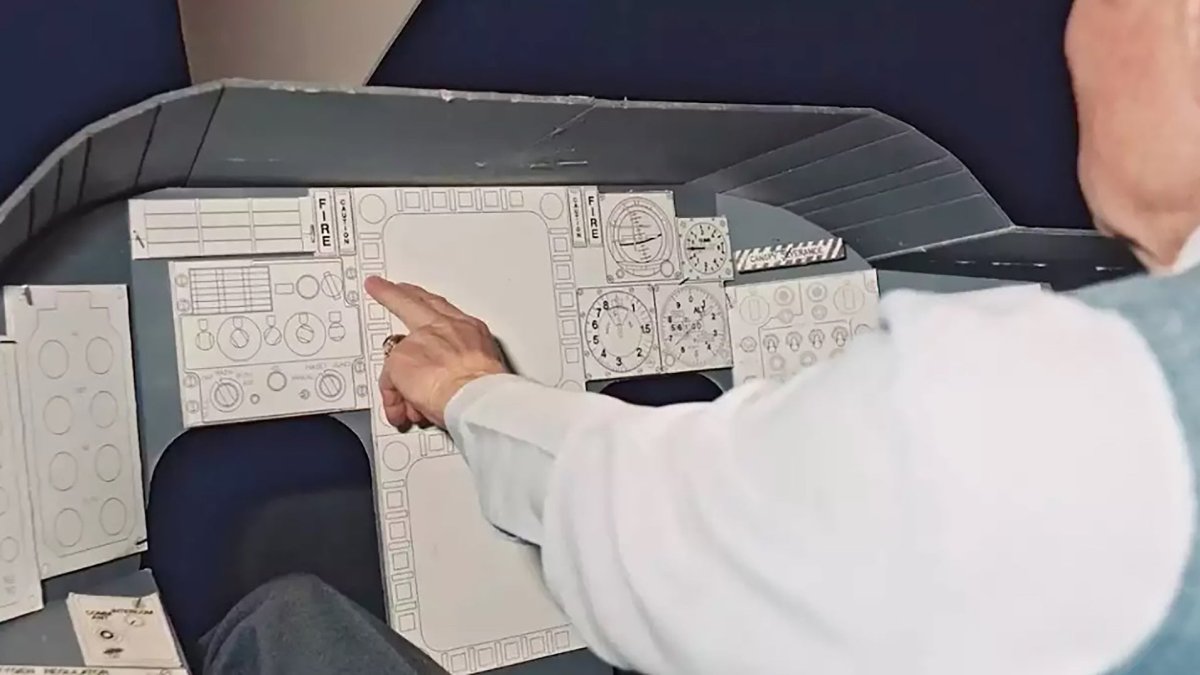
“Second is this image of the mockup of a cockpit. The panel layout is vaguely similar to the one that made it into the B-2 but the B-2 has a two-crew side-by-side cockpit. Was this for a technology demonstrator that predated the actual B-2 itself? Maybe the single station was going to be mirrored for the actual aircraft, but there are other oddities. For instance, the panel is smaller, lacking the two lower side-by-side cathode ray multi-function displays. It also has a ‘canopy severance’ handle. The B-2 doesn’t have a canopy but it does have hatches that its ejection seats fire through. A central windscreen support structure also seems to indicate that this is a single seat cockpit concept, or at least a tandem one…”
As I subsequently came to find out, the image made it into the B-2 video presentation by mistake—which would be incredibly easy to make. The photo in question doesn’t belong to the B-2 program, at least not directly. Instead, it came about from a previously undisclosed program from the 1990s called the Special Operations Low-Intensity Combat Mission Aircraft.
We know virtually nothing more about this program or where it ended up developmentally, but it is one in a long line of program names and designations given to the requirement for penetrating tactical transport aircraft that specialize in special operations missions and are in many cases low-observable (stealthy) by design.
Following the doomed operation to rescue American hostages in Tehran in 1980, known widely as Operation Eagle Claw , the need for a short-takeoff and landing (STOL) tactical transport capable of penetrating enemy airspace became a high priority. Over the last three and a half decades, the need for something far more survivable has manifested itself via a labyrinth of program names and stated capability requirements—the vast majority of which seem to have evaporated into the dark shadows of the classified world. And it’s not clear if any of them even made it to and especially past the flight testing phase, but there are reports of sightings of aircraft that seem to fit the bill. The sheer number of programs alone makes the idea that none of them ever amounted anything highly questionable.
The aftermath of Eagle Claw drastically changed the trajectory of American special operations and the gear they use to accomplish their missions., Public Domain
The CV-22 Osprey has satisfied a portion of these requirements after decades of development, but that platform—which uses nap-of-the-earth flight profiles and electronic warfare and other advanced countermeasures to survive in enemy territory—is hard pressed to provide deep infiltration and exfiltration duties in very high-threat environments. Additionally, it was only in May of 2011 that we came to know of a very low-density stealth helicopter capability , but those aircraft are highly limited in terms of range and payload and still rely on low-altitude penetration, bringing into question the extent of their low-observable capabilities.
The CV-22 has provided a basic remedy for the penetrating tactical STOL transport requirement problem, but it has its limitations and its ability to pierce through the thickest and most advanced enemy air defense networks will continue to erode as time goes on., USAF
Even with the existence of these platforms, the requirements for a stealthy STOL transport not dissipated, with multiple initiatives having been documented as officially ongoing in recent years. So could the Special Operations Low-Intensity Combat Mission Aircraft be out there in an operational form? It is entirely possible. But you can’t really get a good idea of where it may fit into the grander scheme of a potential stealthy special operations transport capability by looking at this scant piece of evidence alone. That’s why we have endeavored to tell a much larger story of the history of these requirements and the many projects they supposedly catalyzed over the decades, some of which included the participation by the most brilliant minds in the aerospace field—including Burt Rutan’s Scaled Composites—which is now owned by Northrop Grumman.
So stay tuned, we have been working on our full expose on the mysterious case of America’s missing stealth transports for months, and it should be hitting Thewarzone.com in the coming days.
Contact the author: Tyler@thedrive.com
Comments couldn’t be loaded. Please refresh the page.
更新于美国东部时间2019年12月1日上午7:08
诺斯罗普·格鲁曼公司最近发布了一系列精彩的视频,通过参与研发人员的讲述,详细展现了B-2“幽灵”隐形轰炸机——世界上第一架隐形轰炸机——的诞生历程。这些视频还收录了大量飞翼轰炸机研发过程中拍摄的历史照片和视频。其中一张照片引起了我的注意,因为它看起来与我之前见过的任何先进技术轰炸机(B-2的研发项目)的座舱概念都截然不同。我联系了诺斯罗普·格鲁曼公司询问这张令人费解的照片,得到的回复证实了我的猜测。
在上一篇文章中,我质疑了这张照片的来源,文中写道:
“第二张图是驾驶舱模型。面板布局与B-2轰炸机上的布局大致相似,但B-2采用的是双座并排驾驶舱。这是否是B-2轰炸机之前的技术验证机?或许单座驾驶舱的设计原本打算在实际飞机上沿用,但还有其他一些奇怪之处。例如,面板尺寸较小,缺少下方并排的两个阴极射线管多功能显示器。此外,它还有一个‘座舱盖分离’手柄。B-2轰炸机没有座舱盖,但它有弹射座椅弹射的舱门。中央挡风玻璃支撑结构似乎也表明这是一个单座驾驶舱设计,或者至少是串列式……”
后来我才知道,这张照片是误入B-2视频演示中的——这种情况极易发生。这张照片并非B-2项目的一部分,至少并非直接相关。它实际上来自上世纪90年代一个此前未公开的项目,名为“特种作战低强度作战任务飞机”。
我们对该计划及其最终发展方向几乎一无所知,但它是众多用于满足穿透性战术运输飞机需求的计划名称和编号之一,这些飞机专门用于特种作战任务,并且在许多情况下,其设计本身就具有低可探测性(隐身性)。
1980年,在营救美国人质的行动——史称“鹰爪行动”——以失败告终后,研发一种能够穿透敌方空域的短距起降(STOL)战术运输机变得至关重要。在过去的三十五年里,人们对生存能力更强的运输机的需求通过一系列项目名称和既定的性能要求得以体现——其中绝大多数似乎都已湮没在机密世界的阴影中。目前尚不清楚这些项目是否进入了飞行测试阶段,尤其是是否完成了测试,但有报道称曾有人目击到一些似乎符合要求的飞机。单是项目数量之多就足以让人怀疑它们最终都未能取得任何成果。
“鹰爪行动”的后果彻底改变了美国特种作战的走向以及他们执行任务所使用的装备。(公共领域)
经过数十年的研发,CV-22“鱼鹰”倾转旋翼机满足了部分需求,但该平台——依靠超低空飞行、电子战和其他先进对抗措施在敌方领土生存——难以在高度威胁的环境中执行纵深渗透和撤离任务。此外,直到2011年5月,我们才了解到一种超低密度隐形直升机,但这类飞机的航程和有效载荷都非常有限,而且仍然依赖低空突防,这让人对其低可探测性能力的程度产生质疑。
CV-22 为解决穿透性战术短距起降运输需求问题提供了一种基本方案,但它也有其局限性,而且随着时间的推移,其穿透最密集、最先进的敌方防空网络的能力将会持续下降。——美国空军
即便这些平台已经存在,对隐形短距起降运输机的需求依然存在,近年来已有多个相关项目被记录在案。那么,特种作战低强度作战任务飞机是否已经以作战形式投入使用呢?这完全有可能。但仅凭这些零星的证据,我们很难真正了解它在潜在的隐形特种作战运输能力这一宏大蓝图中究竟扮演着怎样的角色。正因如此,我们致力于讲述这些需求的历史,以及它们在过去几十年中催生的众多项目,其中一些项目汇聚了航空航天领域最杰出的人才——包括伯特·鲁坦创立的Scaled Composites公司(现已被诺斯罗普·格鲁曼公司收购)。
敬请期待,我们几个月来一直在努力撰写关于美国隐形运输机失踪神秘事件的全面揭露报告,该报告将在未来几天内发布在 Thewarzone.com 网站上。
联系作者:Tyler@thedrive.com
评论加载失败,请刷新页面。