Special ops turn to data, space tech to gain ‘decisive advantage’特种部队利用数据和太空技术获取“决定性优势”
Positions and capabilities such as data scientists and natural language processing hold promise for better battlefield awareness.
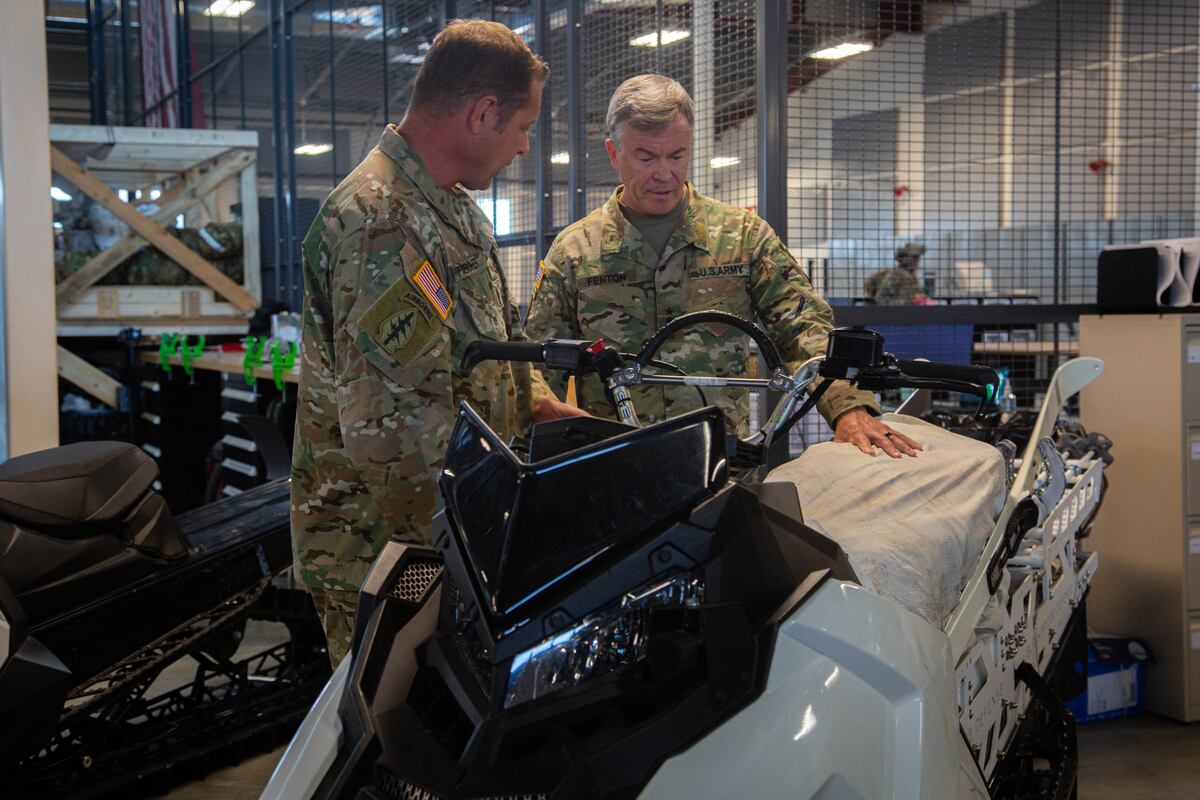
TAMPA, Fla. — U.S. Special Operations Command is increasingly using cyber, space and data-based technology to support its missions, gauge equipment readiness and maintain its end strength, according to the organization’s leader.
Gen. Bryan Fenton told attendees of SOF Week, a special operations force-focused event taking place May 8-11 in Florida, that recruiting for positions such as data scientists, data stewards, cyber and space experts, and technologists is nonnegotiable.
“Data — not to be too trite here — data is the oil, the oxygen we all need to have a decisive advantage,” Fenton said Tuesday.
The command is “harnessing data like never before,” Fenton added. As an example, he said that in a recent mission targeting a senior leader of the Islamic State group, special operations teams navigated “near-peer air defense” and integrated cyber defense capabilities.
“Unfamiliar to us in the past, but becoming the norm in the future ,” he explained.
Natural language processing, data-driven processing, artificial intelligence and collaborative autonomy — the latter of which teams human operators with robotic technology and data — are giving commanders ways to track vehicle maintenance and the readiness of equipment and personnel, Fenton said. The general himself has a so-called digital dashboard that summarizes much of what is happening across his command for regular checkups.
Furthermore, the command aims to use space and cyber assets to better inform mission planning in the various counterterrorism, integrated deterrence and irregular warfare missions it faces, Fenton said.
In a subsequent presentation, Jim Smith, an acquisition executive with the command, said the organization uses a software-designed approach for electronic gear in nearly all new acquisitions. Part of that is to avoid electronic fratricide, where one piece of equipment’s signal interferes with another, effectively canceling out the utility of both pieces of technology.
One example in which data improves operations, Smith said, is a program meant to provide a mission command system and a common-operating picture for leaders in the field so they receive continuous, real-time updates shared across a formation.
Smith also said there are efforts underway to include special operations-specific space-based payloads on satellites.
Fenton said incorporating such features gives Special Operations command an outsized advantage across its various missions. At SOCOM, he added, leaders are using data to see how their teammates are doing, as well as evaluating how to manage the command’s budget and what types of equipment is required for future missions.
By using “algorithmic approaches” to assess itself, SOCOM can solve a lot of challenges, he said.
Todd South has written about crime, courts, government and the military for multiple publications since 2004 and was named a 2014 Pulitzer finalist for a co-written project on witness intimidation. Todd is a Marine veteran of the Iraq War.
佛罗里达州坦帕市——据该组织领导人称,美国特种作战司令部正越来越多地利用网络、太空和数据技术来支持其任务、评估装备准备情况并保持其最终实力。
布莱恩·芬顿将军在 5 月 8 日至 11 日于佛罗里达州举行的以特种作战部队为重点的 SOF 周活动上告诉与会者,招募数据科学家、数据管理员、网络和太空专家以及技术专家等职位是不容谈判的。
“数据——虽然这么说有点老生常谈——数据就像石油,就像氧气,是我们获得决定性优势所必需的,”芬顿周二表示。
芬顿补充说,该指挥部“以前所未有的方式利用数据”。他举例说,在最近一次针对伊斯兰国高级领导人的任务中,特种作战小组克服了“势均力敌的防空系统”和整合的网络防御能力。
“这在过去对我们来说很陌生,但未来会成为常态,”他解释说。
芬顿表示,自然语言处理、数据驱动处理、人工智能和协同自主(后者将人类操作员与机器人技术和数据相结合)为指挥官提供了跟踪车辆维护、装备和人员战备状态的方法。这位将军本人也拥有一个所谓的数字仪表盘,用于定期查看其指挥部内发生的大部分情况。
芬顿表示,此外,该司令部还计划利用太空和网络资产,更好地为应对各种反恐、综合威慑和非常规战争任务提供任务规划信息。
在随后的报告中,该司令部的采购主管吉姆·史密斯表示,该机构在几乎所有新采购的电子设备中都采用软件设计方案。这样做的部分原因是避免“电子设备相互干扰”,即一台设备的信号干扰另一台设备,从而有效地抵消两台设备的功能。
史密斯说,数据改善作战的一个例子是,一项旨在为一线指挥官提供任务指挥系统和通用作战图的计划,以便他们能够收到在整个编队中共享的持续、实时更新。
史密斯还表示,目前正在努力将特种作战专用天基有效载荷搭载到卫星上。
芬顿表示,整合这些功能使特种作战司令部在各项任务中都拥有巨大的优势。他补充说,在特种作战司令部,领导们正在利用数据来了解队友的表现,并评估如何管理司令部的预算以及未来任务需要哪些类型的装备。
他表示,通过运用“算法方法”进行自我评估,特种作战司令部可以解决许多挑战。
自2004年以来,托德·索斯为多家出版物撰写有关犯罪、法院、政府和军事方面的文章,并因与人合著的关于恐吓证人的文章入围2014年普利策奖决赛。托德是参加过伊拉克战争的海军陆战队老兵。