How do you turn culinary skills into a successful food business?如何将烹饪技能转化为成功的餐饮事业?
YOU'VE perfected your signature dish. Your family and friends can't stop raving about it. They keep asking the same question: "When are you opening your own restaurant?"
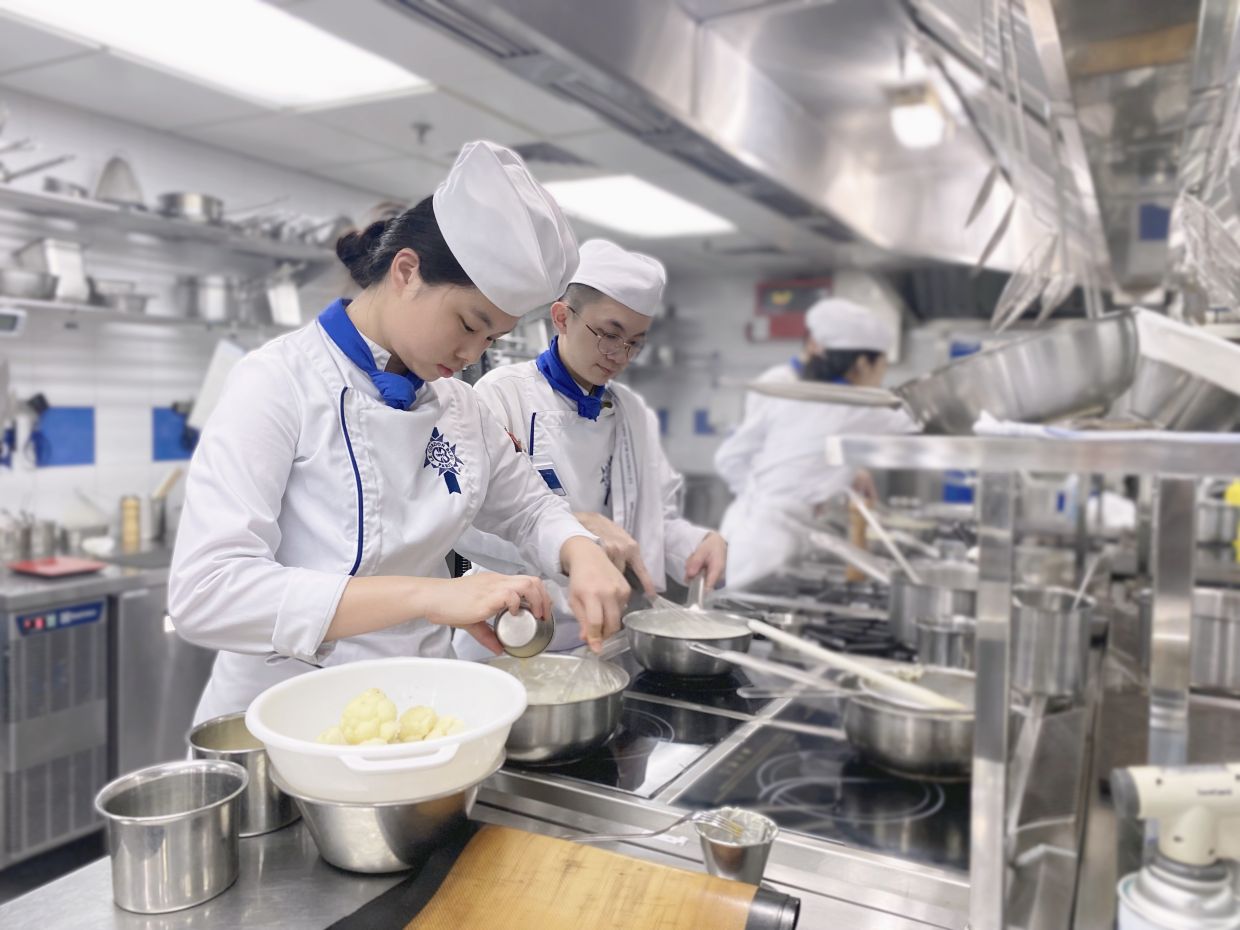
Sunway Le Cordon Bleu’s Diploma in Culinary Entrepreneurship – Food Business Incubator Programme aims to bridge the gap between culinary skills and entrepreneurship.
YOU’VE perfected your signature dish. Your family and friends can’t stop raving about it. They keep asking the same question: “When are you opening your own restaurant?”
For many aspiring chefs and bakers, turning a passion for food into a business feels like the natural next step. But creating great food is only the beginning.
Building a successful food venture requires a different set of skills – from understanding costs and operations to developing a strong brand, managing finances and adapting to changing customer expectations.
The challenge, then, is learning how to think not only like a chef, but like an entrepreneur.
It is a gap that Sunway Le Cordon Bleu hopes to bridge with its new Diploma in Culinary Entrepreneurship – Food Business Incubator Programme.
The three-month intensive programme helps budding food entrepreneurs turn their ideas into market-ready ventures through hands-on learning, research and development (R&D) of their signature products, mentorship and industry feedback.
It also combines culinary expertise with practical business knowledge.
From chef to business owner
For Chef Amelia Ng, founder and chef patron of Cleaver Shed and the newly opened Urban Pantry, opening her own restaurant revealed the many challenges that come with running a business.
The award-winning Sunway Le Cordon Bleu alumna, who worked across hotels, casual and fine dining restaurants for more than 10 years, including a year in Paris, discovered first-hand just how much goes into running a restaurant.
Ng’s experience shows that culinary talent is only one part of running a food business. — The Star/ Chan Tak Kong
“Personally, the biggest challenge was realising that running a restaurant is about so much more than cooking,” shares Ng, who opened Cleaver Shed – a cosy, unfussy steakhouse in Kuala Lumpur in 2024.
She admits she had to quickly master strategy, marketing, finance, operations and leadership, all while running the restaurant.
“Looking back, I wish I'd had a stronger grasp of finance, especially things like forecasting, budgeting and managing cash flow. Those were lessons I had to learn through the many bumps in the road,” she confides.
Fellow Le Cordon Bleu alumnus, Tan Chun Liang – known more fondly as Chef Liang – admits that one of the lessons was understanding just how quickly the economics of a food business can change.
Liang, who runs Malaysian fusion restaurant Red Red Botak Head, says he wishes he had started with a more comprehensive understanding of the constantly changing food cost landscape, where everything from major festive periods to fuel prices and the rainy season can affect costs.
“I’ve learnt to change my menu on a regular basis to evolve with this changing landscape and keep the business in a good place,” he shares.
These are among the practical realities the Diploma in Culinary Entrepreneurship programme aims to prepare participants for, through modules covering areas such as Food Business Start Up, Business Operations, Business Plan Project, Menu Engineering and Costing, Food Styling, E-commerce and Halal Certification.
Thinking like a business owner
Financial knowledge is only one part of running a successful food business.
Participants in the programme will explore areas that have a significant impact on any food business – including Food Safety and Hygiene, Signature Product R&D, Legal Frameworks, as well as Concept Branding and Marketing.
Liang understands the importance of adapting his menu as costs, seasons and circumstances change. — The Star/ Chan Tak Kong
For Liang, these are not simply additional skills, but fundamental to surviving in the industry.
“Branding, financial literacy and legal awareness are key pillars to survival in a tough industry. In any given day at any given time, all three components will come into play. It’s always best to be prepared.”
Why an incubator can make a difference
Knowing how to run a food business is one thing, but knowing where to start is another.
An incubator gives aspiring entrepreneurs a safe place to test their ideas before starting a business on their own.
With guidance from mentors, practical training and feedback from industry professionals, participants can develop their ideas and learn what it takes to turn them into a real food business.
When Liang decided to make the career switch, he enrolled at Le Cordon Bleu because he wanted to prepare himself properly for the transition.
He describes himself then as someone with “a dream but no (proper) skills”.
“At Le Cordon Bleu, I was exposed not just to recipes and methods of cooking, but also key facets of running a restaurant like storage, consistency through training, portioning and costing, teamwork and motivation, menu development,” he explains.
Turning ideas into action
One of the programme’s key features is the opportunity to put those ideas to the test.
Participants will pitch their business concepts to industry experts and the public, gaining feedback to refine them before taking them further.
Liang says this kind of external feedback can be particularly valuable for new chefs and bakers, who can sometimes become too focused on what they want to create rather than what customers actually want.
A successful venture also requires understanding branding, positioning and how to communicate value to customers.
“New chefs and bakers often get caught in a ‘syiok sendiri’ cycle. They often do what they want to do, not what the market wants. And that gap catches up with the business very quickly,” he observes.
“Listening, getting feedback, working on said feedback is very valuable. It essentially is the make or break of any business,” he adds.
Ng agrees that having access to that kind of feedback early can make a significant difference.
“I think it'll be incredibly valuable for anyone taking part in this diploma,” she shares.
Honest feedback, even when it's hard to hear, she stresses, is one of the best ways to improve.
“In this case the people giving that feedback genuinely want you to succeed, while also helping you meet the high standards of Le Cordon Bleu,” says Ng.
A roadmap for what comes next
Le Cordon Bleu Malaysia’s Technical and Academic director, Chef Stephane Frelon, says participants will leave with a clear checklist and the right network to support their business ideas.
“They’ll also receive honest feedback on their ideas, discover opportunities to develop them further and potentially explore partnerships with other participants.
“Most importantly, they’ll have taken those first meaningful steps towards what could be a long-term business journey with a vast, relevant network to leverage on,” Frelon adds.
Ready to turn your food ideas into a reality? Find out more at https://www.cordonbleu.edu/malaysia/home/en or Whatsapp +6019-3506353
Thank you for your report!
‘Bring in more culinary students from across Asean’
New plant-based culinary diploma
French-style Ipoh curry mee, cendol verrine: Graduates put twist to M’sian food
双威蓝带厨艺学院的烹饪创业文凭——食品企业孵化器课程旨在弥合烹饪技能与创业之间的差距。
你已经做出了你的招牌菜。你的家人和朋友都赞不绝口。他们不停地问同一个问题:“你什么时候开自己的餐厅?”
对于许多有抱负的厨师和烘焙师来说,将对美食的热情转化为事业似乎是顺理成章的下一步。但创造美味佳肴仅仅是开始。
打造成功的食品企业需要一系列不同的技能——从了解成本和运营到打造强大的品牌、管理财务以及适应不断变化的客户期望。
因此,挑战在于学习如何不仅像厨师一样思考,还要像企业家一样思考。
双威蓝带厨艺学院希望通过其新推出的烹饪创业文凭课程——食品企业孵化器课程来弥合这一差距。
这项为期三个月的强化课程旨在通过实践学习、招牌产品的研发、导师指导和行业反馈,帮助有抱负的食品企业家将他们的想法转化为可以推向市场的企业。
它还结合了烹饪专业知识和实用的商业知识。
从厨师到企业主
对于 Cleaver Shed 和新开业的 Urban Pantry 的创始人兼主厨 Amelia Ng 来说,开设自己的餐厅让她意识到经营企业所面临的诸多挑战。
这位屡获殊荣的 Sunway Le Cordon Bleu 校友曾在酒店、休闲餐厅和高级餐厅工作超过 10 年,其中包括在巴黎工作一年,她亲身体验到经营一家餐厅需要投入多少精力。
吴的经历表明,烹饪天赋只是经营餐饮企业的一部分。——《星报》/陈德光
“对我个人而言,最大的挑战是意识到经营一家餐厅远不止烹饪那么简单,”Ng 分享道。他于 2024 年在吉隆坡开设了 Cleaver Shed——一家温馨、朴素的牛排馆。
她承认,在经营餐厅的同时,她必须迅速掌握战略、营销、财务、运营和领导等方面的知识。
“回想过去,我希望自己当时能对财务有更深入的了解,尤其是像预测、预算和现金流管理方面。这些都是我在人生道路上经历诸多坎坷后才学到的经验教训,”她坦言道。
同为蓝带厨艺学院校友的陈俊良(更广为人知的名字是梁师傅)承认,他学到的其中一课是了解食品行业的经济状况变化之快。
经营马来西亚融合餐厅 Red Red Botak Head 的梁先生表示,他希望自己当初能对不断变化的食品成本环境有更全面的了解,因为从重大节日到燃油价格和雨季,所有因素都会影响成本。
“我已经学会定期更换菜单,以适应不断变化的市场环境,并保持企业的良好发展状态,”他分享道。
这些都是烹饪创业文凭课程旨在通过涵盖食品企业创业、业务运营、商业计划项目、菜单设计和成本核算、食品造型、电子商务和清真认证等领域的模块,为参与者准备的实际问题。
像企业主一样思考
财务知识只是成功经营食品企业的一部分。
该计划的参与者将探索对任何食品企业都有重大影响的领域,包括食品安全和卫生、特色产品研发、法律框架以及概念品牌和营销。
梁先生深知随着成本、季节和环境的变化,调整菜单的重要性。——《星报》/陈德光
对梁来说,这些不仅仅是额外的技能,而是在这个行业生存的基本技能。
“品牌建设、财务知识和法律意识是在这个竞争激烈的行业中生存的关键支柱。在任何一天、任何时刻,这三个要素都会发挥作用。做好准备永远是最好的选择。”
为什么孵化器能带来改变
懂得如何经营食品企业是一回事,但知道从哪里开始又是另一回事。
孵化器为有抱负的创业者提供了一个安全的场所,让他们在独立创业之前检验自己的想法。
在导师的指导、实践培训和行业专业人士的反馈下,参与者可以发展自己的想法,并学习如何将想法变成真正的食品企业。
梁决定转行时,他报读了蓝带厨艺学院,因为他想为转型做好充分准备。
他当时形容自己是一个“有梦想但没有(合适的)技能”的人。
“在蓝带厨艺学院,我不仅接触到了食谱和烹饪方法,还接触到了经营餐厅的关键方面,例如仓储、通过培训保持出品的一致性、份量控制和成本核算、团队合作和激励、菜单开发,”他解释道。
将想法转化为行动
该计划的一大特色是提供了检验这些想法的机会。
参与者将向行业专家和公众展示他们的商业理念,获得反馈以完善理念,然后再进一步推进。
梁表示,这种外部反馈对新厨师和烘焙师来说尤其有价值,因为他们有时会过于关注自己想创作什么,而不是顾客实际想要什么。
成功的创业还需要了解品牌塑造、定位以及如何向客户传达价值。
“新晋厨师和烘焙师常常陷入‘我行我素’的怪圈。他们往往只做自己想做的,而不是市场需要的。而这种差距很快就会给生意带来负面影响,”他观察到。
“倾听、获取反馈、并根据反馈进行改进都非常有价值。这基本上决定着任何企业的成败,”他补充道。
吴恩达也认为,尽早获得这类反馈会产生重大影响。
“我认为这对任何参加这个文凭课程的人来说都将非常有价值,”她分享道。
她强调,即使难以接受,诚实的反馈也是改进的最佳途径之一。
Ng表示:“在这种情况下,给出反馈的人真心希望你成功,同时也帮助你达到蓝带国际学院的高标准。”
接下来的发展路线图
马来西亚蓝带厨艺学院技术与学术总监 Stephane Frelon 主厨表示,学员们将带着清晰的清单和合适的社交网络离开,以支持他们的商业理念。
“他们还将收到关于自己想法的诚实反馈,发现进一步发展这些想法的机会,并有可能与其他参与者探索合作关系。
“最重要的是,他们将迈出有意义的第一步,朝着长期的商业发展迈进,并拥有一个庞大且相关的网络可以利用,”弗雷隆补充道。
准备好将您的美食创意变为现实了吗?请访问 https://www.cordonbleu.edu/malaysia/home/en 或通过 WhatsApp 联系 +6019-3506353 了解更多信息。
感谢您的报告!
“从东盟各国引进更多烹饪专业的学生”
全新植物性烹饪文凭
法式怡保咖喱面、珍多冰:毕业生为马来西亚美食注入新意