Trump meets munitions makers amid push to replenish weapons stockpiles特朗普会见军火制造商,力促补充武器库存
Pentagon negotiators are pressing contractors to move much faster to boost output.
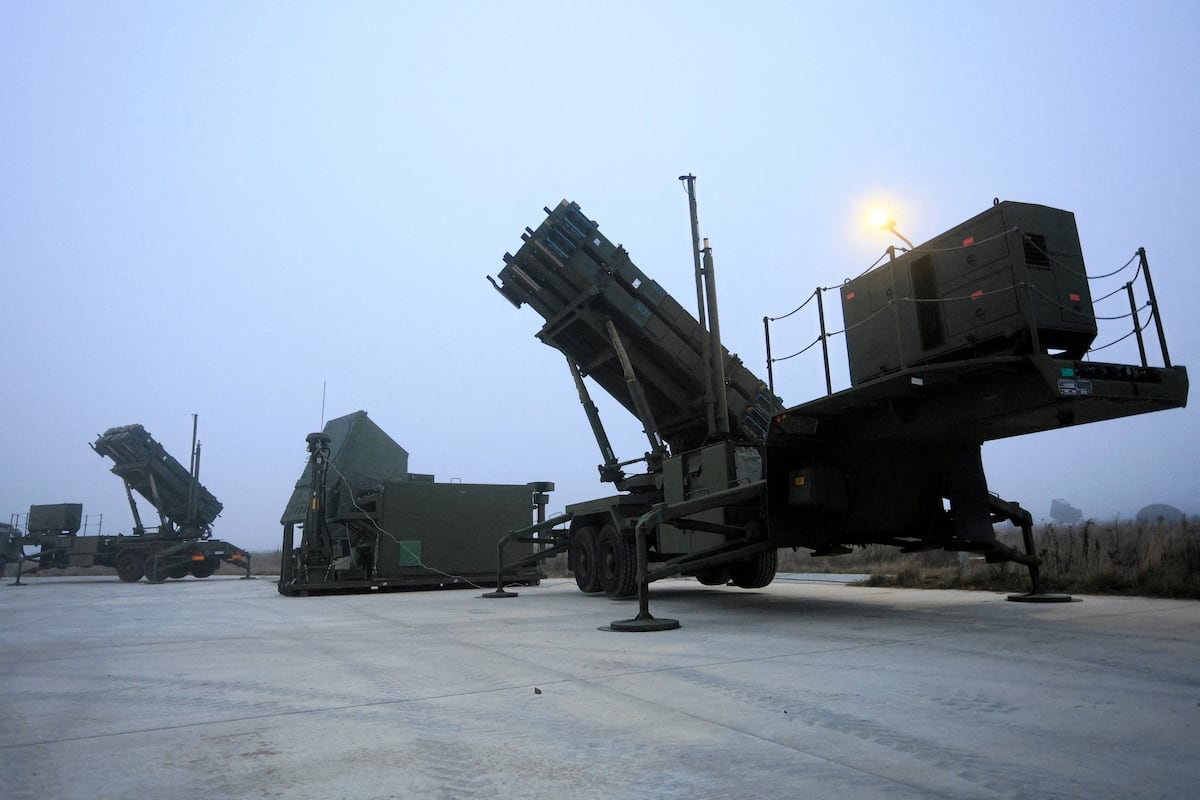
U.S. President Donald Trump met with munitions makers at the White House on Wednesday as his administration pushes to expand weapons production after military operations in Iran and other conflicts drew down U.S. stockpiles .
The United States has supplied large quantities of weapons to allies while also using munitions in its own military operations, raising concerns about inventories of key air-defense and precision-guided weapons, and increasing pressure on contractors to boost output.
Two people briefed on the meeting said it ran longer than expected because everyone was given time to speak. The sources said Deputy Defense Secretary Steve Feinberg at times pushed back on industry claims about production progress, citing delays on key programs.
One source said the initial message to executives was “you’re not doing enough.” By the end, the tone had shifted toward cooperation, with officials saying the goal was to “get on a war footing” and work together to speed up production.
The White House did not immediately respond to a request for details on the meeting and the topics discussed.
The meeting marks the second White House gathering with chief executives of major defense firms focused on ramping up weapons production. A March meeting included the CEOs and other officials from BAE Systems, Lockheed Martin, Northrop Grumman, RTX Corp, Boeing, Honeywell Aerospace and L3Harris Technologies, along with Defense Secretary Pete Hegseth.
Pentagon negotiators are pressing contractors to move much faster, with tentative production agreements struck earlier this year at the center of those efforts.
The agreements include a deal with Lockheed Martin to triple production of Patriot interceptors and quadruple output of THAAD interceptors, which are used to shoot down ballistic missiles. Separate multiyear deals with RTX aim to boost production of Tomahawk cruise missiles and AMRAAM air-to-air missiles. The deals, announced as “framework agreements,” have yet to be converted into contracts.
Five defense industry executives, speaking on condition of anonymity, welcomed the agreements, but said Congress must first appropriate funding before companies can invest more heavily in components and production capacity. Investing before receiving government payments under the agreements would weigh on free cash flow and could hurt second-half earnings, they said.
The administration has steadily increased pressure on defense contractors to prioritize production over shareholder payouts. Trump signed an executive order in January to identify contractors deemed to be underperforming on government contracts while continuing to distribute profits to shareholders.
GM Defense, the automaker’s defense business unit, and Lockheed have said the U.S. Department of Defense helped facilitate a partnership between the two companies because of growing demand for additional production capacity.
The Senate Armed Services Committee this month approved its version of the National Defense Authorization Act, backing total defense spending of $1.15 trillion and providing multiyear procurement authority for several types of munitions and weapons. The bill is not expected to become law until autumn, although separate appropriations or supplemental funding could come sooner.
Demand for air defense systems has surged among the United States and its allies amid heightened geopolitical tensions and the conflict in Iran.
美国总统唐纳德·特朗普周三在白宫会见了军火制造商,此前,由于在伊朗和其他冲突中的军事行动消耗了美国的武器库存,他的政府正努力扩大武器生产。
美国向盟友提供了大量武器,同时也在自己的军事行动中使用弹药,这引发了人们对关键防空和精确制导武器库存的担忧,并加大了承包商提高产量的压力。
两名知情人士透露,会议时长超出预期,因为每个人都有机会发言。消息人士称,国防部副部长史蒂夫·范伯格有时会反驳业界关于生产进展的说法,并指出一些关键项目出现延误。
一位消息人士称,最初传达给高管的信息是“你们做得不够”。到最后,语气转向合作,官员们表示目标是“进入战时状态”,共同努力加快生产。
白宫尚未立即回应有关此次会议及其讨论议题的详细询问。
此次会议是白宫第二次与主要国防企业首席执行官举行会议,旨在提高武器产量。3月份的会议包括英国航空航天系统公司(BAE Systems)、洛克希德·马丁公司、诺斯罗普·格鲁曼公司、RTX公司、波音公司、霍尼韦尔航空航天公司和L3哈里斯技术公司的首席执行官及其他官员,以及国防部长皮特·赫格塞斯。
五角大楼谈判代表正在敦促承包商加快进度,今年早些时候达成的初步生产协议是这些努力的核心。
这些协议包括与洛克希德·马丁公司达成的一项协议,旨在将“爱国者”拦截导弹的产量提高三倍,并将用于拦截弹道导弹的“萨德”拦截导弹的产量提高四倍。此外,与RTX公司达成的另一项多年期协议旨在提高“战斧”巡航导弹和AMRAAM空空导弹的产量。这些协议目前以“框架协议”的形式公布,尚未转化为正式合同。
五位不愿透露姓名的国防工业高管对这些协议表示欢迎,但他们指出,国会必须首先拨款,企业才能加大对零部件和产能的投资。他们表示,在收到政府根据协议支付的款项之前进行投资,将会影响自由现金流,并可能损害下半年的盈利。
特朗普政府不断加大对国防承包商的压力,要求他们优先考虑生产而非股东分红。今年1月,特朗普签署了一项行政命令,旨在找出那些在政府合同履行不力却继续向股东分配利润的承包商。
通用汽车防务公司(通用汽车的防务业务部门)和洛克希德公司表示,由于对额外产能的需求不断增长,美国国防部帮助促成了两家公司之间的合作。
本月,参议院军事委员会批准了其版本的《国防授权法案》,支持1.15万亿美元的国防总支出,并为多种类型的弹药和武器提供了多年采购授权。该法案预计要到秋季才能正式生效,不过其他拨款或补充资金可能会提前到位。
由于地缘政治紧张局势加剧以及伊朗冲突,美国及其盟友对防空系统的需求激增。