After FCAS demise, Germany’s options include ordering more F-35 warplanesFCAS项目失败后,德国的选择包括订购更多F-35战机。
“Knowing what we know today, we wouldn’t set up a program in this way again,” Pistorius said.
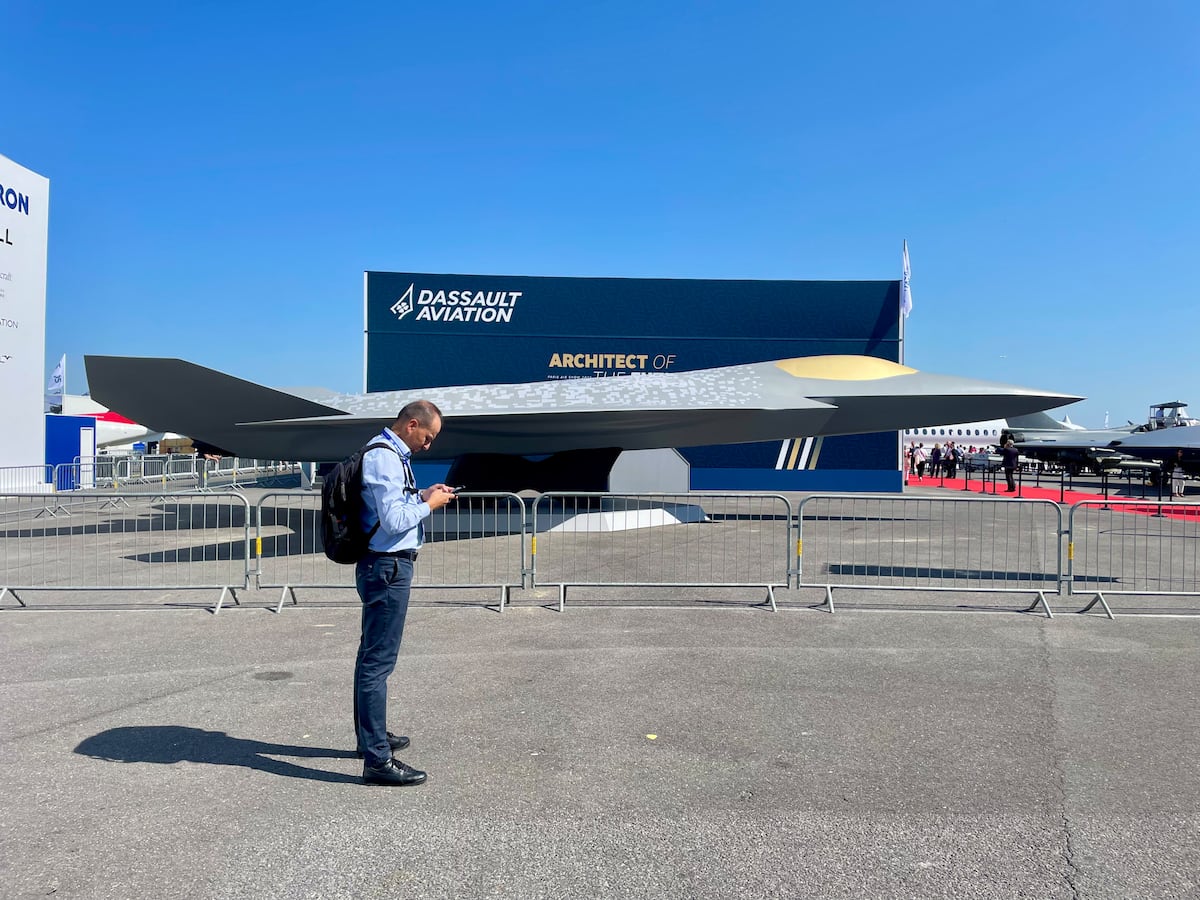
COLOGNE, Germany — German defense leaders will go back to the drawing board in their quest for a next-generation fighter jet following the end of the once-ambitious French-German-Spanish Future Combat Air System.
As the dust was still settling in Berlin from Monday’s bombshell news, Defense Minister Boris Pistorius outlined three options on Tuesday, plus a mysterious fourth path that he alluded to but left unexplained.
One option consists of buying additional stealthy F-35 jets from the United States on top of the 35 already ordered, he said on the sidelines of a meeting with his Czech counterpart, Jaromír Zůna, in Berlin.
German news outlet Der Spiegel reported last October that plans were already in the works to purchase 15 such warplanes from the U.S., to the tune of almost $3 billion.
Pistorius confirmed those plans are now on the table, saying they could be a “bridge” solution “or whatever” on the way to a next-generation weapon for Germany.
The second option entails Berlin getting involved in an existing international fighter program with sixth-generation features, Pistorius said.
Aside from a U.S. push to that end, the most obvious candidate for this path would be a British-Italian-Japanese effort, dubbed Global Combat Air Programme.
Finally, Germany could start its own program, Pistorius said, “ under German leadership with Airbus and other partners.”
He said German defense leaders had been talking with Airbus about feasible options “for months,” because the end of the FCAS program had been expected.
Pistorius largely blamed unresolvable differences with French industry champion Dassault over intellectual property as well as diverging military requirements for the program’s demise.
In the end, government leaders from France and Germany were unable to compel the companies involved to cooperate, he said, as much as Paris and Berlin had wanted to.
“Knowing what we know today, we wouldn’t set up a program in this way again,” Pistorius said.
Sebastian Sprenger is associate editor for Europe at Defense News, reporting on the state of the defense market in the region, and on U.S.-Europe cooperation and multi-national investments in defense and global security. Previously he served as managing editor for Defense News. He is based in Cologne, Germany.
德国科隆——随着曾经雄心勃勃的法德西未来作战空中系统项目的终结,德国国防领导人将重新开始设计下一代战斗机。
周一的重磅消息在柏林引发轩然大波,尘埃尚未落定,国防部长鲍里斯·皮斯托里乌斯周二概述了三种方案,此外他还暗示了一条神秘的第四条道路,但没有对此进行解释。
他在柏林与捷克同行雅罗米尔·祖纳会晤期间表示,其中一个选择是在已订购的 35 架 F-35 隐形战机之外,再从美国购买更多此类战机。
德国新闻媒体《明镜周刊》去年10月报道称,德国已计划从美国购买15架此类战机,总价值近30亿美元。
皮斯托瑞斯证实这些计划目前正在讨论中,并表示它们可能是德国迈向下一代武器的“过渡”解决方案“或其他任何东西”。
皮斯托瑞斯表示,第二个选择是让柏林参与到现有的具有第六代特征的国际战斗机项目中。
除了美国为此目的而采取的行动之外,最明显的候选方案是英国、意大利和日本共同发起的“全球作战航空计划”。
皮斯托瑞斯表示,最终德国可以启动自己的项目,“在德国的领导下,与空客和其他合作伙伴共同推进”。
他表示,德国国防领导人“几个月来”一直在与空客公司讨论可行的方案,因为FCAS项目的结束是意料之中的。
皮斯托瑞斯将该项目的失败主要归咎于与法国工业巨头达索公司在知识产权问题上无法解决的分歧,以及不同的军事需求。
他说,最终,尽管巴黎和柏林非常希望如此,但法国和德国政府领导人还是未能迫使相关公司进行合作。
“以我们今天所掌握的知识来看,我们不会再以这种方式制定计划了,”皮斯托瑞斯说。
塞巴斯蒂安·斯普伦格是《防务新闻》欧洲版副主编,负责报道该地区的防务市场状况,以及美欧在防务和全球安全领域的合作和多国投资。此前,他曾担任《防务新闻》执行主编。他现居德国科隆。