German air show opens under shadow of Iran war, fighter project collapse德国航展在伊朗战争和战斗机项目夭折的阴影下开幕
Airbus, which represented Germany and Spain in FCAS, is increasingly looking to Sweden’s Saab as a preferred partner, according to sources.
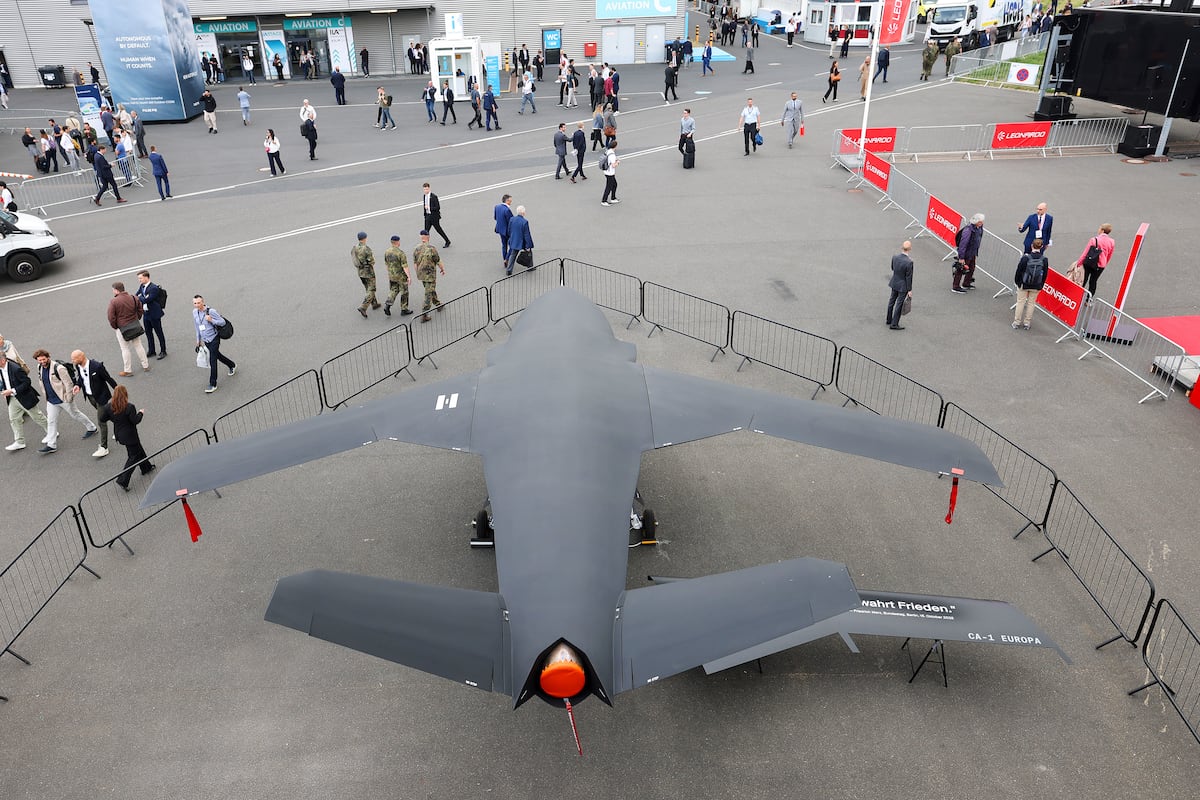
BERLIN — Germany’s ILA air show opened on Wednesday under the twin shadows of the Iran war and the collapse this week of a flagship Franco-German fighter jet project, clouding what is meant to be one of Europe’s premier aerospace showcases.
The Berlin event, which dates back to 1909, puts a large slice of Europe’s defense industry on display as companies pitch new technology to governments and military buyers.
It also highlights the push by European manufacturers to narrow the gap with U.S. rivals and persuade governments to back them as the region ramps up defense spending.
Yet the build-up to the show was dominated by the scrapping of the Franco-German Future Combat Air System (FCAS), long billed as Europe’s most ambitious defense project but ultimately undone by industrial rivalry. Its demise has underscored the difficulty Europe faces in building military capacity at scale.
The decision comes as Western officials warn of a growing threat from Russia and the U.S. presses Europe to re-arm more quickly.
Airbus, which represented Germany and Spain in FCAS, is increasingly looking to Sweden’s Saab as a preferred partner, as companies jostle to reshape industrial alliances, three people familiar with the matter told Reuters.
The Iran war has added to the sense of unease, exposing strains in transatlantic ties and even raising questions about NATO’s future, while also hitting airlines as flights are canceled and jet fuel costs rise.
Chancellor Friedrich Merz, who has openly questioned whether a manned sixth-generation fighter jet still makes sense for Germany’s air force, is due to address the show on Wednesday.
MTU Aero Engines Head of Programmes Ottmar Pfaender said decisions on how to proceed must be taken in the coming weeks, adding the engine maker was open to working with other companies.
Stephanie Lingemann, a senior executive at defense startup Helsing, said technologies such as software-driven defense systems and autonomy in warfare could now be folded into whatever follows FCAS.
“There’s always a chance in these kinds of endings,” she said.
Walking to the venue
The air show is also a platform for Emirates President Tim Clark to press the German government for landing rights in Berlin, with one of the Gulf airline’s A380 jets on display.
The opening day was disrupted by protesters who blocked roads to the venue while chanting slogans including “Free Palestine.”
A Reuters witness said dozens of police were deployed, with buses unable to reach the site and hundreds of visitors forced to walk in, some complaining about the disruption.
Running from June 10 to 14, the ILA show will host more than 750 exhibitors from 37 countries.
Coinciding with its opening, Germany’s cabinet approved a new 15-year aviation strategy aimed at cutting costs and boosting research to tackle rising expenses and intensifying foreign competition.
柏林——德国ILA航展周三开幕,但伊朗战争和本周法德旗舰战斗机项目崩溃的双重阴影笼罩着这场本应是欧洲顶级航空航天盛会之一的航展。
柏林防务展的历史可以追溯到 1909 年,它汇集了欧洲大部分国防工业,各公司向政府和军方买家推销新技术。
这也凸显了欧洲制造商为缩小与美国竞争对手的差距而做出的努力,以及随着该地区国防开支的增加,各国政府为支持欧洲制造商而做出的贡献。
然而,航展前的宣传重点却被法德联合研制的未来作战空中系统(FCAS)项目的终止所占据。该项目曾被誉为欧洲最雄心勃勃的国防项目,但最终却因工业竞争而夭折。它的失败凸显了欧洲在构建大规模军事能力方面所面临的困境。
西方官员警告称,来自俄罗斯的威胁日益加剧,而美国则敦促欧洲加快重新武装,在此背景下,西方做出了这一决定。
三位知情人士告诉路透社,代表德国和西班牙参与未来空中交通系统(FCAS)项目的空客公司,正日益将瑞典萨博公司视为首选合作伙伴,因为各公司都在竞相重塑产业联盟。
伊朗战争加剧了不安情绪,暴露了跨大西洋关系的紧张局势,甚至引发了人们对北约未来的质疑,同时也打击了航空公司,导致航班取消和航空燃油成本上涨。
德国总理弗里德里希·默茨曾公开质疑有人驾驶的第六代战斗机对德国空军是否还有意义,他将于周三在航展上发表讲话。
MTU航空发动机项目负责人奥特马尔·普芬德表示,必须在未来几周内决定如何推进此事,并补充说,这家发动机制造商愿意与其他公司合作。
国防初创公司 Helsing 的高级主管 Stephanie Lingemann 表示,软件驱动的防御系统和战争自主性等技术现在可以融入到未来空中作战系统 (FCAS) 的后续发展中。
“这种结局总是有转机的,”她说。
步行前往场地
此次航展也是阿联酋航空总裁蒂姆·克拉克向德国政府施压,要求其获得在柏林降落的权利的平台,届时阿联酋航空的一架A380飞机也将在航展上展出。
开幕当天,抗议者封锁了通往会场的道路,并高喊“解放巴勒斯坦”等口号,导致开幕式受到干扰。
路透社一名目击者称,数十名警察被部署到现场,公交车无法到达目的地,数百名游客被迫步行进入,一些人抱怨交通中断。
ILA展会将于6月10日至14日举行,届时将有来自37个国家的750多家参展商参展。
在机场开放的同时,德国政府内阁批准了一项新的15年航空战略,旨在削减成本并加大研发投入,以应对不断上涨的费用和日益激烈的国际竞争。