Stingy intel-sharing a ‘recipe for losing,’ Space Force’s Miller says太空军的米勒表示,吝啬分享情报是“自取灭亡”。
"The United States does not go into conflict alone," Lt. Gen. David Miller said at the GEOINT conference. "Check your history. It does not happen."
ORLANDO — Overly restrictive handling of U.S. intelligence and battlefield insights that boxes out allied forces is a failing move, according to the leader of Space Operations Command.
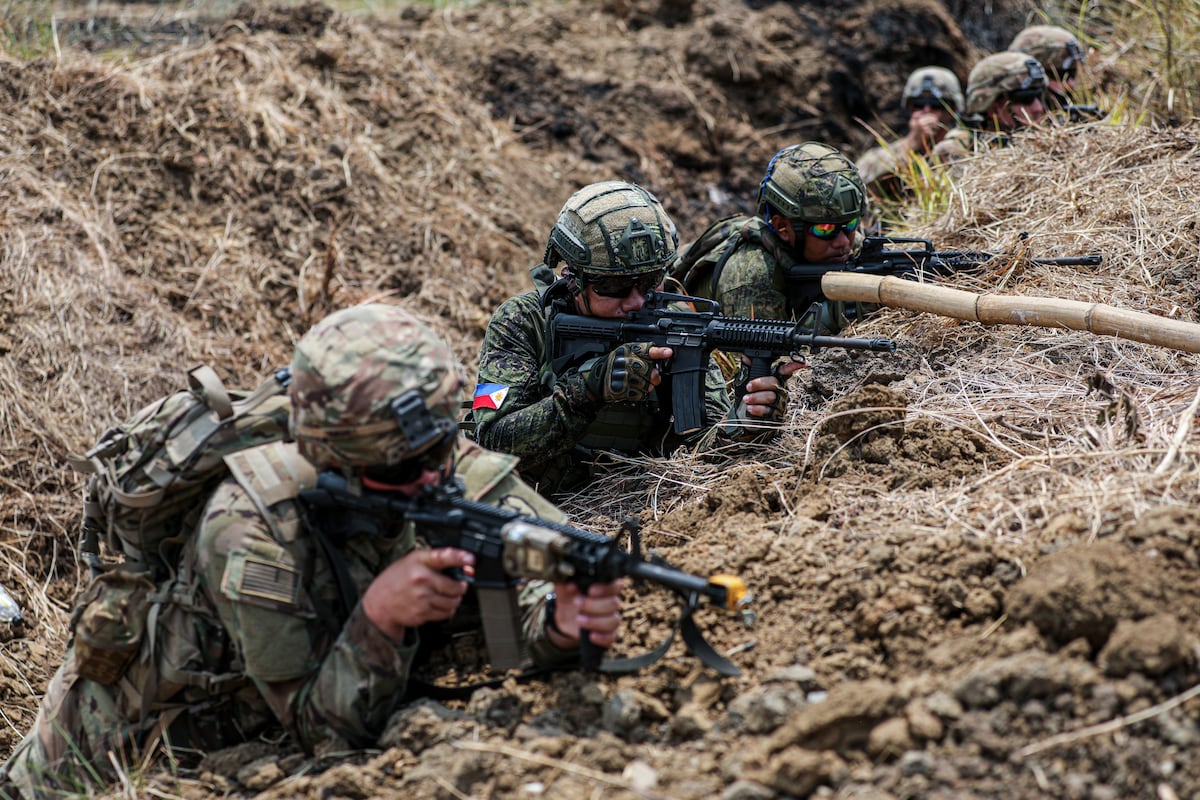
The Department of Defense and the intelligence community increasingly view a successful fight with Russia and China as requiring teammates: France in a battle for Europe, for example, or Australia in the Indo-Pacific . Hesitancy to share data between countries could translate to disjointed operations and confusion on the front lines.
Space Force Lt. Gen. David Miller on May 6 told attendees at the GEOINT conference in Florida that legacy processes that “stamp NOFORN on everything” are a “recipe for losing.”
The NOFORN designation indicates that information may not be released to foreign governments, organizations and non-U.S. citizens. It is one of many factors that controls who can see what and when.
“The United States does not go into conflict alone. Check your history. It does not happen,” said Miller, who took the helm at Space Operations Command in January.
His comments come as the Defense Department pursues what’s known as Combined Joint All-Domain Command and Control.
In the CJADC2 vision , forces across land, air, sea, space and cyber are seamlessly connected and firepower can be coordinated over vast distances. That includes international troops, with whom the U.S. military has a history fighting alongside.
“It must be interoperable,” Miller said. “We need to have our coalition partners a part of the formation and their shooters ready to receive this information, and it goes directly to them at the same time it goes to the United States Air Force or whoever the shooter is on our side.”
Secrecy in the space domain has long posed a challenge to the Defense Department and the public looking to know more.
Congress has in the past instructed the department to review its classified space portfolio. A rewrite of space classification policy was announced earlier this year.
“Inside the Beltway, people always ask me, ‘How can I make things unclassified?’ That is not actually a thing I’m all that concerned about,” John Plumb, assistant secretary of defense for space policy , told reporters at the Pentagon earlier this year. “I’m concerned about reducing the classification of things where they are overclassified to the point that it hampers our ability to get work done or hampers the ability of the warfighter to do their mission.”
Colin Demarest was a reporter at C4ISRNET, where he covered military networks, cyber and IT. Colin had previously covered the Department of Energy and its National Nuclear Security Administration — namely Cold War cleanup and nuclear weapons development — for a daily newspaper in South Carolina. Colin is also an award-winning photographer.
奥兰多——太空作战司令部司令表示,对美国情报和战场情报进行过于严格的限制,将盟军排除在外,是一种失败的做法。
美国国防部和情报界日益认识到,要想在与俄罗斯和中国的对抗中取得胜利,就需要其他国家的合作:例如,在欧洲战场上需要法国的参与,或者在印太地区需要澳大利亚的参与。各国之间不愿共享数据可能会导致行动脱节,并在前线造成混乱。
5 月 6 日,太空部队中将大卫·米勒在佛罗里达州举行的 GEOINT 会议上告诉与会者,那些“在所有事情上都盖上 NOFORN 印章”的传统流程是“失败的根源”。
“NOFORN”标识表明信息不得向外国政府、组织和非美国公民发布。这是控制谁可以查看哪些信息以及何时查看的众多因素之一。
“美国不会单独发动战争。看看历史就知道了,这种情况从未发生过。”米勒说道,他于今年1月接管了太空作战司令部。
在他发表这番言论之际,美国国防部正在推行所谓的联合全域指挥与控制。
在联合联合空中防御和控制(CJADC2)愿景中,陆、空、海、天和网络空间的部队能够无缝连接,火力可以在广阔的距离上进行协调。这其中也包括国际部队,美军与这些部队有着长期的并肩作战历史。
“它必须具备互操作性,”米勒说。“我们需要让我们的盟军伙伴参与编队,让他们的射手做好接收这些信息的准备,这些信息要与美国空军或我们这边的射手同时直接发送给他们。”
太空领域的保密性长期以来一直是国防部和希望了解更多信息的公众所面临的挑战。
国会过去曾指示该部门审查其机密太空项目组合。今年早些时候,太空机密政策修订计划已宣布启动。
“在华盛顿特区,人们总是问我,‘怎样才能把一些事情解密?’其实我并不太关心这个问题,”国防部负责太空政策的助理部长约翰·普拉姆今年早些时候在五角大楼告诉记者。“我关心的是降低那些过度保密事项的级别,因为过度保密会妨碍我们完成工作,或者妨碍作战人员执行任务。”
科林·德马雷斯特曾是C4ISRNET的记者,负责报道军事网络、网络安全和信息技术方面的新闻。此前,他曾为南卡罗来纳州的一家日报报道美国能源部及其下属的国家核安全管理局,主要关注冷战后的清理工作和核武器研发。科林还是一位屡获殊荣的摄影师。