US launches new round of strikes against Iran美国对伊朗发动新一轮打击
The U.S. conducted a new wave of strikes against Iranian military sites on Wednesday after reimposing a naval blockade of the Islamic Republic's ports.
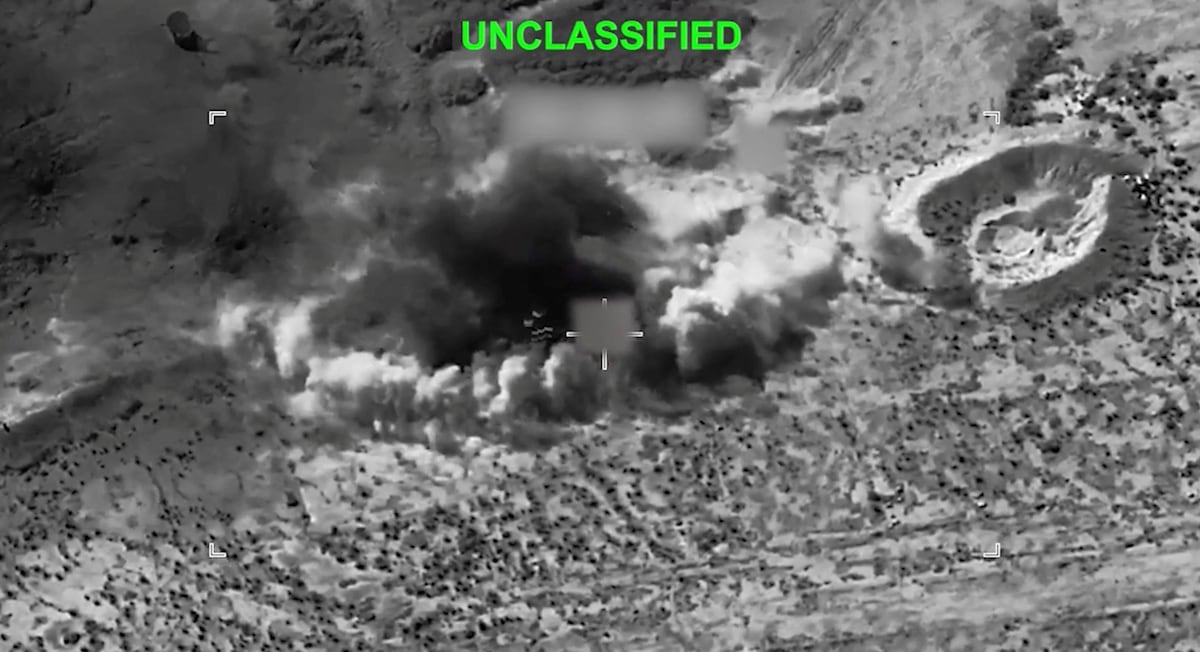
The U.S. conducted a new wave of strikes against Iran’s coastal defense systems and cruise missile storage and launch sites on Wednesday after reimposing a naval blockade of Iranian ports, while Iran threatened to shut off more regional energy exports.
The strikes mark the latest escalation of attacks and counterattacks launched by the two sides as they vie for control of the Strait of Hormuz, which carried about a fifth of global oil and gas shipments before the war.
“At 6 a.m. ET today, U.S. Central Command forces began launching a wave of strikes against Iran,” the U.S. military said.
“The strikes are designed to further degrade military capabilities Iranian forces have used to attack commercial shipping in the Strait of Hormuz.”
There were no immediate reports of attacks in Iranian media. U.S. Central Command said in a statement the military had targeted coastal defense systems and cruise missile storage and launch sites on Iran’s Greater Tunb Island, and had completed the wave of strikes within around 90 minutes.
Late on Tuesday the U.S. military said it had hit dozens of military targets near the Strait of Hormuz and Iranian coastal areas in strikes lasting seven hours.
In response, Iran’s Islamic Revolutionary Guard Corps said on Wednesday it had struck U.S. military targets in the region, including in Bahrain, Kuwait and Jordan.
It also threatened on Wednesday to shut off more regional energy exports, saying the U.S. “must brace for the closure of all other export corridors that benefit the U.S. and its allies.”
Hostilities have intensified since Iran said late on Saturday it had closed the Strait of Hormuz. The U.S. says Iran had attacked seven commercial ships over the last week, leaving nearly a dozen crew members killed, missing or injured.
The war, which began with U.S. and Israeli strikes against Iran on Feb. 28, triggered Iranian attacks on Gulf states that host U.S. bases and caused major disruption to global energy supplies, raising fears of a surge in inflation.
Oil prices extended gains by about 1% on Wednesday, after settling on Tuesday on a new one-month high.
An interim ceasefire deal in the conflict signed last month was meant to lead to further negotiations including on Iran’s nuclear program, and to a permanent truce, but a return to talks has faltered.
Analysts say that while the U.S. and Iran have gone back to sparring as they did before the interim ceasefire deal was signed, they are unlikely to return to full-scale war, though a risk of further escalation remains.
They say Iran is signaling it may use its Houthi allies in Yemen to shut Bab el-Mandeb, opening a new front against Washington and putting two of the world’s most vital energy arteries at risk.
As a result of the war, Iran has been trying to assert permanent control over shipping in the Strait of Hormuz and to impose fees on vessels passing through it, in what would be a major shift of the balance of power in a region where the U.S. has long acted as guarantor of security.
The IRGC said on Wednesday that the Strait of Hormuz would remain closed until what it described as “the end of America’s evils.”
U.S. President Donald Trump, who faces domestic pressure to avoid a full return to war, on Tuesday threatened to hit Iranian power plants and bridges next week unless Tehran resumes negotiations.
“I’ll save the energy targets for last, but ultimately we’ll hit energy targets,” Trump said.
U.S. negotiators had been in touch with their Iranian counterparts to tell them “you better make a deal,” Trump added.
As tensions escalated, Trump on Monday floated the idea of a 20% fee on shipping through the strait. On Tuesday, he scrapped the idea and said, without providing details, that he would instead seek investment deals with Gulf states.
The war has killed thousands of people and displaced millions, mainly in Iran and in Lebanon, where conflict was reignited between Israel and Iran-backed militant group Hezbollah.
Iranian government spokesperson Fatemeh Mohajerani said at least 30 civilians had been killed in recent days due to the U.S. strikes on southern Iran, state media reported on Wednesday.
Iran’s army said at least seven active-duty and conscript personnel were killed in overnight U.S. strikes on the Bampur military base in the country’s southeast.
周三,美国对伊朗海岸防御系统和巡航导弹储存及发射场发动了新一轮袭击,此前美国重新对伊朗港口实施了海上封锁。与此同时,伊朗威胁要切断更多地区能源出口。
此次袭击标志着双方为争夺霍尔木兹海峡的控制权而发起的攻击和反击的最新升级。战前,全球约五分之一的石油和天然气运输都经由霍尔木兹海峡进行。
美国军方表示:“今天早上6点(美国东部时间),美国中央司令部部队开始对伊朗发动一波又一波的打击。”
“这些打击行动旨在进一步削弱伊朗军队用于袭击霍尔木兹海峡商船的军事能力。”
伊朗媒体尚未立即报道袭击事件。美国中央司令部在一份声明中表示,美军对伊朗大通布岛上的海岸防御系统、巡航导弹储存和发射场进行了打击,并在大约90分钟内完成了一轮空袭。
周二晚些时候,美国军方表示,在持续七小时的空袭中,他们袭击了霍尔木兹海峡附近和伊朗沿海地区的数十个军事目标。
作为回应,伊朗伊斯兰革命卫队周三表示,已对该地区美国军事目标发动袭击,其中包括巴林、科威特和约旦境内的目标。
周三,该组织还威胁要切断更多地区的能源出口,称美国“必须做好准备,关闭所有其他有利于美国及其盟友的出口通道”。
自伊朗周六晚间宣布封锁霍尔木兹海峡以来,敌对行动不断升级。美国称,伊朗在过去一周袭击了七艘商船,造成近十名船员伤亡或失踪。
这场战争始于2月28日美国和以色列对伊朗的空袭,引发了伊朗对设有美国军事基地的海湾国家的袭击,并严重扰乱了全球能源供应,引发了人们对通货膨胀飙升的担忧。
周三,油价延续涨势,上涨约1%,此前油价在周二触及一个月来的新高。
上个月签署的冲突临时停火协议旨在促成进一步谈判,包括伊朗核计划谈判,并最终实现永久停火,但重返谈判桌的进程却陷入了僵局。
分析人士表示,虽然美国和伊朗已经恢复到签署临时停火协议之前的对抗状态,但他们不太可能再次爆发全面战争,尽管局势进一步升级的风险依然存在。
他们说,伊朗发出信号,可能会利用其在也门的胡塞武装盟友封锁曼德海峡,从而开辟对抗华盛顿的新战线,并将世界上两条最重要的能源动脉置于危险之中。
战争爆发后,伊朗一直试图永久控制霍尔木兹海峡的航运,并对过境船只征收费用。这将使该地区的权力平衡发生重大转变,而美国长期以来一直是该地区的安全保障者。
伊朗伊斯兰革命卫队周三表示,霍尔木兹海峡将继续关闭,直到其所谓的“美国罪恶的终结”。
美国总统唐纳德·特朗普周二威胁称,除非德黑兰恢复谈判,否则下周将袭击伊朗的发电厂和桥梁。特朗普在国内面临着避免全面恢复战争的压力。
“我会把能源目标留到最后说,但最终我们会实现能源目标,”特朗普说。
特朗普补充说,美国谈判代表已经与伊朗方面取得联系,告诉他们“你们最好达成协议”。
随着紧张局势升级,特朗普周一提出对通过霍尔木兹海峡的船只征收20%的费用。周二,他放弃了这一想法,并表示(未提供细节)他将转而寻求与海湾国家达成投资协议。
这场战争已造成数千人死亡,数百万人流离失所,主要发生在伊朗和黎巴嫩,以色列与伊朗支持的武装组织真主党之间的冲突在黎巴嫩再次爆发。
据伊朗国家媒体周三报道,伊朗政府发言人法蒂玛·穆哈杰拉尼表示,近日美国对伊朗南部发动空袭,造成至少30名平民死亡。
伊朗军方称,在美军夜间对该国东南部班普尔军事基地的空袭中,至少有7名现役军人和义务兵丧生。