MAS warns of fresh global shocks and AI pullback, but says Singapore firms and households well-buffered新加坡金融管理局警告称,全球可能出现新的冲击,人工智能领域也将出现回调,但表示新加坡企业和家庭已做好充分缓冲。
Economies benefitting from AI-related exports and investments can handle higher debt costs for now, but they are also the most vulnerable if the AI boom cools.
Economies benefitting from AI-related exports and investments can handle higher debt costs for now, but they are also the most vulnerable if the AI boom cools.
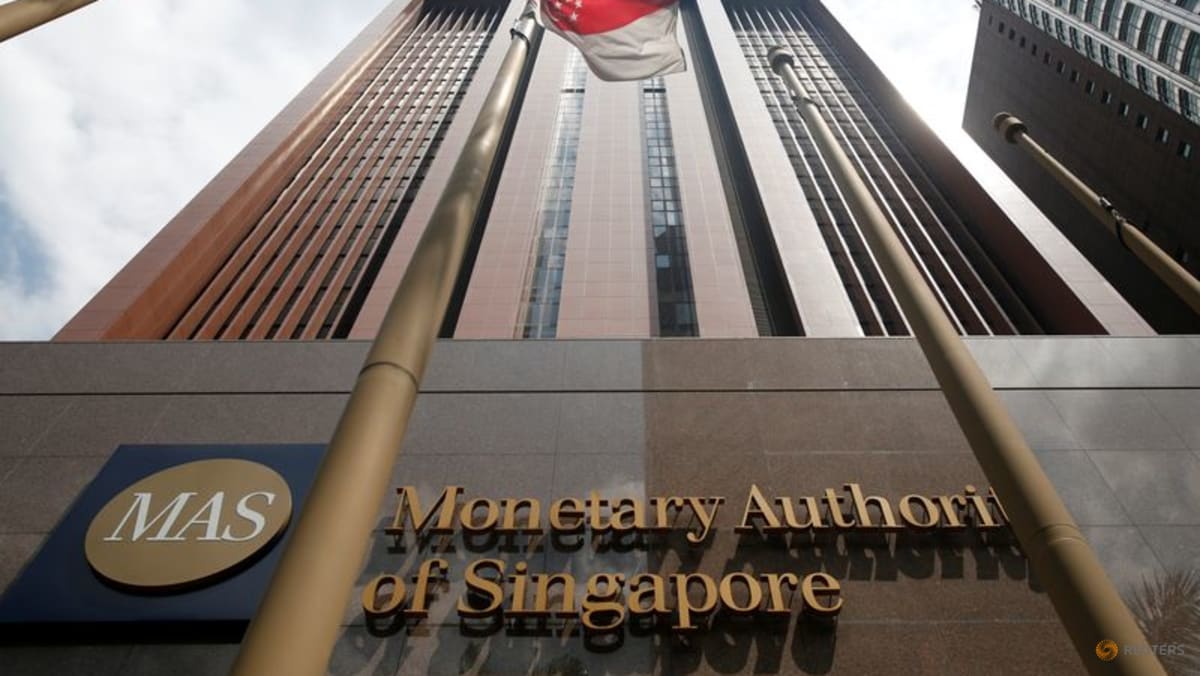
A view of the Monetary Authority of Singapore's headquarters in Singapore June 28, 2017. Picture taken June 28, 2017. REUTERS/Darren Whiteside
This audio is generated by an AI tool.
SINGAPORE: Singapore’s companies, households and financial institutions have sufficient buffers, but should stay vigilant amid macroeconomic uncertainty, said the Monetary Authority of Singapore (MAS) on Tuesday (Sep 22).
At the onset of the Middle East conflict , Singapore’s financial stress index rose sharply, but the spike was brief and soon returned to historically low levels, said the central bank.
More recently, the index edged higher alongside rising global yields , it added. The index is an indication of stress and contagion in a financial system.
Looking ahead, shifts in global risk sentiment could generate renewed stress, said MAS, highlighting that heightened geopolitical tensions in the Middle East, further trade restrictions, or a correction in the artificial intelligence cycle could lead to volatility.
CNA Games Guess Word Crack the word, one row at a time Buzzword Create words using the given letters Mini Sudoku Tiny puzzle, mighty brain teaser Mini Crossword Small grid, big challenge Word Search Spot as many words as you can Show More Show Less MAS presented these findings in its annual financial stability review, which contains the central bank's assessment of the resilience of Singapore's financial system amid global risks and domestic vulnerabilities. The rapid expansion of AI infrastructure has become an increasingly important driver of global capital demand, MAS said. Higher global interest rates, rising semiconductor and electricity costs , and the increasing dependence on market financing have raised the hurdle rate for AI investments, it added. The hurdle rate refers to the lowest rate of return for a project that a firm or investor needs in order to move forward with it. Even though AI investment continues to support economic activity and corporate earnings, the current equity valuations need strong, sustained revenue growth and “rather sizeable” eventual profitability of large investments in data centres and advanced semiconductors, MAS said. A material shortfall in earnings or expected returns could trigger a broader reassessment of AI-related valuations, said the central bank, adding that losses could cut across public equity, corporate bond and private credit markets. While economies benefitting from AI-related investments and exports can better absorb higher borrowing costs if strong earnings and investment continue, they are also more exposed to a pullback in AI , MAS noted. In contrast, those with weaker links to AI, lower trend growth and larger fiscal or current account deficits tend to be more directly affected by tighter global financial conditions, it added. MAS also highlighted renewed conflict in the Middle East and persistent uncertainty in trade policy adding to inflation risks. While access to oil reserves cushioned the initial energy shock, diminishing spare capacity leaves commodity markets more vulnerable to price volatility, it added. Higher tariffs and the prospect of more trade restrictions are also raising production costs, said the central bank. Geopolitical tensions are increasing the likelihood of recurrent disruptions across energy markets, shipping lanes and supply chains for critical technology, it added. “The increased frequency and duration of supply shocks could make inflation more volatile and unanchor expectations. Monetary policy may consequently have to be more restrictive for longer, tightening financial conditions across sovereign and corporate debt markets,” said MAS. DOMESTIC FINANCIAL CONDITIONS Domestic financial conditions have been generally accommodative against this global backdrop, said the central bank. Domestic borrowing costs have eased over the past year, with the three-month Singapore Overnight Rate Average (SORA) extending its downward trend and Singapore investment-grade credit spreads tightening, MAS said. The Straits Times Index rose 33 per cent year-on-year in the third quarter of 2026, and bank credit growth remained firm, it added. “However, rising global interest rates could exert some tightening pressures in the period ahead,” MAS said in its annual review. ADEQUATE BUFFERS Most firms and households have strong balance sheets and are expected to remain resilient under stress, said the central bank, adding that its stress tests show that these two sectors have enough buffers to manage shocks to earnings, incomes and financing costs. Highly leveraged firms or those with thinner liquidity buffers could come under strain, MAS said. Among households, only a small proportion of borrowers with limited savings buffers could face cash flow constraints, it added. “In view of the uncertain macroeconomic outlook, firms and households should manage their finances prudently and maintain adequate liquidity buffers against potential stress.” MAS’ tests confirm that banks and insurers are well-capitalised and can withstand severe macro-financial shocks, it said. Investment funds also have enough liquidity to meet redemption requests under stress, added MAS. But banks should continue to maintain sound risk management practices and healthy buffers amid the uncertain environment, said the central bank. For insurers, a broad repricing of risk assets could lead to more fund redemptions and capital losses, it added. “Investment funds should therefore maintain sound liquidity positions while insurers should ensure that they have adequate capital buffers,” said MAS in the report.
MAS presented these findings in its annual financial stability review, which contains the central bank's assessment of the resilience of Singapore's financial system amid global risks and domestic vulnerabilities.
The rapid expansion of AI infrastructure has become an increasingly important driver of global capital demand, MAS said.
Higher global interest rates, rising semiconductor and electricity costs , and the increasing dependence on market financing have raised the hurdle rate for AI investments, it added. The hurdle rate refers to the lowest rate of return for a project that a firm or investor needs in order to move forward with it.
Even though AI investment continues to support economic activity and corporate earnings, the current equity valuations need strong, sustained revenue growth and “rather sizeable” eventual profitability of large investments in data centres and advanced semiconductors, MAS said.
A material shortfall in earnings or expected returns could trigger a broader reassessment of AI-related valuations, said the central bank, adding that losses could cut across public equity, corporate bond and private credit markets.
While economies benefitting from AI-related investments and exports can better absorb higher borrowing costs if strong earnings and investment continue, they are also more exposed to a pullback in AI , MAS noted.
In contrast, those with weaker links to AI, lower trend growth and larger fiscal or current account deficits tend to be more directly affected by tighter global financial conditions, it added.
MAS also highlighted renewed conflict in the Middle East and persistent uncertainty in trade policy adding to inflation risks.
While access to oil reserves cushioned the initial energy shock, diminishing spare capacity leaves commodity markets more vulnerable to price volatility, it added.
Higher tariffs and the prospect of more trade restrictions are also raising production costs, said the central bank.
Geopolitical tensions are increasing the likelihood of recurrent disruptions across energy markets, shipping lanes and supply chains for critical technology, it added.
“The increased frequency and duration of supply shocks could make inflation more volatile and unanchor expectations. Monetary policy may consequently have to be more restrictive for longer, tightening financial conditions across sovereign and corporate debt markets,” said MAS.
DOMESTIC FINANCIAL CONDITIONS
Domestic financial conditions have been generally accommodative against this global backdrop, said the central bank.
Domestic borrowing costs have eased over the past year, with the three-month Singapore Overnight Rate Average (SORA) extending its downward trend and Singapore investment-grade credit spreads tightening, MAS said.
The Straits Times Index rose 33 per cent year-on-year in the third quarter of 2026, and bank credit growth remained firm, it added.
“However, rising global interest rates could exert some tightening pressures in the period ahead,” MAS said in its annual review.
Most firms and households have strong balance sheets and are expected to remain resilient under stress, said the central bank, adding that its stress tests show that these two sectors have enough buffers to manage shocks to earnings, incomes and financing costs.
Highly leveraged firms or those with thinner liquidity buffers could come under strain, MAS said.
Among households, only a small proportion of borrowers with limited savings buffers could face cash flow constraints, it added.
“In view of the uncertain macroeconomic outlook, firms and households should manage their finances prudently and maintain adequate liquidity buffers against potential stress.”
MAS’ tests confirm that banks and insurers are well-capitalised and can withstand severe macro-financial shocks, it said. Investment funds also have enough liquidity to meet redemption requests under stress, added MAS.
But banks should continue to maintain sound risk management practices and healthy buffers amid the uncertain environment, said the central bank.
For insurers, a broad repricing of risk assets could lead to more fund redemptions and capital losses, it added.
“Investment funds should therefore maintain sound liquidity positions while insurers should ensure that they have adequate capital buffers,” said MAS in the report.
Get our pick of top stories and thought-provoking articles in your inbox
Stay updated with notifications for breaking news and our best stories
Join our channel for the top reads for the day on your preferred chat app
受益于人工智能相关出口和投资的经济体目前可以承受更高的债务成本,但如果人工智能热潮降温,它们也是最脆弱的。
2017年6月28日,新加坡金融管理局总部大楼一景。照片拍摄于2017年6月28日。路透社/达伦·怀特赛德
这段音频由人工智能工具生成。
新加坡:新加坡金融管理局(MAS)周二(9月22日)表示,新加坡的企业、家庭和金融机构拥有足够的缓冲空间,但在宏观经济不确定性的情况下仍应保持警惕。
新加坡央行表示,中东冲突爆发之初,新加坡金融压力指数急剧上升,但这种飙升是短暂的,很快便回落到历史低位。
报告补充说,近期该指数随着全球收益率的上升而小幅走高。该指数是衡量金融体系压力和传染性的指标。
新加坡金融管理局表示,展望未来,全球风险情绪的变化可能会带来新的压力,并强调中东地缘政治紧张局势加剧、进一步的贸易限制或人工智能周期的调整都可能导致市场波动。
CNA游戏猜词游戏:逐行破解单词;流行词游戏:用给定的字母组成单词;迷你数独:小巧的谜题,强大的脑力挑战;迷你填字游戏:小方格,大挑战;单词搜索:尽可能多地找出单词。显示更多 显示更少 新加坡金融管理局(MAS)在其年度金融稳定评估报告中公布了这些发现。该报告包含了新加坡央行对新加坡金融体系在全球风险和国内脆弱性背景下的韧性评估。MAS表示,人工智能基础设施的快速扩张已成为全球资本需求日益重要的驱动因素。报告还指出,全球利率上升、半导体和电力成本上涨以及对市场融资的依赖性增强,都提高了人工智能投资的门槛收益率。门槛收益率指的是企业或投资者推进项目所需的最低回报率。MAS表示,尽管人工智能投资继续支撑经济活动和企业盈利,但目前的股权估值需要强劲、持续的收入增长,以及数据中心和先进半导体等大型投资最终“相当可观”的盈利能力。新加坡金融管理局(MAS)表示,盈利或预期回报的大幅下滑可能引发对人工智能相关估值的全面重新评估,并补充说,损失可能波及公开股票、公司债券和私人信贷市场。MAS指出,虽然受益于人工智能相关投资和出口的经济体,如果盈利和投资持续强劲增长,能够更好地承受更高的借贷成本,但它们也更容易受到人工智能领域回调的影响。相比之下,那些与人工智能联系较弱、趋势增长较低且财政或经常账户赤字较大的经济体,往往更容易受到全球金融环境收紧的直接影响。MAS还强调,中东冲突再起以及贸易政策持续的不确定性加剧了通胀风险。MAS补充说,虽然石油储备的供应缓解了最初的能源冲击,但剩余产能的减少使大宗商品市场更容易受到价格波动的影响。更高的关税和更多贸易限制的前景也在推高生产成本。MAS还表示,地缘政治紧张局势增加了能源市场、航运路线和关键技术供应链反复中断的可能性。新加坡金融管理局(MAS)表示:“供应冲击的频率和持续时间增加可能导致通胀波动加剧,并动摇市场预期。因此,货币政策可能需要在更长时间内保持紧缩状态,从而收紧主权和企业债券市场的金融环境。” 新加坡金融管理局指出,在全球经济形势下,国内金融环境总体上较为宽松。过去一年,国内借贷成本有所下降,三个月新加坡隔夜平均利率(SORA)延续了下降趋势,新加坡投资级信用利差也进一步收窄。新加坡金融管理局还表示,2026年第三季度,《海峡时报》指数同比增长33%,银行信贷增长依然稳健。金管局在其年度报告中指出:“然而,全球利率上升可能会在未来一段时间内带来一定的紧缩压力。”充足的缓冲 新加坡金融管理局(MAS)表示,大多数企业和家庭的资产负债表稳健,预计在压力下仍能保持韧性。MAS补充说,其压力测试表明,这两个行业拥有足够的缓冲来应对盈利、收入和融资成本方面的冲击。MAS指出,高杠杆企业或流动性缓冲较弱的企业可能会面临压力。MAS还表示,在家庭方面,只有一小部分储蓄缓冲有限的借款人可能会面临现金流限制。“鉴于宏观经济前景不明朗,企业和家庭应审慎管理财务,并保持充足的流动性缓冲以应对潜在的压力。” MAS表示,其测试证实,银行和保险公司资本充足,能够承受严重的宏观金融冲击。MAS补充说,投资基金也拥有足够的流动性来满足压力下的赎回需求。但MAS表示,在不确定的环境下,银行应继续保持稳健的风险管理措施和健康的缓冲。MAS补充说,对于保险公司而言,风险资产的大规模重新定价可能导致更多的基金赎回和资本损失。 “因此,投资基金应保持良好的流动性状况,而保险公司应确保拥有充足的资本缓冲,”新加坡金融管理局在报告中表示。
新加坡金融管理局在其年度金融稳定评估报告中公布了这些调查结果,该报告包含了中央银行对新加坡金融体系在全球风险和国内脆弱性面前的韧性的评估。
新加坡金融管理局表示,人工智能基础设施的快速扩张已成为全球资本需求日益重要的驱动因素。
报告补充道,全球利率上升、半导体和电力成本上涨以及对市场融资的依赖性日益增强,都提高了人工智能投资的最低回报率。最低回报率指的是企业或投资者推进项目所需的最低回报率。
新加坡金融管理局表示,尽管人工智能投资继续支撑经济活动和企业盈利,但目前的股票估值需要强劲、持续的收入增长,以及数据中心和先进半导体等大型投资最终“相当可观”的盈利能力。
该央行表示,盈利或预期回报的重大不足可能会引发对人工智能相关估值的更广泛重新评估,并补充说,损失可能会波及公共股票、公司债券和私人信贷市场。
新加坡金融管理局指出,虽然受益于人工智能相关投资和出口的经济体,如果盈利和投资持续强劲增长,就能更好地承受更高的借贷成本,但它们也更容易受到人工智能领域回调的影响。
报告补充说,相比之下,那些与人工智能联系较弱、趋势增长较低、财政或经常账户赤字较大的国家,往往会受到全球金融环境收紧的更直接影响。
马来西亚金融管理局还强调,中东地区冲突再度加剧以及贸易政策持续存在不确定性,都增加了通胀风险。
报告补充说,虽然石油储备的获取缓解了最初的能源冲击,但剩余产能的减少使大宗商品市场更容易受到价格波动的影响。
央行表示,关税上涨和贸易限制措施增多的前景也推高了生产成本。
报告还指出,地缘政治紧张局势正在增加能源市场、航运路线和关键技术供应链反复中断的可能性。
新加坡金融管理局表示:“供应冲击的频率和持续时间增加可能导致通胀波动加剧,并使市场预期失去锚定。因此,货币政策可能需要在更长时间内保持紧缩状态,从而收紧主权债务和企业债务市场的金融环境。”
国内金融状况
该央行表示,在这种全球背景下,国内金融环境总体上较为宽松。
新加坡金融管理局表示,过去一年国内借贷成本有所下降,三个月新加坡隔夜平均利率(SORA)延续了下降趋势,新加坡投资级信贷利差也收窄。
报告还指出,《海峡时报》指数在2026年第三季度同比增长33%,银行信贷增长依然稳健。
“然而,全球利率上升可能会在未来一段时间内带来一些紧缩压力,”新加坡金融管理局在其年度报告中表示。
该央行表示,大多数企业和家庭的资产负债表都很稳健,预计在压力下仍能保持韧性。央行还补充说,其压力测试表明,这两个部门有足够的缓冲来应对收益、收入和融资成本方面的冲击。
新加坡金融管理局表示,高杠杆企业或流动性缓冲较弱的企业可能会面临压力。
报告还指出,在家庭用户中,只有一小部分储蓄缓冲有限的借款人可能会面临现金流限制。
“鉴于宏观经济前景不明朗,企业和家庭应谨慎管理财务,并保持充足的流动性缓冲,以应对潜在的压力。”
金管局表示,其测试证实,银行和保险公司资本充足,能够抵御严重的宏观金融冲击。金管局还补充说,投资基金也拥有足够的流动性,能够在压力下满足赎回需求。
但央行表示,在当前不确定的环境下,各银行应继续保持稳健的风险管理措施和充足的缓冲资金。
报告还指出,对于保险公司而言,风险资产的大规模重新定价可能会导致更多基金赎回和资本损失。
“因此,投资基金应保持良好的流动性状况,而保险公司应确保拥有充足的资本缓冲,”新加坡金融管理局在报告中表示。
订阅我们的邮件,即可获取精选热点新闻和引人深思的文章。
订阅通知,第一时间获取突发新闻和精彩报道。
加入我们的频道,即可在您常用的聊天应用上获取当日热门文章。