Russia may use captured Ukrainian drones against Poland and Baltics, Warsaw warns华沙方面警告:俄罗斯可能使用缴获的乌克兰无人机攻击波兰和波罗的海国家
Russia has captured a large number of Ukrainian drones and may be planning to use them against NATO or to stage a false flag attack, Polish officials said.
VIENNA — Russia has captured a large number of Ukrainian drones and may be planning to use them against NATO or to stage a false flag attack, Polish defense minister Władysław Kosiniak-Kamysz said, adding to earlier warnings of a potential escalation.
The senior official’s statement comes after more than a month of unusual public warnings by several Eastern European countries that Russia was planning some form of a provocation or hybrid attack, with government officials citing numerous pieces of intelligence that pointed them to this conclusion.
Poland, Lithuania and Latvia have been among the countries raising the alarm, some citing U.S. intelligence that had been shared with them.
The latest information, first shared by Poland’s defense minister on Monday, outlines a concrete threat vector for what was previously a more general warning of Russian malicious intent.
The threat appears to be taken seriously by the Eastern European capitals, and the Polish government prioritized the topic for discussion in Tuesday’s security committee meeting. Following the meeting, Kosiniak-Kamysz reiterated the specific warning.
In addition to drone incursions, he also said GPS jamming and various acts of sabotage may be on the table.
The countries surrounding the Baltic Sea have been affected by Russian GPS interference since the early days of the war, sometimes leading to airport closures and navigation problems. Sabotage, too, has featured, including the disabling of a rail line in eastern Poland last year.
Government officials also noted cyber warfare as a possible avenue for Russian actions against NATO countries.
In late June, Latvian intelligence first told Fox News they had detected Russian preparations for a hybrid attack that would fall short of the threshold for open war. The attack might include “missiles, drones or other actions designed to send a signal: stop supporting Ukraine, or you will have your own problems,” Fox News Digital quoted Latvian intelligence as saying.
A week later, Polish Prime Minister Donald Tusk said he had been receiving warnings about a Russian test of NATO resolve and possible attack on Polish soil from allied intelligence agencies for weeks, adding in a press conference that “the coming months may truly be critical.” Polish publication Onet had previously reported from a source close to Polish president Karol Nawrocki that the U.S. had shared concrete warnings of hostile Russian actions with the government in Warsaw.
Last week, Latvian and Lithuanian leaders warned specifically of “limited kinetic operations” targeting critical infrastructure.
The Kremlin’s press spokesperson Dmitry Peskov dismissed this as “scare stories” that same week.
Some officials have warned that Russia may also be inclined to stage a false flag attack on its own territory to give it a pretense to escalate the war in Ukraine or expand it to include strikes on NATO countries. Polish Foreign Minister Radoslaw Sikorski warned of such a scenario in late June, saying at the time that “I expect a false flag attack on Russian territory, to which Putin ‘will respond.’”
“The Russians are planning something again; we have credible information,” Sikorski told the press several weeks later, on July 9.
Similar public messaging − including the selective sharing of high-level intelligence by Western capitals − preceded the 2022 Russian invasion of Ukraine. At the time, the Biden administration took the unprecedented step of declassifying and sharing with the public a large number of previously secret intelligence signals that pointed toward Russia preparing for a wholesale invasion of its western neighbor. Some officials and analysts have suggested the open sharing of information delayed the start of the invasion by several weeks.
Sikorski, the Polish foreign minister, said on July 9 that he hoped the current sharing of public warnings would similarly deter Russia from following through on its plans.
However, no primary intelligence beyond the verbal statements made by high-level figures has been publicly shared so far by the Western countries now raising the alarm.
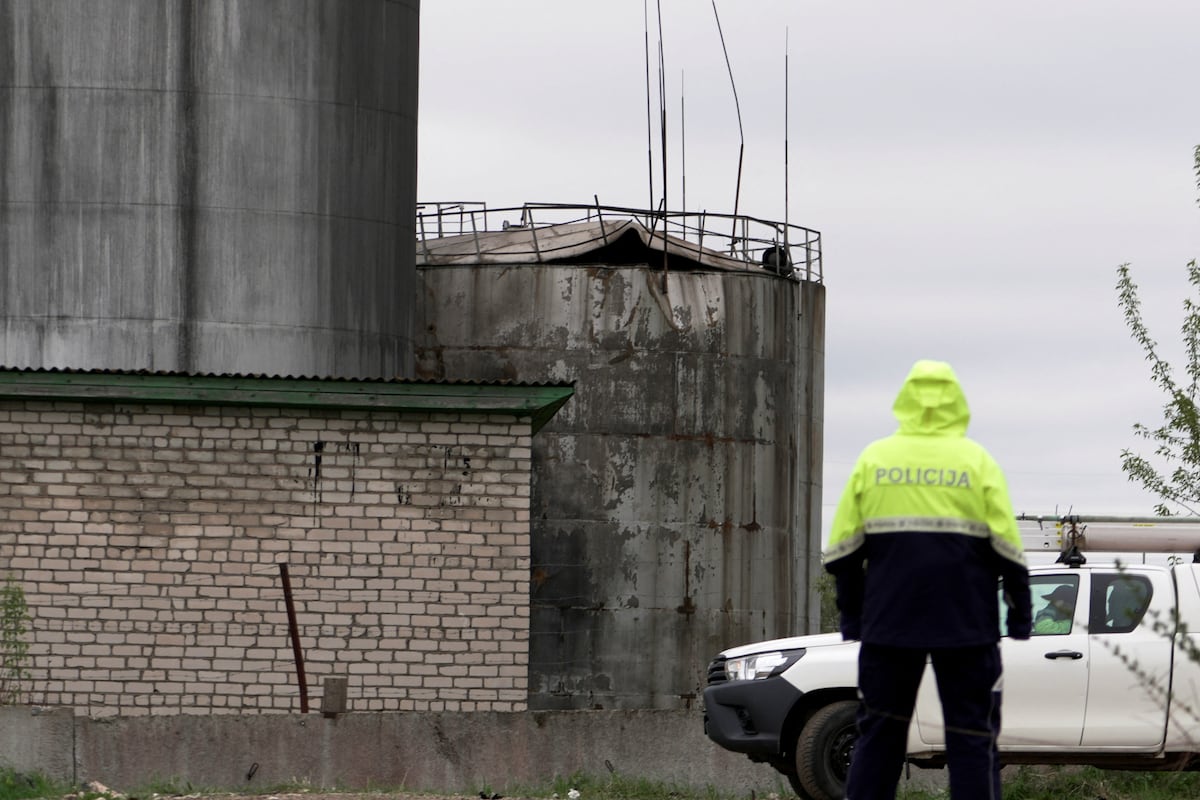
Russia has previously found ways to redirect Ukrainian drones that were launched by Kyiv to fall on NATO territory rather than reaching their intended targets of Russian military facilities, industry and oil storage facilities. The Baltic States and Finland have had several instances of misguided Ukrainian-launched drones striking their territories, including an oil storage facility in Latvia − an incident that led to two high-level resignations there, including of the prime minister.
Those cases have been publicly attributed to Russian electronic warfare and defensive signal jamming redirecting drones already in flight. Russia launching captured drones at the West would be a marked escalation from that precedent.
Linus Höller is Defense News' Europe correspondent and OSINT investigator. He reports on the arms deals, sanctions, and geopolitics shaping Europe and the world. He holds master’s degrees in WMD nonproliferation, terrorism studies, and international relations, and works in four languages: English, German, Russian, and Spanish.
维也纳——波兰国防部长瓦迪斯瓦夫·科西尼亚克-卡梅什表示,俄罗斯缴获了大量乌克兰无人机,可能计划用它们攻击北约或发动伪旗行动,这加剧了此前关于局势可能升级的警告。
这位高级官员发表声明之前,几个东欧国家已连续一个多月发出不同寻常的公开警告,称俄罗斯正计划进行某种形式的挑衅或混合攻击,政府官员援引了大量情报,指向这一结论。
波兰、立陶宛和拉脱维亚等国已发出警报,其中一些国家援引了美国向他们提供的情报。
波兰国防部长周一首次公布的最新信息,概述了一个具体的威胁载体,而此前对俄罗斯恶意意图的警告则更为笼统。
东欧各国首都似乎对这一威胁高度重视,波兰政府也在周二的安全委员会会议上将此议题列为优先讨论事项。会后,科西尼亚克-卡梅什重申了这一具体警告。
除了无人机入侵之外,他还表示,GPS干扰和各种破坏行为也可能在考虑之列。
自战争初期以来,波罗的海周边国家就一直受到俄罗斯GPS干扰的影响,有时会导致机场关闭和导航困难。破坏活动也时有发生,例如去年波兰东部的一条铁路线遭到破坏。
政府官员还指出,网络战可能是俄罗斯对北约国家采取行动的一种途径。
6月下旬,拉脱维亚情报部门率先向福克斯新闻透露,他们已发现俄罗斯正在准备发动混合攻击,但此次攻击的规模尚未达到全面战争的程度。福克斯新闻数字频道援引拉脱维亚情报部门的话说,此次攻击可能包括“导弹、无人机或其他旨在发出信号:停止支持乌克兰,否则你们将自食其果”的行动。
一周后,波兰总理唐纳德·图斯克表示,数周以来,他一直收到盟国情报机构关于俄罗斯试探北约决心并可能袭击波兰领土的警告。他在新闻发布会上补充说,“未来几个月可能至关重要”。此前,波兰媒体Onet曾援引一位接近波兰总统卡罗尔·纳沃茨基的消息人士的话报道称,美国已向华沙政府发出关于俄罗斯敌对行动的具体警告。
上周,拉脱维亚和立陶宛领导人特别警告称,可能会发生针对关键基础设施的“有限的军事行动”。
就在同一周,克里姆林宫新闻发言人德米特里·佩斯科夫驳斥了这些说法,称其为“耸人听闻的故事”。
一些官员警告称,俄罗斯也可能倾向于在其领土上发动“假旗行动”,以此为借口升级乌克兰战争或将战火扩大到北约国家。波兰外交部长拉多斯瓦夫·西科尔斯基在6月下旬就曾警告过这种可能性,当时他说:“我预计俄罗斯领土上将发生‘假旗行动’,普京‘将会做出回应’。”
“俄罗斯人又在策划什么了;我们掌握了可靠的情报,”西科尔斯基在几周后的7月9日告诉媒体。
类似的公开信息传递——包括西方国家首都选择性地分享高层情报——在2022年俄罗斯入侵乌克兰之前就已出现。当时,拜登政府采取了前所未有的举措,解密并向公众分享了大量此前保密的情报信号,这些信号指向俄罗斯正准备对其西部邻国发动全面入侵。一些官员和分析人士认为,公开分享信息使入侵推迟了数周。
波兰外交部长西科尔斯基7月9日表示,他希望目前公开发出警告的做法也能起到类似的威慑作用,阻止俄罗斯继续实施其计划。
然而,迄今为止,除了高层人士的口头声明外,西方国家尚未公开分享任何一手情报,而这些国家现在正发出警报。
俄罗斯此前曾找到方法,使基辅发射的乌克兰无人机偏离目标,落入北约领土,而非攻击俄罗斯的军事设施、工业设施和石油储存设施。波罗的海国家和芬兰都曾多次遭遇乌克兰无人机误击其领土的事件,其中包括拉脱维亚一处石油储存设施遭袭——该事件导致拉脱维亚两名高级官员辞职,其中包括总理。
这些事件已被公开归咎于俄罗斯的电子战和防御性信号干扰,导致已在飞行中的无人机偏离航线。如果俄罗斯向西方发射缴获的无人机,这将是对这一先例的显著升级。
林努斯·霍勒是《防务新闻》的欧洲记者和开源情报调查员。他报道影响欧洲乃至全球的军火交易、制裁和地缘政治。他拥有大规模杀伤性武器不扩散、恐怖主义研究和国际关系三个硕士学位,并精通英语、德语、俄语和西班牙语四种语言。