Mixing energy drinks with coffee or matcha? CASE warns teenagers about caffeine intake将能量饮料与咖啡或抹茶混合饮用?CASE警告青少年注意咖啡因摄入量
A tested mix of Monster, Red Bull and espresso contained 282.1mg of caffeine, equivalent to about three cups of brewed coffee.
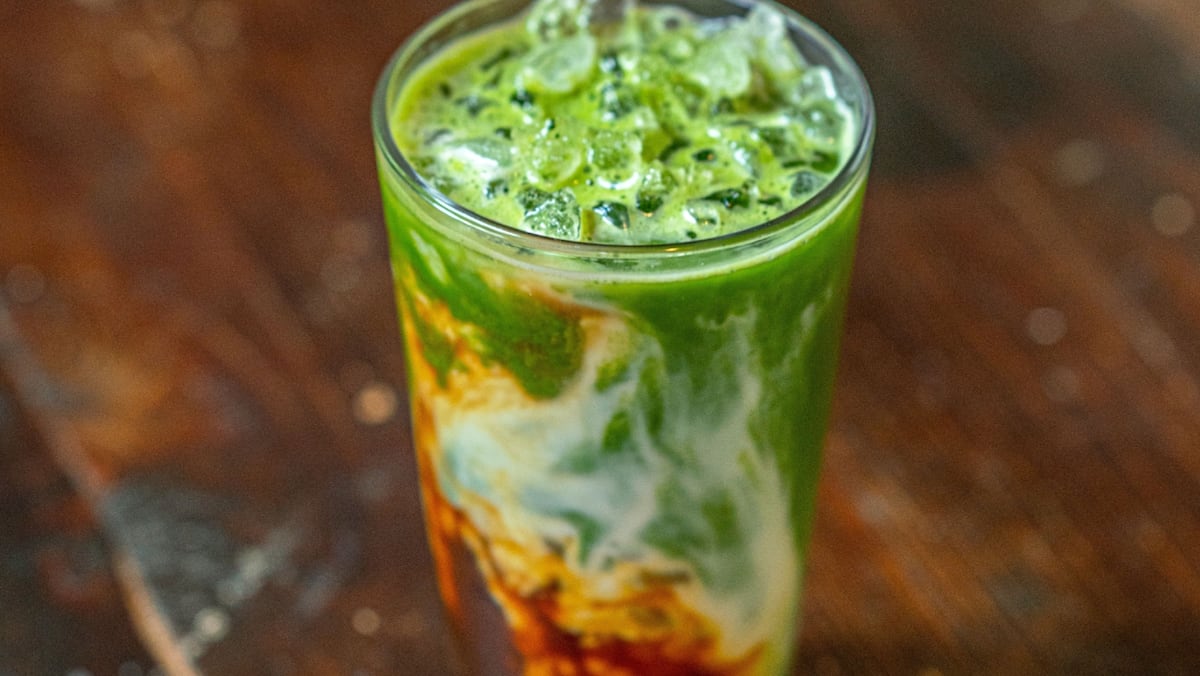
A tested mix of Monster, Red Bull and espresso contained 282.1mg of caffeine, equivalent to about three cups of brewed coffee.
A person preparing a cup of coffee. (File photo: iStock/Edwin Tan)
This audio is generated by an AI tool.
SINGAPORE: Teenagers should avoid mixing energy drinks with coffee, matcha or other sources of caffeine, the Consumers Association of Singapore (CASE) warned, after tests found that just one mixed drink could exceed the recommended daily caffeine limit for adolescents.
CASE tested six combinations of commonly consumed caffeinated beverages such as matcha, energy drinks and espresso, after there were concerns that young people may not realise how quickly caffeine can add up when different drinks are mixed.
All six combinations contained more than the recommended daily caffeine limit of 100mg for adolescents aged 12 to 18.
Four of the tested drinks, each containing one energy beverage, had between 100.45mg and 106.4mg of caffeine per 350g serving.
CNA Games Guess Word Crack the word, one row at a time Buzzword Create words using the given letters Mini Sudoku Tiny puzzle, mighty brain teaser Mini Crossword Small grid, big challenge Word Search Spot as many words as you can Show More Show Less The other two combinations, which mixed two energy beverages with espresso, contained substantially more caffeine. The strongest combination, which combined espresso with energy drinks Monster and Red Bull, contained 282.1mg of caffeine per 350g serving. This is equivalent to about three cups of brewed coffee, and is nearly three times the maximum recommended daily caffeine limit for adolescents, CASE said. It added that it conducted the tests to help consumers understand how quickly their caffeine intake can add up when mixing different caffeinated drinks, and to raise awareness of the risk of unintentionally drinking too much. RISKS OF HIGH CAFFEINE INTAKE Consuming high levels of caffeine can lead to symptoms such as headaches, rapid heart rate, anxiety, tremors and insomnia. There is no internationally recognised health-based guidance on daily caffeine intake, but Singapore's Health Promotion Board advises healthy adults to limit consumption to up to 400mg a day. The American Academy of Pediatrics recommends that those aged 12 to 18 consume no more than 100mg of caffeine daily. For children under 12, the academy recommends avoiding caffeinated food and drinks altogether.
The other two combinations, which mixed two energy beverages with espresso, contained substantially more caffeine.
The strongest combination, which combined espresso with energy drinks Monster and Red Bull, contained 282.1mg of caffeine per 350g serving.
This is equivalent to about three cups of brewed coffee, and is nearly three times the maximum recommended daily caffeine limit for adolescents, CASE said.
It added that it conducted the tests to help consumers understand how quickly their caffeine intake can add up when mixing different caffeinated drinks, and to raise awareness of the risk of unintentionally drinking too much.
RISKS OF HIGH CAFFEINE INTAKE
Consuming high levels of caffeine can lead to symptoms such as headaches, rapid heart rate, anxiety, tremors and insomnia.
There is no internationally recognised health-based guidance on daily caffeine intake, but Singapore's Health Promotion Board advises healthy adults to limit consumption to up to 400mg a day.
The American Academy of Pediatrics recommends that those aged 12 to 18 consume no more than 100mg of caffeine daily.
For children under 12, the academy recommends avoiding caffeinated food and drinks altogether.
CASE President Melvin Yong noted that some young people could turn to caffeinated drinks to stay alert as the school examination period approaches.
"We urge youths and parents to be mindful of total caffeine intake and to avoid mixing multiple sources of caffeine in a single drink," he said.
The association also advised young people to prioritise good-quality sleep, balanced meals and adequate hydration to support their concentration and performance instead.
Consumers should check caffeine labels where available, monitor total caffeine intake across the day and seek medical advice if they experience persistent discomfort or sleep-related issues after consuming caffeinated drinks, said Mr Yong.
The wider accessibility of caffeinated drinks, along with celebrity endorsements and social media trends , has contributed to their popularity among young people in recent years, experts previously interviewed by CNA said.
Concerns over caffeine consumption among children and teenagers have also drawn attention from policymakers.
After the United Kingdom proposed restricting the sale of high-caffeine energy drinks to under-16s, Mr Yong, who is also Member of Parliament for Radin Mas, asked in parliament in September 2025 whether Singapore’s health ministry was studying similar measures and whether studies here had been conducted on the impact of high-caffeine drinks on young people.
The Ministry of Health said then that no studies were being conducted in Singapore at the time.
In July this year, the British government announced that England would ban the sale of high-caffeine energy drinks to under-16s from April 2027, subject to parliamentary approval, citing evidence linking the drinks to sleep disruption, anxiety and poor concentration.
Get our pick of top stories and thought-provoking articles in your inbox
Stay updated with notifications for breaking news and our best stories
Join our channel for the top reads for the day on your preferred chat app
经测试,Monster能量饮料、红牛和浓缩咖啡的混合物含有282.1毫克咖啡因,相当于大约三杯冲泡咖啡。
有人正在冲泡咖啡。(图片来源:iStock/Edwin Tan)
这段音频由人工智能工具生成。
新加坡:新加坡消费者协会 (CASE) 警告青少年,在测试发现一杯混合饮料就可能超过青少年每日推荐的咖啡因摄入量上限后,青少年应避免将能量饮料与咖啡、抹茶或其他含咖啡因的饮品混合饮用。
CASE 测试了六种常见的含咖啡因饮料组合,例如抹茶、能量饮料和浓缩咖啡,因为有人担心年轻人可能没有意识到混合不同饮料时咖啡因的累积速度有多快。
所有六种组合的咖啡因含量均超过了 12 至 18 岁青少年每日推荐摄入量 100 毫克的上限。
测试的四款饮料,每款都含有一种能量饮料,每 350 克含咖啡因 100.45 毫克至 106.4 毫克。
CNA游戏猜词游戏:逐行破解单词;流行词游戏:用给定的字母组成单词;迷你数独:小巧的谜题,强大的脑力挑战;迷你填字游戏:小方格,大挑战;单词搜索:尽可能多地找出单词。显示更多 显示更少 另外两种混合了两种能量饮料和浓缩咖啡的组合,咖啡因含量明显更高。其中咖啡因含量最高的组合是将浓缩咖啡与能量饮料Monster和Red Bull混合,每350克含有282.1毫克咖啡因。CASE表示,这相当于大约三杯冲泡咖啡,几乎是青少年每日咖啡因摄入量上限的三倍。CASE补充说,进行这些测试是为了帮助消费者了解混合不同含咖啡因饮料时咖啡因摄入量会如何迅速累积,并提高人们对无意中摄入过量咖啡因风险的认识。高咖啡因摄入的风险 摄入大量咖啡因会导致头痛、心跳加速、焦虑、颤抖和失眠等症状。目前尚无国际公认的每日咖啡因摄入量健康指南,但新加坡健康促进局建议健康成年人每日摄入量限制在400毫克以内。美国儿科学会建议12至18岁的青少年每日咖啡因摄入量不超过100毫克。对于12岁以下的儿童,该学会建议完全避免食用含咖啡因的食物和饮料。
另外两种混合饮料是将两种能量饮料与浓缩咖啡混合而成,咖啡因含量明显更高。
最强效的组合是将浓缩咖啡与能量饮料 Monster 和红牛混合在一起,每 350 克含有 282.1 毫克咖啡因。
CASE表示,这相当于大约三杯冲泡咖啡,几乎是青少年每日推荐咖啡因摄入量上限的三倍。
该公司补充说,进行这些测试是为了帮助消费者了解混合不同含咖啡因饮料时咖啡因摄入量会迅速累积,并提高人们对无意中饮用过量咖啡因的风险的认识。
高咖啡因摄入的风险
摄入大量咖啡因会导致头痛、心跳加速、焦虑、颤抖和失眠等症状。
目前国际上没有公认的关于每日咖啡因摄入量的健康指导意见,但新加坡健康促进局建议健康成年人将每日摄入量限制在 400 毫克以内。
美国儿科学会建议 12 至 18 岁的青少年每天摄入的咖啡因不应超过 100 毫克。
对于 12 岁以下的儿童,该学院建议完全避免食用含咖啡因的食物和饮料。
CASE主席Melvin Yong指出,随着学校考试临近,一些年轻人可能会转向含咖啡因的饮料来保持清醒。
他说:“我们敦促青少年和家长注意咖啡因的总摄入量,避免在一杯饮料中混合多种咖啡因来源。”
该协会还建议年轻人优先保证良好的睡眠质量、均衡的饮食和充足的水分,以帮助他们集中注意力并提高表现。
Yong先生表示,消费者应查看咖啡因标签(如有),监测全天的咖啡因摄入总量,如果在饮用含咖啡因的饮料后出现持续不适或睡眠问题,应寻求医疗建议。
此前接受亚洲新闻台采访的专家表示,含咖啡因饮料的普及,加上名人代言和社交媒体潮流,促成了近年来这类饮料在年轻人中的流行。
儿童和青少年摄入咖啡因的问题也引起了政策制定者的关注。
在英国提议限制向 16 岁以下人群出售高咖啡因能量饮料之后,同时也是拉丁马士国会议员的杨先生于 2025 年 9 月在国会询问新加坡卫生部是否正在研究类似措施,以及新加坡是否已开展过关于高咖啡因饮料对年轻人影响的研究。
当时卫生部表示,新加坡当时并未进行任何相关研究。
今年 7 月,英国政府宣布,从 2027 年 4 月起,英格兰将禁止向 16 岁以下青少年出售高咖啡因能量饮料,但需经议会批准。政府援引证据表明,这些饮料会导致睡眠紊乱、焦虑和注意力不集中。
订阅我们的邮件,即可获取精选热点新闻和引人深思的文章。
订阅通知,第一时间获取突发新闻和精彩报道。
加入我们的频道,即可在您常用的聊天应用上获取当日热门文章。