From ‘Made in Malaysia’ to ‘Made by Malaysia’: Govt wants R&D to turn more research into commercial gains从“马来西亚制造”到“马来西亚出品”:政府希望研发成果更多地转化为商业收益
KUALA LUMPUR, Sept 22 — The government is looking to strengthen Malaysia’s research and development (R&D) ecosystem through more market-driven funding mechanisms and closer...
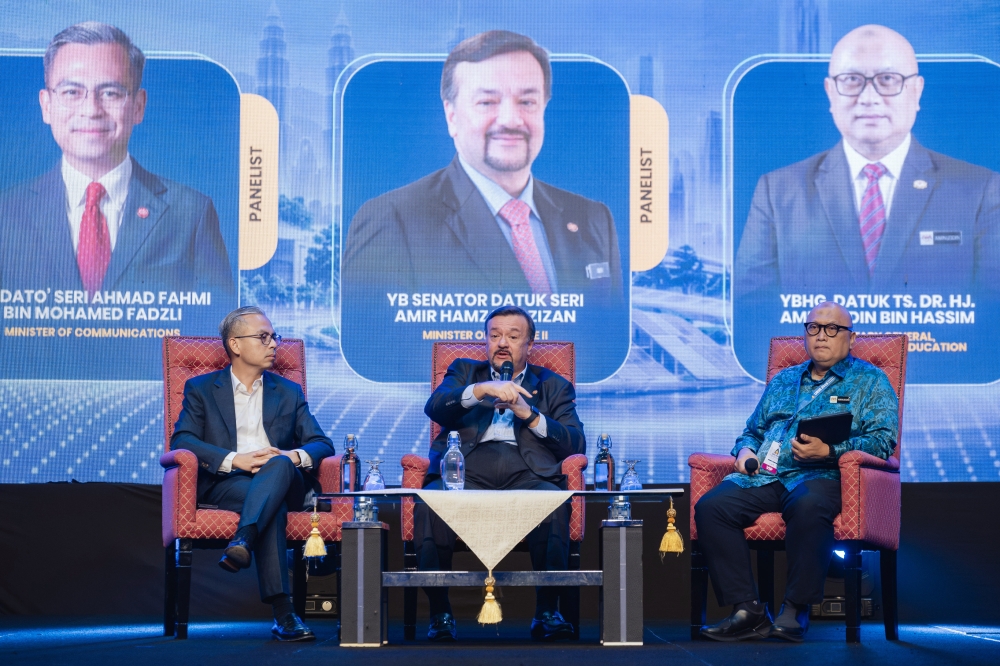
The Malaysian government aims to enhance the nation's R&D ecosystem by adopting market-driven funding mechanisms and fostering closer collaborations with the industry, as indicated by Minister of Finance II, Datuk Seri Amir Hamzah Azizan.
Transitioning from "Made in Malaysia" to "Made by Malaysia," the focus is on converting research into commercial success, including securing intellectual property and bolstering local firms' global competitiveness.
Despite R&D spending reaching approximately 1% of GDP, challenges persist in commercializing innovations, which the government plans to address by aligning research efforts with national priorities and providing capital through programs like GEAR-uP.
Additionally, universities are encouraged to focus on applied research and strengthen industry partnerships to facilitate market entry for innovations.
KUALA LUMPUR, Sept 22 — The government is looking to strengthen Malaysia’s research and development (R&D) ecosystem through more market-driven funding mechanisms and closer industry collaboration, said Minister of Finance II Datuk Seri Amir Hamzah Azizan.
He said Malaysia is shifting from a “Made in Malaysia” to a “Made by Malaysia” approach as it seeks to strengthen value creation and drive economic upgrading, with R&D playing a central role.
While Malaysia’s R&D spending has reached about one per cent of gross domestic product, or nearly RM20 billion, he said the main challenge is turning research into commercial results.
“The issue is not just the amount of R&D, but whether it leads to value capture in the country, including ownership of intellectual property and the ability of local firms to compete globally.
“What we (government) want to do is actually to make sure that we provide a capital market that can help support the development of local firms along the way by providing capital,” he said during a panel session at the University Research and Innovation Investment Summit 2026.
Amir Hamzah said the government is focusing on aligning research efforts with national priorities, including the New Industrial Master Plan, the National Semiconductor Strategy and the Energy Transition Roadmap, to attract investments and improve commercialisation prospects.
He said capital is already available through initiatives such as the GEAR-uP programme, under which government-linked investment companies have committed RM120 billion over five years, alongside about RM10 billion channelled into venture and growth funds such as Dana Perintis, Dana Permaju and Dana Impak.
However, he said the gap lies in the ability of researchers and institutions to bring innovations to the market.
“Sometimes the product may be brilliant, but if you do not know how to position and sell it, investors will not come in,” he said.
Amir Hamzah said universities also have a critical role to play by shifting towards more applied research and strengthening partnerships with industry, while continuing to build foundational knowledge through fundamental research. — Bernama
Melaka heads for polls? CM Ab Rauf set to make big announcement today
Zahid: Neither MB Ismail Lasim nor I was summoned by Negeri Sembilan Ruler for an audience
Piranha in Pahang? Fisheries Department calls in Aquaria KLCC for DNA backup
After retiring as police No 2, Ayob Khan takes on new role as UTeM board chairman
马来西亚第二财政部长拿督斯里阿米尔·哈姆扎·阿齐赞表示,马来西亚政府旨在通过采用市场驱动的融资机制和加强与行业的合作来提升该国的研发生态系统。
从“马来西亚制造”过渡到“马来西亚人制造”,重点是将研究成果转化为商业成功,包括保护知识产权和增强本地企业的全球竞争力。
尽管研发支出已达到国内生产总值的约 1%,但创新成果的商业化仍然面临挑战。政府计划通过使研究工作与国家优先事项保持一致,并通过 GEAR-uP 等计划提供资金来解决这些问题。
此外,鼓励大学注重应用研究,加强与产业界的合作,以促进创新成果进入市场。
吉隆坡,9月22日讯——马来西亚第二财政部长拿督斯里阿米尔·哈姆扎·阿齐赞表示,政府正寻求通过更多市场驱动的融资机制和更紧密的行业合作来加强马来西亚的研发生态系统。
他表示,马来西亚正在从“马来西亚制造”转向“马来西亚生产”,以期加强价值创造并推动经济升级,而研发在其中发挥着核心作用。
他表示,虽然马来西亚的研发支出已达到国内生产总值的约 1%,即近 200 亿令吉,但主要挑战在于如何将研究成果转化为商业价值。
“问题不仅在于研发投入的数量,还在于它是否能为国家带来价值,包括知识产权的所有权以及本土企业在全球竞争的能力。
“我们(政府)真正想要做的,是确保我们提供一个资本市场,通过提供资金来帮助支持本地企业的发展,”他在2026年大学研究与创新投资峰会的小组讨论会上说。
阿米尔·哈姆扎表示,政府正致力于将研究工作与国家优先事项相协调,包括新的产业总体规划、国家半导体战略和能源转型路线图,以吸引投资并改善商业化前景。
他表示,资金已经可以通过诸如 GEAR-uP 计划等举措获得,根据该计划,政府关联的投资公司已承诺在五年内投入 1200 亿令吉,此外还有约 100 亿令吉投入到 Dana Perintis、Dana Permaju 和 Dana Impak 等风险投资和成长基金中。
但他表示,差距在于研究人员和机构将创新成果推向市场的能力。
“有时候产品可能很棒,但如果你不知道如何定位和销售它,投资者就不会来,”他说。
阿米尔·哈姆扎表示,大学也应发挥关键作用,转向更多应用型研究,加强与产业界的合作,同时继续通过基础研究构建基础知识。——马新社
马六甲即将举行选举?首席部长阿卜杜勒·拉乌夫今日将宣布重大消息
阿末扎希:森美兰州元首召见MB Ismail Lasim和我
彭亨州发现食人鱼?渔业部门联系吉隆坡水族馆进行DNA备份
从警队二号人物的职位上退休后,阿约布·汗出任UTeM董事会主席一职。