Researchers found one social media threshold was linked to depression研究人员发现,社交媒体使用阈值与抑郁症有关。
An 11-year analysis found the association with depression became more pronounced when one habit was present.
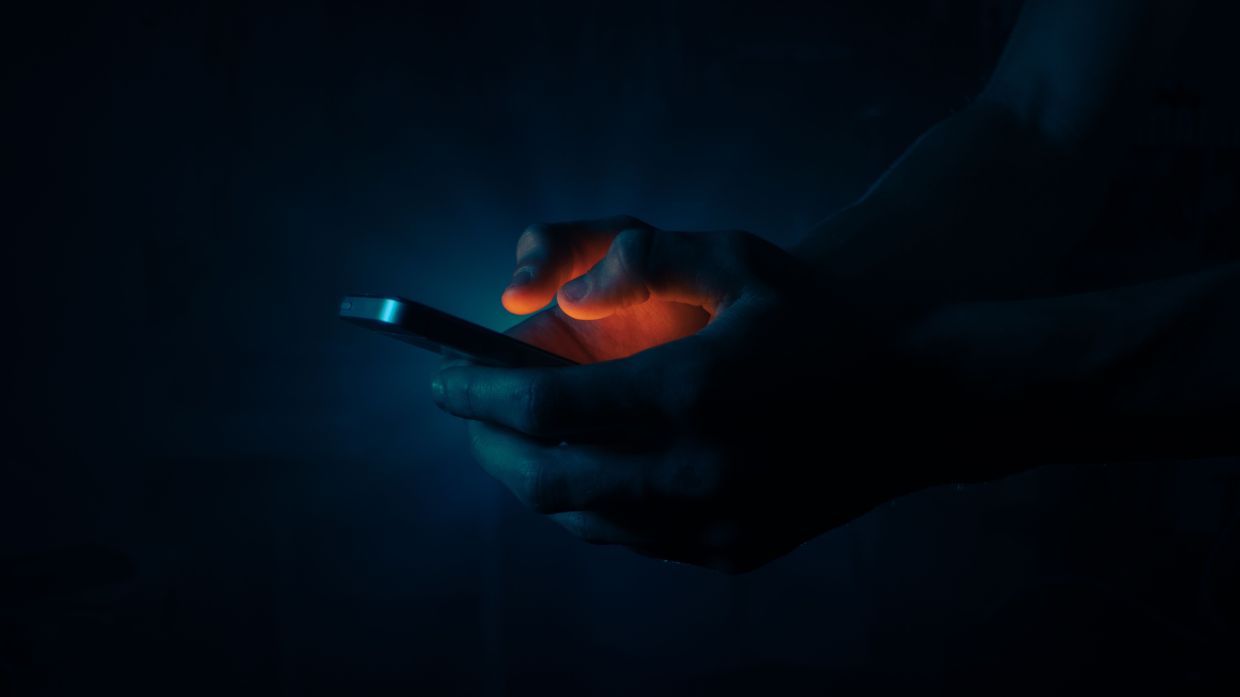
Researchers found that adults who spent over 150 minutes per day on social media were more likely to report depression. — Pexels
New research speaks to the dangers of social media.
Researchers found that adults who spent over 150 minutes per day on social media were more likely to report depression.
The study, which was published in npj Mental Health Research , analysed the relationship between social media use and self-reported depression among nearly 183,000 US adults over 11 years.
Researchers analysed 11 separate surveys conducted between 2014 and 2024 by adults aged 18 to 70. Study authors noted that the time period is significant as it encompasses the years when increased adoption of social media platforms, including Instagram, Snapchat, and TikTok, skyrocketed.
According to the study, the link between social media use and self-reported depression became more noticeable at around 150 minutes of daily usage. They also estimated that each additional hour of daily use was associated with about 17% higher odds of self-reported depression.
“This study provides even more evidence that social media use beyond about two hours a day is linked to depression,” Jean Twenge, professor of psychology at San Diego State University, told Inc.
However, it was a more nuanced aspect of the study’s finding that stood out to Twenge, who is also the author of 10 Rules for Raising Kids in a High-Tech World .
“I thought their most striking finding was that social media use predicted depression more strongly than occupation, education level, ethnicity, or marital status,” she said. “This helps put the size of the effect in context, avoiding the mischaracterisation of social media effects as ‘small.’”
According to Statista, social media users across the world spent an average of 141 minutes on such platforms last year. The amount of time spent on social media appears to have stayed relatively consistent between 2018 and 2025.
While this particular study does not examine the relationship between social media usage and self-reported depression among teens, a 2023 Gallup survey found that teens spend an average of 4.8 hours on social media platforms – nearly double the roughly 150-minute level at which researchers found the association between social media use and self-reported depression becoming more pronounced.
While the study could not establish direct causation between social media usage and depression, it offers a broader look into the relationship both over time and across a broad range of ages.
What the authors did find, however, is that “when people give up or cut back on social media use for two weeks or more they end up happier and less depressed,” Twenge said.
The study may inform future research regarding the broader implications of social media usage and its links to other mental health conditions that “frequently co-occur with depression,” such as anxiety and even suicide, according to the authors.
Concerns about the relationship between social media and mental health harm have recently faced some social and legal scrutiny. Last week, Meta reached a landmark multistate settlement regarding allegations that its platform’s features were harmful to teens, among other legal issues. – Inc./Tribune News Service
Those suffering from problems can reach out to the Mental Health Psychosocial Support Service at 03-2935 9935 or 014-322 3392; Talian Kasih at 15999 or 019-261 5999 on WhatsApp; Jakim’s (Department of Islamic Development Malaysia) family, social and community care centre at 0111-959 8214 on WhatsApp; and Befrienders Kuala Lumpur at 03-7627 2929 or go to befrienders.org.my/centre-in-malaysia for a full list of numbers nationwide and operating hours, or email sam@befrienders.org.my .
Debate over digital downtime: Mental health experts weigh under-16 social media ban
Malaysia was confident in its social media ban, but kids are still logged in
A movement to restrict social media for children has taken hold globally
Thank you for your report!
Activist remanded for two days on suspicion of posting seditious content on social media
Social media companies are trying harder to know which users are kids
Japan's social media star cat famous for resembling singer Takashi Hosokawa dies
研究人员发现,每天在社交媒体上花费超过150分钟的成年人更容易出现抑郁症状。——图片来自Pexels
最新研究揭示了社交媒体的危险性。
研究人员发现,每天在社交媒体上花费超过 150 分钟的成年人更容易出现抑郁症状。
这项研究发表在《npj 心理健康研究》杂志上,分析了近 183,000 名美国成年人在 11 年间使用社交媒体与自我报告的抑郁症之间的关系。
研究人员分析了 2014 年至 2024 年间对 18 至 70 岁成年人进行的 11 项独立调查。研究作者指出,这一时间段意义重大,因为它涵盖了 Instagram、Snapchat 和 TikTok 等社交媒体平台迅速普及的时期。
研究表明,社交媒体使用时长达到每天约150分钟时,与自我报告的抑郁症之间的关联性变得更加明显。研究人员还估计,每天每增加一小时的社交媒体使用时间,自我报告的抑郁症发生几率就会增加约17%。
“这项研究提供了更多证据,表明每天使用社交媒体超过两小时与抑郁症有关,”圣地亚哥州立大学心理学教授 Jean Twenge 告诉 Inc.。
然而,这项研究发现中一个更为微妙的方面引起了特温格的注意,他也是《高科技世界养育孩子的 10 条规则》一书的作者。
“我认为他们最引人注目的发现是,社交媒体使用情况比职业、教育水平、种族或婚姻状况更能预测抑郁症,”她说。“这有助于我们正确看待社交媒体的影响程度,避免将其误解为‘微不足道’。”
根据 Statista 的数据,去年全球社交媒体用户平均每天在这些平台上花费 141 分钟。2018 年至 2025 年间,用户在社交媒体上花费的时间似乎保持相对稳定。
虽然这项研究并未考察社交媒体使用与青少年自我报告的抑郁症之间的关系,但盖洛普 2023 年的一项调查发现,青少年平均每天在社交媒体平台上花费 4.8 小时——几乎是研究人员发现社交媒体使用与自我报告的抑郁症之间的关联变得更加明显的 150 分钟左右水平的两倍。
虽然这项研究未能确定社交媒体使用与抑郁症之间的直接因果关系,但它从更广泛的角度审视了这种关系随时间推移和不同年龄段的变化。
然而,特温格表示,作者们发现,“当人们放弃或减少使用社交媒体两周或更长时间后,他们最终会更快乐,抑郁程度也会降低。”
据作者称,这项研究可能会为未来的研究提供信息,以了解社交媒体使用及其与其他心理健康状况(如焦虑甚至自杀)之间的联系的更广泛影响,这些心理健康状况“经常与抑郁症同时出现”。
社交媒体与心理健康损害之间的关系近来受到了社会和法律界的关注。上周,Meta就其平台功能对青少年有害的指控以及其他法律问题,达成了一项具有里程碑意义的多州和解协议。——Inc./Tribune News Service
遇到问题的人可以联系以下机构:心理健康社会心理支持服务,电话:03-2935 9935 或 014-322 3392;Talian Kasih,电话:15999 或 WhatsApp:019-261 5999;马来西亚伊斯兰发展局 (Jakim) 家庭、社会和社区关怀中心,电话:0111-959 8214(WhatsApp);吉隆坡 Befrienders,电话:03-7627 2929,或访问 befrienders.org.my/centre-in-malaysia 获取全国所有联系方式和营业时间的完整列表,或发送电子邮件至 sam@befrienders.org.my。
关于数字时代停摆时间的争论:心理健康专家权衡是否应禁止16岁以下人群使用社交媒体
马来西亚对其社交媒体禁令充满信心,但孩子们仍然登录着社交媒体。
全球范围内,限制儿童使用社交媒体的运动已经兴起。
感谢您的报告!
一名活动人士因涉嫌在社交媒体上发布煽动性内容而被拘留两天。
社交媒体公司正努力识别哪些用户是儿童。
因长相酷似歌手细川隆而走红的日本社交媒体明星猫去世