Rohingya caught between Malaysia crackdown and Myanmar’s uncertain welcome罗兴亚人处境艰难,夹在马来西亚的镇压和缅甸不确定的接纳之间。
YANGON, Sept 25 — As a Rohingya exile who abandoned his life in Malaysia to return to Myanmar, Ismail’s bleak prospects may portend what awaits others caught in Kuala...
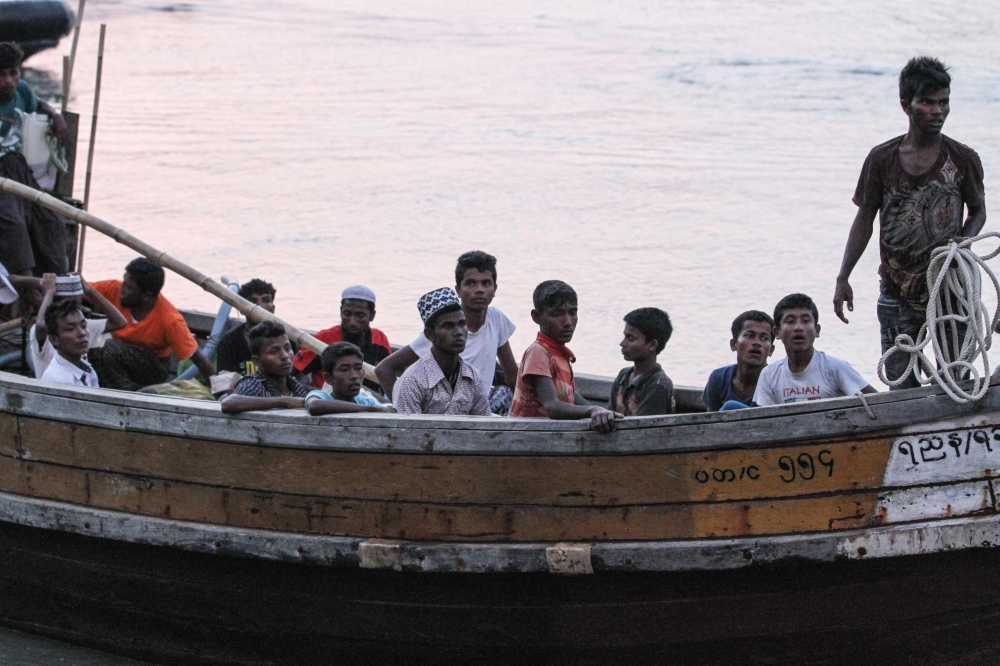
The article discusses the plight of Rohingya exiles, focusing on Ismail, who returned to Myanmar from Malaysia amidst a crackdown on migrants.
Despite Malaysia being a Muslim-majority country, the Rohingya face growing xenophobia, and a controversial repatriation scheme is underway.
This situation raises concerns about the voluntariness of these returns and whether they set a dangerous precedent for other countries.
As Myanmar denies Rohingya full citizenship and continues to be embroiled in civil conflict, returning Rohingya migrants face uncertain futures.
YANGON, Sept 25 — As a Rohingya exile who abandoned his life in Malaysia to return to Myanmar, Ismail’s bleak prospects may portend what awaits others caught in Kuala Lumpur’s migrant crackdown.
Weeks ago, the 25-year-old was eking out a living at a Malaysia fish market, one of legions of the Muslim minority group who left Myanmar to escape violence some monitors say amounted to genocide.
But a wave of anti-Rohingya sentiment, migrant arrests and a government plan to repatriate Myanmar nationals drove Ismail back, even though the nation he fled still denies him full citizenship.
“People without a country like us, we have nowhere to come back (to),” said Ismail, using a pseudonym for security reasons like other Rohingya in this story.
He subsists jobless on the charity of family in Yangon, carrying ID branding him a second-class citizen and cowering from the security forces who spearheaded the crackdown on his people.
“We are the most discriminated people,” said Ismail, “the people from nowhere”.
Nearly 1,500 Myanmar migrants are due to be sent home from Malaysia next week, the first of 5,000 that Kuala Lumpur says agreed to “voluntary” repatriation from detention centres.
Malaysia’s foreign and home ministries have not responded to a query on what proportion will be Rohingya.
But the group makes up two-thirds of the 190,000 Myanmar refugees and asylum seekers in the country, according to the United Nations.
The Rohingya left Myanmar en masse starting in 2017 when a crackdown of mass killing, rape and arson began in western Rakhine state.
Rights groups say it was a military-led campaign of ethnic cleansing, a claim the armed forces deny.
The majority of Rohingya -- 1.2 million—now live over the Bangladesh border in overcrowded camps, while Malaysia is the second-largest host nation.
Despite Malaysia being a Muslim-majority country, the Rohingya there are facing pressure, including from an online campaign that rights advocates say is fuelling xenophobia and intimidation.
For years, efforts to repatriate Rohingya to Myanmar have stalled over the ethics of returning them to a country where conditions have only worsened since a 2021 coup that triggered civil war.
Some fear Malaysia’s return scheme will erode existing protections.
“Whether or not Rohingya are among those returned, this could set a troubling precedent,” said one UN official in the region, speaking anonymously because they were not authorised to talk to media.
“Other countries in the region could follow suit despite ongoing risks in Myanmar.”
With many Rohingya sequestered inside detention centres with reportedly dire living conditions, it is hard to judge how voluntary the repatriations are.
“Given the choice, I don’t think anyone wants to stay there,” said Yap Lay Sheng, a senior human rights specialist with NGO Fortify Rights.
“They would rather risk their life and go back home.”
The Myanmar government has pledged a “safe and dignified” welcome. But it is unclear where the Myanmar navy ships slated to carry them will dock, and what their future holds.
Myanmar-based activist Mohammad fears any fellow Rohingya may be dispatched to impoverished and besieged displacement camps in Rakhine.
Four residents recently died there in a suspected cholera outbreak, while both sides of the civil war are accused of atrocities against the Rohingya.
“I feel extremely helpless,” said 26-year-old Mohammad. “They don’t recognise us as human.”
But he struck a note of resilience: “While they don’t count us as people, I still have my own life and hope—because I was born human.”
Yap of Fortify Rights said the Rohingya are being treated as “bargaining chips”.
Malaysian Prime Minister Datuk Seri Anwar Ibrahim is “politically embattled” and “wants to be seen as powerful on immigration enforcement” ahead of elections due by early 2028, he said.
Myanmar meanwhile is seeking favour from Malaysia as it tries to shake off its post-coup pariah status.
Anwar has invited coup leader turned civilian president Min Aung Hlaing for an official visit in a bid to expedite the repatriations.
It would be the first such welcome since the coup for Min Aung Hlaing, named as a chief architect of the Rohingya crackdown in numerous legal cases.
The Myanmar military claims the campaign was targeting insurgents, but the International Court of Justice is weighing whether it constituted genocide.
Caught between a hostile adoptive home and a motherland that denies their rights, Rohingya migrants in Malaysia, like 30-year-old Asif, face an agonising choice.
“I get a headache just thinking about where to go,” he said. — AFP
Beyond reconciliation: How the National Population and Family Development Board helps non-Muslim couples part ways peacefully
Haze doesn’t just hurt your lungs: Experts warn of hidden damage to skin, scalp and eyes
N. Sembilan Ruler formally revokes appointments of 10 exco members
文章探讨了罗兴亚流亡者的困境,重点讲述了伊斯梅尔的故事。在缅甸政府镇压移民之际,他从马来西亚返回了缅甸。
尽管马来西亚是一个穆斯林占多数的国家,但罗兴亚人面临着日益严重的仇外情绪,一项备受争议的遣返计划正在进行中。
这种情况引发了人们对这些申报是否自愿的担忧,以及它们是否会为其他国家树立危险的先例。
由于缅甸拒绝给予罗兴亚人完全公民权,并且持续深陷内战,返回缅甸的罗兴亚移民面临着不确定的未来。
仰光,9 月 25 日——作为一名放弃在马来西亚的生活返回缅甸的罗兴亚流亡者,伊斯梅尔黯淡的前景可能预示着其他被困在吉隆坡移民镇压行动中的人们将面临的命运。
几周前,这位 25 岁的年轻人还在马来西亚的一个鱼市勉强糊口,他是众多离开缅甸以逃避暴力的穆斯林少数群体成员之一,一些观察人士称,这种暴力行为相当于种族灭绝。
但是,一股反罗兴亚情绪、移民逮捕以及政府遣返缅甸国民的计划迫使伊斯梅尔返回缅甸,尽管他逃离的国家仍然不承认他的公民身份。
“像我们这样没有国家的人,无处可去,”伊斯梅尔说道,出于安全考虑,他和故事中的其他罗兴亚人一样使用了化名。
他无业游民,靠仰光的家人接济度日,身上带着表明自己是二等公民的身份证,时刻提防着带头镇压他族人的安全部队。
“我们是受歧视最严重的人,”伊斯梅尔说,“我们是无名之辈。”
下周,近 1500 名缅甸移民将从马来西亚被遣返回国,这是吉隆坡方面表示已同意从拘留中心“自愿”遣返的 5000 名移民中的第一批。
马来西亚外交部和内政部尚未回应有关罗兴亚人将占多大比例的询问。
但据联合国统计,该群体占缅甸境内 19 万难民和寻求庇护者的三分之二。
2017 年,缅甸若开邦西部开始进行大规模屠杀、强奸和纵火的镇压行动,罗兴亚人开始大规模离开缅甸。
人权组织称这是一场由军方主导的种族清洗运动,但军方否认了这一说法。
目前,绝大多数罗兴亚人(120万)居住在孟加拉国边境拥挤的难民营中,而马来西亚是第二大收容国。
尽管马来西亚是一个穆斯林占多数的国家,但那里的罗兴亚人正面临着压力,包括来自网络运动的压力。人权倡导者称,这场网络运动正在助长仇外心理和恐吓行为。
多年来,将罗兴亚人遣返回缅甸的努力一直停滞不前,原因在于将他们送回一个自 2021 年政变引发内战以来情况只会恶化的国家,这在道德上存在争议。
有人担心马来西亚的遣返计划会削弱现有的保护措施。
“无论罗兴亚人是否在返回者之列,这都可能开创一个令人不安的先例,”一位联合国驻该地区官员匿名表示,因为他没有被授权接受媒体采访。
“尽管缅甸仍存在风险,但该地区其他国家可能会效仿。”
由于许多罗兴亚人被隔离在拘留中心,据报道生活条件极其恶劣,因此很难判断遣返行动是否出于自愿。
“如果可以选择,我认为没有人愿意留在那里,”非政府组织“强化人权”(Fortify Rights)的高级人权专家叶丽生(Yap Lay Sheng)说。
“他们宁愿冒着生命危险回家。”
缅甸政府承诺将给予他们“安全且有尊严的”欢迎。但目前尚不清楚缅甸海军舰艇将在哪里停靠,以及他们的未来会如何。
缅甸活动人士穆罕默德担心,任何罗兴亚同胞都可能被送往若开邦贫困且被围困的流离失所者营地。
最近,当地有四名居民在疑似霍乱疫情中死亡,而内战双方都被指控对罗兴亚人犯下暴行。
“我感到非常无助,”26岁的穆罕默德说。“他们不把我们当人看。”
但他流露出坚韧不拔的精神:“虽然他们不把我们当人看待,但我仍然拥有自己的生活和希望——因为我生而为人。”
人权组织“Fortify Rights”的Yap表示,罗兴亚人正被当作“谈判筹码”。
他说,马来西亚总理拿督斯里安华·易卜拉欣“在政治上处境艰难”,并且“希望在2028年初的大选前,在移民执法方面展现出强硬姿态”。
与此同时,缅甸正寻求马来西亚的支持,以摆脱政变后被国际社会孤立的局面。
安瓦尔已邀请政变领导人、现任文职总统敏昂莱进行正式访问,以加快遣返进程。
这将是自政变以来敏昂莱首次受到这样的欢迎,他在多起法律案件中被指控为罗兴亚人镇压行动的主要策划者。
缅甸军方声称此次军事行动的目标是叛乱分子,但国际法院正在权衡这是否构成种族灭绝。
像 30 岁的阿西夫这样的罗兴亚移民,夹在充满敌意的收养家庭和否认他们权利的祖国之间,在马来西亚面临着痛苦的选择。
“光是想想该去哪儿我就头疼,”他说。——法新社
超越和解:国家人口与家庭发展委员会如何帮助非穆斯林夫妇和平分手
雾霾不仅损害肺部:专家警告称,它还会对皮肤、头皮和眼睛造成隐性损害。
森美兰州统治者正式撤销10名行政议员的任命