Piranhas in Pahang? What we know about the mystery fish found at Klau Dam彭亨州有食人鱼?关于克劳水坝发现的神秘鱼类,我们了解多少?
KUALA LUMPUR, Sept 26 — Piranhas are not native to Malaysia.But that distinction has come into focus after fish suspected to be piranhas were reportedly caught around Klau Dam...
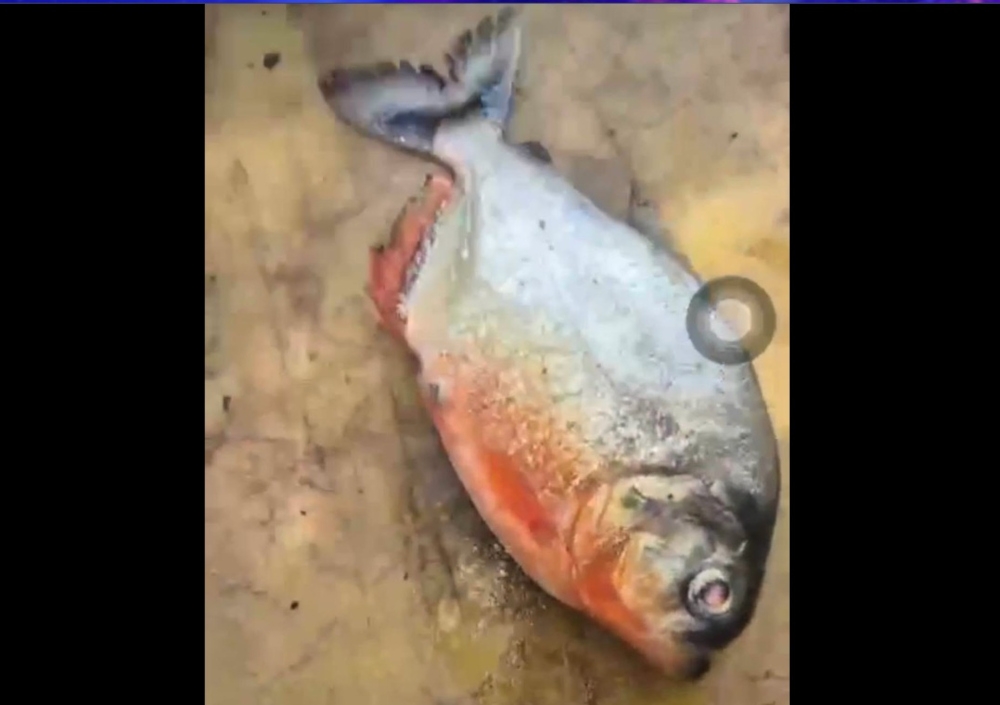
Piranhas, native to South America, are not naturally found in Malaysian waters, sparking concerns after suspected sightings at Klau Dam, Pahang, prompting investigations by the Department of Fisheries.
As of now, there's no physical specimen to confirm a piranha population at the dam, though morphological assessments suggest a resemblance to piranhas, with further DNA analysis planned.
The Department of Fisheries urges locals to retain any caught fish resembling piranhas for proper examination to prevent potential ecological impacts from non-native species.
KUALA LUMPUR, Sept 26 — Piranhas are not native to Malaysia.
But that distinction has come into focus after fish suspected to be piranhas were reportedly caught around Klau Dam in Raub, Pahang, prompting the Department of Fisheries (DOF) to investigate whether the non-native fish may have been introduced into Malaysian waters.
So far, however, the department says there is no concrete evidence that a piranha population has become established at the dam.
So what exactly are piranhas, how dangerous are they, and how did fish resembling a species associated with South America come to be reported in Pahang?
Here is what we know.
Piranhas are freshwater fish belonging to the family Serrasalmidae , a group that also includes closely related fish such as pacus.
They are native to Central and South America, with many species occurring in major South American river systems, including the Amazon basin.
Exactly how many species qualify as piranhas is not straightforward because their taxonomy has been revised over time and scientists continue to distinguish between closely related species.
Among the best known is the red-bellied piranha, scientifically known as Pygocentrus nattereri .
That is the species cited in reports surrounding the Klau sightings, although Malaysian authorities have yet to confirm the identity of the fish caught there.
Why are they known for their teeth?
Piranhas are recognisable for their powerful jaws and sharp, interlocking teeth.
Red-bellied piranhas have a particularly distinctive appearance, with a reddish underside and teeth adapted for cutting pieces from prey.
They eat fish and a variety of other animals, including shrimp, worms and molluscs.
Their diet varies between species, however, and piranhas are not simply specialised predators that spend their lives hunting larger animals.
Their reputation as ferocious man-eaters has also been exaggerated.
National Geographic Kids notes that although red-bellied piranhas can swim and hunt in shoals numbering more than 100, researchers believe grouping also provides protection rather than serving purely as a means of attacking prey. Reports of red-bellied piranhas attacking humans are extremely rare, according to the publication.
A 2025 study published in the Revista da Sociedade Brasileira de Medicina Tropical also found that media portrayals have contributed to the perception of piranhas as relentless killers.
Researchers examined 711 reported human cases in Brazil over a 10-year period and found that 82.27 per cent were classified as mild.
The study found that most reported injuries were mild and commonly involved single bites, while reports also associated incidents with factors including breeding behaviour and the improper disposal of food into rivers.
Do piranhas really eat people?
Piranhas can bite humans, but the popular image of shoals stripping people to the bone is largely a product of folklore and sensationalised portrayals.
That does not mean they are harmless.
Some species can inflict painful bites, particularly when defending nests or young, or when environmental conditions and human activity affect their behaviour.
The 2025 Brazilian study found that 29.62 per cent of the reported cases examined occurred during the breeding season, while 25.92 per cent were associated with the improper disposal of food in rivers.
In other words, the presence of piranhas does not automatically mean swimmers face an attack by a school of fish.
How big can they get?
The red-bellied piranha can grow to about 14 inches, or roughly 36cm, according to National Geographic Kids .
What else is unusual about them?
Red-bellied piranhas can communicate through sound.
When aggressive, some produce bark-like sounds as a warning to other piranhas to keep their distance.
Females can also lay thousands of eggs.
So are piranhas found naturally in Malaysia?
No. Piranhas are not part of Malaysia’s natural freshwater fauna.
Their presence in Malaysian waters would therefore represent the introduction of a non-native species.
The DOF lists piranhas among alien fish that must not be released into public waters. Its fisheries database also names other non-native species including pacu, arapaima and peacock bass among fish that cannot be released.
The department has warned that alien species can affect native fish populations and disrupt aquatic ecosystems if they become established.
What happened at Klau Dam?
The current concerns began after a fish suspected to be a piranha was caught at Klau Dam on August 26.
The fish was caught by a local resident using a cast net, and footage of the catch was subsequently circulated through a WhatsApp group.
On September 17, the DOF said its Fisheries Research Institute in Glami Lemi, Negeri Sembilan, had examined photographs and video recordings and found that the fish’s observable morphological characteristics were consistent with the genus Pygocentrus, which includes piranhas.
However, the department could not definitively identify the species because the physical specimen was no longer available. The fish had reportedly died and been discarded before investigators could examine it.
Monitoring by the Pahang Fisheries Department up to September 15 had also found no additional confirmed catches or related safety incidents.
Then, on September 19, angling group Jejak Air Tawar claimed that a second red-bellied piranha had been caught in Sungai Klau beneath a bridge.
The group identified the fish as Pygocentrus nattereri, but acknowledged that the discovery did not establish that the species had begun breeding in the river.
The claimed second catch has not been independently confirmed by the DOF.
What does the Fisheries Department say now?
As of its latest update on September 22, the department could still not conclusively identify the fish, although preliminary analysis of video footage found that its morphology more closely resembled a piranha than a pacu.
Fisheries director-general Datuk Adnan Hussain said the department would collaborate with Aquaria KLCC on DNA or environmental DNA, or eDNA, analysis to help identify the fish.
The collaboration would draw on ‘live’ piranha specimens and existing DNA information held by Aquaria KLCC.
Adnan said confirmation was not possible without a physical specimen.
The department has instructed inland fishermen around Klau Dam to retain and surrender any fish resembling a piranha for examination, including checks of its morphology, scales and teeth.
Adnan said there had been reports of similar fish being found by fishermen, but the specimens had already been discarded.
For now, the department says there is no concrete evidence that a population of the species has become established at Klau Dam, and there have been no reports of unusual deaths among local fish or attacks involving anglers or members of the public.
Could piranhas survive in Malaysia?
According to Adnan, if the fish is eventually confirmed to be a piranha, it could potentially adapt and reproduce in Malaysia because of similarities between Malaysia’s equatorial climate and conditions in its native habitat.
That does not mean a population has become established at Klau Dam.
Determining whether the fish was an isolated release, part of a small group or evidence of a reproducing population will require further investigation — and, importantly, confirmed specimens.
That is why the department is asking fishermen and members of the public not to discard suspected piranhas.
What has Malaysia done about alien fish before?
The Klau case is not the first time authorities have raised concerns about non-native fish.
In March, the DOF and police seized prohibited fish including arapaima, sturgeon, peacock bass, pacu and Amazon redtail catfish during inspections of ornamental fish premises along Jalan Pudu in Kuala Lumpur.
The operation involved 42 enforcement officers and resulted in seizures estimated at RM35,674.
The department said the species were considered high-risk because of their invasive potential and possible impact on local biodiversity if released into public waters.
What should anglers do if they catch one?
The DOF has advised that suspected alien fish should not be released back into the water.
Instead, fishermen and anglers who catch fish resembling piranhas around Klau Dam have been asked to retain the specimen and hand it to the Pahang Fisheries Department for examination.
Kuching Marathon cancellation a blow to 13,000 participants who made travel plans, says Sarawak sports minister
EC: 43,309 new voters added in August — check the electoral roll by October 24
Anwar hails Malaysia’s Asian Games sepak takraw gold after 36-year wait
原产于南美洲的食人鱼在马来西亚水域并不常见,因此在彭亨州克劳水坝疑似发现食人鱼后引发了人们的担忧,促使渔业部门展开调查。
截至目前,还没有实物标本可以证实水坝附近存在食人鱼种群,但形态学评估表明其与食人鱼相似,并计划进行进一步的 DNA 分析。
渔业部门敦促当地居民保留任何捕获的类似食人鱼的鱼类,以便进行适当检查,防止外来物种对生态造成潜在影响。
吉隆坡,9月26日讯——食人鱼并非马来西亚本土物种。
但据报道,在彭亨州劳勿的克劳水坝附近捕获了疑似食人鱼的鱼类后,这种区别变得尤为突出,促使渔业部调查这种非本地鱼类是否可能已被引入马来西亚水域。
但该部门表示,到目前为止,还没有确凿证据表明食人鱼种群已经在水坝附近定居。
那么,食人鱼究竟是什么?它们有多危险?为什么在彭亨州会发现类似南美洲物种的鱼类?
以下是我们目前所了解的情况。
食人鱼是属于锯脂鲤科的淡水鱼,该科还包括一些与其密切相关的鱼类,例如帕库鱼。
它们原产于中美洲和南美洲,许多物种生活在南美洲的主要河流系统中,包括亚马逊河流域。
究竟有多少种鱼类可以被称作食人鱼并不简单,因为它们的分类随着时间的推移而不断修订,科学家们也一直在区分密切相关的物种。
其中最著名的是红腹食人鱼,学名为 Pygocentrus nattereri。
尽管马来西亚当局尚未确认在那里捕获的鱼的身份,但与克劳目击事件相关的报告中提到的物种就是这种鱼。
为什么他们以牙齿闻名?
食人鱼最显著的特征是它们强有力的下颚和锋利、相互咬合的牙齿。
红腹食人鱼外形特别独特,腹部呈红色,牙齿适于从猎物身上切割肉块。
它们吃鱼类和各种其他动物,包括虾、蠕虫和软体动物。
然而,不同种类的食人鱼的饮食习惯各不相同,而且食人鱼并非只是终其一生都在捕猎大型动物的专门捕食者。
它们作为凶猛食人兽的名声也被夸大了。
《国家地理儿童版》指出,虽然红腹食人鱼可以成群结队地游泳和捕猎,数量可达百余条,但研究人员认为,群居除了攻击猎物之外,也起到保护作用。该刊物还提到,红腹食人鱼攻击人类的报道极其罕见。
《巴西热带医学杂志》(Revista da Sociedade Brasileira de Medicina Tropical)于 2025 年发表的一项研究还发现,媒体的描述助长了人们对食人鱼的认知,认为它们是无情的杀手。
研究人员调查了巴西 10 年间报告的 711 例人类病例,发现其中 82.27% 为轻症。
该研究发现,大多数报告的伤害都很轻微,通常涉及单次咬伤,而报告还表明,这些事件与繁殖行为和不当处理食物到河流等因素有关。
食人鱼真的会吃人吗?
食人鱼会咬人,但食人鱼群将人啃得只剩骨头的流行形象,很大程度上是民间传说和耸人听闻的描述所致。
但这并不意味着它们无害。
有些物种会造成疼痛的叮咬,尤其是在保护巢穴或幼崽时,或者当环境条件和人类活动影响其行为时。
2025 年巴西的一项研究发现,在所调查的报告病例中,29.62% 发生在繁殖季节,而 25.92% 与在河流中不当处置食物有关。
换句话说,食人鱼的存在并不意味着游泳者一定会遭到鱼群的攻击。
它们能长多大?
据《国家地理儿童》报道,红腹食人鱼可以长到约 14 英寸,也就是大约 36 厘米。
它们还有哪些不寻常之处?
红腹食人鱼可以通过声音进行交流。
当具有攻击性时,有些食人鱼会发出类似犬吠的声音,警告其他食人鱼保持距离。
雌性一次也能产下数千枚卵。
那么,马来西亚自然界中真的有食人鱼吗?
不,食人鱼并非马来西亚天然淡水动物群的一部分。
因此,它们在马来西亚水域的出现代表着外来物种的引入。
美国渔业部将食人鱼列为禁止放生到公共水域的外来鱼类之一。其渔业数据库还将其他非本地物种,包括巨骨舌鱼、帕库鱼和孔雀鲈,也列入了禁止放生的鱼类名单。
该部门警告说,外来物种一旦定居下来,就会影响本地鱼类种群,并破坏水生生态系统。
克劳水坝发生了什么事?
目前的担忧始于 8 月 26 日在克劳水坝捕获的一条疑似食人鱼的鱼。
这条鱼是当地居民用撒网捕获的,随后捕获过程的视频在 WhatsApp 群组中传播开来。
9 月 17 日,渔业部表示,其位于森美兰州格拉米莱米的渔业研究所检查了照片和视频录像,发现该鱼的可观察形态特征与食人鱼属(Pygocentrus)相符。
然而,由于实物标本已丢失,该部门无法最终确定鱼的种类。据报道,这条鱼在调查人员能够检查之前就已经死亡并被丢弃。
彭亨州渔业部门截至9月15日的监测也未发现其他已确认的捕捞量或相关安全事故。
随后,9 月 19 日,垂钓团体 Jejak Air Tawar 声称在 Sungai Klau 的一座桥下捕获了第二条红腹食人鱼。
该研究小组将这种鱼鉴定为纳氏鲃(Pygocentrus nattereri),但承认这一发现并不能证明该物种已开始在河中繁殖。
据称捕获的第二只渔获物尚未得到美国渔业部的独立证实。
渔业部门现在怎么说?
截至 9 月 22 日的最新更新,该部门仍无法最终确定该鱼的身份,尽管对视频录像的初步分析发现,它的形态更像食人鱼而不是帕库鱼。
渔业总监拿督阿德南·侯赛因表示,该部门将与吉隆坡水族馆合作,进行DNA或环境DNA(eDNA)分析,以帮助识别这些鱼。
此次合作将利用吉隆坡水族馆保存的“活体”食人鱼标本和现有的 DNA 信息。
阿德南表示,没有实物样本,无法确认结果。
该部门已指示克劳水坝附近的内陆渔民保留并上交任何形似食人鱼的鱼类以供检查,包括检查其形态、鳞片和牙齿。
阿德南说,有报道称渔民发现了类似的鱼,但这些鱼已经被丢弃了。
目前,该部门表示,尚无确凿证据表明该物种已在克劳水坝定居,也没有当地鱼类出现异常死亡或袭击垂钓者或公众的报告。
食人鱼能在马来西亚生存吗?
据阿德南称,如果最终确认这种鱼是食人鱼,它有可能适应马来西亚并在那里繁殖,因为马来西亚的赤道气候与食人鱼的原生栖息地条件相似。
但这并不意味着克劳水坝附近已经形成了人口定居点。
确定这条鱼是孤立放生的、小群体的一部分还是繁殖种群的证据,需要进一步调查——更重要的是,需要确认的样本。
因此,该部门呼吁渔民和公众不要丢弃疑似食人鱼的鱼。
马来西亚之前对入侵鱼类采取过哪些措施?
克劳案并非当局首次对非本地鱼类表示担忧。
今年 3 月,渔业部和警方在吉隆坡 Jalan Pudu 沿线的观赏鱼养殖场进行检查时,查获了包括巨骨舌鱼、鲟鱼、孔雀鲈、帕库鱼和亚马逊红尾鲶在内的违禁鱼类。
此次行动共出动 42 名执法人员,缴获赃物估计价值 35,674 令吉。
该部门表示,这些物种被认为是高风险物种,因为它们具有入侵潜力,如果被释放到公共水域,可能会对当地生物多样性造成影响。
如果钓鱼者钓到这种鱼,应该怎么办?
美国渔业部建议,不应将疑似外来鱼类放回水中。
相反,在克劳水坝附近捕获类似食人鱼的鱼类的渔民和垂钓者被要求保留样本并将其交给彭亨州渔业部门进行检验。
砂拉越体育部长表示,古晋马拉松取消对13000名已制定出行计划的参赛者来说是一个打击。
选举委员会:8月份新增选民43,309人——请在10月24日前查看选民名册。
等待36年后,安瓦尔欢呼马来西亚亚运藤球金牌