From trade fair to carnival, a look back at Pesta Pulau Pinang as its five-decade home makes way for LRT从贸易博览会到嘉年华,回顾槟城节庆活动,其举办了五十年的场地即将为轻轨让路。
GEORGE TOWN, Sept 27 — For the first time in over five decades, Pesta Pulau Pinang will not be held on the grounds Penangites have long called home.The festival’s longtime site...
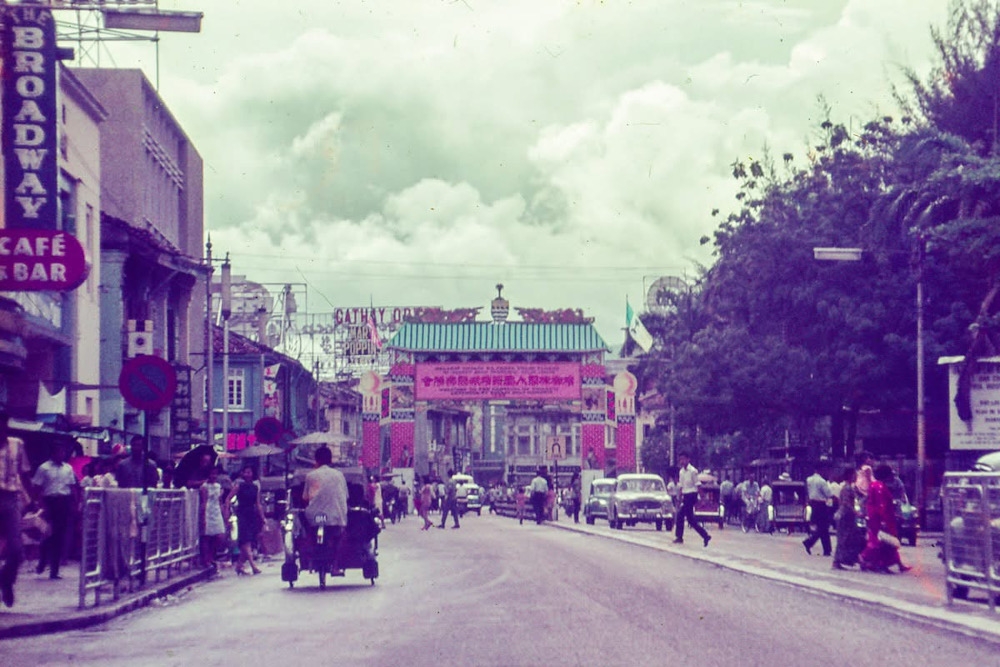
Pesta Pulau Pinang began as a commerce and tourism festival in George Town to boost Penang's economy after losing its free-port status in the late 1960s.
Over the years, the festival evolved to include various entertainment and cultural events, attracting visitors from other states and neighbouring countries despite diminished attendance.
The festival's original site in Sungai Nibong closed in 2025 for construction of a transit hub, temporarily relocating Pesta to Kubang Menerong for the year.
GEORGE TOWN, Sept 27 — For the first time in over five decades, Pesta Pulau Pinang will not be held on the grounds Penangites have long called home.
The festival’s longtime site in Sungai Nibong has been closed to make way for construction of the Mutiara Line light rail transit (LRT) station and depot, forcing this year’s edition to relocate temporarily to Kubang Menerong in Tasek Gelugor.
December 2025 marked the last time Pesta was held at Sungai Nibong.
The site is also earmarked for a proposed Transit-Oriented Development Masterplan covering about 23.47 hectares — a long-term, mixed-use transit hub envisioned to take between 10 and 15 years to complete, incorporating residential, commercial and public facilities around an integrated transport network.
The plan does include a Pesta component, but on a smaller scale.
It’s a significant break from tradition for a festival that has anchored the earliest memories of generations of Penangites since the Sungai Nibong site first opened its doors in 1974.
Years before that permanent home was built, Pesta Pulau Pinang started as a commerce and tourism festival held in the inner city of George Town.
Penang was grappling with high unemployment and an uncertain investment climate following the loss of its free-port status in the late 1960s, so then-chief minister Tun Dr Lim Chong Eu introduced the festival as a way to stimulate retail activity.
The first Pesta Pulau Pinang was aimed at providing opportunities for traders while simultaneously promoting Penang as a tourist destination.
Interestingly, the late SM Mohamed Idris, widely known as the president of the Consumers Association of Penang, chaired the first Pesta organising committee.
The very first Pesta Pulau Pinang in 1966 showcased up to 100 traders with an emphasis on consumer products, business goods and industrial exhibits, and was held at Padang Kota Lama, or Esplanade.
The festival was also the year the Chingay procession was reintroduced, adding a carnival-like atmosphere to the event.
Among those who visited the first Pesta in 1966 was Laurence Bean, who took some photos of his visit.
Though he could not remember much about that visit, he recalled being there on the same evening the Raja Permaisuri Agong was visiting the festival.
Pesta Pulau Pinang did not have a permanent site then, and was also held at Lebuh Macallum after the success of the first Pesta at Esplanade.
The state government eventually decided to build a dedicated Pesta site in Sungai Nibong, officially opened in 1974.
From there, Pesta began introducing a variety of programmes beyond the industrial and trade fair to draw crowds: open-air concerts, variety shows, food bazaars, exhibitions, pet shows, beauty pageants, film festivals and fashion shows, alongside traditional entertainment such as joget and wayang kulit , funfairs and sporting events including a go-kart prix.
A dragon boat race held in conjunction with Pesta used to take place off Gurney Drive.
The month-long festival became a huge draw, attracting visitors from other states as well as southern Thailand and Indonesia.
Held during the annual year-end school holiday, Pesta became a popular destination for Penangites and families to browse the trade fair for cheap bargains, eat at the food bazaar, or enjoy the rides, games and haunted house.
The 8.14-hectare site expanded over the years to include permanent stalls, performance arenas, parking areas, a surau, toilets, a miniature garden, automated teller machines and pavilions occupied by state agencies.
International pavilions representing Thailand, Aceh, North Sumatra and West Sumatra showcased food, clothing and other products from neighbouring territories.
As visitors slowly diminished over the years due to new shopping centres and other forms of entertainment, Pesta evolved to keep drawing crowds — adding performances by Malaysian recording artistes, Battle of the Bands, cat shows, silat competitions, muay thai demonstrations, boxing matches, armed forces exhibitions, e-sports tournaments and mobile petting zoos.
The funfair remained one of its most recognisable components, with attractions such as the Euro Wheel, Vortex, Sky Rider, Daytona and roller coasters set against the brightly illuminated grounds.
Recent editions also featured boria performances, colouring competitions, Bollywood-themed programmes and nightly concerts, maintaining the festival’s mix of local culture and popular entertainment.
Throughout its evolution, the fair continued to provide a marketplace for small and medium enterprises, local traders and government agencies, preserving part of its original economic purpose even as entertainment became increasingly central to the event.
Pesta was cancelled only twice – in 2020 and 2021, due to the Covid-19 pandemic – before returning in 2022.
This year’s move to Tasek Gelugor marks its biggest disruption yet.
Goh Sze Fei‑Nur Izzuddin storm into quarterfinals as Pearly Tan‑Thinaah sparkle with straight‑set wins
As heavy rain and flooding continue in Bangkok, Malaysians urged to stay vigilant
Fama readies warehouses nationwide with buffer stocks as El Niño threat rises
槟城节(Pesta Pulau Pinang)最初是乔治市的一个商业和旅游节,旨在振兴槟城在 20 世纪 60 年代末失去自由港地位后的经济。
多年来,该节日不断发展,涵盖了各种娱乐和文化活动,尽管参与人数有所减少,但仍吸引了来自其他州和邻国的游客。
2025 年,由于交通枢纽建设,音乐节原址 Sungai Nibong 关闭,Pesta 音乐节暂时迁至 Kubang Menerong 举办一年。
乔治市,9月27日讯——五十多年来,槟城节首次不在槟城人长期称之为家园的场地举行。
由于珍珠线轻轨(LRT)车站和车辆段的建设,该音乐节位于双溪尼邦(Sungai Nibong)的长期举办地已关闭,迫使今年的音乐节暂时迁至大士古鲁戈(Tasek Gelugor)的库邦梅内隆(Kubang Menerong)。
2025 年 12 月是 Pesta 最后一次在 Sungai Nibong 举办。
该地块还被指定用于一项占地约 23.47 公顷的以公共交通为导向的总体规划——一个长期的、混合用途的交通枢纽,预计需要 10 到 15 年才能建成,围绕一个综合交通网络,将住宅、商业和公共设施纳入其中。
该计划确实包含一个节日元素,但规模较小。
对于一个自 1974 年 Sungai Nibong 遗址首次开放以来就承载着几代槟城人最早记忆的节日来说,这是一个与传统的重大突破。
在永久会址建成之前,槟城节最初是在乔治市市中心举办的商业和旅游节。
20 世纪 60 年代末,槟城失去了自由港地位,面临高失业率和不确定的投资环境,因此时任首席部长敦林苍佑推出了槟城节,以此刺激零售业活动。
首届槟城节旨在为商贩提供商机,同时推广槟城作为旅游目的地。
有趣的是,已故的SM Mohamed Idris,广为人知的槟城消费者协会主席,曾担任第一届Pesta组织委员会主席。
1966 年,第一届槟城节 (Pesta Pulau Pinang) 吸引了多达 100 位贸易商参展,重点展示消费品、商业商品和工业展品,展览地点设在旧哥打广场 (Padang Kota Lama),即滨海大道 (Esplanade)。
这一年,妆艺游行也重新回归,为活动增添了嘉年华般的气氛。
1966 年第一届佩斯塔节的参观者中,有一位是劳伦斯·比恩,他拍摄了一些参观照片。
虽然他对那次访问的记忆不多,但他记得那天晚上,最高元首后也正在参观节日庆典。
当时槟城节还没有固定的举办地点,在滨海艺术中心举办的第一届槟城节取得成功后,也曾在麦卡伦街举办过。
州政府最终决定在双溪尼邦建造一个专门的节日场地,并于 1974 年正式开放。
从此,为了吸引观众,Pesta 开始在工业和贸易博览会之外推出各种各样的节目:露天音乐会、综艺表演、美食集市、展览、宠物秀、选美比赛、电影节和时装秀,以及传统的娱乐活动,如 joget 和 wayang kulit、游乐场和体育赛事,包括卡丁车大奖赛。
过去,在葛尼大道附近会举办与节日庆典同期举行的龙舟比赛。
为期一个月的节日吸引了众多游客,不仅吸引了来自泰国其他州的游客,还吸引了来自泰国南部和印度尼西亚的游客。
Pesta 每年在学校年末假期期间举办,成为槟城市民和家庭的热门去处,他们可以逛逛贸易博览会淘便宜货,在美食市集上吃东西,或者享受游乐设施、游戏和鬼屋。
多年来,这片占地 8.14 公顷的场地不断扩建,包括永久摊位、表演场、停车场、祈祷室、厕所、微型花园、自动取款机和国家机构使用的展馆。
代表泰国、亚齐、北苏门答腊和西苏门答腊的国际展馆展示了来自邻近地区的食品、服装和其他产品。
随着新的购物中心和其他娱乐方式的出现,游客数量逐年减少,Pesta 也随之发展,以继续吸引人群——增加了马来西亚录音艺术家的表演、乐队比赛、猫展、席拉特比赛、泰拳表演、拳击比赛、武装部队展览、电子竞技锦标赛和移动宠物动物园。
游乐场仍然是其最具标志性的组成部分之一,欧洲摩天轮、旋风过山车、空中骑士、代托纳过山车和过山车等游乐设施在灯火通明的场地映衬下格外引人注目。
近几届节日还举办了博里亚表演、填色比赛、宝莱坞主题节目和每晚的音乐会,保持了节日融合当地文化和流行娱乐的特点。
在发展过程中,博览会始终为中小企业、当地商户和政府机构提供市场,保留了其部分最初的经济目的,即使娱乐活动在博览会中变得越来越重要。
佩斯塔节只因新冠疫情在 2020 年和 2021 年取消过两次,之后于 2022 年回归。
今年搬迁至塔塞克格鲁戈尔标志着该公司迄今为止最大的变革。
吴思菲和努尔·伊祖丁强势晋级四分之一决赛,珀莉·谭和蒂娜则以直落两局的胜利闪耀全场。
曼谷暴雨和洪水持续,马来西亚民众被敦促保持警惕。
随着厄尔尼诺现象威胁加剧,Fama公司已在全国各地的仓库中储备缓冲物资。