Family spokesman: Malaysia sought wider Nepal search for 55 uncontactable citizens, but access was limited家属发言人:马来西亚曾请求尼泊尔扩大搜寻范围,寻找55名失联公民,但搜寻范围有限。
PUTRAJAYA, Sept 27 — Malaysia initially requested that the search and rescue (SAR) operation involving 55 Malaysians who are still uncontactable in Nepal cover the area from...
In a recent briefing, Malaysian authorities clarified the limitations faced by the Special Malaysia Disaster Assistance and Rescue Team (SMART) in their efforts to locate 55 uncontactable Malaysians in Nepal, as search permissions granted by Nepal focus not on the crucial Rasuwagadhi area but on areas from Timure to Syabrubesi.
The Malaysian Embassy in Kathmandu explained that while Nepal is now capable of DNA processing to identify disaster victims, the SMART team must operate within areas allowed by Nepalese authorities.
Families, while hopeful for survival possibilities, understand restrictions and appreciate SMART's efforts, though they await comprehensive procedural information regarding potential DNA matches.
PUTRAJAYA, Sept 27 — Malaysia initially requested that the search and rescue (SAR) operation involving 55 Malaysians who are still uncontactable in Nepal cover the area from Rasuwagadhi to Syabrubesi, but the national team was only allowed to conduct searches in certain areas.
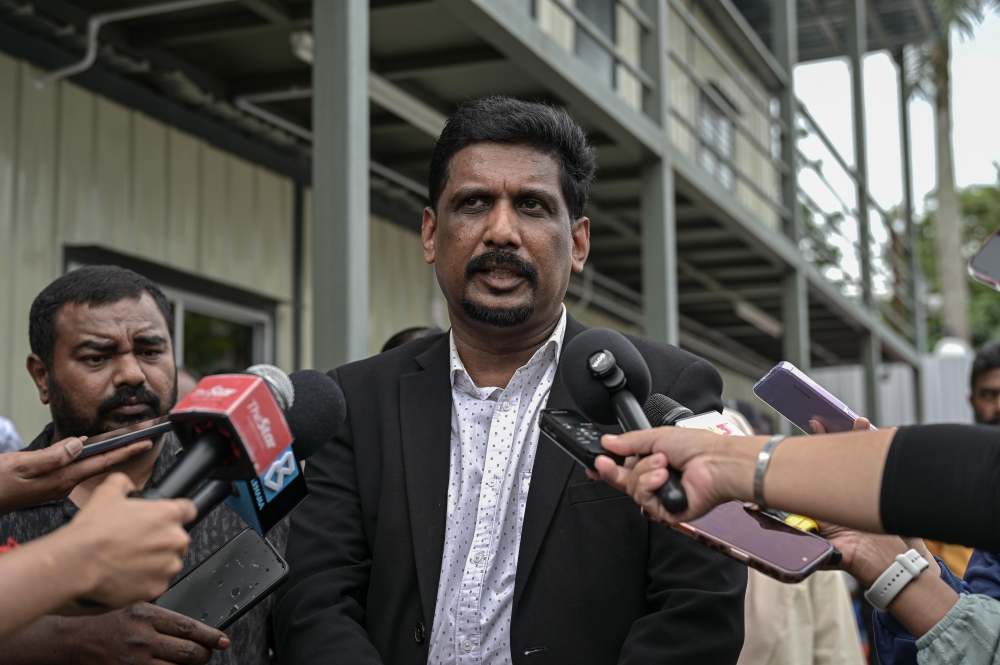
Malaysia Solidarity: Families in Hope (MASFIH) spokesman Dr Manivannan Rethinam said the matter was conveyed to the next of kin during a closed-door meeting with government agencies at Wisma Putra today.
He said the families raised the question of why the Special Malaysia Disaster Assistance and Rescue Team (SMART) operation was not focused on Rasuwagadhi, which is a border area between Nepal and Tibet, believed to be one of the last locations many Malaysians were involved.
According to him, the Chargé d’Affaires ad interim of the Malaysian Embassy in Kathmandu, Mohd Firdaus Azman, explained that Malaysia had requested the Nepalese authorities to extend the search area from Rasuwagadhi to Syabrubesi. However, the permission granted by the Nepalese authorities to the Malaysian team only covers certain areas, including Timure.
“Their (SMART) search area is focused on areas C and D. They cover from Timure to Syabrubesi. That is not the focal area where many Malaysians are missing because we have information on the last known locations and most of them are concentrated in the Rasuwagadhi area, on the Tibet-Nepal border,” he told the media after a nearly four-hour briefing session here today.
Manivannan said the families understand that the SMART operation area is subject to the approval of the Nepalese authorities and that the matter is beyond the team’s control.
He simultaneously expressed appreciation for SMART’s efforts, which also provided explanations to the families about the operations and challenges faced by the team during their time in Nepal.
According to Manivannan, the families also inquired about the possibility of the victims still being found alive.
He said that the SMART commander Senior Fire and Rescue Officer 1 (PgKB 1) Abdul Manaf Che Isa had said that the possibility still exists if there are victims in remote areas or villages in the mountainous region, but the chances are very slim.
“As family members, we still hope for the best. But we also have to move on to the next stage,” he said.
Previously, the SMART Team, consisting of 11 members, was sent to Nepal on September 5 and conducted ground searches and monitoring using drones in areas approved and deemed safe by the Nepalese authorities before returning to Malaysia on September 14.
In addition, Manivannan said the families were informed that Nepal would process the DNA samples from the disaster victims’ bodies to match them with the family’s DNA profiles.
He said the families had previously been informed about the report that Nepal needed assistance to carry out the DNA process due to a lack of expertise.
However, based on today’s briefing, the Nepalese authorities now have sufficient expertise and will carry out the process themselves.
“So far, they are only collecting DNA but it has not been processed yet. Previously, there were media reports in Nepal stating that Nepal needed assistance to process DNA because they lacked expertise. But today, Firdaus from the Malaysian Embassy in Nepal said that Nepal already has enough expertise. They will process it themselves,” he said.
Manivannan said that essentially, the DNA profile obtained from the families will be used for matching with the DNA from the found remains.
According to him, if there is a match, it can help the authorities identify the identity of the body in question.
Commenting on the procedure in the event of a DNA match, Manivannan said based on the explanation received by the families, DNA will be taken from the body before burial.
If a match with family members is later obtained, he said there is a process to retrieve the body to allow the family to conduct a ceremony or bring it home.
However, he emphasised that the families have not yet received official information regarding the entire procedure. — Bernama
Man dies of rabies in Kedah’s first human case in 28 years
All Malaysian Indian Progressive Front seeks BN membership — and a shot at contesting Penang seats
Wisma Putra: Nepal weighs legal measures for those still unaccounted for after Aug 26 floods, including 55 Malaysians
在最近的一次简报会上,马来西亚当局澄清了马来西亚特别灾害援助和救援队 (SMART) 在努力寻找在尼泊尔失联的 55 名马来西亚人时面临的限制,因为尼泊尔授予的搜索许可并非集中在至关重要的拉苏瓦加迪地区,而是集中在从蒂穆雷到夏布鲁贝西的地区。
马来西亚驻加德满都大使馆解释说,虽然尼泊尔现在有能力进行 DNA 处理以识别灾难受害者,但 SMART 团队必须在尼泊尔当局允许的区域内开展工作。
虽然家属们对生存的可能性抱有希望,但他们也理解各种限制,并感谢 SMART 的努力,尽管他们仍在等待有关潜在 DNA 匹配的全面程序信息。
布城,9月27日讯——马来西亚最初要求对55名在尼泊尔仍无法联系的马来西亚公民展开搜救行动,搜救范围从拉苏瓦加迪到夏布鲁贝西,但国家搜救队只被允许在某些地区进行搜救。
马来西亚团结互助组织(MASFIH)发言人马尼瓦南·雷蒂南博士表示,今天在布特拉大厦与政府机构举行的闭门会议上,已将此事告知了死者家属。
他说,遇难者家属提出了一个问题:为什么马来西亚特别灾害援助和救援队 (SMART) 的行动没有集中在拉苏瓦加迪(Rasuwagadhi)——尼泊尔和西藏的边境地区,据信是许多马来西亚人最后遇难的地点之一。
据他介绍,马来西亚驻加德满都大使馆临时代办莫哈末·菲尔道斯·阿兹曼解释说,马来西亚已请求尼泊尔当局将搜寻范围从拉苏瓦加迪扩大到夏布鲁贝西。然而,尼泊尔当局授予马来西亚搜救队的搜救许可仅涵盖部分区域,包括蒂穆雷。
“他们的(SMART)搜索区域集中在C区和D区,覆盖范围从帝汶到夏布鲁贝西。但这并非许多马来西亚人失踪的重点区域,因为我们掌握了他们最后已知位置的信息,其中大部分集中在西藏-尼泊尔边境的拉苏瓦加迪地区,”他在今天于此地举行的近四个小时的简报会后告诉媒体。
马尼瓦南表示,家属们理解SMART行动区域须经尼泊尔当局批准,此事超出了团队的控制范围。
他同时对 SMART 的努力表示感谢,SMART 还向家属解释了团队在尼泊尔期间的行动和面临的挑战。
据马尼瓦南称,家属们还询问了遇难者是否有可能仍然活着。
他说,SMART 指挥官、高级消防救援官员 1 (PgKB 1) Abdul Manaf Che Isa 表示,如果偏远地区或山区村庄有受害者,仍然存在这种可能性,但这种可能性非常小。
“作为家人,我们仍然希望一切顺利。但我们也必须继续前进,进入下一个阶段,”他说。
此前,由 11 名成员组成的 SMART 小组于 9 月 5 日被派往尼泊尔,并在尼泊尔当局批准和认为安全的地区使用无人机进行地面搜索和监测,之后于 9 月 14 日返回马来西亚。
此外,马尼瓦南表示,已告知遇难者家属,尼泊尔将对遇难者遗体上的 DNA 样本进行处理,以便与家属的 DNA 图谱进行比对。
他说,此前已告知这些家庭,由于缺乏专业知识,尼泊尔需要援助才能进行 DNA 检测。
然而,根据今天的简报,尼泊尔当局现在拥有足够的专业知识,将自行开展这项工作。
“目前,他们只采集了DNA样本,但尚未进行处理。此前,尼泊尔媒体报道称,尼泊尔需要援助来处理DNA样本,因为他们缺乏相关技术。但今天,马来西亚驻尼泊尔大使馆的菲尔道斯表示,尼泊尔已经具备足够的技术能力,他们将自行处理,”他说。
马尼瓦南表示,从这些家庭获得的DNA图谱将主要用于与发现的遗骸中的DNA进行比对。
据他所说,如果比对成功,就能帮助当局确定尸体的身份。
马尼瓦南在评论如果DNA比对结果相符的处理程序时表示,根据家属的解释,将在下葬前从遗体上提取DNA。
他说,如果之后与家人匹配成功,将会有一个程序来取回遗体,以便让家人举行仪式或将其带回家。
但他强调,家属们尚未收到有关整个流程的官方信息。——马新社
吉打州28年来首例人类狂犬病病例,一名男子死亡
全马来西亚印度人进步阵线寻求加入国阵,并希望有机会竞选槟城议席。
尼泊尔外交部:尼泊尔正考虑对8月26日洪灾后仍下落不明的人员采取法律措施,其中包括55名马来西亚人。