Japan joins the global craze to field interceptor drones日本加入全球部署拦截无人机的热潮
The interceptor drone systems are expected to be installed by 2027 near radar sites, bases, vessels and other critical locations, the agency stated.
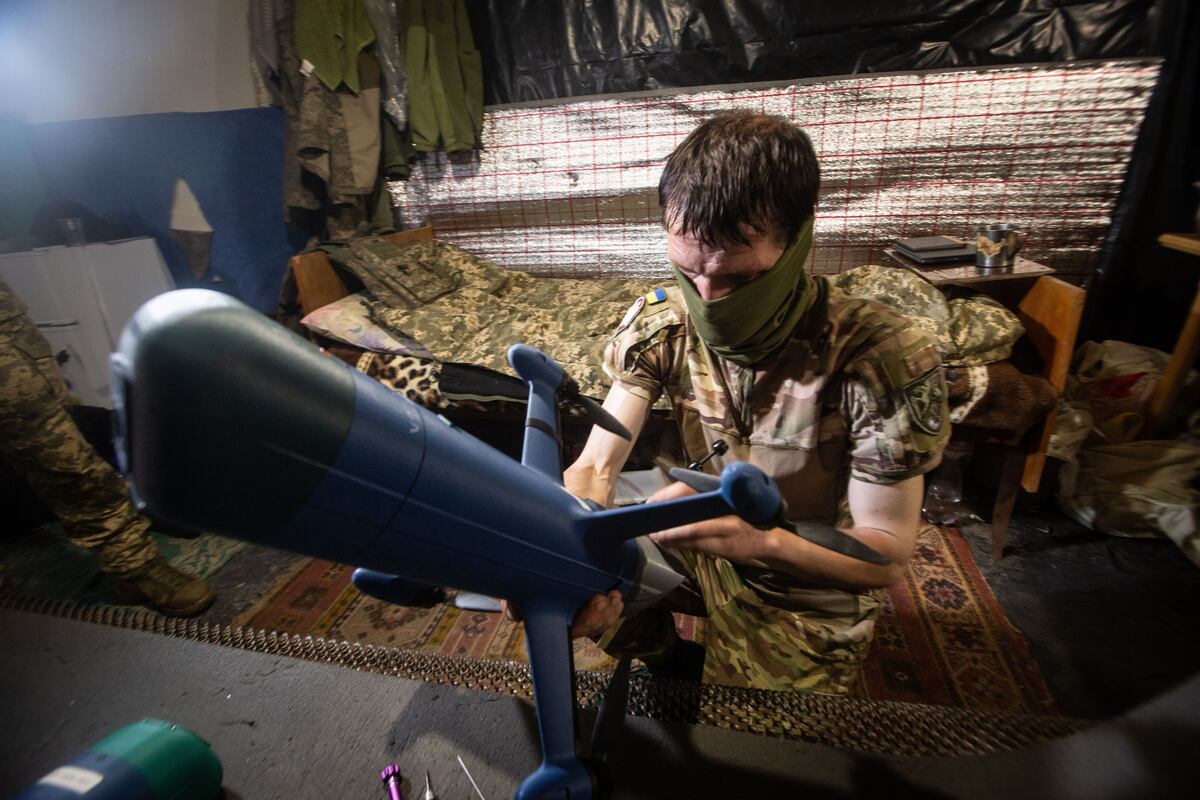
MANILA, Philippines — Japan plans to rapidly deploy autonomous interceptor drones to complement emerging standoff-strike capabilities, as reports surfaced that Tomahawk missile orders could face delays after U.S. stockpiles come under strain following the Iran war.
State procurement agency Acquisition, Technology and Logistics Agency has released notices for a demonstration schedule next month with the goal of fast-tracking acquisitions and expediting mass production and deployment.
The interceptor drone systems are expected to be installed by 2027 near radar sites, bases, vessels and other critical locations, the agency stated.
This follows an earlier notice released by the Ministry of Defense late last month for autonomous unmanned systems that could detect and counter swarms of “multiple long-range suicide UAVs … such as the Shahed-136.”
The envisioned craft should already be in use by other armed forces and have successfully shot down Shahed-like drones, according to the notice. In addition, they must be able to connect with existing radars and command-and-control systems, require two or fewer personnel for stand-off launch and flight management, and need minimal and simple maintenance.
The interceptor drones are recent additions to Japan’s massive UAV fleet plan. The ministry had been in talks with drone firm Terra Drone since the company fielded two types of interceptor drones in Ukraine through Kyiv-based startups.
In March, Terra Drone divulged investments in Amazing Drones to field Terra 1, a rocket-type interceptor, and two months later launched fixed-wing variant Terra 2 through Ukrainian defense tech firm WinnyLab.
Japan's Defense Minister Shinjiro Koizumi looks at drones at the Prodrone research facility in Nagoya on May 20, 2026, as Japan pushes to expand military drone capabilities. (Andrew Caballero-Reynolds / AFP via Getty Images)
The feedback is “very much positive,” company CEO Toru Tokushige told Defense News. He said there had been great interest in the interceptors, especially within the Japanese defense ministry.
Drone technology is quickly evolving in Ukraine, affirming the importance of interceptor drones as low-cost alternatives to interceptor missiles, Tokushige said.
Meanwhile, the conflict in the Middle East has shown the lethality of Shahed-like drones, which have been used more extensively than missiles.
The extended reach of the Shahed drones has also raised the stakes in East Asia. The aircraft flew as far as 1,100 miles from Tehran to Tel Aviv, and while battlefield circumstances and geography vary, the distance means such weapons launched in Northeast Asia could reach Japan, South Korea and the Philippines.
“Originally my image of the defense industry is that it’s very much traditional, very much bureaucratic, very slow. But after visiting Ukraine, and also because of the war in the Middle East, everybody understands the value of drones and the value of investing in drones,” Tokushige said.
The Japanese government’s urgent call for proposals comes after reports that the U.S. military’s 38-day Iran campaign under Operation Epic Fury has strained missile stockpiles.
The Center for Strategic and International Studies (CSIS) think tank warned of a “near-term risk” munitions shortage after the Iran campaign, which has already delayed U.S. supply contracts with European allies, raising worries that it could also push back Tomahawk deliveries for Japan.
U.S. Defense Secretary Pete Hegseth and Japanese Defense Minister Shinjiro Koizumi both denied the Tomahawk conundrum, but Koizumi said the ministry plans to develop more domestic missile systems. This comes on top of a recent production agreement under Operation Supercharge, which will see the U.S. and Japan jointly manufacture interceptor missiles such as the SM-6 and SM-3.
Japan’s defensive umbrella, set to be completed in 2027 after five years, includes fielding standoff capabilities, missile defense networks, and unmanned systems such as drones, ground vehicles, and submarines.
Budget allocated for unmanned defense capabilities alone leaped this year to 277 billion yen ($1.72 billion) from 111 billion yen ($690 million) in 2025.
And the government’s move to increase defense spending up to 3.5% of GDP will likely see more investments in unmanned systems. The ruling Liberal Democratic Party on June 9 approved a proposal to produce some 80,000 drones annually by 2030, though allocations have not been finalized.
Leilani Chavez is an Asia correspondent for Defense News. Her reporting expertise is in East Asian politics, development projects, environmental issues and security.
菲律宾马尼拉——有报道称,由于伊朗战争后美国的库存紧张,战斧导弹的订单可能会面临延迟,日本计划迅速部署自主拦截无人机,以补充新兴的远程打击能力。
国家采购机构采购、技术和物流局发布了下个月的示范计划通知,目标是加快采购速度,加快大规模生产和部署。
该机构表示,拦截无人机系统预计将于 2027 年前安装在雷达站、基地、舰船和其他关键地点附近。
此前,国防部上个月底发布了一项通知,要求研发能够探测和对抗“多架远程自杀式无人机……例如 Shahed-136”的自主无人系统。
根据公告,设想中的飞行器应已被其他武装部队使用,并成功击落过类似“沙赫德”无人机的同类战机。此外,它们必须能够与现有雷达和指挥控制系统对接,远程发射和飞行管理仅需两人或更少人员,且维护简便。
拦截无人机是日本庞大无人机机队计划的最新成员。此前,Terra Drone公司通过基辅的初创企业在乌克兰部署了两种类型的拦截无人机,此后日本防卫省便一直与该公司进行洽谈。
3 月,Terra Drone 披露了对 Amazing Drones 的投资,用于部署 Terra 1(一种火箭型拦截器);两个月后,该公司通过乌克兰国防科技公司 WinnyLab 推出了固定翼版本 Terra 2。
2026年5月20日,日本防卫大臣小泉进次郎在名古屋的Prodrone研究设施视察无人机,日本正大力推进军用无人机能力的提升。(图片来源:Andrew Caballero-Reynolds / AFP via Getty Images)
公司首席执行官德重彻告诉《防务新闻》,反馈“非常积极”。他表示,拦截器引起了广泛关注,尤其是在日本防卫省内部。
德重表示,无人机技术在乌克兰发展迅速,这证明了拦截无人机作为拦截导弹的低成本替代品的重要性。
与此同时,中东冲突表明了类似“沙赫德”无人机的致命性,其使用范围比导弹更广。
“沙赫德”无人机的远程打击能力提升也加剧了东亚地区的局势。该型无人机最远飞行距离达1100英里,从德黑兰直飞特拉维夫。尽管战场环境和地理条件各不相同,但如此远的距离意味着,从东北亚发射的此类武器可以覆盖日本、韩国和菲律宾等地。
“我最初对国防工业的印象是,它非常传统、非常官僚、非常缓慢。但在访问乌克兰之后,也因为中东战争,每个人都理解了无人机的价值以及投资无人机的价值,”德重说道。
有报道称,美国军方在“史诗狂怒行动”下对伊朗发动的为期 38 天的军事行动已经耗尽了导弹库存,日本政府随后紧急呼吁各方提出方案。
战略与国际研究中心 (CSIS) 智库警告称,伊朗战争后,美国面临“短期内”弹药短缺的风险。这场战争已经导致美国与欧洲盟友的供应合同延迟,并引发了人们的担忧,即这也可能推迟向日本交付战斧导弹。
美国国防部长皮特·赫格塞斯和日本防卫大臣小泉进次郎均否认了“战斧”导弹的争议,但小泉表示,防卫省计划研发更多国产导弹系统。此前,美日两国已签署“超级增压行动”生产协议,将联合生产SM-6和SM-3等拦截导弹。
日本的防御体系预计将在五年后于 2027 年建成,其中包括部署远程防御能力、导弹防御网络以及无人机、地面车辆和潜艇等无人系统。
仅用于无人防御能力的预算就从 2025 年的 1110 亿日元(6.9 亿美元)跃升至今年的 2770 亿日元(17.2 亿美元)。
政府将国防开支提高至GDP的3.5%,此举很可能促使政府加大对无人系统的投资。执政的自民党于6月9日批准了一项提案,计划到2030年每年生产约8万架无人机,但具体分配方案尚未最终确定。
莱拉尼·查韦斯是《防务新闻》的亚洲记者。她的报道专长是东亚政治、发展项目、环境问题和安全。