An 11-year-old just won Asian Games gold. How young is too young?一位年仅11岁的孩子刚刚赢得了亚运会金牌。多小才算太小?
NAGOYA, Sept 27 — The Asian Games has crowned teenage champions before, but this edition has witnessed stunning successes by child prodigies, culminating in Yuki Kurihara...
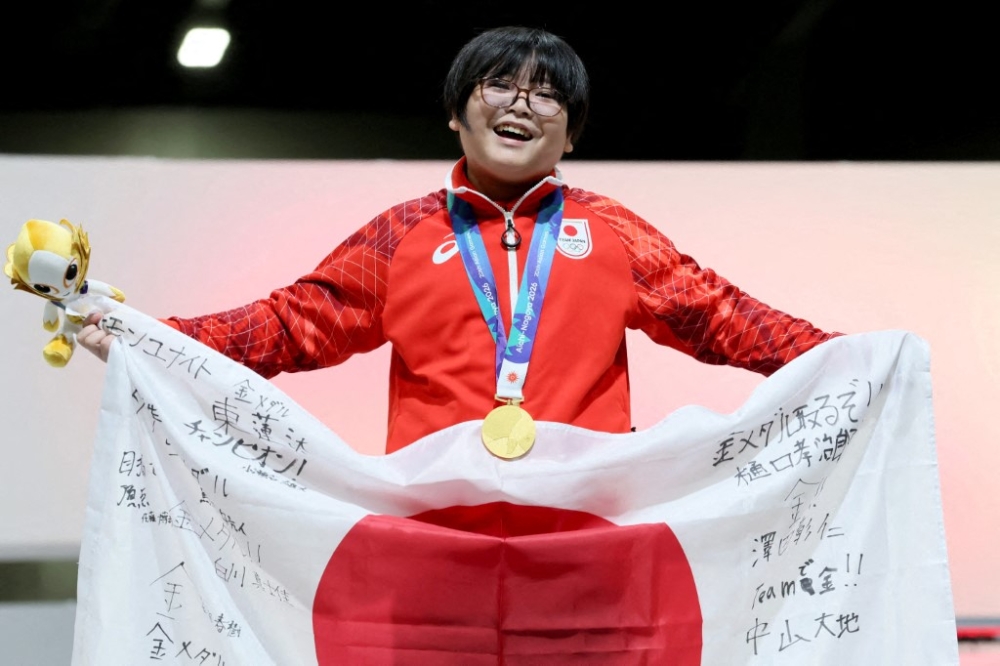
The recent Asian Games have seen remarkable achievements by young prodigies, with Japan's Yuki Kurihara, aged 11, becoming the youngest champion in the Games' history by winning gold in eSports.
These achievements highlight both the extraordinary talent of young athletes and raise concerns about the pressures and potential abuse they face.
Human Rights Watch has emphasized the need for a supportive environment, noting that intense training often begins in childhood and can expose young athletes to significant physical and mental challenges.
NAGOYA, Sept 27 — The Asian Games has crowned teenage champions before, but this edition has witnessed stunning successes by child prodigies, culminating in Yuki Kurihara standing atop the podium aged just 11.
The Japanese primary school student demolished opponents three times his age on the way to a historic gold in eSports in Aichi-Nagoya.
He is Japan’s youngest Asian Games champion in history and almost certainly the youngest the Games have ever seen.
Kurihara did not even react after winning Saturday’s final in Puyo Puyo Champions, a puzzle game where players try to clear their screen of coloured blobs by lining them up and popping them.
The boy, who does not turn 12 until June and wants to be a train driver when he grows up, later explained that he felt “embarrassed”.
Kurihara’s face was splashed across national newspapers on Sunday.
There is no publicly available official list of the youngest medallists ever at the Games, which were first contested in 1951.
But the introduction in recent editions of events intended to attract younger viewers has resulted in some eye-catching displays by children.
In skateboarding, Taiwan’s 12-year-old Ku Yong-yan took home silver on Friday in the “men’s” park final.
The winner, Japan’s Izuru Nagahara, was a relative veteran at 15.
Nagahara had anaesthetic injections in his knee to dull the pain from injury before his winning run.
Also in the skateboarding was Mazel Paris of the Philippines, who was just nine when she competed at the previous Asian Games.
Asked what has changed since Hangzhou in 2023, the 12-year-old replied: “I got taller for sure.”
This week will see another teenage phenomenon enter the fray with India’s 15-year-old cricketer Vaibhav Sooryavanshi.
But the presence of young children competing on the international stage against adults and under expectations to win for their country comes with a caveat.
Kanae Doi, Japan director at Human Rights Watch, said ahead of the Games that “moments of triumph do not come easily. They are built on years of disciplined training, often beginning in childhood”.
“At its best, that journey should provide children with the joy of play and competition, along with opportunities for physical, mental and personal growth,” she wrote in the Japan Times.
“Many young athletes instead encounter physical, verbal and even sexual abuse in the very environments meant to help them develop.”
She said that in Games host Japan, children “frequently experience abuse in sports training within Japanese schools, federations and elite sports programmes”.
In 2024, the International Olympic Committee released its consensus statement on youth athletes at the Olympic Games.
It noted that 50 per cent of common mental health conditions first emerge before 18.
Adolescent athletes are also more susceptible to certain injuries, it said.
Chinese swimmer Yu Zidi became the youngest medallist in world championships history last year with bronze aged 12.
Now a teenager and hotly tipped to make a splash at the Los Angeles 2028 Olympics, Yu is one of the faces of the Nagoya Games with three golds, all in record times.
But when it came to reporters swarming around her after races, she looked all of her 13 years.
“Interviews are way harder than the race,” she said.
Each sport has its own rules on minimum age.
For World Aquatics, the minimum age for major international championships is 14 but exceptions can be made for younger swimmers if, like Yu, they are fast enough.
Yu has spoken previously about struggling to balance her swimming with school work.
Yu’s team-mate Zhang Yufei, 28, a multiple Olympic gold medallist and world champion, said the youngster’s stunning displays were no longer a shock.
But she cautioned: “I hope she can withstand that pressure.” — AFP
Malaysia’s Ng Eain Yow dedicates Asian Games squash gold to mother fighting leukaemia
Malaysia’s Sivasangari sets sights on world No.1 and Olympic gold after defending Asiad squash crown
LTdL 2026: Malaysia’s Aiman Rosli takes Best Asian Rider jersey after strong sprint‑zone showing
Family spokesman: Malaysia sought wider Nepal search for 55 uncontactable citizens, but access was limited
Man dies of rabies in Kedah’s first human case in 28 years
All Malaysian Indian Progressive Front seeks BN membership — and a shot at contesting Penang seats
在最近的亚运会上,年轻的天才选手们取得了令人瞩目的成就,其中日本选手栗原由纪年仅 11 岁,在电子竞技比赛中获得金牌,成为亚运会历史上最年轻的冠军。
这些成就既凸显了年轻运动员的非凡才能,也引发了人们对他们所面临的压力和潜在虐待的担忧。
人权观察组织强调了提供支持性环境的必要性,并指出高强度训练往往从童年时期就开始,可能会使年轻运动员面临重大的身心挑战。
名古屋,9 月 27 日——亚运会此前也曾诞生过青少年冠军,但本届亚运会见证了神童们的惊人成功,最终,年仅 11 岁的栗原由纪站上了领奖台的最高处。
这名日本小学生在爱知县名古屋举行的电子竞技比赛中,击败了年龄是他三倍的对手,最终夺得历史性的金牌。
他是日本历史上最年轻的亚运会冠军,而且几乎可以肯定,他也是亚运会历史上最年轻的冠军。
栗原在周六的《噗哟噗哟冠军赛》决赛中获胜后甚至没有做出任何反应。《噗哟噗哟冠军赛》是一款益智游戏,玩家需要通过排列和消除屏幕上的彩色小方块来清除它们。
这个男孩要到六月份才满 12 岁,他长大后想当一名火车司机。后来他解释说,他感到“尴尬”。
周日,栗原的照片登上了全国各大报纸的版面。
自 1951 年奥运会首次举办以来,一直没有公开的官方名单列出奥运会历史上最年轻的奖牌获得者。
但最近几届赛事引入了一些旨在吸引年轻观众的元素,导致孩子们出现了一些引人注目的表演。
在滑板比赛中,台湾12岁的顾永彦周五在“男子”公园决赛中获得银牌。
最终的获胜者是日本选手永原泉,他当时15岁,算是相对的老将了。
永原在赢得比赛前,膝盖注射了麻醉剂以减轻伤痛。
参加滑板比赛的还有菲律宾选手马泽尔·帕里斯,她参加上一届亚运会时只有九岁。
当被问及自 2023 年杭州之旅以来发生了哪些变化时,这位 12 岁的男孩回答说:“我肯定长高了。”
本周,另一位青少年天才将加入战局,他就是印度 15 岁的板球运动员 Vaibhav Sooryavanshi。
但是,年幼的孩子们在国际舞台上与成年人竞争,并肩负着为国争光的重任,这其中也存在一些隐患。
人权观察组织日本分部主任土井香苗在奥运会前表示:“胜利的时刻并非轻易到来。它们建立在多年的刻苦训练之上,而这种训练往往从童年时期就开始了。”
“理想情况下,这段旅程应该为孩子们带来玩耍和竞争的乐趣,以及身体、心理和个人成长的机会,”她在《日本时报》上写道。
“许多年轻运动员反而会在原本应该帮助他们成长的环境中遭遇身体虐待、言语虐待甚至性虐待。”
她说,在奥运会主办国日本,儿童“经常在日本学校、联合会和精英体育项目中遭受体育训练虐待”。
2024年,国际奥委会发布了关于奥运会青年运动员的共识声明。
报告指出,50%的常见精神健康问题在18岁之前首次出现。
报告指出,青少年运动员也更容易受到某些伤病的困扰。
去年,年仅 12 岁的中国游泳运动员于子迪获得世界游泳锦标赛铜牌,成为该赛事历史上最年轻的奖牌获得者。
如今已是青少年的余宇,被热捧为有望在 2028 年洛杉矶奥运会上大放异彩的选手,他是名古屋奥运会的代表人物之一,曾获得三枚金牌,且全部打破纪录。
但每当赛后记者们蜂拥而至时,她看起来就像只有13岁一样。
“面试比比赛难多了,”她说。
每项运动都有自己的最低年龄限制规定。
世界游泳联合会规定,参加重大国际锦标赛的最低年龄为 14 岁,但如果像余一样,年龄较小的游泳运动员速度足够快,则可以破例。
余女士之前曾表示,她很难平衡游泳和学业。
余的队友张雨飞(28岁,多次获得奥运会金牌和世界冠军)表示,这位年轻球员的惊人表现已经不再令人惊讶。
但她也提醒道:“我希望她能承受住这种压力。”——法新社
马来西亚选手黄恩佑将亚运会壁球金牌献给正在与白血病作斗争的母亲
马来西亚选手西瓦桑加里在卫冕亚运会壁球冠军后,将目光投向了世界排名第一和奥运金牌。
LTdL 2026:马来西亚车手艾曼·罗斯利 (Aiman Rosli) 在冲刺区表现出色,荣获最佳亚洲骑手奖
家属发言人:马来西亚曾请求尼泊尔扩大搜寻范围,寻找55名失联公民,但搜寻范围有限。
吉打州28年来首例人类狂犬病病例,一名男子死亡
全马来西亚印度人进步阵线寻求加入国阵,并希望有机会竞选槟城议席。