Scrapping PSLE or DSA could create new pressures, send wrong signals: David Neo取消小学离校考试(PSLE)或直接入学考试(DSA)可能会造成新的压力,并发出错误的信号:David Neo
The education ministry will study public feedback on the primary-to-secondary school transition, where young students face the "most acute" pressure, says Second Minister for Education David Neo.
The education ministry will study public feedback on the primary-to-secondary school transition, where young students face the "most acute" pressure, says Second Minister for Education David Neo.
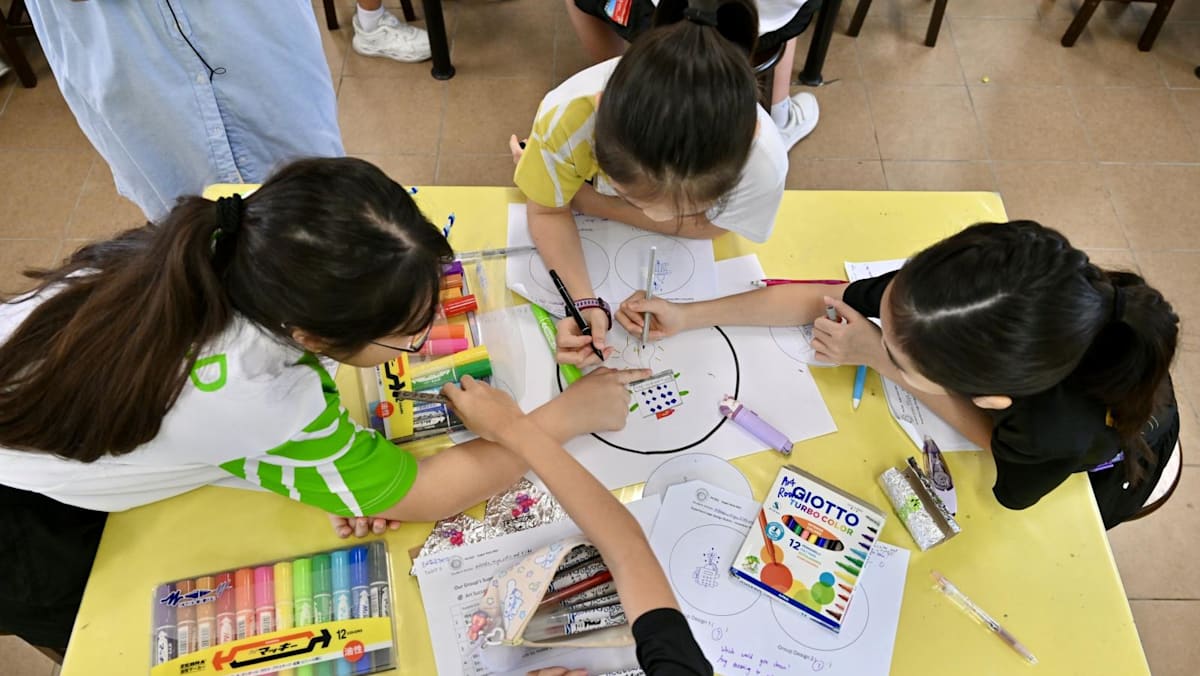
Students in a classroom at Oasis Primary School on Jul 8, 2025. (File photo: CNA/Jeremy Long)
This audio is generated by an AI tool.
SINGAPORE: Removing the Primary School Leaving Examination (PSLE) or Direct School Admission (DSA) could shift pressure elsewhere and send the wrong signals, Second Minister for Education David Neo said on Tuesday (Sep 29).
For instance, a through-train model that skips the PSLE could shift competition to Primary 1 admission, and reduce students’ ability to choose a secondary school that suits the interests and needs they develop later.
Scrapping the DSA programme entirely could send the pressure back to the PSLE and wrongly signal that only academic results matter, he said.
Speaking at the 2026 Institute of Policy Studies forum, Mr Neo said the Ministry of Education (MOE) will look at the parts of the system that fuel the education "arms race" the most, including the transition from primary to secondary school.
CNA Games Guess Word Crack the word, one row at a time Buzzword Create words using the given letters Mini Sudoku Tiny puzzle, mighty brain teaser Mini Crossword Small grid, big challenge Word Search Spot as many words as you can Show More Show Less Young students face the "most acute" pressure at this stage, he said, noting that the PSLE and DSA often come up in the ministry's engagements with the public. Mr Neo cited a recent study which found that parents want a broader, more holistic education for their children. It also showed that parental stress has increased, with families spending more time and money on tuition and enrichment. Many parents want to raise well-rounded children without optimising every decision for the next academic milestone, he said. “How, then, can our education system assure parents that holistic development need not come at the expense of success – especially where the stakes feel highest?” PSLE: LOWERING THE STAKES Most parents feel the most pressure at the PSLE and many people suggested ways to lower its stakes, said Mr Neo. The PSLE serves three purposes – assessing a child’s understanding of the primary school curriculum, providing a basis for secondary school placement and matching students to subject levels in secondary school, he added. Some proposed removing, postponing or even making the exam optional. Others suggested widening the top score bands so students do not have to "chase every mark". Some also had ideas on how students are posted to secondary schools. “Many felt that the deeper answer lies in strengthening more schools, so that families do not feel the need to get their children into a handful of perceived good schools,” he said. While each idea addresses a concern, it may also create new pressures, Mr Neo said. He asked what could replace PSLE results as the basis for secondary school posting: balloting, proximity or a through-train model. More balloting could increase uncertainty and anxiety, while proximity could worsen social mixing by clustering students according to where they live. A through-train model would raise the question of which primary schools should be linked to the more sought-after secondary schools. If PSLE scoring becomes more blunt, more students will have the same score, he added. “For every proposal, we should ask, will it give children more room to learn, to explore and to grow? Will it preserve fairness and maintain high standards? Will it help families focus more on a school’s fit for their child? Where might it displace competition and stress?”
Young students face the "most acute" pressure at this stage, he said, noting that the PSLE and DSA often come up in the ministry's engagements with the public.
Mr Neo cited a recent study which found that parents want a broader, more holistic education for their children. It also showed that parental stress has increased, with families spending more time and money on tuition and enrichment.
Many parents want to raise well-rounded children without optimising every decision for the next academic milestone, he said.
“How, then, can our education system assure parents that holistic development need not come at the expense of success – especially where the stakes feel highest?”
PSLE: LOWERING THE STAKES
Most parents feel the most pressure at the PSLE and many people suggested ways to lower its stakes, said Mr Neo.
The PSLE serves three purposes – assessing a child’s understanding of the primary school curriculum, providing a basis for secondary school placement and matching students to subject levels in secondary school, he added.
Some proposed removing, postponing or even making the exam optional. Others suggested widening the top score bands so students do not have to "chase every mark".
Some also had ideas on how students are posted to secondary schools. “Many felt that the deeper answer lies in strengthening more schools, so that families do not feel the need to get their children into a handful of perceived good schools,” he said.
While each idea addresses a concern, it may also create new pressures, Mr Neo said.
He asked what could replace PSLE results as the basis for secondary school posting: balloting, proximity or a through-train model. More balloting could increase uncertainty and anxiety, while proximity could worsen social mixing by clustering students according to where they live.
A through-train model would raise the question of which primary schools should be linked to the more sought-after secondary schools. If PSLE scoring becomes more blunt, more students will have the same score, he added.
“For every proposal, we should ask, will it give children more room to learn, to explore and to grow? Will it preserve fairness and maintain high standards? Will it help families focus more on a school’s fit for their child? Where might it displace competition and stress?”
DSA: HOW IT BECAME A "SECOND FRONT"
The DSA programme was introduced to recognise students' talents and potential beyond exam results, and this remains valuable today, said Mr Neo.
But for some families, it has become a second front in the "arms race". Children may prepare for PSLE while building a DSA portfolio to secure a place in a preferred school.
“A genuine interest can then become an admissions strategy. Coaching starts earlier, competitions carry higher stakes, and some students eventually burn out and ask to leave the programme,” he said.
Some parents also worry that families with more resources can afford specialised training that others cannot.
MOE received suggestions to scale back or abolish DSA, while others argued it should be expanded so students can be assessed more holistically. Others proposed spreading places or talent areas more widely across schools, or recognising aptitude and interest rather than skills that can be intensively coached.
“The views differ, but they point to the same question. How can DSA recognise different strengths credibly without turning every interest into an admissions strategy?”
Narrowing DSA too much may send the message that exam performance is the only achievement that counts, while broadening it may create more areas where families feel compelled to invest just to compete. Placing greater emphasis on aptitude could make assessment more subjective and seem unfair, Mr Neo said.
“So the goal is not more or less DSA. But it is to reconnect talent recognition with genuine development,” he said.
“A child should be able to enjoy a sport without being asked whether it will produce medals or whether it will contribute to their DSA portfolio. A child should be able to learn music without every lesson building towards a certificate.”
SCHOOL CHOICE NEED NOT FEEL LIKE DESTINY
Parents still see some schools as good schools, and others as less so, said Mr Neo. MOE must assure them that strong teaching, rich development opportunities and credible routes to success exist across the system, not only in a few schools.
“If families trust that schools across the system can help their child thrive, then any single posting outcome will carry less weight," he said.
“Parents will still have preferences, and schools will still differ in history, culture and programmes. But choosing one school over another need not feel like choosing a destiny.”
MOE wants to build a system that gives parents confidence to place less emphasis on achievement and more on holistic development, knowing this will prepare their children for "long-term success", he said.
“Let me be clear: We are not against striving. Nor are we talking about dropping standards,” he added.
Children should learn to set goals, meet challenges and recover from setbacks, he said. "But healthy striving is different from endlessly chasing the last mark."
Chasing marginal gains from a young age can make every decision seem disproportionately consequential, leaving less room for a love of learning, said Mr Neo.
“Therefore, our aim is not to remove all competition, stress or disappointment from education. That would not be realistic, nor would it prepare our children well for life,” he said, noting that other countries that reduced or removed major exams found that the pressures re-emerge in other ways.
“Our aim is to ensure that competition does not become the all-consuming thing that crowds out the pursuit of qualities that our children need to flourish.”
Get our pick of top stories and thought-provoking articles in your inbox
Stay updated with notifications for breaking news and our best stories
Join our channel for the top reads for the day on your preferred chat app
教育部第二部长梁振英表示,教育部将研究公众对小学升中学过渡阶段的反馈意见,因为在这个阶段,年轻学生面临着“最严峻”的压力。
2025年7月8日,绿洲小学教室里的学生。(资料照片:CNA/Jeremy Long)
这段音频是由人工智能工具生成的。
新加坡:教育部第二部长梁振英周二(9月29日)表示,取消小学离校考试(PSLE)或直接入学计划(DSA)可能会将压力转移到其他地方,并发出错误的信号。
例如,跳过小学离校考试(PSLE)的直通车模式可能会将竞争转移到小学一年级入学,并降低学生选择适合他们日后兴趣和需求的初中的能力。
他表示,完全取消DSA计划可能会将压力重新转移到PSLE考试上,并错误地发出只有学业成绩才重要的信号。
Neo先生在2026年政策研究所论坛上发言时表示,教育部将研究助长教育“军备竞赛”的系统中哪些部分最为严重,包括小学到中学的过渡。
CNA游戏 猜词游戏 逐行破解单词 流行词游戏 用给定的字母组成单词 迷你数独 小谜题,脑力挑战 迷你填字游戏 小方格,大挑战 单词搜索 尽可能多地找出单词 显示更多 显示更少 他说,低年级学生在这个阶段面临着“最严峻”的压力,并指出小学离校考试(PSLE)和直接入学计划(DSA)经常在教育部与公众的交流中被提及。Neo先生引用了一项最近的研究,该研究发现家长希望孩子接受更广泛、更全面的教育。研究还表明,家长的压力有所增加,家庭在补习和课外活动上花费了更多的时间和金钱。他说,许多家长希望培养全面发展的孩子,而不是为了下一个学业里程碑而做出每一个决定。“那么,我们的教育体系如何才能让家长相信,全面发展不必以牺牲成功为代价——尤其是在风险最高的时候?” 小学离校考试:降低风险 Neo先生说,大多数家长在小学离校考试中感到压力最大,许多人提出了降低考试风险的方法。他补充说,小六会考(PSLE)有三个目的:评估孩子对小学课程的理解程度、为中学分班提供依据以及将学生与中学的科目水平相匹配。有人提议取消、推迟甚至将考试改为自愿参加。也有人建议扩大最高分的分数范围,这样学生就不必“追逐每一分”。还有人提出了关于如何分配学生进入中学的想法。“许多人认为,更深层次的解决之道在于加强更多学校的建设,这样家长们就不会觉得必须把孩子送到少数几所他们认为的好学校,”他说。Neo先生表示,虽然每个想法都针对一个问题,但也可能带来新的压力。他问道,什么可以取代小六会考成绩作为中学分班的依据:抽签、就近入学还是直通车模式?更多的抽签可能会增加不确定性和焦虑,而就近入学可能会因为学生按居住地聚集而加剧社会融合。直通车模式则会引发一个问题:哪些小学应该与更受欢迎的中学衔接?他补充说,如果小学离校考试(PSLE)的评分标准变得更加单一,那么更多学生的分数就会相同。“对于每一项提案,我们都应该问自己:它能否给孩子们更多学习、探索和成长的空间?它能否维护公平并保持高标准?它能否帮助家长更专注于选择适合自己孩子的学校?它又会在哪些方面削弱竞争和压力?”
他表示,年轻学生在这个阶段面临着“最严峻”的压力,并指出小学离校考试(PSLE)和直接入学计划(DSA)经常在教育部与公众的交流中被提及。
Neo先生引用了一项近期研究,该研究发现家长希望孩子接受更广泛、更全面的教育。研究还表明,家长的压力有所增加,家庭在课外辅导和素质教育方面花费了更多的时间和金钱。
他说,许多家长希望培养全面发展的孩子,而不是为了下一个学业里程碑而做出每一个决定。
那么,我们的教育体系如何才能让家长们相信,全面发展不必以牺牲成功为代价——尤其是在那些风险最高的情况下?
小六会考:降低门槛
Neo先生表示,大多数家长在小学离校考试(PSLE)中感到压力最大,许多人提出了降低考试重要性的方法。
他补充说,PSLE考试有三个目的——评估孩子对小学课程的理解,为中学分班提供依据,以及将学生与中学的科目水平相匹配。
有人提议取消考试、推迟考试,甚至将考试改为自愿参加。也有人建议扩大最高分区间,这样学生就不必“为了每一分而苦苦追求”。
一些人还就如何分配学生进入中学提出了建议。“许多人认为,更深层次的解决之道在于加强更多学校的建设,这样家长们就不必非得把孩子送到少数几所他们认为的好学校了。”他说。
Neo先生表示,虽然每个想法都旨在解决一个问题,但也可能带来新的压力。
他询问,除了小学离校考试(PSLE)成绩之外,还有什么可以作为中学分班的依据:抽签、就近入学还是直通车模式。抽签可能会增加不确定性和焦虑情绪,而就近入学则可能因为学生居住地不同而导致社交融合恶化。
直通式教育模式会引发一个问题:哪些小学应该与更受欢迎的中学衔接?他补充说,如果小学离校考试(PSLE)的评分标准变得更加单一,那么会有更多学生的分数相同。
“对于每一项提案,我们都应该问:它能否给孩子们提供更多学习、探索和成长的空间?它能否维护公平并保持高标准?它能否帮助家长们更专注于选择适合自己孩子的学校?它能否在哪些方面缓解竞争和压力?”
DSA:它如何成为“第二战场”
Neo先生表示,DSA计划的推出是为了认可学生在考试成绩之外的才能和潜力,这一点在今天仍然很有价值。
但对一些家庭来说,这已成为“军备竞赛”的第二战场。孩子们可能一边准备小学离校考试(PSLE),一边建立直接入学计划(DSA)的档案,以确保进入理想的学校。
“真正的兴趣可以成为一种入学策略。辅导开始得更早,比赛的竞争更加激烈,一些学生最终会筋疲力尽,要求退出该项目,”他说。
有些家长还担心,经济条件较好的家庭能够负担得起其他家庭负担不起的专业培训。
教育部收到了一些建议,要求缩减或取消直接入学计划(DSA),而另一些人则认为应该扩大该计划的覆盖范围,以便对学生进行更全面的评估。还有人提议将名额或才能领域更广泛地分配到各学校,或者重视学生的才能和兴趣,而不是那些可以通过强化训练获得的技能。
“虽然观点各异,但它们都指向同一个问题。DSA(直接入学申请)如何在不将每项兴趣都变成招生策略的情况下,令人信服地认可不同的优势?”
尼奥先生表示,如果直接入学补助金(DSA)的覆盖范围过窄,可能会传递出考试成绩是唯一衡量标准的错误信息;而如果覆盖范围过宽,则可能导致更多家庭为了参与竞争而被迫在更多领域进行投资。过分强调能力倾向可能会使评估更加主观,从而显得不公平。
“所以,我们的目标并非更多地依赖DSA,而是要将人才认可与真正的发展联系起来,”他说道。
“孩子应该能够享受运动的乐趣,而不必考虑这项运动能否获得奖牌,或者能否为他们的DSA(发展技能评估)档案增添光彩。孩子应该能够学习音乐,而不必每节课都以获得证书为目标。”
择校不必感觉像是命中注定
尼奥先生表示,家长们仍然认为有些学校是好学校,有些则不然。教育部必须向他们保证,优质的教学、丰富的学习机会和可靠的成功途径存在于整个教育体系中,而不仅仅是少数学校。
他说:“如果家长们相信整个教育系统内的学校都能帮助他们的孩子茁壮成长,那么任何单一的录取结果都不会那么重要。”
“家长们仍然会有自己的偏好,学校在历史、文化和课程设置方面也仍然会有所不同。但是,选择一所学校而不是另一所学校,并不意味着要选择命运。”
教育部希望建立一个体系,让家长们有信心减少对学业成绩的关注,更多地关注孩子的全面发展,因为他们知道这将为孩子的“长期成功”做好准备。
“我要明确指出:我们并不反对奋斗,也不是要降低标准,”他补充道。
他说,孩子们应该学会设定目标、迎接挑战并从挫折中恢复过来。“但健康的奋斗与无休止地追求最终目标截然不同。”
Neo先生表示,从小就追求微小的进步,会让每个决定看起来都意义重大,从而减少对学习的热爱。
“因此,我们的目标并非消除教育中的所有竞争、压力或失望。这既不现实,也无法让我们的孩子更好地为未来生活做好准备,”他说道,并指出其他一些减少或取消重大考试的国家发现,这些压力会以其他方式再次出现。
“我们的目标是确保竞争不会成为压倒一切的因素,从而阻碍孩子们追求他们茁壮成长所需的品质。”
订阅我们的邮件,即可获取精选热点新闻和引人深思的文章。
订阅通知,第一时间获取突发新闻和精彩报道。
加入我们的频道,即可在您常用的聊天应用上获取当日热门文章。