‘If we can’t sell oil, no one else will’: Iran threatens regional infrastructure as Hormuz talks stall“如果我们卖不出去石油,别人也卖不出去”:霍尔木兹海峡和谈陷入僵局,伊朗威胁地区基础设施。
TEHRAN, Sept 29 — Iran today threatened to attack infrastructure around the Middle East, intensifying its rhetoric as it awaits a formal response from Washington on a new plan to...
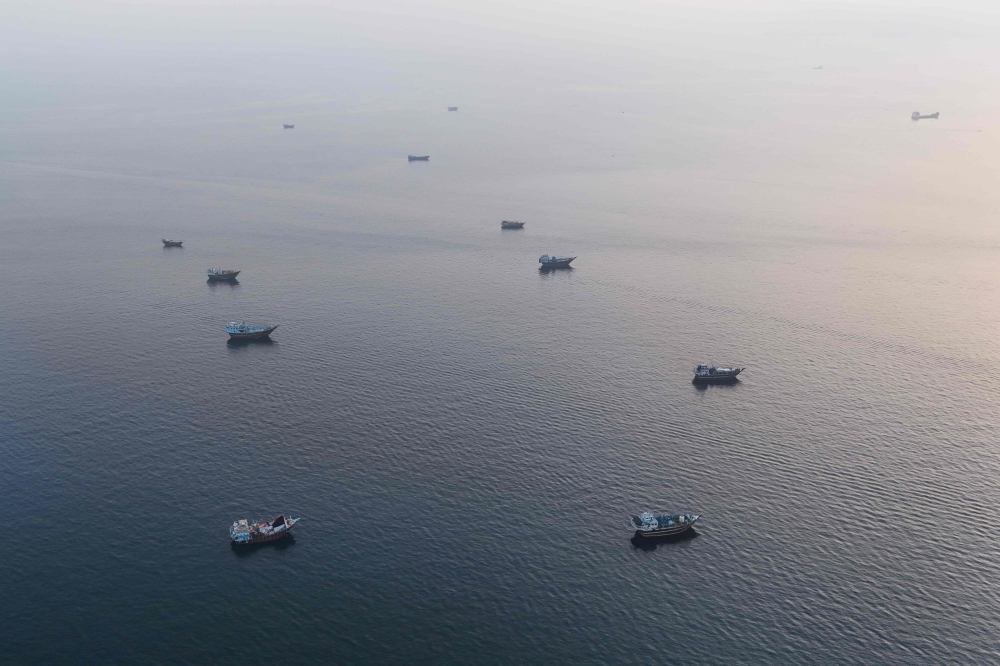
Iran has threatened to target Middle Eastern infrastructure and maintain its blockade of the Strait of Hormuz, as tensions rise over a new proposal awaiting a formal U.S. response.
Despite recent easing of conflict, Iran insists on security guarantees and conditions for reopening the critical shipping route.
Tehran demands include a regional ceasefire, lifting of oil sanctions, and unfreezing of its assets.
The U.S. maintains a counterblockade, and both nations dispute control over the strategic waterway.
TEHRAN, Sept 29 — Iran today threatened to attack infrastructure around the Middle East, intensifying its rhetoric as it awaits a formal response from Washington on a new plan to reopen the Strait of Hormuz.
US President Donald Trump has already dismissed the proposal from Tehran, but Iran’s foreign minister said yesterday that he was expecting a formal response from American officials in the coming day.
Fighting has subsided in recent weeks, though Tehran has continued to target ships in the strait, with Washington falling back on an economic pressure campaign instead of further military action.
Iran’s chief negotiator Mohammad Bagher Ghalibaf today threatened new attacks, saying no infrastructure in the region would be safe if his country’s security was not guaranteed.
“In a region where we cannot sell oil, no one else will sell oil either; or if our security is not guaranteed, no infrastructure will remain safe,” Ghalibaf, who is also Iran’s parliament speaker, said according to video released by state TV.
Iranian Foreign Minister Abbas Araghchi said he expected a formal answer from the US today to Tehran’s proposal, state media reported.
Iran has maintained a blockade on commercial shipping through Hormuz since the war began in late February with US-Israeli strikes on the Islamic republic.
The shipping route carried a fifth of the world’s oil and liquefied natural gas before the conflict began.
The US military has been maintaining a counterblockade of Iran’s ports in an effort to prevent Tehran from exporting oil.
Araghchi said late yesterday that Qatari intermediaries “presented ideas, and we discussed them; they are set to raise the matter with the American side once more, after which the final US response will be conveyed to us”.
The top diplomat, who was in New York for the UN General Assembly, said “the Qataris hope this will be done by tomorrow”.
“The current focus is solely on the Strait of Hormuz, and the reopening of the strait is contingent upon the fulfilment of certain conditions that we have communicated to the other side,” he added.
Last week, discussions were held in New York between Araghchi and US envoys Steve Witkoff and Jared Kushner.
As a precondition for ending its blockade, Iran is demanding a seven-day ceasefire across the Middle East, including in Lebanon, where its ally Hezbollah is regularly bombarded by Israel.
It is also demanding the unfreezing of Iranian assets abroad, the lifting of sanctions on its oil sector and an end to the US naval blockade on its ports.
Both sides claim to have control of Hormuz, with the US saying oil is moving through and Tehran insisting the waterway is closed.
Today, Iran’s Revolutionary Guards, the ideological arm of the country’s military, said “the US claim that it remains open is false”.
“Sneaking a few hundred barrels of oil through under the cover of darkness — with transponders turned off and at great cost — does not constitute the strait being open,” said spokesperson Hossein Mohebi.
“A truly open strait is one where, as in the past, at least 125 vessels would pass through daily, transporting a minimum of 20 million barrels of oil and petroleum products.
“Any vessel attempting to pass through sustains damage — either we strike it, or it hits a mine,” he added. — AFP
North Korea rejects South’s claim over deadly DMZ mine blasts
Netanyahu accused of ‘fear-mongering’ over warning of attack before vote by rival
Trump backs AI industry pledge to police itself
Dr Mahathir admitted to IJN for observation
Malaysia denounces Israeli settler raid on Al-Aqsa Mosque, urges UN action
Penang draws 285,400 medical tourists, RM601.8m revenue in first half of 2026
伊朗威胁要袭击中东基础设施,并继续封锁霍尔木兹海峡,目前紧张局势正因一项等待美国正式回应的新提议而加剧。
尽管近期冲突有所缓和,但伊朗仍坚持要求安全保障和重新开放这条重要航运路线的条件。
德黑兰的要求包括区域停火、解除石油制裁和解冻其资产。
美国维持着反封锁,两国都对这条战略水道的控制权存在争议。
德黑兰,9 月 29 日——伊朗今天威胁要袭击中东地区的基础设施,在等待华盛顿就重新开放霍尔木兹海峡的新计划作出正式回应之际,伊朗加大了言辞力度。
美国总统唐纳德·特朗普已经驳回了德黑兰的提议,但伊朗外交部长昨天表示,他预计美国官员将在未来几天内做出正式回应。
近几周来,战斗有所缓和,但德黑兰继续袭击海峡中的船只,而华盛顿则转而采取经济施压行动,而不是进一步的军事行动。
伊朗首席谈判代表穆罕默德·巴格尔·加利巴夫今天威胁要发动新的袭击,称如果伊朗的安全得不到保障,该地区的任何基础设施都将不安全。
据伊朗国家电视台发布的视频显示,伊朗议会议长加利巴夫表示:“在一个我们无法出售石油的地区,其他人也不会出售石油;或者说,如果我们的安全得不到保障,任何基础设施都不会安全。”
据伊朗国家媒体报道,伊朗外交部长阿巴斯·阿拉格奇表示,他预计美国今天将对德黑兰的提议作出正式答复。
自2月底美以联军对伊朗发动空袭导致战争爆发以来,伊朗一直封锁霍尔木兹海峡的商业航运。
冲突爆发前,这条航线运输了全球五分之一的石油和液化天然气。
美国军方一直对伊朗港口实施反封锁,以阻止德黑兰出口石油。
阿拉格奇昨天晚些时候表示,卡塔尔的中间人“提出了一些想法,我们进行了讨论;他们将再次向美方提出此事,之后美方的最终回应将传达给我们”。
这位正在纽约参加联合国大会的高级外交官表示,“卡塔尔方面希望这件事能在明天完成”。
他补充说:“目前的重点完全在于霍尔木兹海峡,海峡的重新开放取决于我们已向对方传达的某些条件的实现。”
上周,阿拉格奇与美国特使史蒂夫·威特科夫和贾里德·库什纳在纽约举行了会谈。
作为结束封锁的先决条件,伊朗要求在中东地区(包括黎巴嫩)实行为期七天的停火,伊朗的盟友真主党在黎巴嫩经常受到以色列的轰炸。
它还要求解冻伊朗在海外的资产,解除对伊朗石油行业的制裁,并结束美国对伊朗港口的海上封锁。
双方都声称控制了霍尔木兹海峡,美国表示石油正在通过该海峡运输,而德黑兰则坚称该水道已被关闭。
今天,伊朗革命卫队(该国军队的意识形态机构)表示,“美国声称伊朗仍然开放的说法是错误的”。
发言人侯赛因·莫赫比表示:“在夜幕掩护下,关闭应答器,花费巨大代价,偷偷运几百桶石油通过海峡,并不代表海峡已经开放。”
“真正开放的海峡是指像过去一样,每天至少有 125 艘船只通过,运输至少 2000 万桶石油和石油产品。
“任何试图通过的船只都会遭受损害——要么被我们撞击,要么触雷,”他补充道。——法新社
朝鲜否认韩国对非军事区致命地雷爆炸事件的指控
内塔尼亚胡被竞争对手指责在选举前发出袭击警告是“散布恐慌”。
特朗普支持人工智能行业自我监管的承诺。
马哈迪医生入院观察
马来西亚谴责以色列定居者袭击阿克萨清真寺,敦促联合国采取行动
槟城在2026年上半年吸引了285,400名医疗游客,收入达6.018亿令吉。