Woman who resigned after being put on performance improvement plan loses wrongful dismissal claim因被列入绩效改进计划而辞职的女子败诉,其不当解雇索赔案告吹。
The woman's role was expanded shortly after she passed her probation period to include creative functions, for which she was found to be lacking in a later performance improvement plan.
The woman's role was expanded shortly after she passed her probation period to include creative functions, for which she was found to be lacking in a later performance improvement plan.
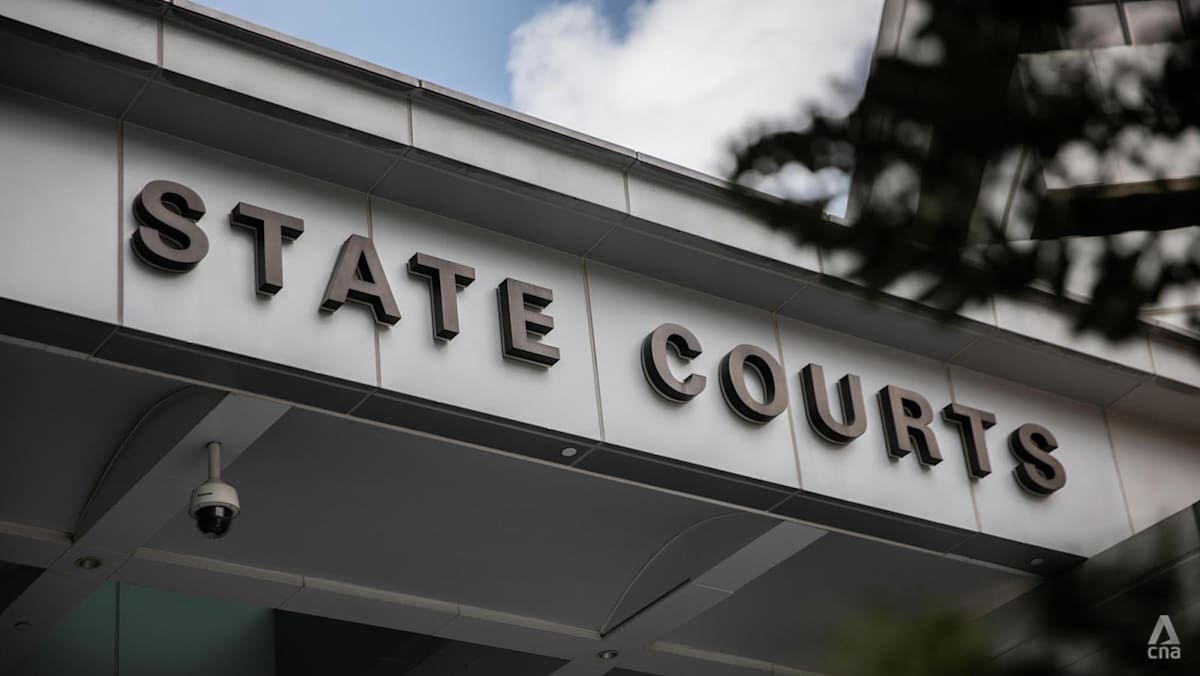
A view of the State Courts building in Singapore. (File photo: CNA/Ili Nadhirah Mansor)
This audio is generated by an AI tool.
SINGAPORE: A woman who joined a company as a senior social media executive was placed on a performance improvement plan (PIP) after her role was expanded to include "creative" functions.
When she did not pass the PIP, she was offered a chance to be redeployed or resign, and she chose to resign.
The woman later filed a wrongful dismissal claim, initially seeking S$20,000 (US$15,660) but later recalibrating it to S$4,000, or one month of her salary.
She argued that her dismissal was the result of performance issues around her creative functions which she had "never been contractually appointed to".
In a judgment published on Tuesday (Sep 29), an Employment Claims Tribunal (ECT) dismissed the woman's claim, saying she had been dismissed with just cause or excuse.
The woman's name and the name of the company were anonymised in the judgment. This is usual for ECT cases which are heard in private.
The woman began her job at the company on Jan 8, 2024. She passed her two-month probation period.
From March 2024, her role was expanded to include "creative" functions.
The company explained that this was part of a company-wide consolidation process.
The woman consented to the expansion of her role, but said she agreed based on the company's representation that she would receive adequate training and mentorship.
In November 2025, the woman was placed on a PIP for about three months. The plan identified four areas of improvement: Creative ideation and video production, production and execution, photography and styling, and content planning.
The first three areas were related to her creative functions while the fourth was a non-creative function, the judgment stated.
When the PIP concluded in March this year, it was assessed that the woman did not pass the PIP.
The head of human resources (HR) conveyed to the woman the possibility of being considered for redeployment to other positions.
The woman was also offered the option of resigning. It was understood that she would be terminated if she accepted neither redeployment nor resignation, the judgment said.
The woman resigned at the end of March 2026. The company agreed to waive and shorten her notice period so she could begin her next job.
In June 2026, the woman filed a claim for wrongful dismissal, saying she had been dismissed due to alleged performance issues related to creative functions that she had "never been contractually appointed to".
She also claimed that she had not been provided with the "promised support".
Tribunal magistrate Kevin Ho Hin Tat found that the woman did not resign voluntarily, but was forced to do so.
However, he was unable to find that she was dismissed without just cause or excuse.
Mr Ho said the woman's argument – that she had never been "contractually appointed" to her creative functions – was a non-starter.
While there was no revised employment contract reflecting the new functions beyond the woman's original job scope, she did not dispute that she had agreed to take on those functions.
She had also been performing those functions for a substantial period of time since March 2024.
In the woman's performance review for June 2024, it was expressly documented that she was doing something "beyond what she was hired for, which is creative work".
On the claim that she was not provided the promised support for the creative functions, Mr Ho said it was not supported by any objective evidence or set out in enough detail.
While the woman was self-represented, she still had the duty to particularise her case with sufficient detail, said Mr Ho.
The woman's appraisal reports also did not reflect any "serious complaint" from her about the "promised support", he said.
An appraisal report in December 2025 alluded to the woman requesting "samples/proper guidance from a supervisor for stuff like mood boards", and for proper "feedback from supervisor on what I can improve on especially since I do not come from a graphic design background".
The PIP document sets out in detail for each area of improvement the resources or support that would be provided to the woman.
It was also undisputed that the woman did not reach out to the HR officer handling her PIP for any support or to raise any challenge regarding the PIP.
COMPANY HAD DOCUMENTATION
Mr Ho said the PIP was a structured and documented process, with a fixed period given for the woman to meet the clearly defined performance targets.
"I am satisfied that the respondent has produced sufficient contemporaneous and objective evidence to show that it had genuine concerns about the claimant's work performance, which led to the PIP and its eventual decisions to offer the claimant the three options leading to her dismissal," said Mr Ho.
Apart from the PIP document, the December 2025 appraisal report records the assessment that the woman's overall rating was "partially meeting expectations".
This was the second-lowest category out of five. Her numerical rating was 2.7 out of 5.
The remarks stated that while the woman was dependable overall and had delivered results, they flagged "some recurring quality issues".
The woman was also noted to have "key areas to develop including taking full ownership of her work, improving attention to detail, and strengthening her professional knowledge and creative thinking that are essential to her role".
Mr Ho said that even if the woman could prove that she was wrongfully dismissed, she would have "considerable difficulty" in proving her entitlement to any compensation.
She had been paid for the notice period and there was effectively no break in her employment after she left the company.
"When this was pointed out to the claimant at the trial, the claimant was unable to provide any response. There is also no objective evidence of any harm that the claimant suffered on account of her dismissal," said Mr Ho.
Get our pick of top stories and thought-provoking articles in your inbox
Stay updated with notifications for breaking news and our best stories
Join our channel for the top reads for the day on your preferred chat app
该女子通过试用期后不久,其职责范围就扩大到包括创意职能,但在后来的绩效改进计划中,发现她在这方面有所欠缺。
新加坡国家法院大楼一景。(资料照片:CNA/Ili Nadhirah Mansor)
这段音频是由人工智能工具生成的。
新加坡:一名女性加入公司担任高级社交媒体主管后,由于其职责范围扩大到包括“创意”职能,被列入绩效改进计划 (PIP)。
当她未能通过绩效改进计划 (PIP) 时,公司给了她重新部署或辞职的机会,她选择了辞职。
该女子后来提起不当解雇诉讼,最初索赔 20,000 新元(15,660 美元),但后来将索赔金额调整为 4,000 新元,即她一个月的工资。
她辩称,她被解雇是因为她在创意工作方面存在表现问题,而她“从未被合同任命从事这些工作”。
周二(9 月 29 日)公布的判决中,就业索赔法庭 (ECT) 驳回了该女子的索赔,称她被解雇有正当理由或借口。
判决书中对该女子的姓名和公司名称均进行了匿名处理。这在非公开审理的电休克疗法案件中是惯例。
该女子于 2024 年 1 月 8 日开始在该公司工作。她通过了两个月的试用期。
从 2024 年 3 月起,她的职责范围扩大到包括“创意”职能。
该公司解释说,这是公司整体整合过程的一部分。
该女子同意扩大其职责范围,但表示她同意的前提是公司承诺会给她提供充分的培训和指导。
2025年11月,该女子被安排参加为期约三个月的绩效改进计划(PIP)。该计划确定了四个需要改进的领域:创意构思和视频制作、制作和执行、摄影和造型以及内容规划。
判决书指出,前三个领域与她的创造性功能有关,而第四个领域则与非创造性功能有关。
今年 3 月 PIP 结束时,评估结果显示该女子未通过 PIP。
人力资源主管向该女子表示,她有可能被考虑调任到其他岗位。
判决书指出,该女子也被提供了辞职的选择。双方达成共识,如果她既不接受调岗也不辞职,将被解雇。
该女子于 2026 年 3 月底辞职。公司同意免除并缩短她的通知期,以便她能够开始下一份工作。
2026 年 6 月,该女子提起不当解雇诉讼,称她被解雇的原因是与她“从未被合同任命从事的创意职能”相关的所谓绩效问题。
她还声称自己没有得到“承诺的支持”。
审裁处法官何显达认定该女子并非自愿辞职,而是被迫辞职。
然而,他未能发现她被无正当理由或借口解雇。
何先生表示,该女子辩称她从未“以合同形式”担任其创意职务,这种说法根本站不住脚。
虽然没有修订后的雇佣合同反映出该女子原工作范围之外的新增职能,但她并未否认自己已同意承担这些职能。
自 2024 年 3 月以来,她也已履行这些职责相当长一段时间。
在该女子 2024 年 6 月的绩效考核中,明确记录了她正在做一些“超出她受聘范围的事情,即创造性工作”。
针对她声称没有得到承诺的创作职能支持的说法,何先生表示,没有任何客观证据支持,也没有足够详细的说明。
何先生说,虽然这名女子是自行辩护,但她仍然有责任详细说明自己的案件。
他还说,该女子的评估报告也没有反映出她对“承诺的支持”有任何“严重不满”。
2025 年 12 月的一份评估报告暗示,该女子要求“主管提供样品/适当的指导,例如情绪板”,并要求“主管提供适当的反馈,告诉我哪些方面可以改进,尤其是我没有平面设计背景”。
PIP 文件详细列出了每个需要改进的领域将向该妇女提供的资源或支持。
双方也均认可,该女子没有联系负责其绩效改进计划 (PIP) 的人力资源官员寻求任何支持,也没有就 PIP 提出任何质疑。
公司有相关文件
何先生表示,绩效改进计划是一个结构化且有据可查的过程,会给女性设定一个固定的期限,让她们达到明确定义的绩效目标。
何先生说:“我确信,答辩人提供了充分的同期客观证据,表明其对申诉人的工作表现确实存在担忧,这导致了个人独立支付(PIP)的提出,并最终决定向申诉人提供三种选择,最终导致其被解雇。”
除了 PIP 文件外,2025 年 12 月的评估报告记录了对该女性总体评级“部分符合预期”的评估。
这是五个等级中倒数第二低的等级。她的评分是2.7分(满分5分)。
评论指出,虽然该女子总体上值得信赖,也取得了一定的成果,但他们也指出了一些“反复出现的质量问题”。
报告还指出,该女子“在以下几个方面需要重点提升:全面负责自己的工作、提高对细节的关注度,以及加强对她工作至关重要的专业知识和创造性思维”。
何先生表示,即使该女子能够证明自己被错误解雇,她也很难证明自己有权获得任何赔偿。
她已获得通知期工资,离开公司后实际上并未中断工作。
“在庭审中,当这一点被指出时,申诉人无法做出任何回应。也没有任何客观证据表明申诉人因被解雇而遭受任何损害,”何先生说。
订阅我们的邮件,即可获取精选热点新闻和引人深思的文章。
订阅通知,第一时间获取突发新闻和精彩报道。
加入我们的频道,即可在您常用的聊天应用上获取当日热门文章。