Price controls may look attractive, but costs often only emerge later: PM Wong黄总理:价格管制看似诱人,但其成本往往在之后才会显现。
Consumers may benefit from price controls initially, but over time, suppliers may have less incentive to produce or invest, says the prime minister.
Consumers may benefit from price controls initially, but over time, suppliers may have less incentive to produce or invest, says the prime minister.
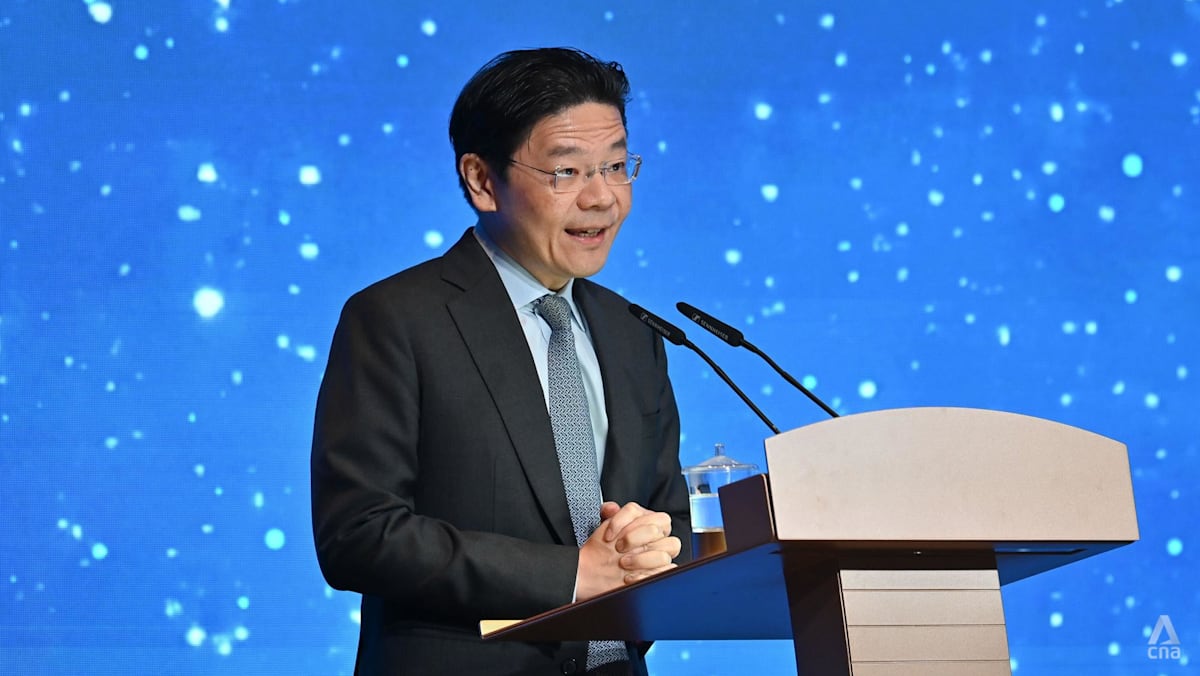
Prime Minister and Minister for Finance Lawrence Wong speaking at the Economist Service anniversary dinner on Sep 30, 2026. (Photo: CNA/Alyssa Tan)
This audio is generated by an AI tool.
SINGAPORE: Price controls may benefit consumers at first, but suppliers may have less incentive to produce or invest over time, Prime Minister Lawrence Wong said on Wednesday (Sep 30).
Speaking at the Economist Service's 25th anniversary dinner, he said the immediate effects of holding prices artificially low can look attractive, but the costs often emerge only later.
“Supply will fall short of demand, shortages will emerge and the original problem becomes even harder to solve,” he added, citing rent controls that discourage the supply of rental units and food price caps that lead to shortages.
Costs can also surface in other ways – fiscal burdens can accumulate, investments can move elsewhere and people find ways around the rules, said Mr Wong, who is also the finance minister.
CNA Games Guess Word Crack the word, one row at a time Buzzword Create words using the given letters Mini Sudoku Tiny puzzle, mighty brain teaser Mini Crossword Small grid, big challenge Word Search Spot as many words as you can Show More Show Less The Singapore government intervenes in many areas to correct market failures, pool risks and achieve “important objectives”, he added. “But precisely because government intervenes, we need to intervene correctly. “We have to diagnose the problem well, understand the incentives we are creating, recognise the costs and trade-offs, and think through the second- and third-order consequences,” he said. Mr Wong said maintaining this discipline is one of the most important responsibilities of the Economist Service. The Economist Service, headquartered at the Ministry of Trade and Industry, comprises public-sector economists who conduct economic research and analysis to support policymaking. The Workers’ Party has previously called on the government to support small- and medium-sized enterprises “indirectly” by easing cost pressures, including rents. During a parliamentary debate in August on a motion on Singapore’s economic growth tabled by the opposition party, its Member of Parliament Jamus Lim proposed capping annual rent increases around the historical average of 3 per cent. He said this would give businesses time to adjust to increases in fixed costs. “This is a limit on the rate, not the level. Market rents will still prevail in the long run,” he said at the time, noting that many countries have similar restrictions. He argued that even limiting this measure to government or agency landlords would be a major step forward. PRESSURE FOR "EASY SOLUTIONS" Singapore is not immune to pressures for "easy solutions" and this pressure will grow in the coming years amid an uncertain global environment and looming technological disruption, said Mr Wong. Economists often discuss “creative destruction”, or how old activities give way to new ones, and how it is essential for innovation and growth, he said. “That is true for the economy as a whole. But for the individual worker whose job is being displaced and destroyed, there is nothing abstract about the disruption. The costs are immediate and personal.” “And when livelihoods are affected and people feel anxious about their future, it is understandable that they will look to the government for solutions.” The government must respond to these concerns and help those adversely affected by change, ensuring that the benefits of growth are shared, said Mr Wong. “But we also have to be clear-eyed about what works and what does not,” he added. Good intentions alone do not make good policies, and leaving everything to the market is also not the answer because markets can fail, he said, adding that Singapore cares about other important things that markets alone cannot provide. Mr Wong was one of the five economists on the team when the Economist Service was formally established in 2001, and he thanked the service for its work over the years. He urged economists to uphold discipline in policymaking across government agencies, aided by the more advanced tools available today. “What problem are we trying to solve? What are the trade-offs? What incentives are we creating? And what might happen next, including the consequences we did not intend?” he asked. Doing this well takes judgment and intellectual honesty, said Mr Wong. “It takes the professional conviction to speak up when the analysis points to an uncomfortable conclusion.”
The Singapore government intervenes in many areas to correct market failures, pool risks and achieve “important objectives”, he added.
“But precisely because government intervenes, we need to intervene correctly.
“We have to diagnose the problem well, understand the incentives we are creating, recognise the costs and trade-offs, and think through the second- and third-order consequences,” he said.
Mr Wong said maintaining this discipline is one of the most important responsibilities of the Economist Service.
The Economist Service, headquartered at the Ministry of Trade and Industry, comprises public-sector economists who conduct economic research and analysis to support policymaking.
The Workers’ Party has previously called on the government to support small- and medium-sized enterprises “indirectly” by easing cost pressures, including rents.
During a parliamentary debate in August on a motion on Singapore’s economic growth tabled by the opposition party, its Member of Parliament Jamus Lim proposed capping annual rent increases around the historical average of 3 per cent. He said this would give businesses time to adjust to increases in fixed costs.
“This is a limit on the rate, not the level. Market rents will still prevail in the long run,” he said at the time, noting that many countries have similar restrictions. He argued that even limiting this measure to government or agency landlords would be a major step forward.
PRESSURE FOR "EASY SOLUTIONS"
Singapore is not immune to pressures for "easy solutions" and this pressure will grow in the coming years amid an uncertain global environment and looming technological disruption, said Mr Wong.
Economists often discuss “creative destruction”, or how old activities give way to new ones, and how it is essential for innovation and growth, he said.
“That is true for the economy as a whole. But for the individual worker whose job is being displaced and destroyed, there is nothing abstract about the disruption. The costs are immediate and personal.”
“And when livelihoods are affected and people feel anxious about their future, it is understandable that they will look to the government for solutions.”
The government must respond to these concerns and help those adversely affected by change, ensuring that the benefits of growth are shared, said Mr Wong.
“But we also have to be clear-eyed about what works and what does not,” he added.
Good intentions alone do not make good policies, and leaving everything to the market is also not the answer because markets can fail, he said, adding that Singapore cares about other important things that markets alone cannot provide.
Mr Wong was one of the five economists on the team when the Economist Service was formally established in 2001, and he thanked the service for its work over the years.
He urged economists to uphold discipline in policymaking across government agencies, aided by the more advanced tools available today.
“What problem are we trying to solve? What are the trade-offs? What incentives are we creating? And what might happen next, including the consequences we did not intend?” he asked.
Doing this well takes judgment and intellectual honesty, said Mr Wong. “It takes the professional conviction to speak up when the analysis points to an uncomfortable conclusion.”
Our chief editor shares analysis and picks of the week's biggest news every Saturday.
Get our pick of top stories and thought-provoking articles in your inbox
Stay updated with notifications for breaking news and our best stories
Join our channel for the top reads for the day on your preferred chat app
首相表示,消费者最初可能会从价格管制中受益,但随着时间的推移,供应商的生产或投资动力可能会降低。
2026年9月30日,总理兼财政部长黄循财在《经济学人》周年晚宴上发表讲话。(图片:CNA/Alyssa Tan)
这段音频由人工智能工具生成。
新加坡:总理黄循财周三(9月30日)表示,价格管制起初可能对消费者有利,但随着时间的推移,供应商的生产或投资动力可能会降低。
他在经济学人服务社成立 25 周年晚宴上发表讲话时表示,人为压低价格的直接效果可能看起来很有吸引力,但代价往往要到以后才会显现。
“供应将无法满足需求,短缺将会出现,最初的问题将变得更加难以解决,”他补充道,并指出租金管制会抑制出租房屋的供应,食品价格上限会导致短缺。
黄之锋(同时也是财政部长)表示,成本也可能以其他方式出现——财政负担会不断累积,投资会转移到其他地方,人们会想方设法规避规则。
CNA游戏 猜词游戏 逐行破解单词 流行词游戏 用给定的字母组成单词 迷你数独 小小的谜题,强大的脑力挑战 迷你填字游戏 小方格,大挑战 单词搜索 尽可能多地找出单词 显示更多 显示更少 他补充说,新加坡政府在许多领域进行干预,以纠正市场失灵、分散风险并实现“重要目标”。 “但正因为政府会进行干预,我们才更需要正确地进行干预。”他说道,“我们必须准确诊断问题,了解我们正在创造的激励机制,认识到成本和权衡取舍,并仔细考虑二阶和三阶后果。”黄先生表示,保持这种严谨性是经济顾问服务处最重要的职责之一。经济顾问服务处总部设在贸易和工业部,由公共部门经济学家组成,他们开展经济研究和分析,为政策制定提供支持。工人党此前曾呼吁政府通过减轻成本压力(包括租金)来“间接”支持中小企业。在8月份的一次议会辩论中,反对党就新加坡经济增长动议提出建议,反对党议员林志蔚提议将年度租金涨幅限制在3%的历史平均水平附近。他表示,这将使企业有时间适应固定成本的增长。“这是对涨幅的限制,而不是对涨幅水平的限制。” “从长远来看,市场租金仍将占据主导地位,”他当时表示,并指出许多国家都有类似的限制。他认为,即使将这项措施仅限于政府或代理机构的房东,也是向前迈出的一大步。寻求“简易方案”的压力 黄先生表示,新加坡也面临着寻求“简易方案”的压力,而且在全球环境不确定和即将到来的技术变革的背景下,这种压力在未来几年还会增加。他说,经济学家经常讨论“创造性破坏”,即旧活动如何让位于新活动,以及这对创新和增长的重要性。“这对整体经济来说是成立的。但对于工作岗位被取代和摧毁的个体劳动者来说,这种变革并非抽象的概念。其代价是直接的、切身的。” “当生计受到影响,人们对未来感到焦虑时,他们会寻求政府的解决方案,这是可以理解的。”黄先生表示,政府必须回应这些关切,帮助那些受变革不利影响的人,确保经济增长的成果惠及所有人。“但我们也必须清醒地认识到哪些措施有效,哪些无效,”他补充道。他指出,良好的意愿本身并不能制定出好的政策,完全依赖市场也并非良策,因为市场也会失灵。他还补充说,新加坡还有其他一些重要的事情,而这些仅靠市场是无法实现的。黄先生是2001年经济学家服务处正式成立时团队中的五位经济学家之一,他感谢该服务处多年来的工作。他敦促经济学家们在政府各部门的政策制定过程中保持严谨,并充分利用当今更先进的工具。“我们试图解决什么问题?需要权衡哪些利弊?我们正在创造哪些激励机制?接下来会发生什么,包括我们意想不到的后果?”他问道。黄先生表示,做好这些工作需要判断力和严谨的学术态度。“当分析结果指向令人不安的结论时,需要有专业的信念去发声。”
他补充说,新加坡政府在许多领域进行干预,以纠正市场失灵、分散风险并实现“重要目标”。
“但正因为政府会进行干预,我们才需要正确地进行干预。”
他说:“我们必须正确诊断问题,了解我们正在产生的激励机制,认识到成本和权衡取舍,并仔细考虑二阶和三阶后果。”
黄先生表示,保持这种纪律是《经济学人》服务部最重要的职责之一。
经济学人服务处总部位于贸易和工业部,由公共部门经济学家组成,他们进行经济研究和分析,为政策制定提供支持。
工人党此前曾呼吁政府通过减轻成本压力(包括租金)来“间接”支持中小企业。
在8月份国会就反对党提出的关于新加坡经济增长的动议进行辩论时,反对党议员林志蔚提议将年度租金涨幅限制在3%的历史平均水平附近。他表示,这将使企业有时间适应固定成本的增长。
他当时表示:“这只是对租金水平的限制,而非上限。从长远来看,市场租金仍将占据主导地位。”他还指出,许多国家都有类似的限制措施。他认为,即使将这项措施仅限于政府或代理机构的房东,也是向前迈出的一大步。
对“简易解决方案”的需求
黄先生表示,新加坡也无法免受“简单解决方案”的压力,而且在全球环境不确定和即将到来的技术变革的背景下,这种压力在未来几年还会增加。
他说,经济学家经常讨论“创造性破坏”,即旧的活动如何让位于新的活动,以及这对创新和增长的重要性。
“就整体经济而言,情况的确如此。但对于工作岗位被取代甚至摧毁的个体劳动者来说,这种冲击绝非抽象的概念。其代价是直接且切身相关的。”
“当人们的生计受到影响,对未来感到焦虑时,他们会向政府寻求解决方案,这是可以理解的。”
黄先生表示,政府必须回应这些关切,帮助那些受到变革不利影响的人,确保经济增长的成果惠及所有人。
“但我们也必须清醒地认识到哪些方法有效,哪些无效,”他补充道。
他表示,光有良好的意愿并不能制定好的政策,把一切都交给市场也不是办法,因为市场可能会失灵。他还补充说,新加坡关心的是其他一些仅靠市场无法提供的重要事项。
黄先生是2001年《经济学人》服务正式成立时团队中的五位经济学家之一,他感谢该服务多年来的工作。
他敦促经济学家们在政府各部门的政策制定中保持严谨性,并借助当今更先进的工具来实现这一目标。
他问道:“我们试图解决什么问题?需要权衡哪些利弊?我们正在创造哪些激励机制?接下来可能会发生什么,包括我们意想不到的后果?”
黄先生说,做好这项工作需要判断力和学术诚信。“当分析结果指向令人不安的结论时,需要有专业的信念去提出异议。”
我们的主编每周六都会分享对本周重大新闻的分析和精选。
订阅我们的邮件,即可获取精选热点新闻和引人深思的文章。
订阅通知,第一时间获取突发新闻和精彩报道。
加入我们的频道,即可在您常用的聊天应用上获取当日热门文章。