Beyond August 31 and September 16: National Archives urges deeper understanding of Malaysia’s nation‑building超越8月31日和9月16日:国家档案馆呼吁加深对马来西亚建国历程的理解
KUALA LUMPUR, Sept 5 — As a Malaysian, how much do you know about the country’s journey from a fledgling British colony to independence and, eventually, the formation of the...
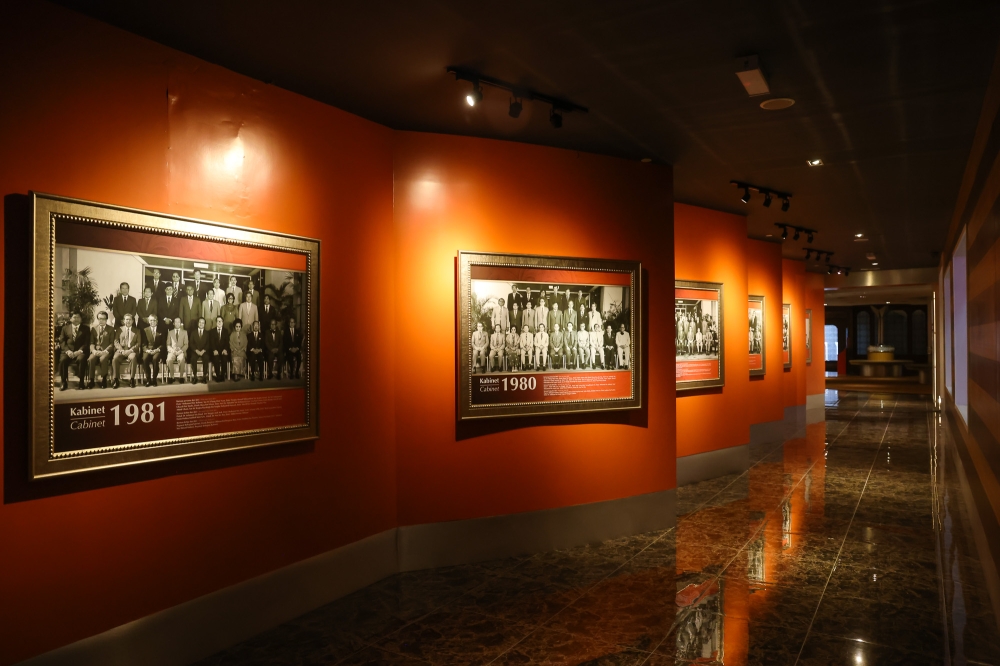
The National Archives of Malaysia emphasizes the importance of understanding the nation's path from a British colony to independence and federation beyond just key dates, highlighting the complex negotiations and contributions of leaders.
Director-general Zaidin Mohd Noor stresses the need for deeper public awareness of these historical processes, warning of misinformation risks in the digital age.
The ANM, as the custodian of Malaysia's historical records, endeavors to preserve authentic accounts through its initiatives like the Statesman Memorial and Arkib@Sekolah, making history accessible to all, especially younger generations, to foster a unified national identity.
KUALA LUMPUR, Sept 5 — As a Malaysian, how much do you know about the country’s journey from a fledgling British colony to independence and, eventually, the formation of the federation we know today?
For many, the answer may begin with familiar dates — August 31, 1957 when independence was proclaimed and September 16, 1963 when Malaysia was formed.
Yet beyond these dates lies a far more complex story of negotiations, political developments and the contributions of leaders from the Peninsula, Sabah and Sarawak that shaped the country as it is today.
National Archives of Malaysia (ANM) director-general Zaidin Mohd Noor said public awareness of the country’s history is growing but there is still room to deepen understanding of the events and people behind these milestones.
“Malaysians may know key dates such as August 31 and September 16, but understanding the processes, challenges, negotiations and contributions of the leaders who shaped independence and the formation of Malaysia is more important.
“History should be viewed as a long journey shaped by many, with independence and the formation of Malaysia built on cooperation, understanding, tolerance and sacrifice across diverse communities.
“By understanding and appreciating our history, we can recognise that the unity, sense of responsibility and spirit of nationhood built by previous generations must continue to be upheld by today’s generation,” he told Malay Mail during a recent interview.
Zaidin said this was particularly important in an era when information disseminates rapidly through social media, making it easier for inaccurate, incomplete or unverified historical accounts to gain traction.
Against this backdrop, he said the role of ANM had become increasingly important in preserving and providing access to authentic historical records that could help Malaysians distinguish fact from misinformation.
As the custodian of the nation’s official records, ANM holds valuable historical materials, including government documents, correspondence, photographs, maps, audiovisual recordings and other records that serve as authentic evidence of the country’s history.
“For instance, this importance is reflected in the collection displayed at the Statesman Memorial , which houses 253 archival and historical materials related to seven of the country’s statesmen.
“The collection includes documents, photographs, personal belongings and various artefacts that help visitors understand their backgrounds, ideas, struggles and contributions to the nation,” he said.
For younger generations who may be less familiar with the country’s prominent statesmen, Zaidin said one of ANM’s key ongoing initiatives, Arkib@Sekolah, brings history closer to students by introducing them to ANM’s role, the importance of primary sources and efforts to preserve the nation’s historical heritage.
Complementing these physical outreach efforts, he said ANM has also expanded its digital presence, using social media and online platforms to make historical photographs, documents, videos and information on key figures and events more accessible to younger audiences.
“In a world filled with information and differing interpretations, ANM serves as the custodian of the nation’s memory, ensuring historical facts are preserved, verified and passed on to future generations.
“History grounded in evidence not only helps us understand the past accurately, but also provides an important foundation for shaping our national identity and sense of nationhood,” he said.
Experiencing history firsthand
Zaidin said it is important for Malaysians particularly younger generations to remember the statesmen’s contributions, not merely to honour individuals but to recognise the service, sacrifices and leadership that shaped the nation.
“Through the Statesman Memorial for instance, ANM hopes visitors see history as more than a collection of dates and names, but as a story of struggles, leadership, unity and decisions that continue to shape the country today.
This is what sets the Statesman Memorial apart, as Zaidin puts it: rather than simply reading exhibition panels, visitors are encouraged to experience history firsthand through original documents, personal collections and the actual spaces once used in the country’s administration.
“Most importantly, we want our visitors to leave with a greater appreciation for the country.
“Not only with knowledge of these seven statesmen, but also a sense of pride and an understanding that we all have a role to play in preserving our heritage, strengthening unity and carrying forward the legacy of nation-building,” he said.
Sarawak Forestry ramps up monitoring in fire-prone forests as heat, haze raise risks to wildlife
Malaysian durians could clear China customs in three to four hours under proposed fast-track scheme
Anwar: Malaysia, Macau to strengthen strategic ties and unlock new business opportunities
马来西亚国家档案馆强调,了解马来西亚从英国殖民地走向独立和联邦的道路,不仅仅要关注关键日期,还要着重关注复杂的谈判和领导人的贡献。
总干事扎伊丁·莫哈末·诺尔强调,需要加深公众对这些历史进程的认识,并警告数字时代存在虚假信息的风险。
作为马来西亚历史记录的保管者,国家历史博物馆(ANM)致力于通过其“政治家纪念馆”和“学校历史馆”等举措来保存真实的记录,使所有人,特别是年轻一代,都能接触到历史,从而培养统一的民族认同感。
吉隆坡,9月5日讯——作为一名马来西亚人,你对马来西亚从一个羽翼未丰的英国殖民地到独立,最终形成我们今天所知的联邦的历程了解多少?
对许多人来说,答案可能始于熟悉的日期——1957 年 8 月 31 日宣布独立,1963 年 9 月 16 日马来西亚成立。
然而,在这些日期之外,还有一段更为复杂的故事,其中涉及谈判、政治发展以及来自马来半岛、沙巴和砂拉越的领导人的贡献,这些都塑造了今天的马来西亚。
马来西亚国家档案馆(ANM)总监扎伊丁·莫哈末·诺尔表示,公众对国家历史的认识正在提高,但对于这些里程碑事件及其背后的人物,仍有加深了解的空间。
“马来西亚人可能知道一些重要日期,例如 8 月 31 日和 9 月 16 日,但了解塑造马来西亚独立和成立的领导人的过程、挑战、谈判和贡献更为重要。
“历史应该被视为一段由许多人共同塑造的漫长旅程,马来西亚的独立和建国建立在不同社区之间的合作、理解、宽容和牺牲之上。”
“通过了解和欣赏我们的历史,我们可以认识到,前几代人建立的团结、责任感和民族精神必须由我们这一代人继续维护,”他在最近接受《马来邮报》采访时表示。
扎伊丁表示,在信息通过社交媒体迅速传播的时代,这一点尤为重要,因为这使得不准确、不完整或未经证实的历史记录更容易获得关注。
在此背景下,他表示,ANM 在保存和提供真实历史记录方面发挥着越来越重要的作用,这些记录可以帮助马来西亚人区分事实和虚假信息。
作为国家官方档案的保管者,ANM 保存着宝贵的历史资料,包括政府文件、信件、照片、地图、视听录音和其他记录,这些资料可作为国家历史的真实证据。
“例如,政治家纪念馆的藏品就体现了这一点,该馆收藏了与该国七位政治家相关的 253 件档案和历史资料。
他说:“藏品包括文件、照片、个人物品和各种文物,可以帮助参观者了解他们的背景、思想、奋斗历程以及对国家的贡献。”
Zaidin表示,对于可能不太熟悉该国杰出政治家的年轻一代来说,ANM正在进行的一项重要举措“Arkib@Sekolah”通过向学生介绍ANM的作用、原始资料的重要性以及保护国家历史遗产的努力,拉近了学生与历史的距离。
他表示,除了这些实体宣传工作外,ANM 还扩大了其数字影响力,利用社交媒体和在线平台,使年轻受众更容易获取历史照片、文件、视频以及有关重要人物和事件的信息。
“在一个充满信息和不同解读的世界里,ANM 扮演着国家记忆守护者的角色,确保历史事实得到保存、验证并传承给子孙后代。
他说:“以证据为基础的历史不仅有助于我们准确地了解过去,而且还为塑造我们的民族认同和民族意识提供了重要的基础。”
亲身经历历史
扎伊丁表示,对于马来西亚人,尤其是年轻一代来说,铭记政治家的贡献非常重要,这不仅是为了表彰个人,更是为了认可塑造国家的服务、牺牲和领导力。
“例如,通过政治家纪念碑,美国国家博物馆希望参观者将历史视为不仅仅是一系列日期和名字,而是一个关于奋斗、领导力、团结和决策的故事,这些故事至今仍在塑造着这个国家。”
正如扎伊丁所说,这就是政治家纪念馆的独特之处:参观者不仅要阅读展板上的文字,还要通过原始文件、个人收藏和国家行政部门曾经使用的实际空间来亲身体验历史。
“最重要的是,我们希望游客离开时能更加欣赏这个国家。”
他说:“我们不仅要了解这七位政治家,还要感到自豪,并认识到我们每个人都应该为保护我们的遗产、加强团结和传承国家建设的遗产贡献一份力量。”
砂拉越林业局加强对易燃森林的监测,因为高温和雾霾加剧了野生动物面临的风险。
根据拟议的快速通道方案,马来西亚榴莲可在三到四个小时内清关。
安华:马来西亚与澳门将加强战略联系,开拓新的商业机遇