'I gave birth to her, so why do I have to adopt her?’: The unwed single parents adopting their own children“我生了她,为什么还要我收养她?”:未婚单身父母收养自己的孩子
Some unwed parents adopt their biological children to formalise their legal status and give them better access to benefits such as public housing and tax reliefs. Unwed mothers said the process can be lengthy and costly, and can leave them feeling unfairly scrutinised over their parenting abilities.
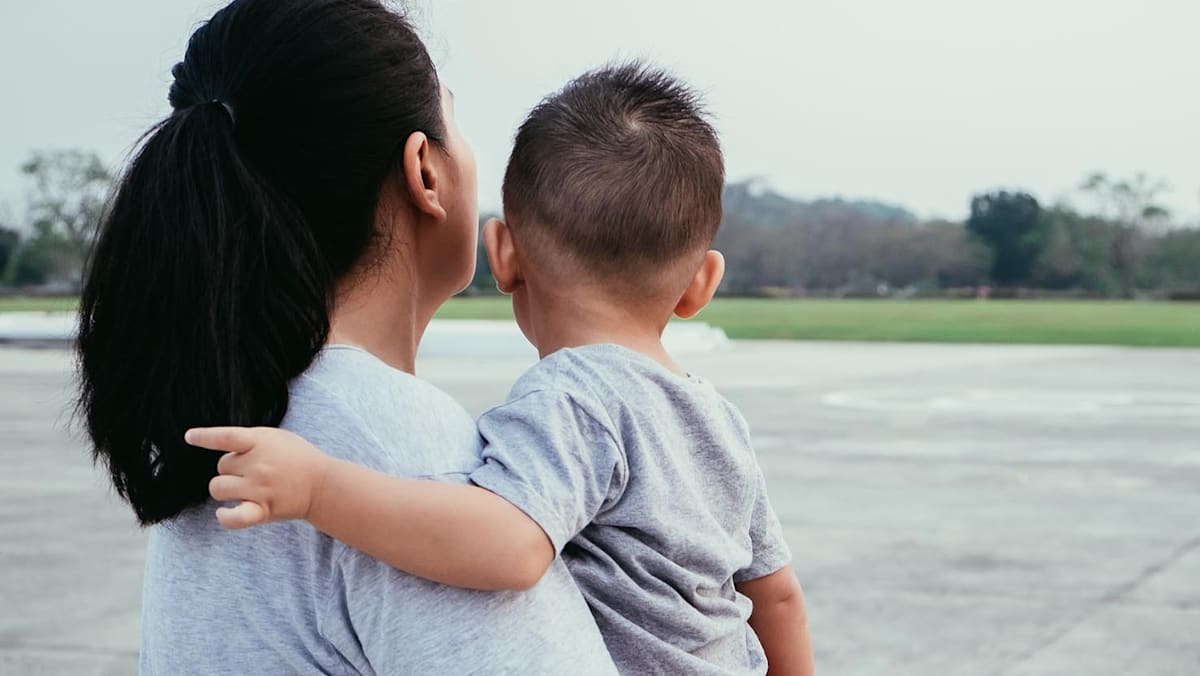
Some unwed parents adopt their biological children to formalise their legal status and give them better access to benefits such as public housing and tax reliefs. Unwed mothers said the process can be lengthy and costly, and can leave them feeling unfairly scrutinised over their parenting abilities.
Some unwed mothers fear having to approach the estranged father of their child over the matter of adoption, especially in cases where abuse may have been involved in the relationship. (Photo: iStock)
This audio is generated by an AI tool.
After she gave birth to her daughter three years ago, finance executive Ms Lim had to do something most parents would never even think of: adopt her own biological child.
The 35-year-old, who declined to give her full name, had been dating her child's biological father for six months when she found out she was pregnant.
Her ex made it clear that he did not want to have anything to do with their child – emotionally or materially.
When she started researching the legal implications of having a child outside marriage she was surprised to find out that children born out of wedlock are viewed as "illegitimate" in the eyes of the law.
This meant that she would not be able to buy a Housing and Development Board (HDB) flat with her baby as they would not be recognised as a family nucleus. Her child would also not be eligible for the Baby Bonus cash gift of S$11,000 (US$8,595) among other government initiatives.
Ms Lim learnt that apart from getting married to her ex, adopting her daughter was the only other way to legitimise the relationship between mother and daughter.
"I was surprised because it sounds rather strange. I gave birth to her, but I actually have to adopt her, and her status will be an adopted child," said Ms Lim.
She began the adoption process when her daughter was around 18 months old and the process took a year and a half, along with costing S$6,000 in legal and administrative fees.
The process, she said, was entirely unnecessary and "very unfair".
"Every child contributes to Singapore's future; there is no need to distinguish children born within marriage or out of a marriage this way," she said.
Ms Lim’s experience reflects a lesser-known aspect of Singapore’s adoption framework where children born outside marriage need to be adopted by their biological mother or father to legitimise their relationship and allow these children access to their inheritance, allow their parents to obtain tax reliefs and give parent and child access to HDB flats.
CNA Games Guess Word Crack the word, one row at a time Buzzword Create words using the given letters Mini Sudoku Tiny puzzle, mighty brain teaser Mini Crossword Small grid, big challenge Word Search Spot as many words as you can Show More Show Less
In a 2025 written reply to a parliamentary question by Workers’ Party Member of Parliament (MP) Fadli Fawzi, Social and Family Development Minister Masagos Zulkifli said there were an average of about 745 non-marital births a year to Singapore citizen mothers from 2020 to 2024.
He added that of the non-marital live births from 2020 to 2024, 12 children were successfully adopted by their biological parents within the same period. CNA has asked MSF for the number of adoption applications by biological parents to adopt their biological children over this same period.
In response to queries from CNA, a spokesperson for MSF said government benefits that support a child’s growth and development are available to Singapore citizen children, regardless of their parents' marital status.
MSF said families can access a range of support, including financial assistance, family counselling and parenting support. More vulnerable households, including single-parent households, can reach out to MSF's Family Service Centres which can provide holistic case management and support to address multiple needs. On whether single unwed parents need to adopt their children, the MSF spokesperson said unwed parents do not need to adopt their biological children to qualify for government benefits that are extended regardless of parental marital status. "Individuals may nevertheless make decisions about adoption, based on their personal and family circumstances," added the spokesperson.
MSF said it will continue to track the resilience of families, including single-parent households, and review their policies and support measures to ensure they remain responsive to evolving needs. "Where certain benefits or laws differentiate based on marital status, these reflect the government's longstanding policy of supporting parenthood within marriage."
Cases of unwed parents adopting their biological children may be uncommon but mothers and advocacy groups told CNA that the process can be lengthy, costly and emotionally draining, and questioned why biological parents should have to go through the process in the first place.
A biological mother or father adopting their own children is subject to the same core pre-adoption requirements as other prospective adoptive parents who are unrelated to the children they adopt.
This includes a mandatory briefing, an Adoption Suitability Assessment (ASA), interviews by MSF officers, home visits and a court application, among other paperwork.
In addition to these requirements, an unwed parent also has to get the biological mother or father to relinquish their rights to the child, which can be a trying process if the parents are not on good terms or if one party has experienced abuse from the other.
Biological fathers face additional hurdles to adopt their own child.
They have to legally prove paternity and secure sole custody first, and as single men are strictly barred from adopting a female child, they must get a special court exception to adopt a biological daughter.
Ms Diana, who gave birth to her son four years ago, is at the beginning stages of the adoption process to ensure that her child is legally protected in matters of inheritance. "It feels unfair and illogical, especially since I have raised my child since birth," said the 34-year-old counsellor, who declined to give her full name.
"It feels unfair and illogical, especially since I have raised my child since birth," said one unwed mother. (Photo: CNA/Raj Nadarajan)
SECURING INHERITANCE, TAX RELIEF, HOUSING
Family lawyers explained that a biological parent does not cease to be a child’s legal parent simply because the child was born outside marriage.
The parent remains recognised as the child’s biological parent, with parental rights and legal responsibilities towards the child. What differs for these children whose parents are not married is their legal status, where they are regarded as "illegitimate" under Singapore law.
Associate director of the Family Law and Probate Department at PKWA Law Practice Derek Choo said: "What changes with adoption is the child's legal status, not the relationship itself."
"Singapore law still distinguishes between a child born within marriage and one born outside it, and for many unwed mothers, adopting their own child is the clearest way to close that gap."
One of the gaps that these parents want to address is the matter of inheritance.
If an unmarried parent dies without making a will, the illegitimate child has no automatic right to inherit his or her estate in Singapore, if there are other surviving family members such as grandparents.
"While the mother can bypass this by writing a clear will, the child still loses out on automatic statutory protection," said Ms Jaspreet Kaur, director of private wealth and family practice at Yuen Law.
One mother, who wanted to be known only as Ms Moon, said that ensuring her daughter would automatically inherit her assets was one of the reasons she began the adoption process in 2018.
"The fact that I’m the biological mother and my daughter may not automatically inherit from me if anything were to happen to me was pretty alarming," said Ms Moon, 36, a finance executive.
"I assumed that because I was her biological mother and had given birth to her, my relationship with her would be treated the same as that of any mother who had a child within marriage."
I assumed that because I was her biological mother and had given birth to her, my relationship with her would be treated the same as that of any mother who had a child within marriage.
Inheritance matters aside, mothers told CNA that tax relief was another driving factor for them to go through the adoption process.
Unwed mothers who adopt their children become eligible for the S$4,000 Qualifying Child Relief, although other benefits such as the Working Mother’s Child Relief and Parenthood Tax Rebate remain restricted to mothers who are married, divorced or widowed.
When it comes to housing, unwed parents and their children are also not recognised as a family nucleus under HDB rules, unlike married, divorced, or widowed parents.
This means that single unwed parents are not eligible for family-tier Build-to-Order flats, family housing grants, priority balloting schemes or subsidised interim rental programmes such as the Parenthood Provisional Housing Scheme, and must wait until age 35 to buy a home as a single applicant.
These parents may, however, appeal to HDB on a case-by-case basis.
Ms Moon was successful in her appeal to HDB and was allowed to ballot only for a three-room flat or smaller before she turned 35. She tried about seven times before finally getting a ballot number in the year she turned 35.
Some of the mothers CNA spoke to said that the adoption process was not just about gaining government benefits, but also about formally severing ties with the biological father.
Family lawyer Ms Kaur said failing to adopt the child leaves the door open for the biological father to interfere legally, including requesting custody and access while the child is still a minor.
"An estranged or absent father could potentially block or complicate significant life decisions, such as applying for the child's passport, relocating overseas, or making major medical choices," said Ms Kaur.
Under an adoption order, the biological father’s parental rights and responsibilities are legally extinguished and transferred to the adoptive parent.
Ms Moon said she pursued adoption to bring finality to her daughter’s legal relationship with her biological father. She said she was concerned that without an adoption order, he could later re-emerge and seek to assert parental rights over her child.
"If I didn’t go through the adoption process, he would still have the right to come back and make a claim," she said of her ex, who has been absent since her child's birth.
The adoption process by single, unwed mothers can be protracted and expensive. (Photo: CNA/Ooi Boon Keong)
THE ADMINISTRATIVE AND FINANCIAL BURDEN
Unwed mothers who spoke to CNA described the adoption process as unexpectedly costly and cumbersome.
Ms Moon, who began the adoption process in 2018 without a lawyer, recalled how overwhelming it felt, especially having to navigate legal jargon on her own.
She recalled leaving the courtroom in tears after a judge reprimanded her for incomplete paperwork.
"There is a lot of information available about the adoption process but it is geared towards non-biological parents trying to adopt a child.
"When it comes to biological mothers trying to adopt their child, there is almost no information about it," she said.
Ms Moon tried again in 2021, this time with a lawyer. She went through 18 to 20 months of paperwork and had to locate her daughter’s biological father to get his consent. When he could not be contacted, she had to appeal to MSF to have his consent waived.
When Ms Moon finally received her adoption order in 2022, it was both a great relief and a vindication of everything she had been through.
"When I finally received the adoption order, I felt that now I am her mother and now she is my child," said Ms Moon.
"Even after adopting my daughter, there are still many battles to fight, but at least I won this one."
Ms Christina Anthony, 42, said she had considered adoption to safeguard her son’s inheritance and estate-planning interests, particularly as she has no living parents or family support to fall back on.
However, Ms Christina decided not to proceed with the application as she needed to prioritise daily expenses.
"I was informed that the process could cost around S$5,000 to S$7,000. While that may not seem significant to everyone, it was a major financial burden for me," said the human resources manager.
I was informed that the process could cost around S$5,000 to S$7,000. While that may not seem significant to everyone, it was a major financial burden for me.
Costs and administrative issues aside, mothers who successfully adopted their children all recalled the adoption process as being overwhelming.
It also left them feeling that their ability to parent a child they had already been raising was being heavily scrutinised.
The ASA involves a detailed examination of a prospective adopter’s circumstances and readiness to adopt, which can include lengthy interviews, home visits, background checks and character references.
DREDGING UP PAINFUL MEMORIES
One mother, who wanted to be known only as Ms Maia, said the ASA was stressful and invasive.
The self-employed 38-year-old began the adoption process in September 2025, just before her daughter turned two years old. She decided not to marry the child's biological father as she felt "he was not fit to be a father".
She was taken aback at the amount of information the process required including e xtensive background checks that extended to relatives, a police criminal record check, a full-body medical screening, and financial information such as her Central Provident Fund and income to show she could support her daughter.
For Ms Moon, home visits where a social worker scrutinised her living arrangements were "rather scary".
She said the process left her with anxious thoughts about whether she might be deemed unfit to parent her daughter, particularly because she worked long hours and relied on her parents, childcare and, at one point, a helper for support.
Ms Lim added that the ASA was emotionally draining as it required her to revisit and describe in considerable detail her relationship with her child's biological father and the circumstances surrounding her child’s conception.
"I had spent a lot of time trying to heal from that period of my life, so having to face the biological father and revisit painful memories as part of the adoption process was difficult, even though I understood why the assessments needed that information," she said.
"I keep questioning why I have to be assessed so thoroughly when I was the one taking care of this child alone from day one."
She questioned why her parenting was subjected to such close scrutiny simply because she was unmarried, noting that being married did not necessarily mean someone was capable of raising a child.
Ms Diana similarly described the process as being "frustrating" and "unfathomable".
"My experiences of doing everything I could to make things work with the father of my child ... as a daughter who felt she had let her family down, and an unwed mother, have allowed me to accumulate enough shame, regret and pain to last me a lifetime," she said.
"I do not need the legal process to be an additional source of distress in this situation."
Some of the mothers CNA spoke to also pointed to the emotionally taxing process of having to get the biological father's consent to relinquish his parental rights.
Ms Lim said obtaining that consent from her daughter's biological father involved "challenging conversations".
"This was particularly difficult given the circumstances surrounding our relationship and the verbal abuse I had experienced from him during my pregnancy," she said.
Meanwhile, Ms Diana, who is currently going through the adoption process, said she expects dealing with her child’s father will be arduous, as he has not consented to the adoption at this point.
She said that if the matter is contested, her legal fees could increase significantly, and the process could be prolonged.
For Ms Thivya Pillai, who became a mother at 18 and has raised her son largely on her own, having to contact her son’s father again is one of the main reasons she has put the adoption process on hold.
The pair have not been in contact for about 10 years, and the 31-year-old business owner fears reigniting the conflict they went through when she was seeking sole custody of her child.
"The whole custody fight was one of the craziest moments of my life. Going through the adoption process feels like I’m going back there, and I don’t know if I have the ability to go through it all over again."
Advocacy groups said that for a young mother, having to navigate a formal legal process relating to a child she has given birth to and is caring for can cause confusion, frustration and distress. (Photo: CNA)
"WE SHOULDN'T BE PUNISHED FURTHER"
Advocacy groups and single mothers CNA spoke to were adamant that single parents should not have to adopt their biological children simply to obtain legal recognition of their parent-child relationship.
Mr Rajakanth R, executive director at Babes Pregnancy Crisis Support said: "For a young mother, having to navigate a formal legal process relating to a child she has carried, given birth to and is caring for can understandably bring feelings of confusion, frustration or distress."
"For someone who is already adjusting to young motherhood, it can feel like another layer of complexity at an already demanding time."
Mr Rajakanth said that while legal status does not determine a child's emotional well-being, how a child's birth and parentage are recognised can affect identity, belonging and family relationships as the child grows up.
Deputy chief executive officer of the Singapore Council of Women’s Organisations (SCWO), Ms Lorraine Lim, said there is an opportunity to review whether existing processes and support mechanisms adequately reflect the circumstances these families face.
"In particular, greater access to affordable legal and practical assistance would benefit individuals who do not qualify for pro bono services but are nevertheless unable to afford private legal representation," said Ms Lorraine Lim.
SCWO runs a single mothers programme that helps single mothers navigate the challenges of raising their children independently. Over the past few years, the organisation has assisted two unwed single mothers with adoption and legal-status-related issues through its legal clinics.
"Ultimately, any approach should be guided by the best interests and welfare of the child, while ensuring that mothers are not subjected to unnecessary financial or emotional burdens in their efforts to secure greater legal stability for their families."
The Association of Women for Action and Research (AWARE), which has helped single mothers navigate the adoption process, said that these mothers described fearing that their children will be labelled illegitimate alongside judgment from family, peers, and sometimes officials.
"Being required to legally adopt a child they have carried and raised compounds this. It asks a mother to formally petition for a status the law should have granted her by default, reinforcing the sense that her family is viewed as incomplete or lesser," said an AWARE spokesperson.
"Singapore's pro-family policies should recognise that families take different forms, and support all of them accordingly."
Ms Lim, the finance executive, echoed AWARE's point that many single unwed mothers and their children are already fearing judgment from society.
"The government could reconsider this requirement of adoption ... I think it's unnecessary for a mother. I mean, we are already going through so much having to raise a child on our own," said Ms Lim.
"We shouldn't be punished further by having to go through this."
Get our pick of top stories and thought-provoking articles in your inbox
Stay updated with notifications for breaking news and our best stories
Join our channel for the top reads for the day on your preferred chat app
一些未婚父母收养自己的亲生子女,以使子女的法律地位合法化,并使他们更容易获得公共住房和税收减免等福利。未婚母亲表示,收养过程可能漫长而昂贵,而且会让她们感到自己的育儿能力受到不公平的审视。
有些未婚母亲害怕就收养事宜与孩子疏远的父亲接触,尤其是在关系中可能存在虐待的情况下。(图片:iStock)
这段音频由人工智能工具生成。
三年前,金融主管林女士生下女儿后,不得不做一件大多数父母想都不敢想的事情:收养自己的亲生孩子。
这位35岁的女子拒绝透露自己的全名,她在与孩子的生父交往六个月后发现自己怀孕了。
她的前夫明确表示,他不想与他们的孩子有任何瓜葛——无论是情感上还是物质上。
当她开始研究婚前生育的法律后果时,她惊讶地发现,在法律眼中,非婚生子女被视为“私生子”。
这意味着她将无法带着孩子购买建屋发展局(HDB)组屋,因为他们不被视为一个完整的家庭。她的孩子也将无法获得政府提供的11,000新元(约合8,595美元)的婴儿花红现金奖励以及其他政府福利。
林女士了解到,除了与前夫结婚之外,收养女儿是使母女关系合法化的唯一途径。
林女士说:“我很惊讶,因为这听起来很奇怪。我生下了她,但实际上我必须收养她,她的身份将是养子女。”
她的女儿大约 18 个月大的时候,她开始办理收养手续,整个过程持续了一年半,还花费了 6000 新元的法律和行政费用。
她说,这个过程完全没有必要,而且“非常不公平”。
“每个孩子都为新加坡的未来做出贡献;没有必要这样区分婚生子女和非婚生子女,”她说。
林女士的经历反映了新加坡收养制度中一个鲜为人知的方面:非婚生子女需要被其亲生父母收养,以使亲生父母的关系合法化,并使这些子女能够继承遗产,使其父母获得税收减免,以及使父母和子女能够获得组屋。
CNA游戏 猜词游戏 逐行破解单词 流行词游戏 用给定的字母组成单词 迷你数独 小小谜题,挑战你的大脑 迷你填字游戏 小方格,大挑战 单词搜索 尽可能多地找出单词 显示更多 显示更少
在 2025 年对工人党议员法德利·法齐提出的议会质询的书面答复中,社会及家庭发展部长马善高表示,2020 年至 2024 年,新加坡公民母亲平均每年约有 745 名非婚生子女。
他补充说,在2020年至2024年期间的非婚生子女中,有12名儿童在同一时期被其亲生父母成功收养。亚洲新闻台已向社会及家庭发展部询问同期亲生父母收养子女的申请数量。
针对亚洲新闻台的询问,新加坡社会及家庭发展部发言人表示,无论父母的婚姻状况如何,新加坡公民子女均可享受政府提供的支持儿童成长和发展的福利。
无国界医生表示,家庭可以获得一系列支持,包括经济援助、家庭咨询和育儿支持。更弱势的家庭,包括单亲家庭,可以联系无国界医生的家庭服务中心,这些中心可以提供全面的个案管理和支持,以满足他们的多种需求。关于未婚单身父母是否需要收养子女的问题,无国界医生发言人表示,未婚父母无需收养亲生子女即可获得政府福利,这些福利与父母的婚姻状况无关。“个人仍然可以根据自身和家庭情况做出收养决定,”发言人补充道。
无国界医生组织表示,将继续追踪包括单亲家庭在内的家庭的韧性,并审查其政策和支持措施,以确保这些措施能够持续应对不断变化的需求。“如果某些福利或法律因婚姻状况而有所不同,这体现了政府长期以来支持婚姻内生育的政策。”
未婚父母收养亲生子女的案例可能并不常见,但母亲们和倡导团体告诉 CNA,这个过程可能漫长、昂贵且令人身心俱疲,她们质疑为什么亲生父母一开始就要经历这个过程。
亲生父母收养自己的孩子,与其他与被收养孩子没有血缘关系的准养父母一样,都必须遵守相同的收养前核心要求。
这包括强制性简报、收养适宜性评估 (ASA)、无国界医生组织官员的面谈、家访和法庭申请等文书工作。
除了这些要求之外,未婚父母还必须让孩子的亲生母亲或父亲放弃对孩子的权利,如果父母关系不好,或者一方曾遭受另一方的虐待,这可能是一个艰难的过程。
亲生父亲在收养自己的孩子时会面临额外的障碍。
他们必须先依法证明亲子关系并获得单独监护权,而且由于单身男性被严格禁止收养女童,他们必须获得法院的特别豁免才能收养亲生女儿。
四年前生下儿子的戴安娜女士,目前正处于收养程序的初期阶段,以确保她的孩子在继承方面受到法律保护。“这感觉很不公平,也很不合逻辑,尤其是我从孩子出生起就一直抚养他,”这位34岁的咨询师说道,她拒绝透露自己的全名。
一位未婚妈妈说:“这感觉很不公平,也很不合逻辑,尤其是我从孩子出生起就一直抚养他。”(图片:CNA/Raj Nadarajan)
保障遗产、减税、住房
家庭律师解释说,即使孩子是婚外所生,亲生父母也不会因此失去对孩子的合法父母身份。
父母仍被认定为孩子的亲生父母,享有对孩子的父母权利和法律责任。但对于父母未婚的孩子来说,他们的法律地位有所不同,根据新加坡法律,他们被视为“非婚生子女”。
PKWA 律师事务所家庭法和遗嘱认证部门副主任 Derek Choo 表示:“收养改变的是孩子的法律地位,而不是关系本身。”
“新加坡法律仍然区分婚生子女和非婚生子女,对于许多未婚母亲来说,收养自己的孩子是弥合这一差距的最直接途径。”
这些父母想要解决的问题之一是继承问题。
在新加坡,如果未婚父母去世时没有立遗嘱,非婚生子女没有自动继承其遗产的权利,前提是还有其他在世的家庭成员,例如祖父母。
“虽然母亲可以通过立遗嘱来规避这个问题,但孩子仍然会失去自动的法定保护,”元律师事务所私人财富和家庭业务主管 Jaspreet Kaur 女士说。
一位只愿被称为 Moon 女士的母亲表示,确保女儿能够自动继承她的财产是她于 2018 年开始办理收养手续的原因之一。
“我是孩子的亲生母亲,如果我发生什么意外,我的女儿可能无法自动继承我的遗产,这让我非常担忧,”36岁的金融主管穆恩女士说道。
“我以为,因为我是她的亲生母亲,生下了她,那么我和她的关系就会像任何婚内生子的母亲一样对待她。”
我以为,因为我是她的亲生母亲,生下了她,那么我和她的关系就应该和任何婚内生子的母亲一样对待。
除了继承问题之外,母亲们告诉 CNA,税收减免是促使她们进行收养的另一个因素。
未婚母亲收养子女后,可获得 4,000 新元的合格子女津贴,但其他福利,如在职母亲子女津贴和育儿税收返还,仍然仅限于已婚、离婚或丧偶的母亲。
在住房方面,根据建屋发展局 (HDB) 的规定,未婚父母及其子女也不被视为家庭核心,这与已婚、离异或丧偶的父母不同。
这意味着单身未婚父母没有资格申请家庭级预购公寓、家庭住房补助金、优先抽签计划或补贴性临时租赁计划(如育儿临时住房计划),必须等到 35 岁才能以单身申请人的身份购买房屋。
不过,这些家长可以根据具体情况向建屋发展局提出上诉。
Moon女士向建屋发展局提出上诉并获得成功,获准在35岁之前只能抽签购买三房式或更小的组屋。她尝试了大约七次,最终在她35岁那年获得了抽签号码。
CNA采访的一些母亲表示,收养过程不仅是为了获得政府福利,也是为了正式切断与生父的关系。
家庭律师考尔女士表示,如果未能收养孩子,孩子的生父就有机会通过法律手段进行干预,包括在孩子未成年时要求获得监护权和探视权。
考尔女士说:“疏远或缺席的父亲可能会阻碍或使重大的生活决定变得复杂,例如申请孩子的护照、移居海外或做出重大的医疗选择。”
根据收养令,生父的父母权利和责任在法律上被消灭并转移给养父。
穆恩女士表示,她选择收养是为了彻底解决女儿与生父之间的法律关系。她说,她担心如果没有收养令,生父日后可能会重新出现,并试图主张对女儿的监护权。
“如果我不走收养程序,他仍然有权回来提出抚养权要求,”她谈到她的前夫时说道,自从她的孩子出生以来,他的前夫就一直没有出现。
单身未婚母亲的收养过程可能漫长而昂贵。(图片:CNA/Ooi Boon Keong)
行政和财政负担
接受 CNA 采访的未婚母亲们表示,收养过程比预想的要昂贵得多,也繁琐得多。
Moon女士于2018年开始办理收养手续,当时她没有聘请律师。她回忆说,当时感觉压力很大,尤其是要独自应对各种法律术语。
她回忆说,法官斥责她提交的文件不完整后,她哭着离开了法庭。
“关于收养过程有很多信息可供参考,但这些信息主要针对非亲生父母试图收养孩子的情况。”
“对于亲生母亲想要收养自己的孩子,几乎没有任何相关信息,”她说。
2021年,穆恩女士再次尝试,这次她聘请了律师。她花了18到20个月的时间准备各种文件,并且必须找到女儿的生父以获得他的同意。由于无法联系到他,她不得不向无国界医生组织提出申请,请求豁免他的同意。
2022 年,当 Moon 女士终于收到收养令时,她既如释重负,也证明了她所经历的一切都是值得的。
“当我最终收到收养令时,我觉得我现在是她的母亲,她现在是我的孩子,”穆恩女士说。
“即使收养了女儿,仍然有很多仗要打,但至少我赢了这场仗。”
42岁的克里斯蒂娜·安东尼女士表示,她曾考虑过收养孩子,以保障儿子的继承权和遗产规划利益,尤其是因为她没有在世的父母,也没有家人可以依靠。
然而,克里斯蒂娜女士决定放弃申请,因为她需要优先考虑日常开支。
“我被告知这个过程可能需要花费5000到7000新元。虽然这对每个人来说可能不算什么,但对我来说却是一笔不小的经济负担,”这位人力资源经理说道。
我被告知整个过程可能需要花费5000至7000新元。虽然这笔费用对每个人来说可能不算什么,但对我来说却是一笔不小的经济负担。
撇开费用和行政问题不谈,所有成功收养孩子的母亲都回忆说,收养过程令人不知所措。
这也让他们感到,他们抚养孩子的能力受到了严格审查。
ASA 包括对准养父母的情况和收养准备情况进行详细审查,其中可能包括长时间的面谈、家访、背景调查和品行证明。
重拾痛苦回忆
一位只愿透露自己姓玛雅的母亲表示,ASA(广告标准局)给人们带来了压力和侵犯隐私。
这位38岁的自由职业者于2025年9月开始办理收养手续,当时她的女儿即将满两岁。她决定不与孩子的生父结婚,因为她觉得“他不适合做父亲”。
她对整个过程所需的信息量之大感到惊讶,其中包括广泛的背景调查(包括亲属调查)、警方犯罪记录调查、全身体检,以及财务信息(例如她的公积金和收入),以证明她有能力养活她的女儿。
对于 Moon 女士来说,社工上门检查她的居住安排“相当可怕”。
她说,这个过程让她焦虑不已,担心自己是否会被认为不适合抚养女儿,尤其因为她工作时间很长,而且依靠父母、托儿服务,甚至一度还依靠帮手来维持生活。
林女士补充说,ASA 的调查让她身心俱疲,因为它要求她重新审视并详细描述她与孩子生父的关系以及孩子受孕的情况。
“我花了很多时间试图从那段人生经历中走出来,所以在收养过程中不得不面对生父并重温痛苦的回忆,这很艰难,即使我理解为什么评估需要这些信息,”她说。
“我一直质疑,为什么从孩子出生第一天起就是我一个人照顾他,却要对我进行如此全面的评估。”
她质疑,仅仅因为她未婚,为什么她的育儿方式就要受到如此严格的审查,并指出已婚并不一定意味着一个人有能力抚养孩子。
戴安娜女士也用“令人沮丧”和“难以理解”来形容这个过程。
她说:“我曾竭尽全力想和孩子的父亲好好相处……作为一个觉得自己辜负了家人的女儿,又是一个未婚母亲,这些经历让我积累了足够的羞耻、悔恨和痛苦,足以让我终生难忘。”
“我不希望法律程序给我带来额外的痛苦。”
CNA采访的一些母亲还指出,要获得生父的同意放弃其父母权利,这是一个令人身心俱疲的过程。
林女士表示,要获得女儿生父的同意,需要进行“艰难的对话”。
“考虑到我们之间的关系以及我在怀孕期间遭受他的言语虐待,这尤其令人难以接受,”她说。
与此同时,目前正在办理收养手续的戴安娜女士表示,她预计与孩子父亲的交涉将会非常艰难,因为他目前还没有同意收养。
她说,如果此事引发争议,她的诉讼费用可能会大幅增加,而且诉讼过程可能会延长。
对于 18 岁就当了母亲,并且基本上独自抚养儿子的 Thivya Pillai 女士来说,不得不再次联系儿子的父亲是她暂停收养程序的主要原因之一。
两人已有约 10 年未曾联系,这位 31 岁的企业主担心会重新点燃当年她争取孩子单独监护权时两人之间的冲突。
“那场监护权争夺战是我人生中最疯狂的时刻之一。经历收养程序感觉就像回到了那个阶段,我不知道自己是否还有能力再次经历这一切。”
维权团体表示,对于一位年轻的母亲来说,不得不处理与自己生育并抚养的孩子相关的正式法律程序,会让她感到困惑、沮丧和痛苦。(图片:CNA)
“我们不应该受到进一步的惩罚”
CNA采访的倡导团体和单身母亲们都坚决认为,单身父母不应该仅仅为了获得法律认可的亲子关系而被迫收养自己的亲生子女。
Babes Pregnancy Crisis Support 的执行董事 Rajakanth R 先生表示:“对于一位年轻的母亲来说,不得不处理与她孕育、生育和照顾的孩子相关的正式法律程序,这无疑会带来困惑、沮丧或痛苦的感觉。”
“对于一个还在适应年轻妈妈角色的人来说,这无疑会在原本就充满挑战的时期增加另一层复杂性。”
拉贾坎特先生表示,虽然法律地位并不能决定孩子的情感健康,但孩子的出生和父母身份的认定方式会影响孩子成长过程中的身份认同、归属感和家庭关系。
新加坡妇女组织理事会(SCWO)副首席执行官林洛琳女士表示,现在有机会审查现有的流程和支持机制是否充分反映了这些家庭面临的情况。
“特别是,更容易获得负担得起的法律和实际援助,将使那些不符合免费服务条件但又无力承担私人法律代理费用的人受益,”洛林·林女士说。
SCWO运营着一个单亲母亲项目,旨在帮助单亲母亲应对独立抚养子女所面临的挑战。过去几年里,该组织通过其法律诊所,为两位未婚单亲母亲提供了收养和法律身份相关问题的援助。
“归根结底,任何做法都应以儿童的最大利益和福祉为指导,同时确保母亲们在努力为家庭争取更大法律稳定性的过程中,不会承受不必要的经济或情感负担。”
帮助单身母亲办理收养手续的妇女行动与研究协会 (AWARE) 表示,这些母亲担心她们的孩子会被贴上“私生子”的标签,还会受到家人、同龄人甚至官员的评判。
“要求母亲合法收养自己孕育和养大的孩子,会加剧这种情况。这要求母亲正式申请法律本应默认赋予她的身份,从而强化了她的家庭被视为不完整或低人一等的观念,”AWARE 的一位发言人说。
“新加坡的亲家庭政策应该认识到家庭的形式多种多样,并给予所有形式的相应支持。”
财务主管林女士赞同AWARE的观点,即许多单身未婚母亲及其子女已经害怕受到社会的评判。
林女士说:“政府可以重新考虑这项收养要求……我认为这对母亲来说是不必要的。我的意思是,我们独自抚养孩子已经承受了太多。”
“我们不应该因为经历这些而受到进一步的惩罚。”
订阅我们的邮件,即可获取精选热点新闻和引人深思的文章。
订阅通知,第一时间获取突发新闻和精彩报道。
加入我们的频道,即可在您常用的聊天应用上获取当日热门文章。