Those providing Islamic instruction to 10 or more must register as Muslim Religious School: MUIS凡向10人或以上提供伊斯兰教课程的机构,必须注册为穆斯林宗教学校(MUIS)。
Muis requires providers teaching Islam to 10+ people to register as Muslim Religious Schools to ensure qualified instruction and strengthen safeguards. Read more at straitstimes.com.
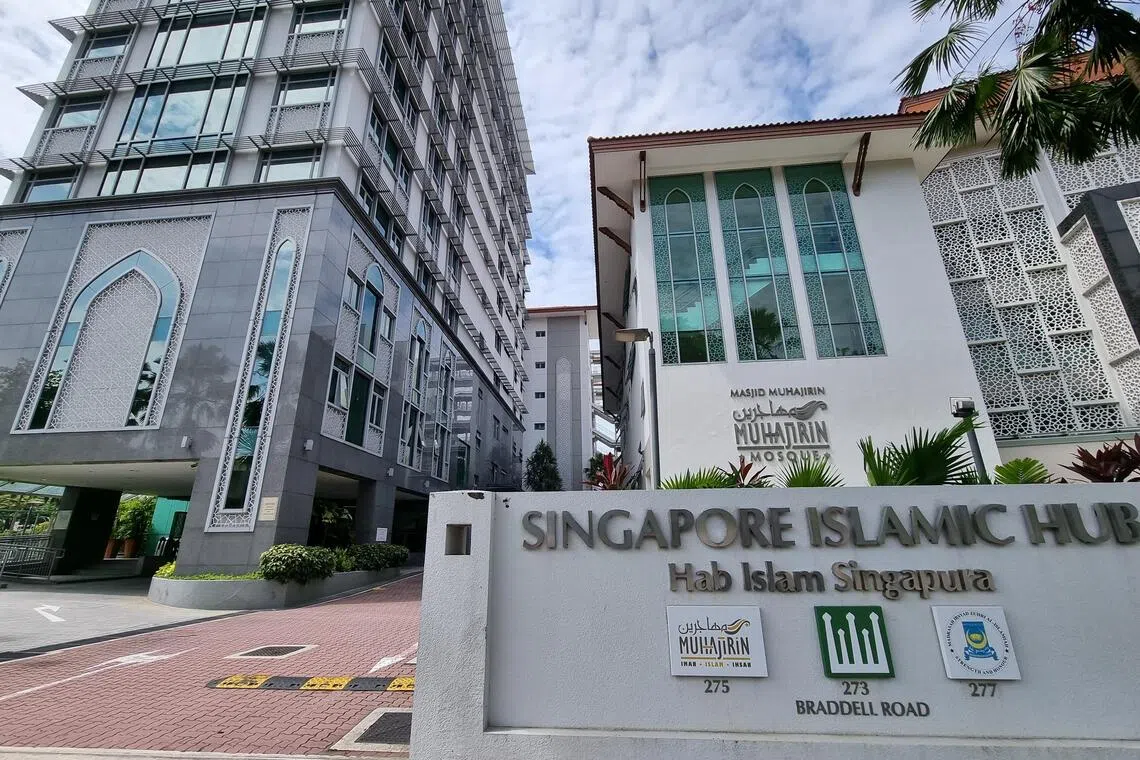
Around 50 individuals and organisations are expected to register as MRS under the updated requirements.
Published Oct 03, 2026, 01:45 PM
Updated Oct 03, 2026, 01:45 PM
SINGAPORE – People or organisations providing Islamic instruction to 10 or more individuals on a regular basis in Singapore must be registered with the Islamic Religious Council of Singapore (MUIS) as a Muslim Religious School (MRS), said MUIS in a statement on Oct 3.
This applies whether the instruction is conducted physically or online.
MUIS officers will also be authorised to inspect registered MRS, including attending Islamic instruction conducted physically or online.
Existing registered MRS are not required to re-register, and may continue operating under their current registration. Providers that meet the MRS definition but are not registered are given a grace period from Oct 2 to March 31, 2027, to submit their applications. They may continue operating during the transition period.
MUIS added that the updated requirements do not apply to the provision of Islamic instruction exclusively to family members, or the personal sharing of religious views with family and friends. They also do not apply to religious services that do not involve teaching .
The new provisions took effect on Oct 2, as MUIS strengthens safeguards for Islamic religious education in Singapore – including online learning – and provides the Muslim community with greater assurance that Islamic instruction is delivered by qualified and recognised asatizah, or Muslim religious teachers, through registered providers.
This comes after a recent case of a self-styled “religious influencer” who was sentenced for sexually abusing two young boys between 2022 and 2024 in various locations, including in a mosque.
The Committee to Strengthen Safeguards in Religious Settings was formed in September to look at ways to further strengthen safeguards for minors in religious settings like mosques, while preserving the open and welcoming nature of such institutions.
It is expected to submit its recommendations to the Government around end-2026, the Ministry of Culture, Community and Youth and MUIS previously said on Sept 30.
Its work focuses on the governance and safeguarding frameworks at mosques, madrasahs and Islamic education centres and providers, including the screening and oversight of people who work or volunteer with children, rules governing interactions with minors, and how concerns are reported and escalated.
MUIS has also said it will equip children, youth, parents and educators with practical knowledge and confidence to recognise concerns, respond appropriately and seek help when needed.
Additionally, mosque staff and volunteers will be trained to strengthen their ability to recognise signs of abuse or neglect and to respond appropriately to reports, as well as to maintain professional boundaries and to understand their safeguarding responsibilities.
In its Oct 3 statement, MUIS also announced enhancements to the Asatizah Recognition Scheme (ARS).
From Oct 2, new applicants for Tier 1 ARS recognition must hold at least a degree in Islamic Studies. This requirement will not apply to existing Tier 1 asatizah, including those whose applications are due for renewal.
Additionally, a one-year debarment period will apply for unsuccessful applicants, as well as those whose recognition has been cancelled or not renewed, to encourage prospective asatizah to take the time to improve their competencies before they reapply.
“The public is encouraged to seek Islamic instruction and guidance from ARS-recognised asatizah and registered MRS,” MUIS said in its statement.
It also encouraged qualified individuals willing to provide Islamic instruction regularly to apply for ARS recognition.
预计将有约 50 个个人和组织根据更新后的要求注册成为 MRS。
发布于 2026 年 10 月 3 日下午 1:45
更新于2026年10月3日下午1:45
新加坡——新加坡伊斯兰宗教理事会(MUIS)在10月3日的一份声明中表示,在新加坡定期向10人或以上提供伊斯兰教义指导的个人或组织必须向新加坡伊斯兰宗教理事会(MUIS)注册为穆斯林宗教学校(MRS)。
无论教学是以面授形式还是在线形式进行,此规定均适用。
MUIS官员还将获授权检查已注册的穆斯林宗教学校(MRS),包括参加以实体或在线形式进行的伊斯兰教课程。
已注册的医疗资源提供商无需重新注册,可继续以现有注册资格运营。符合医疗资源提供商定义但尚未注册的机构,可于2020年10月2日至2027年3月31日期间提交申请。过渡期内,他们可以继续运营。
新加坡伊斯兰宗教理事会(MUIS)补充说,更新后的规定不适用于仅为家庭成员提供伊斯兰教义指导,也不适用于与家人和朋友分享宗教观点的情况。此外,这些规定也不适用于不涉及教学的宗教仪式。
新规于 10 月 2 日生效,新加坡伊斯兰宗教理事会 (MUIS) 加强了对新加坡伊斯兰宗教教育(包括在线学习)的保障措施,并让穆斯林社区更加确信,伊斯兰教学是由合格且获得认可的 asatizah(穆斯林宗教教师)通过注册机构提供的。
此前,一名自称“宗教影响者”的男子因在 2022 年至 2024 年间在包括清真寺在内的多个地点性侵两名幼童而被判刑。
加强宗教场所安全保障委员会于 9 月成立,旨在研究如何进一步加强清真寺等宗教场所中未成年人的安全保障,同时保持这些机构的开放和包容的性质。
文化、社区及青年部和新加坡伊斯兰宗教理事会(MUIS)此前于9月30日表示,预计将于2026年底左右向政府提交建议。
该机构的工作重点是清真寺、伊斯兰学校和伊斯兰教育中心及提供者的治理和保障框架,包括对与儿童一起工作或做志愿者的人员进行筛选和监督,管理与未成年人互动的规则,以及如何报告和升级问题。
新加坡伊斯兰宗教理事会(MUIS)还表示,将为儿童、青少年、家长和教育工作者提供实用知识和信心,以便他们能够识别问题、做出适当回应并在需要时寻求帮助。
此外,清真寺工作人员和志愿者将接受培训,以增强他们识别虐待或忽视迹象的能力,并对报告做出适当回应,同时保持职业界限,并了解他们的保障责任。
新加坡伊斯兰宗教理事会 (MUIS) 在 10 月 3 日的声明中还宣布了对 Asatizah 认可计划 (ARS) 的改进。
自10月2日起,申请一级ARS认证的新申请人必须至少持有伊斯兰研究学位。此项要求不适用于现有的一级asatizah(伊斯兰学者),包括那些申请即将续期的学者。
此外,对于申请失败者以及资格被取消或未续签者,将实行一年的禁赛期,以鼓励未来的阿萨提扎在重新申请之前花时间提高自己的能力。
“我们鼓励公众向获得ARS认可的asatizah和注册MRS寻求伊斯兰教义指导,”MUIS在声明中表示。
它还鼓励有资质且愿意定期提供伊斯兰教义指导的人士申请获得ARS认证。