Islamic religious education providers teaching 10 or more must register with MUIS教授10名或以上学生的伊斯兰宗教教育机构必须在伊斯兰宣明会(MUIS)注册。
The requirements cover regular Islamic instruction conducted in person or online, including qualifying home classes and Umrah and Hajj preparatory classes run by travel agencies.
The requirements cover regular Islamic instruction conducted in person or online, including qualifying home classes and Umrah and Hajj preparatory classes run by travel agencies.
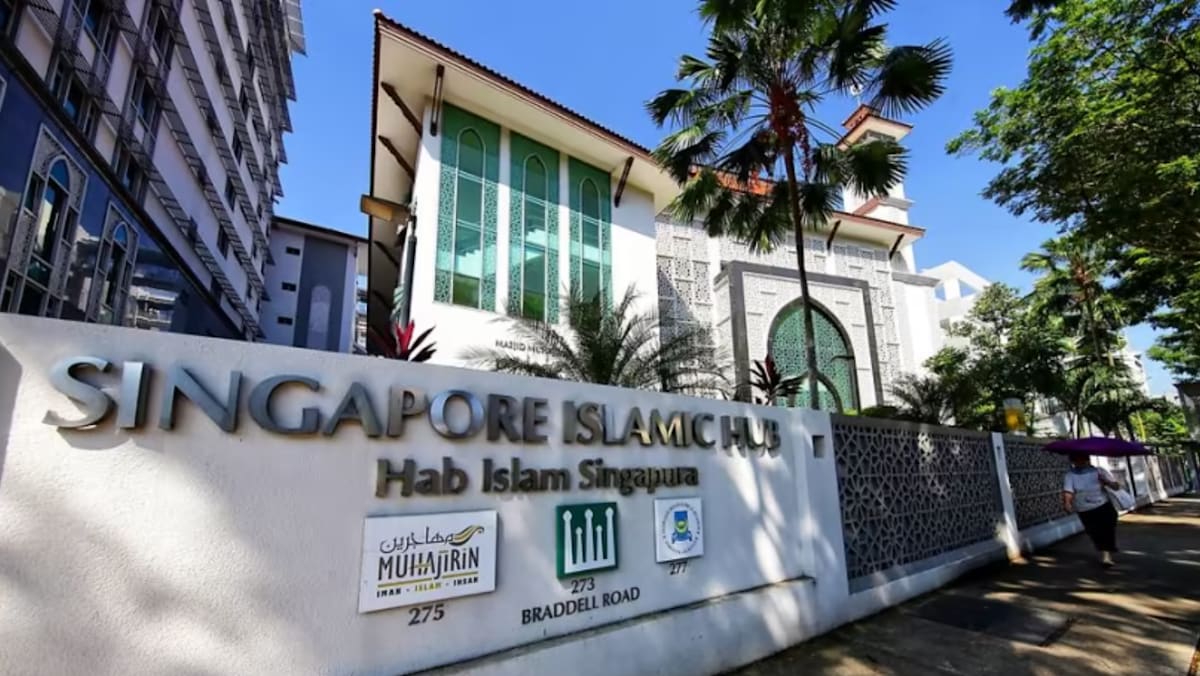
Exterior of the Islamic Religious Council of Singapore (MUIS) building.
This audio is generated by an AI tool.
SINGAPORE: People and organisations that regularly provide Islamic instruction to 10 or more individuals in Singapore must now register with the Islamic Religious Council of Singapore (MUIS), under expanded requirements that took effect on Friday (Oct 2).
The rules cover instruction conducted in person, including at home, as well as online, and apply to settings ranging from full-time and part-time madrasahs to Quranic classes.
Travel agencies that conduct Umrah and Hajj preparatory classes will also have to register as Muslim Religious Schools (MRS).
Around 50 individuals and organisations are expected to come under the expanded registration requirements, MUIS said in a media release on Saturday.
CNA Games Guess Word Crack the word, one row at a time Buzzword Create words using the given letters Mini Sudoku Tiny puzzle, mighty brain teaser Mini Crossword Small grid, big challenge Word Search Spot as many words as you can Show More Show Less The changes stem from the Administration of Muslim Law (Amendment) Act 2024, which was passed by parliament in February 2024, as well as amendments to subsidiary legislation. Under the updated framework, any person, organisation or place that provides Islamic instruction at least once a month to 10 or more individuals must register with MUIS. Existing registered MRS do not have to register again and can continue operating under their current registration. Providers that fall under the MRS definition but are not registered have until Mar 31, 2027 to submit their applications. They can continue operating during the transition period. Registration opened on Saturday. Registered providers must ensure that Islamic instruction is delivered only by religious teachers, or asatizah, recognised under the Asatizah Recognition Scheme (ARS). The Islamic curricula they use must also be verified by MUIS. MUIS officers will be authorised to inspect registered MRS, including by attending Islamic instruction conducted physically or online. The registration requirements do not apply to Islamic instruction provided exclusively to family members or the personal sharing of religious views among family and friends. Religious services that do not involve teaching, such as ruqyah and funeral services, are also excluded. Online religious classes conducted outside Singapore do not require registration. The number of registered Muslim Religious Schools and Islamic education centres and providers increased from 303 in 2017 to 475 in 2025. Over the same period, the number of registered religious teachers under the ARS increased from 4,744 to 5,205. Religious teachers who provide religious instruction to the community must be recognised under the scheme. HIGHER QUALIFICATIONS FOR NEW RELIGIOUS TEACHERS Changes to the Asatizah Recognition Scheme also took effect on Friday. New applicants seeking Tier 1 recognition must now hold at least a degree in Islamic Studies. The requirement does not apply to existing Tier 1 asatizah, including those whose recognition is due for renewal. A one-year debarment period will also apply to unsuccessful applicants and those whose recognition has been cancelled or not renewed, to encourage them to improve their competencies before reapplying. Asatizah who voluntarily cancel their recognition because they no longer intend to teach will not be subject to the debarment period. MUIS will also have greater flexibility to adjust suspension periods when more time is needed to complete investigations. Members of the public can check MUIS' ARS directory to determine whether an asatizah is recognised and its MRS directory to check whether an Islamic education provider is registered.
The changes stem from the Administration of Muslim Law (Amendment) Act 2024, which was passed by parliament in February 2024, as well as amendments to subsidiary legislation.
Under the updated framework, any person, organisation or place that provides Islamic instruction at least once a month to 10 or more individuals must register with MUIS.
Existing registered MRS do not have to register again and can continue operating under their current registration.
Providers that fall under the MRS definition but are not registered have until Mar 31, 2027 to submit their applications. They can continue operating during the transition period.
Registration opened on Saturday.
Registered providers must ensure that Islamic instruction is delivered only by religious teachers, or asatizah, recognised under the Asatizah Recognition Scheme (ARS). The Islamic curricula they use must also be verified by MUIS.
MUIS officers will be authorised to inspect registered MRS, including by attending Islamic instruction conducted physically or online.
The registration requirements do not apply to Islamic instruction provided exclusively to family members or the personal sharing of religious views among family and friends.
Religious services that do not involve teaching, such as ruqyah and funeral services, are also excluded. Online religious classes conducted outside Singapore do not require registration.
The number of registered Muslim Religious Schools and Islamic education centres and providers increased from 303 in 2017 to 475 in 2025.
Over the same period, the number of registered religious teachers under the ARS increased from 4,744 to 5,205. Religious teachers who provide religious instruction to the community must be recognised under the scheme.
HIGHER QUALIFICATIONS FOR NEW RELIGIOUS TEACHERS
Changes to the Asatizah Recognition Scheme also took effect on Friday.
New applicants seeking Tier 1 recognition must now hold at least a degree in Islamic Studies.
The requirement does not apply to existing Tier 1 asatizah, including those whose recognition is due for renewal.
A one-year debarment period will also apply to unsuccessful applicants and those whose recognition has been cancelled or not renewed, to encourage them to improve their competencies before reapplying.
Asatizah who voluntarily cancel their recognition because they no longer intend to teach will not be subject to the debarment period.
MUIS will also have greater flexibility to adjust suspension periods when more time is needed to complete investigations.
Members of the public can check MUIS' ARS directory to determine whether an asatizah is recognised and its MRS directory to check whether an Islamic education provider is registered.
REVIEW OF SAFEGUARDS
Separately, a committee was formed last month to review safeguards for children and young people in Islamic religious settings after a sexual assault case involving two young brothers.
The committee was announced in parliament in September. The offender, who was not an accredited religious teacher, was convicted and sentenced in August. Some of the offences took place in a mosque.
The nine-member committee is reviewing safeguards across Islamic religious institutions, as well as frameworks governing the provision of religious instruction.
Its work includes looking at screening and oversight of people who work or volunteer with children and young people, professional boundaries, incident reporting and whistleblowing arrangements.
It will also review safeguards and oversight for religious instruction in formal and informal settings, including emerging risks involving online religious influence and digital communications.
The committee is expected to submit its recommendations around the end of the year.
Get our pick of top stories and thought-provoking articles in your inbox
Stay updated with notifications for breaking news and our best stories
Join our channel for the top reads for the day on your preferred chat app
这些要求涵盖以面授或在线方式进行的常规伊斯兰教课程,包括合格的家庭课程以及旅行社举办的副朝和朝觐预备课程。
新加坡伊斯兰宗教理事会(MUIS)大楼外观。
这段音频由人工智能工具生成。
新加坡:根据周五(10 月 2 日)生效的扩大规定,在新加坡定期向 10 人或以上提供伊斯兰教义指导的个人和组织现在必须向新加坡伊斯兰宗教理事会 (MUIS) 注册。
这些规定涵盖了面对面(包括在家)和在线进行的教学,适用于从全日制和非全日制伊斯兰学校到古兰经课程等各种场所。
提供副朝和正朝预备课程的旅行社也必须注册为穆斯林宗教学校(MRS)。
新加坡伊斯兰宗教理事会(MUIS)周六在一份媒体声明中表示,预计将有约 50 个个人和组织受到扩大注册要求的约束。
CNA游戏 猜词游戏 逐行破解单词 流行词游戏 用给定的字母组成单词 迷你数独 小谜题,脑力挑战 迷你填字游戏 小方格,大挑战 单词搜索 尽可能多地找出单词 显示更多 显示更少 这些变化源于2024年2月议会通过的《2024年穆斯林法律管理(修正)法案》及其附属立法修正案。根据更新后的框架,任何每月至少一次向10人或以上提供伊斯兰教义指导的个人、组织或场所都必须在新加坡伊斯兰宗教理事会(MUIS)注册。已注册的宗教教师(MRS)无需再次注册,可以继续在其现有注册下运营。符合MRS定义但尚未注册的提供者必须在2027年3月31日之前提交申请。他们可以在过渡期内继续运营。注册已于周六开放。注册提供者必须确保伊斯兰教义指导仅由根据“宗教教师认可计划”(ARS)认可的宗教教师(asatizah)提供。他们使用的伊斯兰课程也必须经过新加坡伊斯兰宗教理事会(MUIS)的审核。MUIS官员有权检查已注册的穆斯林宗教学校(MRS),包括参加线下或线上进行的伊斯兰课程。注册要求不适用于仅向家庭成员提供的伊斯兰课程,或家人和朋友之间分享的宗教观点。不涉及教学的宗教仪式,例如驱邪仪式(ruqyah)和葬礼仪式,也不在注册范围内。在新加坡境外进行的线上宗教课程无需注册。已注册的穆斯林宗教学校、伊斯兰教育中心和机构的数量从2017年的303所增加到2025年的475所。同期,根据“阿萨提扎认可计划”(Asatizah Recognition Scheme,简称ARS)注册的宗教教师人数从4,744人增加到5,205人。向社区提供宗教指导的宗教教师必须获得该计划的认可。新宗教教师的更高资格要求 阿萨提扎认可计划的变更也于周五生效。申请一级认可的新申请人现在必须至少持有伊斯兰研究学位。此项要求不适用于现有的一级教师,包括那些认可即将到期的教师。对于申请失败以及认可被取消或未获续签的教师,将实施为期一年的禁教期,以鼓励他们在重新申请前提升自身能力。因不再打算任教而自愿取消认可的教师将不受禁教期的限制。新加坡伊斯兰宗教理事会(MUIS)也将拥有更大的灵活性,以便在需要更多时间完成调查时调整暂停期限。公众可通过MUIS的ARS名录查询教师是否获得认可,并可通过MRS名录查询伊斯兰教育机构是否已注册。
这些变化源于 2024 年 2 月议会通过的《2024 年穆斯林法律管理(修正)法案》,以及对附属立法的修正。
根据更新后的框架,任何每月至少一次向 10 人或以上提供伊斯兰教义指导的个人、组织或场所都必须向伊斯兰宗教理事会 (MUIS) 注册。
已注册的MRS无需再次注册,可以继续以现有注册身份运营。
符合MRS定义但尚未注册的医疗服务提供者,须在2027年3月31日前提交申请。过渡期内,他们可以继续运营。
注册于周六开始。
注册机构必须确保伊斯兰教课程仅由获得“宗教教师认可计划”(Asatizah Recognition Scheme,简称ARS)认可的宗教教师(asatizah)授课。他们使用的伊斯兰教课程也必须经过新加坡伊斯兰宗教理事会(MUIS)的审核。
MUIS官员将被授权检查已注册的MRS,包括参加以实体或在线形式进行的伊斯兰教义指导。
注册要求不适用于仅向家庭成员提供的伊斯兰教义指导,也不适用于家人和朋友之间个人分享的宗教观点。
不涉及教学的宗教仪式,例如驱邪仪式和葬礼,也不在此列。在新加坡境外举办的在线宗教课程无需注册。
注册的穆斯林宗教学校和伊斯兰教育中心及提供者的数量从 2017 年的 303 所增加到 2025 年的 475 所。
同期,根据宗教教育注册计划(ARS)注册的宗教教师人数从4744人增加到5205人。向社区提供宗教指导的宗教教师必须根据该计划获得认可。
对新宗教教师提出更高的资格要求
阿萨提扎认可计划的变更也于周五生效。
现在,申请一级认证的新申请人必须至少拥有伊斯兰研究学位。
该要求不适用于现有的第一级 asatizah,包括那些认证即将到期需要续期的 asatizah。
对于申请失败者以及资格被取消或未获续签者,也将适用一年的禁赛期,以鼓励他们在重新申请前提高自身能力。
因不再打算任教而自愿取消其资格的Asatizah将不受禁教期的限制。
当需要更多时间完成调查时,MUIS也将有更大的灵活性来调整暂停期限。
公众可以查阅MUIS的ARS目录,以确定asatizah是否获得认可,并查阅其MRS目录,以查看伊斯兰教育提供者是否已注册。
安全措施审查
另外,上个月成立了一个委员会,审查伊斯兰宗教场所中对儿童和青少年的保护措施,此前发生了一起涉及两名年轻兄弟的性侵犯案件。
该委员会于9月在议会宣布成立。肇事者并非经认证的宗教教师,已于8月被定罪判刑。部分犯罪行为发生在清真寺内。
这个由九名成员组成的委员会正在审查伊斯兰宗教机构的各项保障措施,以及管理宗教教育提供的框架。
其工作包括审查与儿童和青少年一起工作或做志愿者的相关人员的筛选和监督、职业界限、事件报告和举报机制。
它还将审查正规和非正规场合宗教教育的保障和监督措施,包括涉及网络宗教影响和数字通信的新兴风险。
预计委员会将于年底前后提交其建议。
订阅我们的邮件,即可获取精选热点新闻和引人深思的文章。
订阅通知,第一时间获取突发新闻和精彩报道。
加入我们的频道,即可在您常用的聊天应用上获取当日热门文章。