PAP Senior’s Group pilots training for branch volunteers to identify and support isolated seniors人民行动党老年人团体试点培训各分会志愿者,以识别和帮助孤寡老人
The initiative will start in nine constituencies like Bedok, Kaki Bukit and Toa Payoh Central. Read more at straitstimes.com.
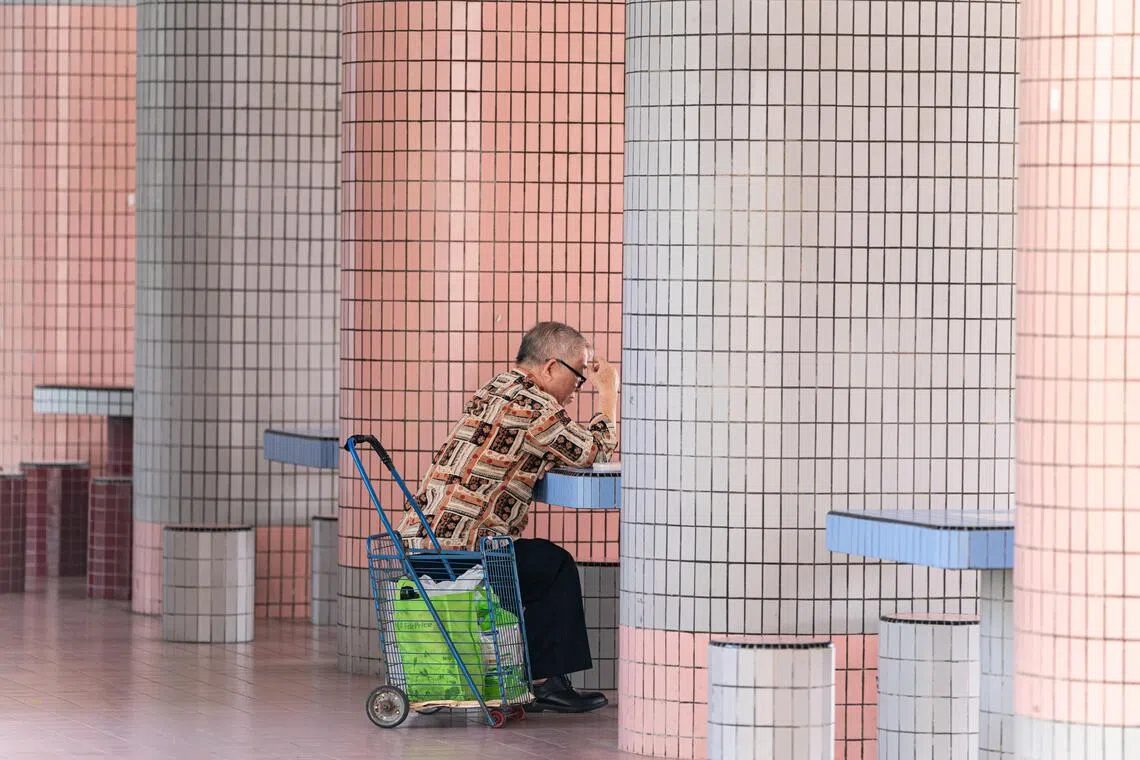
The one-year pilot will build on existing house visits and Meet-the-People Sessions.
Published Oct 04, 2026, 02:15 PM
Updated Oct 04, 2026, 02:15 PM
A new one-year pilot by PAP Seniors Group will train volunteers to identify and support socially isolated seniors in nine constituencies, starting in Bedok, Kaki Bukit, and Toa Payoh Central.
Volunteers will befriend isolated seniors during house visits and Meet-the-People Sessions, connecting them with healthcare, social services, and community resources like Active Ageing Centres.
The initiative aims to complement existing efforts, provide sustainable last-mile support, and prevent vulnerable seniors from slipping through the cracks amid Singapore's ageing population reaching 21.4% by 2026.
SINGAPORE - Dedicated teams of volunteers will be trained to identify and support socially isolated seniors across nine neighbourhoods under a new initiative by the People’s Action Party Seniors Group (PAPSG).
The one-year pilot will build on existing house visits and Meet-the-People Sessions, with party volunteers looking out for seniors who may be isolated, befriending them and connecting them with healthcare and social services already available in the community.
The initiative will start in nine branches including Bedok, Kaki Bukit and Toa Payoh Central, which are chaired by the members of PAPSG, with plans to eventually expand it islandwide .
PAPSG chairman Tan See Leng said on Oct 4 at an event at Furama Riverfront to mark the International Day of Older Persons that social isolation is one of the group’s biggest concerns as Singapore’s population ages.
Singapore is now a super-aged society, with 21.4 per cent of its citizen population aged 65 and older as at June 2026, according to the latest data released on Sept 25 .
“Some seniors are slipping through the cracks and living in total isolation,” said Tan, who is also Minister for Trade and Industry (Energy and Industry), addressing a room of 300 including party volunteers, MPs and branch chairs.
“That’s why we are mobilising our branches to step up. We need a full-scale community movement to combat social isolation and ensure someone is always looking out for these seniors.”
Among these wards are some with the highest concentration of elderly residents, such as Bedok, Ang Mo Kio and Toa Payoh, he noted.
PAPSG vice-chairman Dinesh Vasu Dash said social isolation can become a concern as seniors’ social circles shrink, while some may be reluctant to reach out or may not know about support available near their homes.
He said volunteers in the pilot could identify potentially isolated seniors through their regular house visits, walkabouts and Meet-the-People Sessions.
For example, a resident might approach them for financial, employment or healthcare assistance, but further conversations could reveal underlying problems such as social isolation or mental health needs.
Volunteers could then befriend these seniors and connect them to resources like nearby Active Ageing Centres, healthcare providers and social services in their neighbourhoods.
Dinesh, who is also Minister of State for Manpower and Culture, Community and Youth, said volunteers will receive baseline training in areas such as befriending, but training will evolve as the team learns from their experiences during the pilot.
“It won’t be a single programme that we just roll out and we fold our arms and say we’ve done our jobs,” he said.
If residents have needs such as mental health conditions that require professional help, volunteers would serve as a bridge to the appropriate services rather than attempt to address these themselves.
Dinesh said the initiative is intended to complement existing efforts such as those by Silver Generation Ambassadors, rather than duplicate them.
“We are leveraging the existing strengths of our individual branches rather than introducing entirely new activities to ensure the programme remains sustainable,” he said.
His fellow group vice-chairman Rahayu Mahzam said party volunteers can provide last-mile support as they are already familiar with residents through weekly Meet-the-People Sessions and house visits.
“These may be isolated seniors who often do not know where to seek help,” said Rahayu, who is Minister of State for Health and Digital Development and Information.
“By befriending these residents and connecting them with available resources and programmes they might otherwise miss, we can prevent this silent, vulnerable group from slipping through the cracks.”
PAPSG, which was formed in 2013, also launched on Oct 4 a customisable resource template containing information such as national helplines, Meet-the-People Session details and nearby community services.
Branches can tailor the template with information specific to their constituencies and distribute it in formats including printed sheets, soft copies or fridge magnets.
The template also has space for seniors to write down the contact details of family members, caregivers or friends whom they can contact in an emergency.
Dinesh said the templates will be sent to branches following the launch, with the initiative to start immediately.
The new initiative follows four community conversations and a dialogue session organised by PAPSG between February and August, where participants identified strengthening support for older adults living alone as one of their priorities.
Others included making care more affordable and accessible, and expanding opportunities for seniors in employment, entrepreneurship and lifelong learning.
这项为期一年的试点项目将以现有的家访和与民众见面会为基础。
发布于 2026 年 10 月 4 日下午 2:15
更新于2026年10月4日下午2:15
人民行动党乐龄小组将开展一项为期一年的试点项目,培训志愿者在九个选区识别和支持社会孤立的老年人,试点首先在勿洛、加基武吉和大巴窑中心选区展开。
志愿者将在家访和见面会上与孤寡老人建立友谊,帮助他们联系医疗保健、社会服务和社区资源,例如老年活动中心。
该举措旨在补充现有努力,提供可持续的最后一公里支持,并防止弱势老年人在新加坡老龄化人口到 2026 年达到 21.4% 的情况下被遗漏。
新加坡——人民行动党老年人团体(PAPSG)推出一项新举措,将培训专门的志愿者团队,以识别和支持九个社区中与社会隔绝的老年人。
这项为期一年的试点项目将以现有的家访和与民众见面会为基础,由党内志愿者寻找可能感到孤独的老年人,与他们交朋友,并将他们与社区中已有的医疗保健和社会服务联系起来。
该计划将首先在包括勿洛、加基武吉和大巴窑中心在内的九个分行启动,这些分行由PAPSG成员担任主席,并计划最终将其推广至全岛。
PAPSG主席陈思龙于10月4日在富丽华河畔酒店举行的国际老年人日纪念活动上表示,随着新加坡人口老龄化,社会孤立是该组织最关注的问题之一。
根据9月25日发布的最新数据,截至2026年6月,新加坡已成为一个超老龄化社会,其公民人口中有21.4%的人年龄在65岁及以上。
“一些老年人被忽视,完全与世隔绝,”陈先生说道。他同时也是贸工部长(能源及工业),当时他正在向包括党内志愿者、国会议员和支部主席在内的300名与会者发表讲话。
“正因如此,我们正在动员各分支机构加大力度。我们需要一场全面的社区运动来对抗社会孤立,确保始终有人关心这些老年人。”
他指出,这些选区中有些是老年居民最集中的地区,例如勿洛、宏茂桥和大巴窑。
PAPSG 副主席 Dinesh Vasu Dash 表示,随着老年人社交圈的缩小,社会孤立可能会成为一个令人担忧的问题,而一些老年人可能不愿意寻求帮助,或者可能不知道家附近有哪些支持服务。
他说,试点项目的志愿者可以通过定期家访、散步和与民众见面会来识别可能与世隔绝的老年人。
例如,居民可能会向他们寻求经济、就业或医疗保健方面的帮助,但进一步的交谈可能会揭示出潜在的问题,例如社会孤立或心理健康需求。
志愿者可以与这些老年人交朋友,并帮助他们联系附近的活跃老龄化中心、医疗保健机构和社会服务机构等资源。
迪内什同时也是人力、文化、社区和青年事务国务部长,他表示,志愿者将接受诸如结交朋友等方面的基础培训,但随着团队在试点过程中不断学习经验,培训内容也会随之发展。
“这不会是一个我们推出一个项目后就束手无策,说我们已经完成了工作的项目,”他说。
如果居民有心理健康问题等需要专业帮助的需求,志愿者将作为桥梁,帮助他们获得适当的服务,而不是试图自己解决这些问题。
迪内什表示,这项举措旨在补充现有的努力,例如银发一代大使们的努力,而不是重复这些努力。
他说:“我们正在利用各个分支机构现有的优势,而不是引入全新的活动,以确保该计划的可持续性。”
他的同僚、副主席拉哈尤·马赫扎姆表示,党的志愿者可以提供最后一公里支持,因为他们已经通过每周的“与人民见面”活动和家访熟悉了居民。
“这些老年人可能比较孤僻,往往不知道该去哪里寻求帮助,”卫生、数字发展和信息部国务部长拉哈尤说。
“通过与这些居民建立友谊,并将他们与可能错过的可用资源和项目联系起来,我们可以防止这个沉默、脆弱的群体被社会遗忘。”
成立于 2013 年的 PAPSG 也于 10 月 4 日推出了一款可定制的资源模板,其中包含国家求助热线、与民众见面会详情以及附近社区服务等信息。
各分支机构可以根据其选民的具体情况定制模板,并以打印页、电子版或冰箱贴等形式分发。
该模板还留有空间,供老年人写下他们在紧急情况下可以联系的家人、护理人员或朋友的联系方式。
Dinesh表示,项目启动后,模板将发送给各分公司,该项目将立即开始实施。
这项新举措是在 PAPSG 于 2 月至 8 月期间组织的四次社区对话和一次对话会议之后推出的,在这些对话和会议上,参与者将加强对独居老年人的支持列为他们的优先事项之一。
其他措施包括降低护理成本、提高护理可及性,以及扩大老年人在就业、创业和终身学习方面的机会。