Vet nurse is nurse, phlebotomist, radiographer, surgical assistant and caregiver rolled into one兽医护士集护士、抽血员、放射技师、手术助理和护理员于一身。
A career as a veterinary nurse means constantly learning, adapting and advocating for every animal. Read more at straitstimes.com.
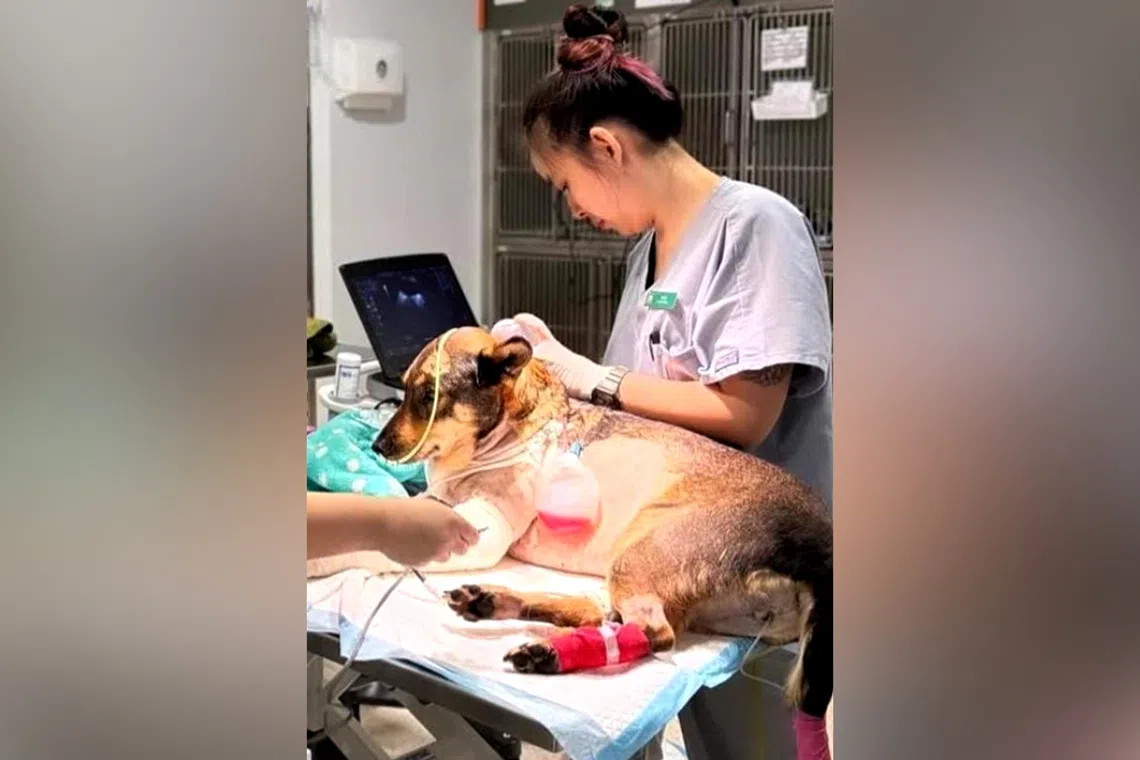
To put it simply, if a veterinarian acts as the doctor, the veterinary nurse is the nurse, phlebotomist, radiographer, surgical assistant and caregiver all rolled into one.
PHOTO: LANDON VETERINARY SPECIALIST HOSPITAL
Published Oct 04, 2026, 10:47 AM
Updated Oct 04, 2026, 01:47 PM
SINGAPORE – Have you ever wondered who holds your beloved dog’s paw as he wakes up from surgery or who calculates every drop of pain relief for your rabbit?
My own journey in veterinary nursing began nearly a decade ago when I made a leap of faith from a different field of study to where my passion lies.
Over the years, I have navigated challenging conditions alongside my dedicated colleagues – from managing pet care under strict lockdown restrictions during the Covid-19 pandemic to battling devastating outbreaks like rabbit haemorrhagic disease virus.
Along the way, working within practices has offered me the opportunity to collaborate with specialists across diverse fields: anaesthesia and analgesia, dentistry, internal medicine, diagnostic imaging, exotics and dermatology.
Being a vet nurse means constantly learning, adapting and advocating for every animal that walks, hops or flies through our doors. Thanks to the trust of the veterinarians I work with, I have been able to learn and perform advanced practical skills.
What does a veterinary nurse actually do?
As both a vet nurse and a pet owner, Ang Xue Yi has navigated complex nursing care at home for her own dog, Shiro (pictured), and several foster rabbits. PHOTO: THE ANIMAL DOCTORS
As both a vet nurse and a pet owner, Ang Xue Yi has navigated complex nursing care at home for her own dog, Shiro (pictured), and several foster rabbits.
PHOTO: THE ANIMAL DOCTORS
When your pet stays with us, nurses are responsible for:
Monitoring vital signs: Tracking heart rates, blood pressure and oxygen levels during procedures.
Administering treatments: Delivering prescribed medications, setting up intravenous fluids and managing pain levels.
Collecting diagnostic samples: Bridging patient assessment with veterinary diagnosis, requiring a blend of advanced practical skill, low-stress handling and strict quality control.
Providing hands-on care: Ensuring your pet remains clean, comfortable and warm throughout its hospital stay.
As both a vet nurse and a pet owner, I have navigated complex nursing care at home for my own dog and several foster rabbits.
I understand first-hand the anxiety faced by pet owners in administering daily medications, managing strict post-operative rest and searching for subtle signs of discomfort. It can be overwhelming when a pet is unwell and requires intensive home care.
My passion starts with the patient’s well-being, but true clinical success requires teamwork.
How can you work with your vet nursing team?
Healing is a collaborative effort. Veterinary care is most effective when pet owners and the clinical team work together.
Here is how you can actively participate in your pet’s healthcare journey:
Ask questions freely: Never hesitate to ask us to demonstrate how to give eye drops, clean a ear or wrap a bandage. We are here to empower you with practical skills before you leave the clinic.
Set up a recovery station at home: Choose a quiet, low-traffic area with non-slip flooring or padded bedding to prevent slips and joint strain. Keep essential supplies – medications, syringes, surgical wipes and logs – organised in a single basket or tray within arm’s reach.
Keep a detail-oriented home diary: Before your visit, note down changes in appetite, drinking habits, energy levels or stool consistency. Watch for subtle indicators like posture changes, reluctance to jump or unusual restlessness. These small clues help us tailor treatment plans according to your pet’s needs.
Wound and hygiene management: Check surgical sites twice daily for redness, discharge, swelling or heat. Ensure protective collars remain attached at all times to prevent self-trauma or infection.
Know your red flags: Clarify emergency indicators with your clinical team before your pet gets discharged.
Remain in contact with the team: Never hesitate to update your veterinary team, whether you have a concern or just want to let us know your pet is doing well. Plan for progress reviews, schedule follow-up visits to monitor healing and adjust medications as needed.
Are veterinary nurses regulated?
While veterinary nurses and technicians in Singapore are currently not licensed or regulated as individuals, our commitment to clinical excellence remains unwavering.
Many of us work in clinics or referral hospitals that do not offer continuing education funds or study leave, yet we dedicate our own time and financial resources to gain new knowledge.
We do it because veterinary medicine is always progressing and your pets deserve the highest standard of care.
Ang Xue Yi is a veterinary nurse at Landon Veterinary Specialist Hospital. She is also a member of the Singapore Veterinary Nurse Technician Chapter Committee, an initiative dedicated to education, collaboration and professional growth among veterinary nurses in Singapore.
Vet Talk is a fortnightly column where those in the veterinary field offer advice on pet issues.
简单来说,如果兽医扮演医生的角色,那么兽医护士就是护士、抽血员、放射技师、手术助理和护理员的集大成者。
照片:兰登兽医专科医院
发布于 2026 年 10 月 4 日上午 10:47
更新于2026年10月4日下午1:47
新加坡——你有没有想过,是谁在你心爱的狗狗术后醒来时握着它的爪子?又是谁在为你的兔子精确计算每一滴止痛药?
我的兽医护理之路始于近十年前,当时我毅然决然地从另一个专业领域跳槽到我真正热爱的领域。
多年来,我与敬业的同事们一起克服了各种挑战——从在新冠疫情期间严格封锁限制下管理宠物护理,到对抗兔出血性疾病病毒等毁灭性疫情。
一路走来,在各个诊所的工作经历让我有机会与不同领域的专家合作:麻醉和镇痛、牙科、内科、诊断成像、异宠和皮肤科。
作为一名兽医护士,意味着要不断学习、适应变化,并竭尽全力为每一只走进我们诊所的动物——无论是走来的、跳的还是飞来的——争取权益。感谢我共事的兽医们的信任,我得以学习并运用各种高级的实践技能。
兽医护士究竟是做什么的?
作为一名兽医护士和宠物主人,Ang Xue Yi 在家照顾自己的爱犬 Shiro(如图)和几只寄养的兔子,积累了丰富的经验。图片来源:动物医生
作为一名兽医护士和宠物主人,Ang Xue Yi 在家中为自己的狗 Shiro(如图)和几只寄养的兔子提供了复杂的护理。
照片:动物医生
当您的宠物寄养在我们这里时,护士负责:
监测生命体征:在手术过程中跟踪心率、血压和血氧水平。
实施治疗:给予处方药物、建立静脉输液和控制疼痛程度。
采集诊断样本:将患者评估与兽医诊断联系起来,需要结合高级实践技能、低压力处理和严格的质量控制。
提供贴心照料:确保您的宠物在住院期间保持清洁、舒适和温暖。
作为一名兽医护士和宠物主人,我曾在家中为自己的狗和几只寄养的兔子进行过复杂的护理。
我深切理解宠物主人在给宠物喂药、严格安排术后休息以及留意它们细微不适迹象时所面临的焦虑。当宠物生病需要精心照料时,主人往往会感到不堪重负。
我的热情始于对患者福祉的关注,但真正的临床成功需要团队合作。
如何与您的兽医护理团队合作?
治疗是一个协作过程。当宠物主人和医疗团队共同努力时,兽医护理才能取得最佳效果。
以下是您可以积极参与宠物医疗保健过程的方法:
请随时提问:如果您想让我们演示如何滴眼药水、清洁耳朵或包扎伤口,请尽管提问。我们希望在您离开诊所前,能够掌握这些实用技能。
在家中设置康复站:选择安静、人流量少的区域,铺设防滑地板或软垫,以防止滑倒和关节拉伤。将必需品——药品、注射器、手术湿巾和记录表——整理放在触手可及的篮子或托盘中。
详细记录宠物在家的情况:就诊前,请记下宠物食欲、饮水习惯、精力水平或粪便性状的变化。注意观察一些细微的迹象,例如姿势改变、不愿跳跃或异常烦躁不安。这些小线索有助于我们根据宠物的具体需求制定个性化的治疗方案。
伤口和卫生管理:每日检查手术部位两次,观察是否有发红、分泌物、肿胀或发热。确保保护性颈圈始终佩戴到位,以防止自身受伤或感染。
了解危险信号:在宠物出院前,请与您的医疗团队明确紧急情况的征兆。
与团队保持联系:无论您有任何疑问,或者只是想让我们知道您的宠物一切安好,都请随时与您的兽医团队保持联系。请安排进度复查,定期进行随访,以便监测宠物的康复情况并根据需要调整药物。
兽医护士是否受到监管?
虽然新加坡的兽医护士和技术人员目前没有个人执照或监管,但我们对临床卓越的承诺依然坚定不移。
我们许多人在诊所或转诊医院工作,这些机构不提供继续教育基金或学习假,但我们仍然投入自己的时间和财力来获取新知识。
我们这样做是因为兽医学在不断发展,您的宠物值得拥有最高标准的护理。
Ang Xue Yi是Landon兽医专科医院的兽医护士。她同时也是新加坡兽医护士技师分会委员会的成员,该委员会致力于促进新加坡兽医护士的教育、合作和专业发展。
“兽医谈”是一个双周专栏,兽医领域的专业人士会就宠物问题提供建议。