Don’t hate me because I’m beautiful — Khoo Ying Hooi不要因为我长得漂亮就讨厌我——邱英辉
SEPTEMBER 5 — Many years ago, I wrote a piece in the now defunct The Malaysian Insider with this same title, Don’t Hate Me Because I’m Beautiful. The title itself was...
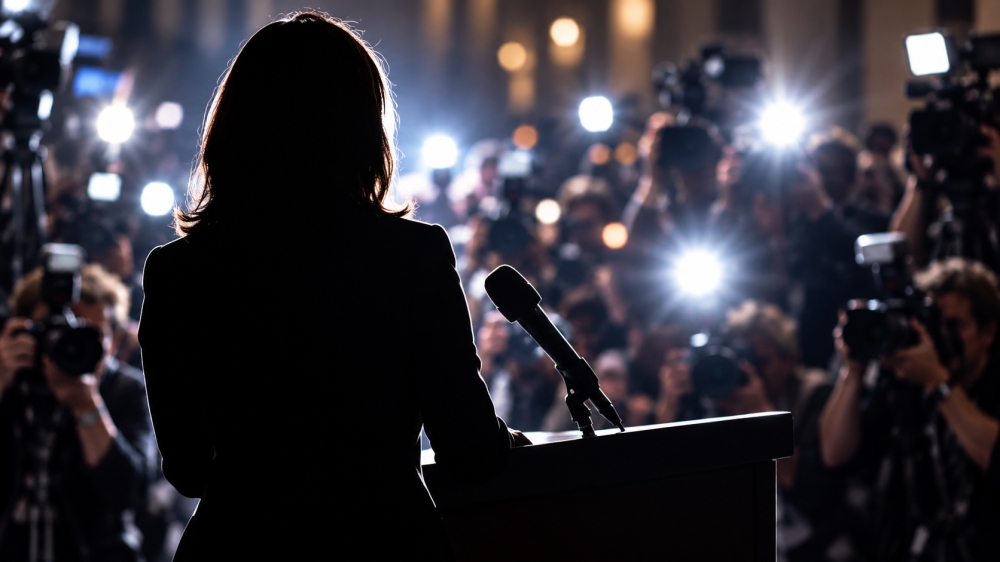
The article, titled "Don't Hate Me Because I'm Beautiful," reflects on the challenges and biases female politicians in Malaysia face due to their appearance and societal stereotypes.
The author discusses how successful women are often judged more on their looks and personal lives than on their professional capabilities, in contrast to their male counterparts.
Despite Malaysia's goals for women's political representation, structural barriers and societal expectations persist, demanding women conform to certain behaviors and appearances to be taken seriously.
The piece calls for focusing on women's policies and competencies rather than their personal attributes or appearances.
SEPTEMBER 5 — Many years ago, I wrote a piece in the now defunct The Malaysian Insider with this same title, Don’t Hate Me Because I’m Beautiful . The title itself was borrowed from Pantene’s famous 1980s advertising campaign, in which model and actress Kelly LeBrock delivered the now iconic line, “Don’t hate me because I’m beautiful.” It was deliberately provocative then, and it still is. I did not imagine I would use it again. But politics is full of recycled problems, so here we are.
The recent fascination with the divorce of a woman politician brought it back because, after all the talk about privacy, I was left with a more familiar irritation. A woman can enter politics, win office and make decisions that affect thousands of people, yet it takes very little for the conversation to move from what she does to what kind of woman people think she is.
Malaysia has a very particular way of dealing with successful women. We celebrate them, but only up to a point. A woman can be accomplished, yet the moment she becomes outspoken, assertive or visibly comfortable with her own success, the judgment starts. Confidence is easily rewritten as arrogance. If she is attractive and that happens to work in her favour, people are quick to assume she is using her looks to get ahead. She can be ambitious, but she is still expected to be pleasant, warm and endlessly likeable. Dress well and people talk about the clothes before the work. Grow older and suddenly her face becomes a public discussion. Be unmarried, divorced or without children and somehow that becomes relevant too.
A male politician, meanwhile, can be arrogant, corrupt or mediocre, and usually those qualities give us more than enough to talk about. We rarely need to inspect the rest of his life to decide whether he deserves to be taken seriously.
Malaysia has talked about the 30 per cent target for women in political representation for years, yet women still make up only about 13.5 per cent of Dewan Rakyat seats. In June, the Parliamentary Special Select Committee on Women, Children and Community Development pointed to male-dominated party structures, money, unequal domestic responsibilities, gender stereotypes and sexual harassment among the barriers women face. A 2026 study of GE15 coverage also found women politicians being discussed through motherhood and age, while being a woman in politics could itself be framed as something unusual.
And even when women do enter politics, there is still an expectation that they should behave in certain ways, speak in certain ways and carry themselves in ways considered acceptable for women. The problem is not that women lack confidence. It is that politics still makes it harder for them to enter, harder for them to stay and, once they are there, harder for them to simply be taken seriously.
Malaysia then adds religion, race, class and colourism into the mix, giving women even more things to be judged for. Too sexy, too plain, too covered, not covered enough, too modern, too conservative, too old for that dress, too dressed up for politics. There seems to be a correct amount of everything, although nobody can quite tell you what it is. And sadly, women sometimes judge other women by these same standards too.
I should also say what I mean by “beautiful” here. I am not using the word as though beauty is fixed, universal or somehow neutral. What counts as beautiful is shaped by the society we live in, by race, class, skin colour, age, body type, and fashion, and those standards keep changing. So this is not about deciding who is or is not beautiful. It is about what happens when a woman is seen as attractive, when that attractiveness carries social value, and especially when she is comfortable enough not to apologise for it.
Beauty can bring privilege, and in Malaysia ideas of beauty are often tied to money, race, class, colourism and youth, so there is no point pretending otherwise. But acknowledging beauty privilege does not mean reducing a woman to her beauty. She can care about politics and love high heels, she can understand power and enjoy a wearing a beautiful, sexy dress. She can be intellectually serious without having to conform to some idea of how a woman is supposed to look. Men have enjoyed that freedom for centuries without anyone suggesting that what they wear somehow makes their ideas less serious.
But beauty can also turn against a woman remarkably quickly. A woman who is seen as attractive and sexy can just as quickly be taken less seriously, treated as superficial, or assumed to have advanced because of how she looks rather than what she knows or can do. Is she really that capable, or did her looks helps? Did she persuade people, or charm them? Is she confident, or simply vain? Is she successful, or did somebody give her an easier route?
That is the strange bargain. In politics, this can become especially cruel. The same appearance that attracts attention can also be used to question her competence, motives or credibility. Beauty may open some doors, but it can also become another reason for people to doubt what is behind them.
It also helps explain why so many women in politics learn to dress down, or at least to dress carefully enough not to become the story themselves. But why should they have to think this way in the first place? Why should looking glamorous or sexy make a woman seem less serious about politics? Why should credibility require her to mute parts of herself before she even speaks?
What looks like a simple choice about how to dress is often shaped by how women know they will be judged in public. Wear this, not that. Look good, but not so good that people stop listening. Be stylish, but do not appear too interested in style. Show personality, but make sure there is not so much personality that somebody finds it threatening. That is not really freedom of choice. It is women learning to manage other people’s prejudices before they are allowed to get on with the work.
So yes, I am using the title again. Don’t Hate Me Because I’m Beautiful is not asking for permission, sympathy or admiration. The title is deliberately provocative because the problem itself is absurd. A woman should not have to make herself smaller, duller, quieter or less certain of herself just to be taken seriously.
Beauty does not diminish intelligence, confidence should not be mistaken for arrogance, and style says nothing about the depth of a woman’s thinking. And if a woman knows she is beautiful, capable and powerful, the problem is not that she knows it. The problem is that we are still uncomfortable when she does.
Criticise women politicians for their policies, expose incompetence, question how they use power and vote them out when they fail, because equality should never mean immunity from criticism. But when the conversation keeps returning to their personal lives and appearance, we are no longer judging them only as politicians. We are punishing women for being too visible, too confident, too beautiful, or too powerful. Don’t Hate Me Because I’m Beautiful is really about that. The problem is not that a woman knows her worth. The problem is that we still expect her to pretend she does not.
* Khoo Ying Hooi, PhD is associate professor at Universiti Malaya.
** This is the personal opinion of the writers or publication and does not necessarily represent the views of Malay Mail .
If AI can give the answers, can education build the human? — Siti Noor Aneeis Hashim and Muhammad Noor Abdul Aziz
Digital independence: Be smart with technology, stay safe when transacting — Syazwani Yahaya
What happens when too few people say no? — Noor Adwa Sulaiman
Serian town unusually quiet amid thick haze and emergency declaration
Thai DPM Sihasak to undertake two‑day working visit to Malaysia from Sept 6
Zambry: Malaysia Higher Education Plan 2026-2035 aims to shape students with strong values alongside academic excellence
这篇文章题为《不要因为我漂亮就讨厌我》,反思了马来西亚女政治家由于外貌和社会刻板印象而面临的挑战和偏见。
作者探讨了与男性同行相比,成功的女性往往更多地根据外貌和个人生活而不是职业能力来评判。
尽管马来西亚致力于提高女性的政治代表性,但结构性障碍和社会期望依然存在,要求女性必须符合某些行为和外表才能被认真对待。
这篇文章呼吁关注女性的政策和能力,而不是她们的个人特质或外貌。
9月5日——多年前,我曾在现已停刊的《马来西亚内幕》(The Malaysian Insider)上发表过一篇题为《别因为我漂亮就恨我》(Don't Hate Me Because I'm Beautiful)的文章。这个标题借用了潘婷上世纪80年代著名的广告语,模特兼演员凯莉·勒布洛克(Kelly LeBrock)在广告中说出了那句如今已成为经典的台词:“别因为我漂亮就恨我。” 这句话在当时是故意挑衅的,现在依然如此。我当时从未想过会再次使用它。但政治充满了老生常谈的问题,所以我们又一次用上了它。
最近一位女政治家的离婚事件引发了广泛关注,这让我再次想起这件事。毕竟,在大家热议隐私之后,我心中却涌起一种似曾相识的恼怒。一位女性可以步入政坛,赢得职位,做出影响成千上万人的决策,然而,人们的讨论很容易从她的政绩转移到她作为女性的为人。
马来西亚对待成功女性的方式非常独特。我们赞美她们,但这种赞美是有界限的。一个女人可以成就斐然,但一旦她变得直言不讳、自信满满,或者明显地对自己的成功感到自在,评判就开始了。自信很容易被曲解为傲慢。如果她长相漂亮,而且恰好凭借美貌获得成功,人们很快就会认为她是在利用美貌上位。她可以雄心勃勃,但人们仍然期望她和蔼可亲、热情友好、人见人爱。穿着得体,人们首先关注的是她的穿着,而不是她的作品。随着年龄的增长,她的容貌突然成了公众讨论的话题。未婚、离异或没有孩子,这些似乎也成了人们关注的焦点。
与此同时,男性政治家可能傲慢、腐败或平庸,而这些特质通常就足以让我们议论纷纷。我们很少需要深入考察他人生的其他方面,就能判断他是否值得认真对待。
马来西亚多年来一直讨论女性在政治代表中占比达到30%的目标,然而,女性在下议院的席位仍然只占约13.5%。今年6月,国会妇女、儿童及社区发展特别委员会指出,男性主导的政党结构、资金、不平等的家庭责任、性别刻板印象和性骚扰是女性面临的诸多障碍。一项针对2026年第15届全国大选报道的研究也发现,媒体在讨论女性政治家时,往往只关注她们的母亲身份和年龄,而女性从政本身却被视为一种不寻常的经历。
即使女性步入政坛,人们仍然期望她们的行为举止、言谈举止以及仪态都符合女性的规范。问题不在于女性缺乏自信,而在于政治环境依然让她们更难进入政坛、更难留在政坛,即便身处其中,也很难获得认可。
马来西亚社会又将宗教、种族、阶级和肤色歧视等因素纳入考量,让女性面临更多评判标准。太性感、太朴素、太保守、太时髦、太老气、穿衣打扮太隆重,这些都会被评判。似乎每件事都有其“适度”的标准,尽管没人能确切地告诉你那是什么。可悲的是,女性有时也会用同样的标准来评判其他女性。
我还应该解释一下我在这里所说的“美”是什么意思。我使用这个词并非认为美是固定不变的、普世的或中立的。美的标准是由我们所处的社会、种族、阶级、肤色、年龄、体型和时尚等因素塑造的,而且这些标准一直在变化。所以,这并非是在评判谁美谁不美。而是在探讨当一位女性被视为有魅力时会发生什么,当这种魅力承载着社会价值时会发生什么,尤其当她足够自信,无需为此感到抱歉时。
美貌可以带来特权,在马来西亚,美的概念往往与金钱、种族、阶级、肤色和年轻联系在一起,所以否认这一点毫无意义。但承认美貌带来的特权并不意味着将女性的价值仅仅局限于她的美貌。她可以关心政治,也可以热爱高跟鞋;她可以理解权力,也可以享受穿着美丽性感的裙子。她可以拥有严肃的思想,而无需迎合某种关于女性外貌的刻板印象。几个世纪以来,男性一直享有这种自由,没有人会认为他们的穿着会削弱他们思想的严肃性。
但美貌也可能很快反过来伤害一个女人。一个被认为漂亮性感的女人,也可能很快被轻视,被认为肤浅,或者被认为只是靠外貌而非能力获得成功。她真的那么优秀吗?还是只是靠美貌?她是说服了别人,还是用魅力征服了别人?她是自信,还是只是虚荣?她是成功了,还是有人给了她捷径?
这就是奇特的交易。在政治领域,这种情况尤其残酷。吸引眼球的外貌也可能被用来质疑她的能力、动机或信誉。美貌或许能为你打开一些机会之门,但也可能成为人们质疑其背后真相的另一个理由。
这也解释了为什么这么多女性政客学会了低调着装,或者至少穿着得体,以免自己成为新闻焦点。但她们为什么非得这样想呢?为什么打扮得光鲜亮丽或性感会让人觉得她们对政治不够认真?为什么为了保持信誉,她们甚至在开口之前就必须压抑自己的某些特质?
看似简单的穿衣选择,往往受到女性在公共场合可能遭受的评判的影响。穿这个,别穿那个。要漂亮,但又不能太漂亮以至于让人忽略你。要时尚,但又不能显得过于注重打扮。要展现个性,但又不能过于张扬,以免让人感到威胁。这并非真正的选择自由,而是女性在能够安心工作之前,必须学会如何应对他人的偏见。
是的,我再次使用了这个标题。《别因为我漂亮就讨厌我》并非寻求许可、同情或赞赏。这个标题刻意挑衅,因为问题本身就很荒谬。女性不应该为了获得认可而让自己变得渺小、黯淡、安静或缺乏自信。
美貌并不代表智慧,自信也不应被误解为傲慢,衣着打扮也与女性思想的深度无关。如果一个女人知道自己美丽、能干、强大,问题不在于她是否知道这一点,而在于当她如此坦然时,我们仍然会感到不自在。
批评女性政治家的政策,揭露她们的无能,质疑她们如何行使权力,并在她们失职时用选票将她们赶下台,因为平等绝不意味着可以免受批评。但当讨论的焦点不断回到她们的私生活和外貌时,我们评判的就不再仅仅是她们的政治身份了。我们是在惩罚那些过于引人注目、过于自信、过于美丽或过于强大的女性。《别因为我漂亮就恨我》这本书正是要探讨这个问题。问题不在于女性是否了解自身的价值,而在于我们仍然期望她们假装不了解。
* Khoo Ying Hooi 博士是马来亚大学副教授。
**这是作者或出版方的个人观点,并不一定代表《马来邮报》的观点。
如果人工智能能够给出答案,那么教育能否塑造人类?——西蒂·努尔·阿尼斯·哈希姆和穆罕默德·努尔·阿卜杜勒·阿齐兹
数字独立:明智地使用科技,交易时注意安全——Syazwani Yahaya
当说“不”的人太少时会发生什么?——努尔·阿德瓦·苏莱曼
浓雾弥漫,西连镇异常安静,并宣布进入紧急状态。
泰国副总理西哈萨克将于9月6日起对马来西亚进行为期两天的访问。
赞布里:马来西亚高等教育计划(2026-2035)旨在培养兼具卓越学术成就和坚定价值观的学生。