First Release Of USAF’s New HACM Hypersonic Cruise Missile Has Happened Over A Test Range In Australia美国空军新型HACM高超音速巡航导弹首次在澳大利亚试验场试射
The US and Australia are partners on the Hypersonic Attack Cruise Missile, which has finally reached flight testing after major delays.
新闻视频
By Joseph Trevithick , Howard Altman
Published Oct 5, 2026 7:26 PM EDT
The U.S. Air Force’s scramjet-powered Hypersonic Attack Cruise Missile (HACM) has finally reached the flight test phase, with at least one “release” having been carried out so far over a range in Australia. HACM has suffered significant delays, and the Air Force has taken the risky step of scaling back overall testing plans to try to keep the program on schedule. The stated goal is to be able to make a decision to start rapidly acquiring HACMs in 2027.
The Air Force has been working on HACM in cooperation with the Royal Australian Air Force (RAAF). The program has been conducted, in part, under the broader umbrella of the U.S.-Australian Southern Cross Integrated Flight Research Experiment (SCIFiRE). The Defense Advanced Research Projects Agency’s (DARPA) Hypersonic Air-breathing Weapon Concept (HAWC) project also fed into HACM. Raytheon (now formally RTX), in cooperation with Northrop Grumman, was chosen to develop the missile in 2022. The weapon has reportedly been designated AHM-4A in a new branch of the U.S. military’s joint service nomenclature system for aircraft and missiles.
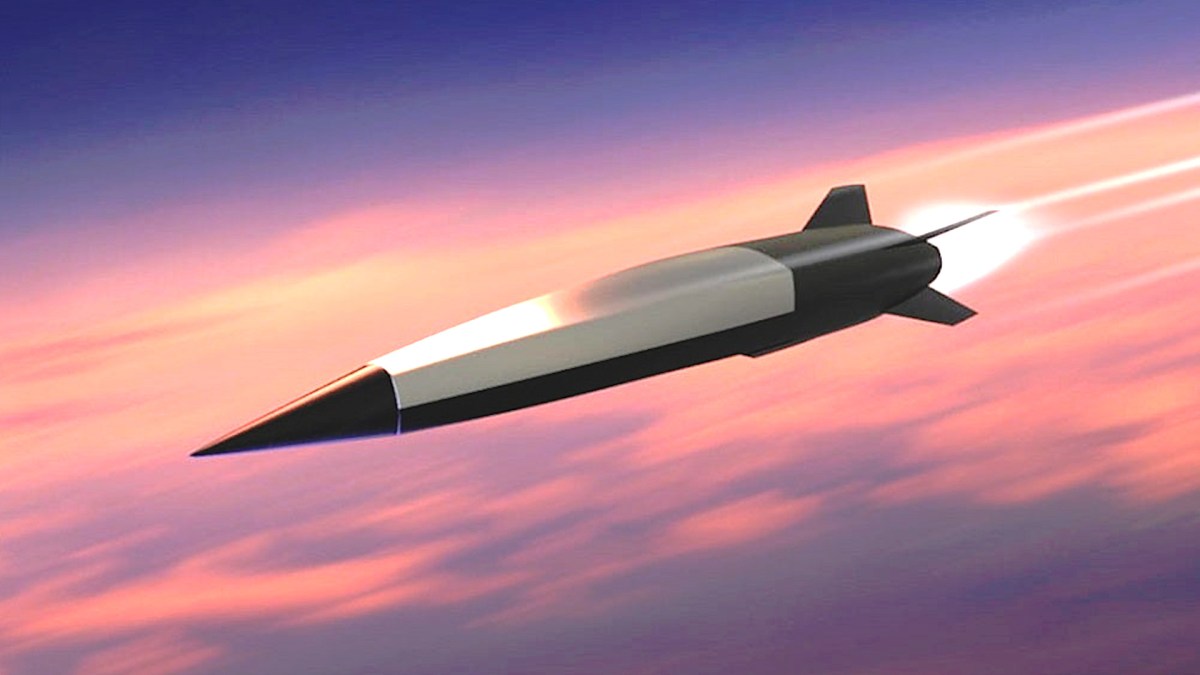
A rendering DARPA put out during the preceding Hypersonic Air-breathing Weapon Concept (HAWC) effort. DARPA
“The U.S. Air Force, in partnership with Australia, has conducted a flight test of the Hypersonic Attack Cruise Missile (HACM) as part of our continuous work to advance long-range strike capabilities,” an Air Force spokesperson confirmed to TWZ today. “This effort is part of the Southern Cross Integrated Flight Research Experiment (SCIFiRE), a collaborative agreement built on more than 15 years of partnership between our two nations.”
“Leveraging this enduring alliance, the Royal Australian Air Force executed the release of a HACM flight test unit over a designated Australian test range, gathering crucial data to advance the program’s objectives,” the spokesperson added. “The flight was the culmination of an extensive series of tests designed to measure the missile’s performance under realistic flight conditions.”
The spokesperson did not name the test range where the “release” was conducted or say when that occurred. Whether the missile flew under its own power for any amount of time after release is unknown. What aircraft was used to carry the missile aloft is also not known. TWZ has reached out for more information.
The Air Force did say previously that it planned to conduct HACM launches in Australia . The expectation has long been that this would be done at the country’s sprawling Woomera Test Range, which provides an ideal location for extended-range flight testing activities in general. The U.S. and Australia have partnered on other hypersonic testing at Woomera in the past, as seen in the video below. The remote inland location of the range complex makes it well suited for conducting more sensitive tests away from prying eyes, as well.
The Government Accountability Office (GAO), a Congressional watchdog, has also reported in the past that RAAF F/A-18F Super Hornets would be used to conduct at least some of the HACM test launches. This would fit with today’s statement from the U.S. Air Force saying that it was the RAAF that “executed the release.” The Air Force’s initial launch platform is the F-15E Strike Eagle , though others are expected to follow.
A pair of RAAF F/A-18F Super Hornets. RAAF
To date, neither the Air Force nor Raytheon has released a confirmed picture or rendering of HACM. In 2023, the Air Force did release a picture , seen below, showing an air-breathing hypersonic cruise missile test article related to either HACM or the preceding HAWC effort.
“The missile consists of two stages, a rocket booster and a scramjet cruiser, which separates from the booster and eventually dives toward its target,” according to GAO. Scramjets do not function effectively at lower speeds, and designs powered by them require some form of initial boost to a high Mach velocity. Hypersonic speed is generally defined as anything above Mach 5, but what HACM’s peak speed might be is unknown.
Two-stage air-breathing missile-like hypersonic vehicle designs have been tested on several occasions in the past. This includes Boeing’s scramjet-powered X-51 Waverider and HyFly 2 hypersonic test vehicles , among others. The X-51 (as its name indicates) and HyFly 2 also notably had so-called ‘waverider’ configurations designed to ‘skip’ on the shockwaves generated during high-speed flight to help provide additional lift. Whether HACM might also use this principle is not known.
It’s also worth noting here that Castelion’s Blackbeard hypersonic missile also has a two-stage configuration. It remains unconfirmed whether or not the second stage of that weapon is powered, but it does not appear to be an air-breathing design either way. Castelion is currently developing an air-launched version of Blackbeard for the U.S. Navy, which is also in flight testing now , as well as a ground-launched type for the U.S. Army . You can read more about that missile here .
Coming soon to a theater near you…BLACKBEARD! @USPACOM @CENTCOM @PAEAviation pic.twitter.com/KgBtIqdf8I — NAVAIR (@NAVAIRNews) September 25, 2026
Coming soon to a theater near you…BLACKBEARD! @USPACOM @CENTCOM @PAEAviation pic.twitter.com/KgBtIqdf8I
Scramjet-powered air vehicle designs, including aircraft and missiles, have historically proven challenging. As noted, HACM has suffered delays over the years. The original goal had been to begin flight testing in 2024 , which slipped first to 2025 and then 2026 .
“The HACM program is on track to conduct its first flight test in the second quarter of fiscal year 2026, but officials said there is effectively zero margin left in the schedule for the rapid prototyping effort. The program has already descoped the rapid prototyping effort from seven to five planned flight tests,” GAO said bluntly in a report published in July . “The Air Force plans to produce 13 missiles during the rapid prototyping effort, including test assets, test spares, and operational rounds.”
“If a significant flight test failure occurs, it is likely that the program will not be able to complete all five tests within the 5-year rapid prototyping timeframe,” the report continued. “According to the program, completing at least the first three flight tests is critical for informing the Air Force’s decision to initiate a rapid fielding effort and procure HACM in fiscal year 2027.”
GAO’s July report, which had a January cutoff date, noted later on that the Air Force’s target date for initiating the rapid fielding effort, more specifically, was the first quarter of Fiscal Year 2027. This fiscal period began last Thursday and runs through the end of the year. Whether the service is still aiming to keep to that part of the schedule is unclear, but it would seem extremely difficult to do so.
Another rendering of a notional hypersonic missile that has been used to illustrate discussions about HACM in the past. Raytheon via GAO
“The HACM program has taken on risk to maintain its current schedule. According to program officials, maintaining the schedule has required aggressively resequencing activities to focus almost exclusively on those necessary to support the first flight test date,” GAO’s report added. “In some cases, officials said this has involved risky strategies, such as concurrently performing parts validation testing while completing the system’s design, which could require the redesign of key parts if they fail validation testing.”
In terms of U.S. hypersonic missile developments, challenges have also not been limited to scramjet-powered types like HACM. Air Force, Navy, and Army efforts to develop a variety of air- and surface-launched hypersonic missiles in various sizes and configurations have all suffered setbacks in the past decade or so . The Navy notably cancelled its own air-launched hypersonic cruise missile program, called Hypersonic Air-Launched Offensive Anti-Surface Warfare, or HALO , last year. The service subsequently shifted focus to the aforementioned Blackbeard under a program called the Multi-mission Affordable Capacity Effector (MACE). This has all prompted particular concerns about a growing and increasingly worrisome gap in this regard between the United States and its chief global competitors, especially China .
Lockheed Martin, which previously put out this rendering of a hypersonic cruise missile, had been working on HALO for the Navy before that program was cancelled. Lockheed Martin
There is also a cost question. HACM traces to a time when hypersonic missiles were generally viewed, at least publicly, as highly capable, but also higher-cost and lower-density, assets. Blackbeard, for example, reflects a more recent push to develop and field more economical munition designs across the board that can also be more readily produced at scale . This demand signal has become even more pronounced in light of the dwindling American stockpiles of critical munitions due to the conflict with Iran, as well as other crises globally in recent years . More exquisite munitions, including hypersonic types, will still be part of the larger U.S. arsenal going forward.
Regardless, the U.S. military , as well as its Australian counterparts , have made it clear in the past that they view hypersonic weapons as critical for success in future conflicts, especially high-end fights, such as one in the Pacific against China. In general, air-breathing hypersonic cruise missiles offer a valuable and highly flexible way to strike targets, especially time-sensitive ones, quickly and over extended ranges. The weapon’s high speed and maneuverability drastically increase its ability to penetrate through enemy air defenses and reduce the total time an opponent has to react.
Whether or not the Air Force will be able to avoid any more major delays with HACM remains to be seen. The service’s goal to start at least limited production of HACM before the end of 2027, if not sooner, is even more ambitious now after years of schedule slips. As mentioned, officials have already acknowledged there was no more margin for error at the start of the year. There are many questions still about what form any initial fielding will take, and how that might be further impacted by the truncated testing plan.
The HACM program has at least now hit the important milestone of beginning flight testing.
Contact the author: joe@twz.com
Comments couldn’t be loaded. Please refresh the page.
作者:约瑟夫·特雷维西克、霍华德·奥特曼
发布于美国东部时间2026年10月5日晚上7:26
美国空军的超燃冲压发动机动力高超音速攻击巡航导弹(HACM)终于进入飞行测试阶段,目前已在澳大利亚靶场进行了至少一次试射。HACM项目曾遭遇重大延误,空军为此采取了风险较高的措施,缩减了整体测试计划,以确保项目按计划进行。其既定目标是在2027年做出决定,开始快速采购HACM。
美国空军一直与澳大利亚皇家空军(RAAF)合作研发高超音速复合导弹(HACM)。该项目部分是在美澳“南方十字星”综合飞行研究实验(SCIFiRE)框架下开展的。美国国防高级研究计划局(DARPA)的高超音速吸气式武器概念(HAWC)项目也为HACM的研发提供了参考。雷神公司(现更名为RTX)与诺斯罗普·格鲁曼公司合作,于2022年被选中负责该导弹的研发。据报道,该武器已在美国军方飞机和导弹联合命名系统的新分支中被命名为AHM-4A。
这是美国国防高级研究计划局(DARPA)在之前的“高超音速吸气式武器概念”(HAWC)项目中发布的渲染图。
美国空军发言人今天向TWZ证实:“作为我们持续提升远程打击能力工作的一部分,美国空军与澳大利亚合作,成功进行了高超音速攻击巡航导弹(HACM)的飞行测试。这项工作是‘南方十字星综合飞行研究实验’(SCIFiRE)的一部分,该实验是两国15年多合作的成果。”
发言人补充说:“凭借这一长期联盟,澳大利亚皇家空军在指定的澳大利亚试验场上空放飞了一枚高空巡航导弹(HACM)飞行测试样机,收集了推进该项目目标的关键数据。此次飞行是旨在衡量导弹在真实飞行条件下性能的一系列广泛测试的最终成果。”
发言人没有透露进行“释放”试验的靶场名称,也没有说明释放时间。导弹释放后是否依靠自身动力飞行了一段时间尚不清楚。运送导弹升空的飞机型号也不得而知。TWZ已联系相关部门以获取更多信息。
美国空军此前曾表示计划在澳大利亚进行高超音速导弹(HACM)发射试验。长期以来,人们一直预期试验将在澳大利亚广袤的伍默拉试验场进行,该试验场是开展远程飞行测试活动的理想场所。正如以下视频所示,美国和澳大利亚过去曾在伍默拉试验场合作进行过其他高超音速测试。该试验场地处偏远内陆,也使其非常适合进行一些更敏感的测试,避免外界窥探。
美国国会监督机构政府问责局(GAO)此前也曾报告称,澳大利亚皇家空军的F/A-18F“超级大黄蜂”战斗机将参与至少部分高空高空导弹(HACM)的试射。这与美国空军今天发表的声明相符,声明称是澳大利亚皇家空军“执行了发射任务”。美国空军的初始发射平台是F-15E“攻击鹰”战斗机,预计后续还将使用其他机型。
两架澳大利亚皇家空军的F/A-18F超级大黄蜂战斗机。
迄今为止,美国空军和雷神公司均未发布HACM的官方图片或渲染图。2023年,美国空军曾发布一张图片(如下图所示),展示了一种与HACM或之前的HAWC项目相关的吸气式高超音速巡航导弹试验件。
据美国政府问责局(GAO)称,“该导弹由两级组成:火箭助推器和超燃冲压发动机巡航器。巡航器与助推器分离后,最终俯冲攻击目标。” 超燃冲压发动机在低速下效率不高,因此采用这种发动机的导弹需要某种形式的初始助推才能达到高马赫速度。高超音速通常定义为超过5马赫的速度,但HACM的峰值速度尚不清楚。
过去曾多次测试过两级吸气式导弹状高超音速飞行器设计,其中包括波音公司的超燃冲压发动机动力X-51 Waverider和HyFly 2高超音速试验飞行器等。值得注意的是,X-51(顾名思义)和HyFly 2都采用了所谓的“乘波体”构型,旨在利用高速飞行过程中产生的激波“跳跃”飞行,从而获得额外的升力。HACM是否也会采用这一原理尚不得而知。
值得一提的是,卡斯特利昂公司的“黑胡子”高超音速导弹也采用了两级结构。目前尚不清楚该导弹的第二级是否采用动力推进,但无论如何,它似乎都不是吸气式设计。卡斯特利昂公司目前正在为美国海军研发“黑胡子”的空射版本(该版本也正在进行飞行测试),同时也在为美国陆军研发陆基版本。您可以在这里阅读更多关于该导弹的信息。
即将登陆您附近的影院……《黑胡子》!@USPACOM @CENTCOM @PAEAviation pic.twitter.com/KgBtIqdf8I — NAVAIR (@NAVAIRNews) 2026年9月25日
即将登陆您附近的影院……《黑胡子》!@USPACOM @CENTCOM @PAEAviation pic.twitter.com/KgBtIqdf8I
包括飞机和导弹在内的超燃冲压发动机动力飞行器设计历来都极具挑战性。如前所述,HACM项目多年来屡遭延误。最初的目标是在2024年开始飞行测试,但后来推迟到2025年,之后又推迟到2026年。
“HACM项目正按计划于2026财年第二季度进行首次飞行测试,但官员表示,快速原型制造阶段的时间安排实际上已无余地。该项目已将快速原型制造阶段的飞行测试次数从原计划的七次缩减至五次,”美国政府问责局(GAO)在7月发布的一份报告中直言不讳地指出。“空军计划在快速原型制造阶段生产13枚导弹,包括测试用导弹、测试备件和作战用导弹。”
报告继续指出:“如果出现重大飞行测试失败,该项目很可能无法在五年快速原型开发周期内完成全部五项测试。根据该项目的说法,至少完成前三项飞行测试对于空军决定是否启动快速部署工作并在2027财年采购HACM至关重要。”
美国政府问责局 (GAO) 7 月份的报告(截止日期为 1 月份)后来指出,空军启动快速部署计划的目标日期,更具体地说,是 2027 财年的第一季度。该财年从上周四开始,一直持续到年底。目前尚不清楚空军是否仍计划按原计划执行,但这似乎极其困难。
这是另一款假想的高超音速导弹渲染图,过去曾用于阐释高超音速导弹作战(HACM)的相关讨论。图片来自雷神公司,经美国政府问责局(GAO)授权使用。
“为了维持目前的进度,HACM项目承担了一定的风险。据项目官员称,为了保持进度,他们不得不积极地调整各项活动的顺序,几乎完全专注于那些对首次飞行测试至关重要的活动,”美国政府问责局(GAO)的报告补充道。“在某些情况下,官员们表示,这涉及到一些冒险的策略,例如在完成系统设计的同时进行部件验证测试,如果关键部件验证测试失败,则可能需要重新设计这些部件。”
就美国高超音速导弹的研发而言,挑战并非仅限于像HACM这样的超燃冲压发动机动力型导弹。过去十年左右,空军、海军和陆军在研发各种尺寸和配置的空射和地射高超音速导弹方面均遭遇挫折。值得注意的是,海军去年取消了其空射高超音速巡航导弹项目——“高超音速空射进攻性反水面作战”(HALO)。随后,海军将研发重点转向了前文提到的“黑胡子”导弹,该项目隶属于“多任务经济型能力效应器”(MACE)计划。所有这些都引发了人们对美国与其主要全球竞争对手(尤其是中国)之间在这一领域日益扩大且令人担忧的差距的特别关注。
洛克希德·马丁公司此前曾发布过这款高超音速巡航导弹的效果图,该公司在海军的HALO项目被取消之前,一直在进行该项目的研发工作。
成本也是一个重要因素。HACM(高超音速导弹复合体)的出现可以追溯到高超音速导弹普遍被视为性能卓越但成本高昂、密度较低的时代。例如,“黑胡子”导弹就体现了近年来美国致力于研发和部署更经济、更易于大规模生产的弹药设计的努力。由于与伊朗的冲突以及近年来全球其他危机,美国关键弹药储备不断减少,这种需求信号变得更加明显。未来,包括高超音速导弹在内的更先进的弹药仍将是美国庞大武器库的重要组成部分。
无论如何,美国军方及其澳大利亚同行过去都曾明确表示,他们认为高超音速武器对于未来冲突的胜利至关重要,尤其是在太平洋地区与中国等高端战争中。总的来说,吸气式高超音速巡航导弹提供了一种高效且高度灵活的打击目标的方式,尤其适用于快速、远距离打击那些对时间要求严格的目标。该武器的高速和高机动性极大地增强了其穿透敌方防空系统的能力,并显著缩短了对手的反应时间。
空军能否避免HACM项目再次出现重大延误,目前尚不得而知。空军的目标是在2027年底前(甚至更早)开始HACM的有限生产,但经过多年的进度延误,这一目标如今显得更加雄心勃勃。正如前文所述,官员们年初就已承认,项目已没有犯错的余地。关于HACM的初始部署将采取何种形式,以及缩减的测试计划将如何进一步影响部署,目前仍存在诸多疑问。
HACM 项目至少现在已经达到了开始飞行测试的重要里程碑。
联系作者:joe@twz.com
评论加载失败,请刷新页面。