Locally trained Sabah doctors a solution to staffing shortage, says medical services union医疗服务工会表示,本地培训的沙巴医生是解决医护人员短缺问题的方案。
KOTA KINABALU, Oct 7 — Training more Sabah-born students to become doctors is seen as among the best long-term solutions to address the shortage of medical officers in the...
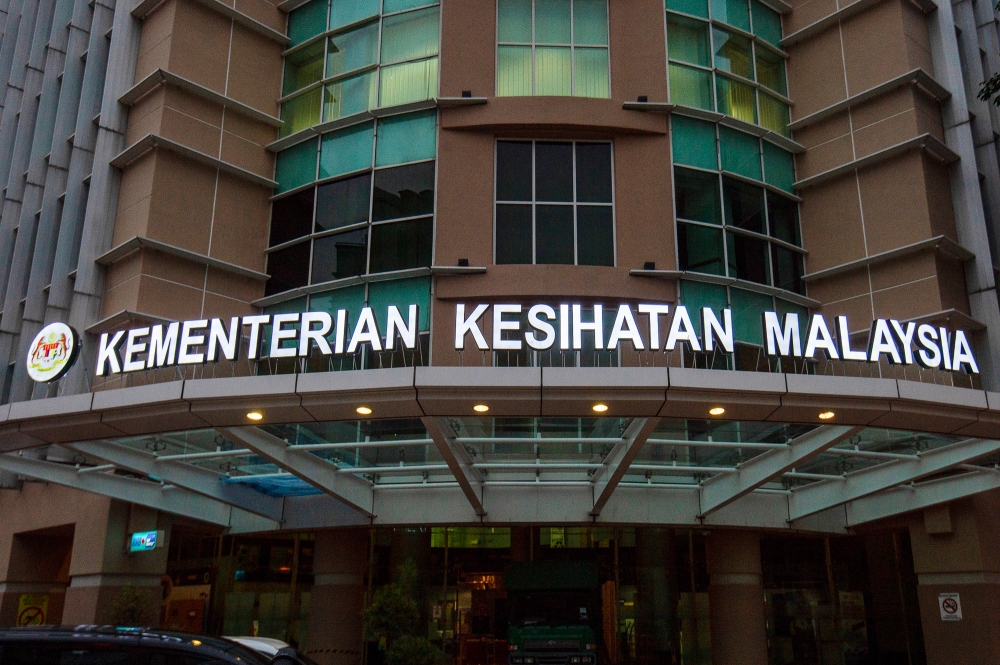
Increasing the number of Sabah-born medical graduates is crucial to address the shortage of doctors in rural areas, according to SMSU president Ajulahin Japin.
Ajulahin highlighted that Sabah currently relies on medical personnel from the Peninsula due to insufficient local graduates to fill vacancies.
He suggests the Ministry of Health reassess incentives and consider training Peninsula doctors in Sabah to better prepare them for potential postings.
KOTA KINABALU, Oct 7 — Training more Sabah-born students to become doctors is seen as among the best long-term solutions to address the shortage of medical officers in the state, particularly in rural areas.
Sabah Medical Services Union (SMSU) president Ajulahin Japin said locals were generally more willing to serve in their home state, whether in rural, suburban or urban areas.
He said the number of medical graduates among Sabah-born students was currently still insufficient to fill existing vacancies.
“If we look at Sabah and Sarawak, locals are actually more willing to serve in their home states compared with personnel from the Peninsula.
“For some young people from the Peninsula, when Sabah and Sarawak are mentioned, there may still be a perception that postings here involve village or rural settings. The perception of comfort may be one of the factors causing them to be less interested in coming to work in Sabah,” said the president of the Joint Council of Presidents and Secretaries-General of the Health Ministry Workers Union (MAPSU) when contacted by Bernama today.
Ajulahin said the shortage of medical graduates from Sabah had resulted in the state still having to rely on medical officers from the Peninsula to fill vacancies at hospitals and health clinics in the state.
In this regard, he said the government needed to give attention to increasing the intake and training of Sabah-born students in medicine as a step towards reducing reliance on personnel from outside the state in the future.
According to him, a survey conducted by MAPSU also found that some doctors from the Peninsula were less inclined to accept postings in Sabah, particularly in rural areas.
He said factors identified included the Regional Incentive Allowance (BIW) and allowances related to postings in rural areas, which were currently frozen.
Ajulahin said the BIW was previously paid at a rate of between 17 and 25 per cent of basic salary, while the rural allowance was about 10 per cent of basic salary.
He said the issue of incentives was among the matters frequently raised by the union in discussions on efforts to attract and retain medical officers to serve in Sabah.
“That is what we have suggested to the Ministry of Health (MOH), to look into and conduct a study on the shortage of medical officers in Sabah and also reassess suitable incentives to attract medical officers from the Peninsula to serve in Sabah,” he said.
Ajulahin also suggested that medical graduates from the Peninsula be given earlier exposure to the working environment in Sabah by undergoing their housemanship at hospitals in the state.
“One approach that could perhaps be considered is to give them the opportunity to undergo their housemanship at hospitals in Sabah so that they gain early exposure to the working and living environment in the state.
“With such exposure, they can get to know Sabah better before being appointed as medical officers and may subsequently be more prepared if they are posted to serve in the state,” he said.
MAPSU comprises 29 trade unions under the MOH nationwide.
Earlier, the media reported that several hospitals in Sabah and Sarawak were facing a shortage of medical officers after no new doctors reportedly reported for duty for permanent appointments this month.
Following this, MOH, in a statement, has urged medical officers Grade UD10 who have yet to report for duty at their respective placement facilities under Phase 2/2026 to do so immediately before the Oct 7 deadline.
According to the ministry, a total of 4,255 medical officers were offered placements through the ePlacement system for Phase 2/2026 appointments, which took effect on Sept 28. — Bernama
Flying in to KLIA after midnight? Buses replace Aerotrain from 12am to 5am during software works
Daily waste collection planned for Pulau Redang, says Terengganu
MetMalaysia: Air quality unhealthy in 35 areas at 10am
Police record housemates’ statements in student death probe
据沙巴州立大学校长阿朱拉欣·贾平 (Ajulahin Japin) 称,增加沙巴本土医学毕业生的数量对于解决农村地区医生短缺问题至关重要。
阿朱拉欣强调,由于沙巴本地毕业生不足以填补空缺,目前沙巴依赖来自马来半岛的医务人员。
他建议卫生部重新评估激励措施,并考虑在沙巴州培训半岛医生,以便更好地为他们未来的工作安排做好准备。
哥打基纳巴卢,10 月 7 日讯——培养更多沙巴本地学生成为医生被视为解决该州(尤其是农村地区)医务人员短缺的最佳长期解决方案之一。
沙巴医疗服务联盟 (SMSU) 主席 Ajulahin Japin 表示,当地人通常更愿意在自己的家乡州服务,无论是在农村、郊区还是城市地区。
他表示,目前沙巴州本土医学毕业生的数量仍然不足以填补现有的空缺职位。
“如果我们看看沙巴和砂拉越,就会发现当地人实际上更愿意在自己的家乡州服役,而不是来自半岛的人员。”
“对于一些来自马来半岛的年轻人来说,提到沙巴和砂拉越,他们可能仍然会认为这里的工作地点意味着乡村或农村地区。这种对舒适度的认知可能是导致他们对来沙巴工作兴趣不大的原因之一,”卫生部职工联合会(MAPSU)主席兼秘书长联合理事会主席在今天接受马新社采访时表示。
阿朱拉欣表示,沙巴州医科毕业生短缺,导致该州仍然需要依靠来自马来半岛的医务人员来填补该州医院和诊所的空缺。
在这方面,他表示,政府需要重视增加沙巴州本土医学生的招生和培训,以此作为未来减少对州外人员依赖的一步。
据他介绍,马来西亚医师协会(MAPSU)进行的一项调查也发现,一些来自马来半岛的医生不太愿意接受在沙巴的工作安排,尤其是在农村地区。
他表示,已确定的因素包括地区激励津贴(BIW)和与农村地区派遣相关的津贴,这些津贴目前已被冻结。
阿朱拉欣表示,此前BIW的工资按基本工资的17%至25%支付,而农村津贴约为基本工资的10%。
他说,激励措施问题是工会在讨论如何吸引和留住医务人员到沙巴服务时经常提出的问题之一。
他说:“我们已经向卫生部建议,调查并研究沙巴州医务人员短缺的问题,并重新评估合适的激励措施,以吸引半岛地区的医务人员到沙巴州服务。”
阿朱拉欣还建议,让来自马来半岛的医学毕业生更早地接触沙巴的工作环境,让他们在沙巴州的医院进行实习。
“或许可以考虑的一种方法是,让他们有机会在沙巴州的医院进行实习,以便他们尽早接触到该州的工作和生活环境。
他说:“通过这样的接触,他们可以在被任命为医务人员之前更好地了解沙巴,如果他们被派往该州服务,他们可能会做好更充分的准备。”
MAPSU由卫生部下属的29个工会组成,遍布全国。
此前媒体报道称,由于本月没有新医生到岗接受正式任命,沙巴和砂拉越的几家医院面临医务人员短缺的问题。
随后,卫生部在一份声明中敦促尚未根据 2026 年第二阶段计划到各自安置机构报到的 UD10 级医务人员在 10 月 7 日截止日期前立即报到。
据卫生部称,通过电子安置系统,共有4255名医务人员获得了第二阶段/2026年任命的职位,该任命于9月28日生效。——马新社
午夜后抵达吉隆坡国际机场?凌晨 12 点至凌晨 5 点软件维护期间,巴士将取代机场快线 (Aerotrain)。
登嘉楼州计划在热浪岛进行每日垃圾收集
马来西亚气象局:上午10点,35个地区的空气质量不健康
学生死亡案调查中,警方记录了室友的证词