Lung cancer rising among never-smokers; role of PM2.5 exposure being studied: Ong Ye Kung肺癌在非吸烟者中发病率上升;PM2.5暴露的作用正在研究中:王义功
There is an increasing incidence of lung cancer cases in both male and female never-smokers, said Minister of Health Ong Ye Kung, citing a 2026 modelling study premised on local data.He was responding to a written parliamentary question by MP Cai Yinzhou (Bishan-Toa Payoh GRC) on Wednesday (Oct 7), who had asked for the local trend in lung cancer incidence...
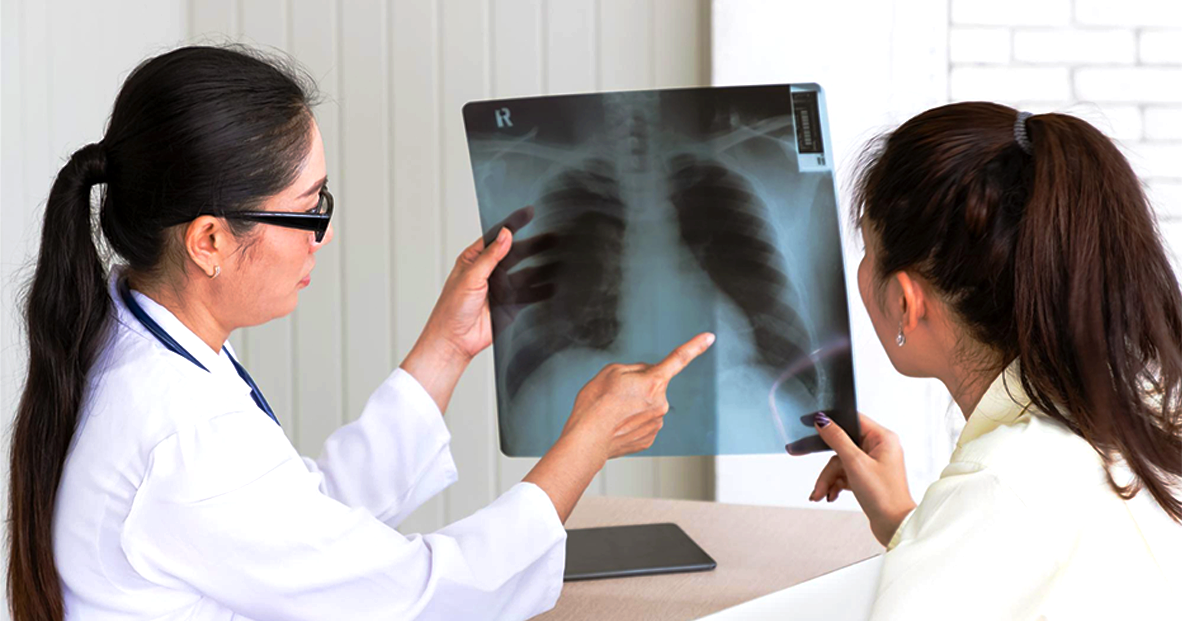
There is an increasing incidence of lung cancer cases in both male and female never-smokers, said Minister of Health Ong Ye Kung, citing a 2026 modelling study premised on local data.
He was responding to a written parliamentary question by MP Cai Yinzhou (Bishan-Toa Payoh GRC) on Wednesday (Oct 7), who had asked for the local trend in lung cancer incidence among never smokers over the past 10 years.
The first-term MP also asked if the Ministry of Health has assessed the long-term PM2.5 exposure, including from transboundary haze, to such incidence.
Data from the Singapore Cancer Registry for the five years from 2017 to 2021 showed that lung cancer killed about 100 people here each month.
This is about 36 per cent more than the 74 who died due to colorectal cancer — the second-biggest killer cancer — which sees 204 cases diagnosed each month, compared to the 149 for lung cancer.
In a health information video posted on its social media on Aug 11, Clinical Assistant Professor Tan Wei Chong from the National Cancer Centre Singapore (NCCS) said lung cancer is the number one killer in males, and for females, the number three killer.
"The other half are typically attributed to non-smokers."
A study by NCCS also found that 90 per cent of female with lung cancer are never-smokers.It added that risk factors include second-hand smoke, environmental pollutants and genetic susceptability.
PM2.5's association with lung cancer
Turning to the question on contribution of PM2.5 exposure, Ong noted that international studies have found that PM2.5 is associated with a higher risk of lung cancer.
However, Ong, who is also Coordinating Minister for Social Policies, also pointed out that this is often after long-term exposure.
PM2.5 measures the concentration of fine particulate matter in the air and refers to tiny particles that can enter the lungs and bloodstream.
It is considered one of the key pollutants affecting human health during haze episodes.
The health minister said that the effect of periodic haze exposure in Singapore will only be known much later when studies are done to correlate environment factors and disease prevalence.
He also explained that environmental exposure is multifactorial, and may be influenced by the mitigating measures taken by an individual and time spent in environments beyond the individual’s residence.
"Smoking remains the top risk factor for lung cancer. Overall cancer risk can also be reduced, such as by smoking cessation, limiting alcohol consumption, and maintaining a healthy diet," Ong said.
卫生部长王乙康援引一项基于本地数据的2026年模型研究指出,从不吸烟的男性和女性肺癌病例都在增加。
他是在回应国会议员蔡银洲(碧山-大巴窑集选区)周三(10月7日)提出的书面议会质询时作出的回应。蔡银洲询问过去10年里,本地从不吸烟者肺癌发病率的趋势。
这位第一任议员还询问卫生部是否评估过长期 PM2.5 暴露(包括跨境雾霾)与此类事件之间的关系。
新加坡癌症登记处2017年至2021年五年的数据显示,肺癌每月在新加坡造成约100人死亡。
这比死于结直肠癌的人数(74人)高出约36%,结直肠癌是第二大癌症杀手,每月确诊病例为204例,而肺癌每月确诊病例为149例。
新加坡国家癌症中心 (NCCS) 的临床助理教授陈伟忠 (Tan Wei Chong) 在 8 月 11 日发布于社交媒体的一段健康信息视频中表示,肺癌是男性第一大死因,也是女性第三大死因。
“另一半通常归因于非吸烟者。”
国家癌症研究中心的一项研究还发现,90%的肺癌女性患者从未吸烟。该研究补充说,风险因素包括二手烟、环境污染物和遗传易感性。
PM2.5与肺癌的关联
谈到 PM2.5 暴露的影响时,Ong 指出,国际研究发现 PM2.5 与肺癌风险增加有关。
然而,兼任社会政策统筹部长的王乙康也指出,这通常是长期接触后才会出现的现象。
PM2.5 测量空气中细颗粒物的浓度,指的是可以进入肺部和血液的微小颗粒。
它被认为是雾霾期间影响人类健康的主要污染物之一。
卫生部长表示,新加坡周期性雾霾的影响只有在很久以后进行研究,将环境因素与疾病流行情况联系起来之后才能知道。
他还解释说,环境暴露是多因素的,可能会受到个人采取的缓解措施以及在个人居住地以外的环境中花费的时间的影响。
“吸烟仍然是肺癌的首要风险因素。戒烟、限制饮酒和保持健康饮食等措施也可以降低患癌风险,”翁医生说。