Only 63pc of doctors offered Sabah and Sarawak postings report for duty, says health minister卫生部长表示,只有63%被派往沙巴和砂拉越的医生到岗报到。
KUALA LUMPUR, Oct 8 — The Ministry of Health (MOH) is reviewing the implementation of a dedicated 30 per cent quota for specialist training via the Federal Training Award (HLP)...
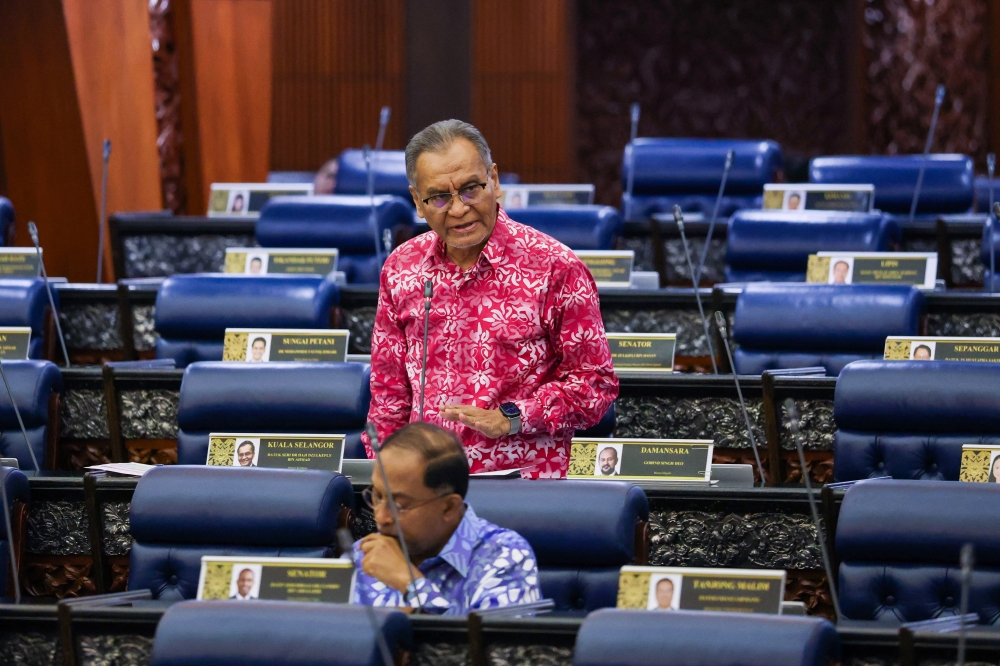
The Malaysian Ministry of Health is evaluating a policy to allocate 30% of specialist training via the Federal Training Award for medical officers in Sabah and Sarawak, reflecting a commitment to recognize their sacrifices.
Despite a modest improvement in reporting rates, challenges like distance from families and limited career prospects in rural areas hinder officer placements.
The ministry has enhanced the placement process by upgrading the eHousemen system and providing comprehensive transfer benefits.
Plans to phase out contract positions will be announced by the Prime Minister.
KUALA LUMPUR, Oct 8 — The Ministry of Health (MOH) is reviewing the implementation of a dedicated 30 per cent quota for specialist training via the Federal Training Award (HLP) for medical officers serving in Sabah and Sarawak.
Health Minister Datuk Seri Dr Dzulkefly Ahmad said this measure reflects his commitment to uplifting, honouring, and recognising the sacrifices made by all medical officers serving in those two states.
“Currently, we have 1,650 HLP slots available, therefore, approximately 30 per cent or 500 places are being specifically allocated to those serving in Sabah and Sarawak,” he said during the Ministers’ Question Time session in the Dewan Rakyat today.
Dzulkefly was responding to a question from Suhaizan Kaiat (BN-Pulai) regarding the high rate of medical officers failing to report for duty in Sabah and Sarawak following the expiration of the reporting deadline for 4,255 officers yesterday and the measures the Ministry is taking to address the issue.
Regarding the number of medical officers who reported for duty, he noted that 337 out of the 527 individuals offered positions reported in Sarawak, while in Sabah, the figure was 336 out of 528.
“Overall, the percentage of medical officers who reported for duty in Sabah and Sarawak was 63 per cent of the total placements offered.
“Although this figure shows a slight improvement compared to the ‘no-show’ or failure-to-report rate of 42 per cent recorded between 2020 and 2025, the rate has only decreased by five per cent this time,” he said.
Dzulkefly said factors such as being far from family and a preference for working in urban health facilities were among the reasons medical officers declined permanent appointment offers for placements in those two states.
According to him, medical officers also hold the view that career prospects are less favourable if they serve in rural and remote areas.
“Officers wish to care for their parents and siblings and want to be close to their spouses. They also face health issues, as well as logistical challenges, personal financial constraints, and high relocation costs.
“Furthermore, there is a perception that opportunities for pursuing specialist training are limited if one is posted to Sabah and Sarawak, alongside concerns regarding career progression and the chances of transferring back to the Peninsula or their home regions,” he said.
To encourage medical officers to report for duty in Sabah and Sarawak, Dzulkefly said the Ministry of Health (MOH) has improved the placement process for permanently appointed medical officers by upgrading the eHousemen (e-Placement) system.
“In addition, officers are eligible to receive a transfer allowance at a 100 per cent rate covering meal allowances, hotel accommodation costs, travel fares, and various other benefits that were previously unavailable due to the transition from contract to permanent employment status.
“Upon transferring back to their home regions, medical officers are also eligible for a disturbance allowance equivalent to one month of their substantive salary,” he said.
Regarding whether the government would consider phasing out contract positions in the future, Dzulkefly stated that the matter would be announced by Prime Minister Datuk Seri Anwar Ibrahim in the near future.
“My goal since returning to helm the Ministry of Health (MOH) for the second time has been to end this contract service arrangement, and this matter has already been taken into consideration,” he said. — Bernama
Federal Court allows Zahid, AG to appeal Malaysian Bar’s challenge of DNAA in Yayasan Akalbudi case
Anwar welcomes Myanmar President Min Aung Hlaing at Perdana Putra
Malaysia prepares for extreme heat as El Nino looms from end-2026 to April, says Mat Sabu
马来西亚卫生部正在评估一项政策,拟通过联邦培训奖为沙巴和砂拉越的医务人员分配 30% 的专科培训名额,以表彰他们的牺牲。
尽管报案率略有提高,但远离家人和农村地区职业前景有限等挑战阻碍了警员的安置。
该部委通过升级 eHousemen 系统和提供全面的调动福利,改进了安置流程。
总理将宣布逐步取消合同工岗位的计划。
吉隆坡,10 月 8 日讯——卫生部正在审查通过联邦培训奖 (HLP) 为在沙巴和砂拉越服务的医务人员设立的 30% 专业培训专项配额的实施情况。
卫生部长拿督斯里祖基菲里·艾哈迈德表示,这项措施体现了他致力于提升、尊重和认可在这两个州服务的全体医务人员所做出的牺牲的承诺。
“目前我们有 1650 个 HLP 名额,因此,大约 30% 或 500 个名额专门分配给在沙巴和砂拉越服务的人员,”他在今天国会下议院部长质询时间会议上说。
祖基菲里是在回应苏海赞·凯亚特(国阵-普莱)的提问时做出上述表态的。苏海赞·凯亚特提问的是关于沙巴和砂拉越的医务人员在昨天4255名医务人员的报到截止日期过后未能到岗的情况,以及卫生部正在采取哪些措施来解决这一问题。
关于报到的医务人员人数,他指出,在砂拉越,527 个职位中报到的医务人员有 337 个,而在沙巴,528 个职位中报到的医务人员有 336 个。
“总体而言,到沙巴和砂拉越报到的医务人员占总岗位数的 63%。
“虽然这一数字与 2020 年至 2025 年间记录的 42% 的‘未到场’或‘未报告’率相比略有改善,但这次的比率仅下降了 5%。”他说。
祖基菲里表示,远离家人以及更倾向于在城市医疗机构工作等因素,是医务人员拒绝在这两个州永久任职的原因之一。
据他所说,医务人员也认为,如果他们在农村和偏远地区服务,职业前景不太乐观。
“警官们希望照顾父母兄弟姐妹,也希望与配偶团聚。他们还面临着健康问题、后勤挑战、个人经济限制以及高昂的搬迁费用。”
“此外,人们普遍认为,如果被派往沙巴和砂拉越工作,接受专业培训的机会将受到限制,同时人们也担心职业发展以及调回马来半岛或家乡的机会,”他说。
为鼓励医务人员到沙巴和砂拉越报到,祖基菲里表示,卫生部已通过升级 eHousemen(电子安置)系统改进了永久任命医务人员的安置流程。
“此外,由于从合同工转为正式员工,警员有资格获得 100% 的调任津贴,涵盖餐费、酒店住宿费、差旅费以及其他各种福利,这些福利以前是无法获得的。
他说:“医务人员调回原籍地区后,还可以获得相当于一个月基本工资的搬迁津贴。”
关于政府未来是否会考虑逐步取消合同职位,祖基菲里表示,首相拿督斯里安华·易卜拉欣将在不久的将来宣布此事。
“我第二次执掌卫生部以来,目标就是终止这种合同服务安排,此事我已经在考虑之中,”他说。——马新社
联邦法院允许总检察长扎希德就马来西亚律师公会就阿卡布迪基金会案中DNAA(未决诉讼)提出的质疑提起上诉。
安瓦尔在首相府欢迎缅甸总统敏昂莱
马特·萨布表示,马来西亚正为2026年底至4月厄尔尼诺现象带来的极端高温做好准备。