1 in 3 middle-aged women in S’pore had anxiety symptoms; more distressed less likely to seek help: Survey调查显示,新加坡三分之一的中年女性有焦虑症状;焦虑程度越高,寻求帮助的可能性越低。
1 in 3 middle-aged women in Singapore had anxiety symptoms, SCWO study finds Read more at straitstimes.com.
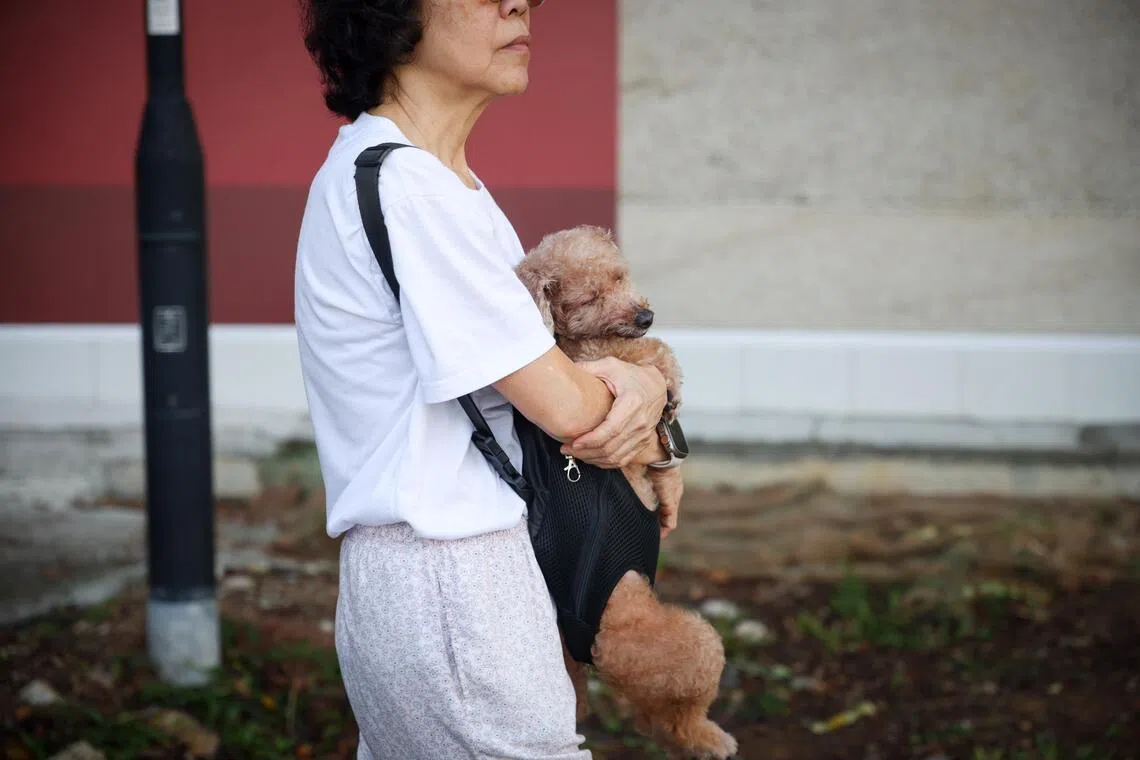
Around 33.5% of middle-aged women surveyed showed symptoms consistent with anxiety, and 21.8% showed symptoms consistent with depression.
ST PHOTO: JASON QUAH
Published Oct 08, 2026, 05:40 PM
Updated Oct 08, 2026, 05:40 PM
- A Singapore survey found 33.5% of middle-aged women had anxiety symptoms and 21.8% had depression symptoms.
- More distressed women were less likely to seek help, and many saw mental health care as costly, hard to access, or lacking support.
- SCWO said midlife women face heavy work, family and caregiving pressures, and will use the findings for advocacy and public education.
SINGAPORE – About one in three middle-aged women in Singapore showed symptoms consistent with anxiety, while around one in five showed symptoms consistent with depression, according to a study released on Oct 6.
Among women who had previously experienced mental health concerns, workplace pressures and family problems were their main stressors.
Those who were more psychologically distressed were less likely to seek help for mental health concerns, and higher distress was associated with the perception of mental health services as being less affordable and less accessible.
Women experiencing higher distress were also less likely to believe that loved ones would support them seeking professional help.
Higher distress was also linked to greater loneliness.
And nearly three in four women agreed they would feel like a burden to others if they had a mental health disorder.
This last finding stood out because it “highlights that midlife women may prioritise the people who depend on them over themselves”, said Dr Sherry Aw, a senior lecturer at James Cook University (JCU) in Singapore, which conducted the survey with Singapore Council of Women’s Organisations (SCWO).
SCWO and JCU said the aim of the study was to better understand the mental well-being of women in midlife, “an often-overlooked group balancing work, caregiving responsibilities and family commitments”.
50% experienced mental health concerns
Around 500 Singapore citizens and permanent residents aged 40 to 59 were surveyed. They were recruited through SCWO’s partner organisations and social media, and data was collected in 2025 from August to November.
Around 33.5% of the respondents showed symptoms consistent with anxiety, and 21.8% showed symptoms consistent with depression.
The study also found that half of them said they had experienced a mental health concern or condition at some point in their lives.
For these 244 women , workplace pressures were the most commonly cited source of stress – 54.3% said workplace stress was a moderate or extreme source of stress, followed by family problems at 51.3% .
The other cited stressors were romantic relationship troubles (44%) and unresolved trauma (43.4%).
Caregiving duties, despite being a major part of midlife for many women, ranked lower at 35.3 per cent.
Women in midlife can face several pressures at once, including career demands, caring for children and ageing parents, financial responsibilities and menopause, SCWO said.
Dr Aw added that mental health concerns rarely stemmed from a single source, with workplace demands, caregiving and family pressures accumulating over time.
The researchers added that a subtle form of stress for working women could be gendered ageism.
“In the workplace, the experience of gendered ageism can limit women’s career opportunities, skew their social interactions with colleagues, and thus impair their mental health,” they said in the report.
Among survey respondents who were working, those who felt their male colleagues were supportive reported higher life satisfaction, less stigma towards mental health conditions and greater willingness to seek support for mental health concerns .
Around 63 per cent of women who had experienced a mental health concern said they had sought professional help, while 37 per cent had not.
But the likelihood of seeking help fell as respondents’ current distress rose. Those with greater distress were less likely to say they would seek help from formal sources such as a mental health professional, or from informal ones such as family and friends.
Highlighting this as a public health concern, the researchers said the findings pointed to the need to make mental health services seem approachable and within reach, and to normalise help-seeking in families, workplaces and communities.
A gap between women’s willingness to seek professional help and their awareness of female professional health services was shown in the survey.
About three in four respondents (75.9%) said they would be likely to seek help from a mental health professional if they had a concern. A smaller share (63.2%) , would turn to their partners, while 56.9% would turn to friends.
But more than half, or 58.4%, were unaware of the female-specific services listed in the survey, including the Women’s Mental Wellness Service at KK Women’s and Children’s Hospital and the Women’s Emotional Health Service at National University Hospital. About 92.4% had never used any of them.
Cost was another concern for the women in the study .
About 53% regarded mental health services in Singapore as unaffordable or highly unaffordable; only 17% saw them as affordable or highly affordable.
In any case, when respondents were asked what kind of support for women’s mental health should be prioritised, they ranked peer support first, followed by counselling and workplace mental wellness policies.
They were also less inclined to use phone helplines than to turn to professionals. The researchers said this might point to concerns about trust or effectiveness, or to a preference for more relational support.
“Given the greater push (in Singapore) for more accessible mental health support options through phone and WhatsApp hotlines, such as the launch of Mindline.sg, it would be important to understand individuals’ perceived barriers to the use of such hotlines, in comparison to face-to-face help-seeking from mental health professionals,” the study said.
Most respondents did not report feeling ashamed about seeing a therapist. For example, 62.9 per cent disagreed that doing so would make them feel inadequate.
The researchers said the findings should not be taken as representative of all middle-aged women. About 74.4 per cent of respondents had a university degree or higher, compared with 42 per cent of women aged 40 to 59 in the wider population. Malay women were also under-represented.
SCWO said it will use the findings to inform its advocacy, partnerships and public education efforts.
Its president Seow Yian San said: “Too often, women in midlife are expected to seamlessly balance careers, caregiving and countless invisible responsibilities, yet the cumulative impact on their own well-being remains under-recognised.”
Syarafana Shafeeq is a social affairs journalist at The Straits Times.
Social conditions and trends
调查显示,约 33.5% 的中年女性表现出与焦虑一致的症状,21.8% 的女性表现出与抑郁一致的症状。
《海峡时报》摄影:JASON QUAH
发布于2026年10月8日下午5:40
更新于2026年10月8日下午5:40
- 新加坡的一项调查发现,33.5% 的中年女性有焦虑症状,21.8% 的中年女性有抑郁症状。
- 情绪低落的女性不太可能寻求帮助,许多女性认为心理健康护理费用昂贵、难以获得或缺乏支持。
- SCWO 表示,中年女性面临着繁重的工作、家庭和照顾家人的压力,并将利用调查结果进行宣传和公众教育。
新加坡——10月6日发布的一项研究显示,新加坡约有三分之一的中年女性表现出焦虑症状,而约五分之一的女性表现出抑郁症状。
在曾经历过心理健康问题的女性中,工作场所的压力和家庭问题是她们的主要压力源。
心理压力较大的人不太可能寻求心理健康方面的帮助,而且心理压力越大,人们就越觉得心理健康服务更贵、更难获得。
承受更大痛苦的女性也更不相信亲人会支持她们寻求专业帮助。
较高的压力水平也与更高的孤独感相关。
近四分之三的女性表示,如果她们患有精神健康障碍,会觉得自己成为别人的负担。
新加坡詹姆斯库克大学 (JCU) 高级讲师 Sherry Aw 博士表示,最后这一发现尤为突出,因为它“表明中年女性可能会优先考虑依赖她们的人,而不是自己”。该调查由詹姆斯库克大学与新加坡妇女组织理事会 (SCWO) 联合开展。
SCWO 和 JCU 表示,该研究的目的是更好地了解中年女性的心理健康状况,“这是一个经常被忽视的群体,她们需要在工作、照顾家人和家庭责任之间取得平衡”。
50%的人经历过心理健康问题
本次调查访问了约 500 名年龄在 40 至 59 岁之间的新加坡公民和永久居民。受访者通过新加坡社会福利办公室的合作机构和社交媒体招募,数据收集于 2025 年 8 月至 11 月。
约 33.5% 的受访者表现出与焦虑一致的症状,21.8% 的受访者表现出与抑郁一致的症状。
该研究还发现,其中一半人表示,他们在人生的某个阶段都经历过心理健康问题或疾病。
对于这 244 名女性来说,工作场所的压力是最常被提及的压力来源——54.3% 的人表示工作场所的压力是中等或极端的压力来源,其次是家庭问题,占比 51.3%。
其他被提及的压力源是恋爱关系问题(44%)和未解决的创伤(43.4%)。
尽管照顾家人是许多女性中年时期的重要组成部分,但其占比仅为 35.3%。
新加坡妇女组织 (SCWO) 表示,中年女性可能同时面临多种压力,包括职业需求、照顾子女和年迈父母、经济责任以及更年期。
Aw 医生补充说,心理健康问题很少源于单一原因,而是工作场所的需求、照顾家人和家庭的压力随着时间的推移而累积起来的。
研究人员补充说,对职业女性而言,一种不易察觉的压力形式可能是性别年龄歧视。
他们在报告中表示:“在职场中,性别年龄歧视会限制女性的职业机会,扭曲她们与同事的社交互动,从而损害她们的心理健康。”
在接受调查的在职人员中,那些感到男性同事给予支持的人表示生活满意度更高,对心理健康问题的歧视更少,并且更愿意寻求心理健康方面的支持。
约 63% 曾出现心理健康问题的女性表示她们寻求过专业帮助,而 37% 的女性则没有。
但随着受访者当前痛苦程度的加剧,寻求帮助的可能性反而下降。痛苦程度越高的人,越不愿意表示会从心理健康专家等正式渠道或家人朋友等非正式渠道寻求帮助。
研究人员强调这是一个公共卫生问题,并表示研究结果表明,需要让心理健康服务显得平易近人、触手可及,并使在家庭、工作场所和社区中寻求帮助成为一种常态。
调查显示,女性寻求专业帮助的意愿与她们对女性专业健康服务的了解程度之间存在差距。
约四分之三的受访者(75.9%)表示,如果遇到心理健康问题,他们可能会寻求专业人士的帮助。较少比例的受访者(63.2%)会向伴侣求助,而56.9%的受访者会向朋友求助。
但超过半数(58.4%)的受访者并不了解调查中列出的女性专属服务,包括KK妇女儿童医院的女性心理健康服务和新加坡国立大学医院的女性情绪健康服务。约92.4%的受访者从未使用这些服务。
费用是研究中女性关注的另一个问题。
约 53% 的人认为新加坡的心理健康服务价格昂贵或非常昂贵;只有 17% 的人认为价格合理或非常合理。
总之,当被问及应该优先考虑哪些女性心理健康支持时,受访者将同伴支持排在第一位,其次是咨询和工作场所心理健康政策。
他们也更倾向于寻求专业人士的帮助,而不是使用电话求助热线。研究人员表示,这可能表明他们对信任或有效性存在担忧,或者更倾向于获得人际支持。
该研究指出:“鉴于新加坡大力推动通过电话和 WhatsApp 热线提供更便捷的心理健康支持选项,例如 Mindline.sg 的推出,了解个人在使用此类热线时所感受到的障碍,并将其与面对面向心理健康专业人士寻求帮助进行比较,就显得尤为重要。”
大多数受访者表示,他们并不觉得去看心理咨询师有什么丢脸的。例如,62.9%的受访者不认为去看心理咨询师会让他们觉得自己不够好。
研究人员表示,这些发现不应被视为代表所有中年女性的情况。约74.4%的受访者拥有大学或以上学历,而40至59岁女性的这一比例在更广泛的人群中仅为42%。马来族女性的代表性也偏低。
SCWO表示,将利用这些调查结果来指导其宣传、合作和公共教育工作。
该机构主席萧彦珊表示:“中年女性常常被期望在事业、照顾家庭和无数看不见的责任之间取得完美平衡,然而这些责任对她们自身福祉的累积影响却未得到充分重视。”
Syarafana Shafeeq 是《海峡时报》的社会事务记者。
社会状况和趋势