‘Clean air not a luxury’: Manufacturers in Malaysia demand Asean accelerate haze-free roadmap“清洁空气并非奢侈品”:马来西亚制造商呼吁东盟加快制定无雾霾路线图
KUALA LUMPUR, Oct 9 — The Federation of Malaysian Manufacturers (FMM) has pressed for decisive, measurable regional action from Asean to eliminate transboundary haze, warning...
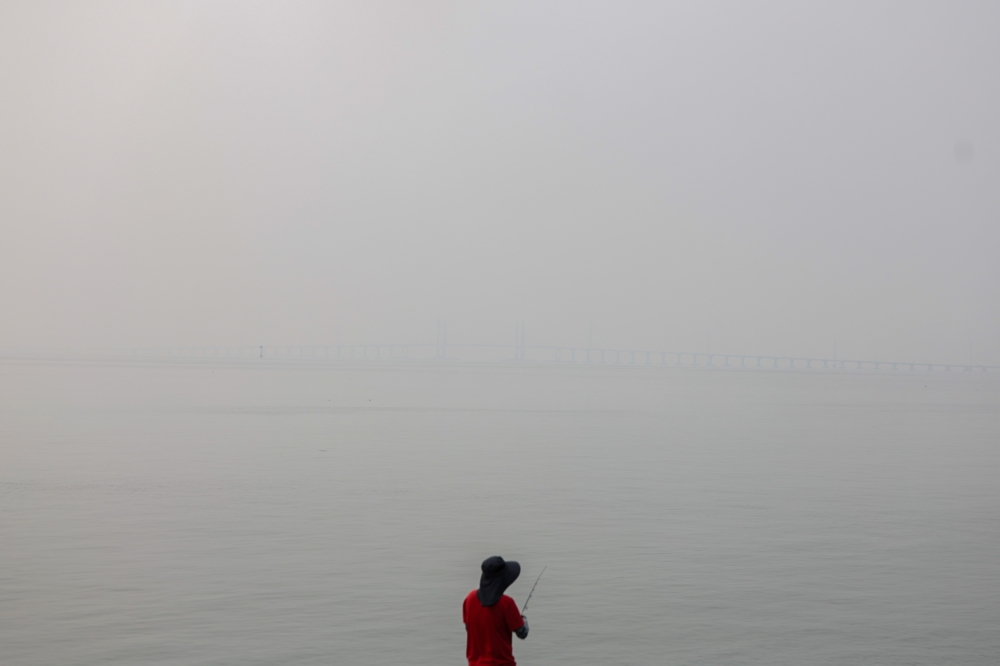
The Federation of Malaysian Manufacturers (FMM) has urged ASEAN for decisive regional action to address transboundary haze, highlighting its detrimental effects on public health, safety, and economic productivity.
In response to severe haze conditions, FMM proposed a five-point action plan, emphasizing improved monitoring, zero-tolerance towards illegal burning, and enhanced regional supply chain responsibility.
They also stressed the importance of funding clean technologies and safeguarding worker health, while advocating for fiscal incentives through Malaysia's Budget 2027.
FMM calls for ASEAN to move beyond diplomatic agreements to ensure tangible progress in eliminating haze.
KUALA LUMPUR, Oct 9 — The Federation of Malaysian Manufacturers (FMM) has pressed for decisive, measurable regional action from Asean to eliminate transboundary haze, warning that recurring pollution inflicts severe damage on public health, worker safety, and economic productivity.
The industrial group issued the appeal as severe haze blanketed the country, with Department of Environment (DOE) data recording 38 out of 68 national monitoring stations in the unhealthy Air Pollutant Index (API) bracket this morning, led by Seremban at 186.
In a statement today, FMM president Jacob Lee Chor Kok stressed that industrial and economic expansion must not come at the expense of environmental sustainability.
“Clean air is not a luxury. It is a fundamental requirement for public health, economic productivity and sustainable development,” the statement said.
The federation said that persistent haze triggers widespread workforce absenteeism, disrupts open-air logistics and factory schedules, and escalates operating overheads through mandatory purchases of protective equipment and industrial air filtration.
While acknowledging existing regional frameworks, including the 2003 Asean Agreement on Transboundary Haze Pollution and the Asean Haze-Free Roadmap 2023-2030, FMM stressed that member states must shift from diplomatic consensus to rapid, verifiable execution.
Five-point regional action plan
To break the annual cycle of smoke pollution, FMM outlined five priority interventions for regional governments:
First, member states must upgrade monitoring and early warning systems by fusing real-time satellite imagery, ground-level API sensors, and meteorological data with artificial intelligence. Rapid alerts are vital to ensure factory operators can execute workplace safety protocols before air quality deteriorates.
Second, Asean must enforce zero-tolerance penalties against illegal open burning at source. Member countries must accelerate peatland rehabilitation under the Second Asean Peatland Management Strategy 2023-2030, while providing smallholders and rural farming communities with affordable, non-burning clearing alternatives.
Third, the federation called for responsible regional supply chains. Large corporations must implement strict environmental due diligence and supply traceability, assist small and medium enterprise (SME) vendors with environmental compliance, and curtail emissions from their own plants during haze episodes.
Fourth, Asean must fast-track financing, clean technology, and scientific research. FMM urged the rapid mobilization of capital under the Asean Investment Framework for Haze-Free Sustainable Land Management, which aims to raise US$1.5 billion by 2030, alongside joint academic and industrial research into land stewardship.
Workplace safety and Budget 2027 incentives
The fifth priority focuses on safeguarding frontline workforces. FMM urged employers to implement the Department of Occupational Safety and Health (DOSH) advisory issued on Oct 6, which cautions that fine particulate matter, including PM2.5, easily penetrates buildings through mechanical ventilation and air-conditioning systems.
Under DOSH guidelines, manufacturers should curtail strenuous outdoor labour when the API breaches 100 and halt it entirely if readings exceed 200. Employers must provide certified respiratory protection where risks cannot be controlled, offer scheduling flexibility to staff affected by school closures, and activate business continuity plans.
Regionally, FMM called on the Asean Secretariat to publish regular public scorecards tracking progress against haze reduction targets, enforcement milestones, and fund mobilization.
Domestically, the federation urged the federal government to leverage Budget 2027 to expand tax allowances and matching grants for industrial green technologies, pollution abatement, and SME investments in workplace air quality monitoring.
“A haze-free Asean must become a measurable achievement, not merely a recurring aspiration,” the statement said.
Anwar tables Budget 2027 today, promising resilience, reforms and relief for Malaysians
Nationwide haze disruption: Fadhlina says schools in six states closed, others continue operations
No haze respite: Seven spots exceed API of 180, no location in Malaysia with ‘Good’ air quality
马来西亚制造商联合会(FMM)敦促东盟采取果断的区域行动,解决跨境雾霾问题,并强调其对公众健康、安全和经济生产力的不利影响。
针对严重的雾霾情况,FMM提出了一项五点行动计划,重点是加强监测、对非法焚烧采取零容忍态度以及加强区域供应链责任。
他们还强调了为清洁技术提供资金和保障工人健康的重要性,同时呼吁通过马来西亚 2027 年财政预算案提供财政激励措施。
FMM呼吁东盟超越外交协议,确保在消除雾霾方面取得切实进展。
吉隆坡,10 月 9 日——马来西亚制造商联合会 (FMM) 敦促东盟采取果断、可衡量的区域行动,消除跨境雾霾,并警告称,反复发生的污染会对公众健康、工人安全和经济生产力造成严重损害。
由于严重雾霾笼罩全国,工业团体发出呼吁。环境部 (DOE) 的数据显示,今天上午,全国 68 个监测站中有 38 个的空气污染指数 (API) 处于不健康水平,其中芙蓉的 API 最高,达到 186。
马来西亚制造商联合会主席李祖国今天发表声明强调,工业和经济扩张绝不能以牺牲环境可持续性为代价。
声明指出:“清洁的空气不是一种奢侈品,而是公众健康、经济生产力和可持续发展的基本要求。”
该联合会表示,持续的雾霾导致大范围的员工缺勤,扰乱露天物流和工厂生产计划,并通过强制购买防护设备和工业空气过滤设备增加运营成本。
FMM在承认现有区域框架(包括2003年东盟跨境烟霾污染协定和2023-2030年东盟无烟霾路线图)的同时强调,成员国必须从外交共识转向快速、可核查的执行。
五点区域行动计划
为了打破烟雾污染的年度循环,FMM 为地方政府提出了五项优先干预措施:
首先,成员国必须升级监测和预警系统,将实时卫星图像、地面空气污染传感器数据和气象数据与人工智能相结合。快速预警至关重要,能够确保工厂操作人员在空气质量恶化之前执行工作场所安全规程。
其次,东盟必须对非法露天焚烧采取零容忍的处罚措施。成员国必须根据《2023-2030年东盟第二期泥炭地管理战略》加快泥炭地修复,同时为小农户和农村农业社区提供价格合理、无需焚烧的清理替代方案。
第三,该联盟呼吁建立负责任的区域供应链。大型企业必须实施严格的环境尽职调查和供应链可追溯性,协助中小企业供应商遵守环境法规,并在雾霾期间减少自身工厂的排放。
第四,东盟必须加快融资、清洁技术和科学研究。FMM敦促在《东盟无霾可持续土地管理投资框架》下迅速调动资金,该框架的目标是到2030年筹集15亿美元,同时开展土地管理方面的学术界和产业界联合研究。
工作场所安全与2027年预算激励措施
第五项重点是保障一线员工的安全。马来西亚制造商联合会(FMM)敦促雇主落实职业安全与健康部(DOSH)于10月6日发布的建议,该建议指出,包括PM2.5在内的细颗粒物很容易通过机械通风和空调系统渗入建筑物内。
根据 DOSH 指南,当 API 值超过 100 时,制造商应减少高强度户外劳动;如果读数超过 200,则应完全停止此类劳动。雇主必须在无法控制风险的情况下提供经认证的呼吸防护用品,为受学校停课影响的员工提供灵活的排班安排,并启动业务连续性计划。
在区域层面,FMM呼吁东盟秘书处定期发布公开记分卡,跟踪在减少雾霾目标、执法里程碑和资金调动方面取得的进展。
在国内,该联合会敦促联邦政府利用 2027 年预算扩大对工业绿色技术、污染治理和中小企业在工作场所空气质量监测方面的投资的税收优惠和配套补助。
声明称:“一个没有雾霾的东盟必须成为一项可衡量的成就,而不仅仅是一个反复出现的愿望。”
安华今天提交了2027年财政预算案,承诺增强马来西亚的韧性,进行改革,并为马来西亚人民提供救济。
全国范围内的雾霾导致学校停课:法德利纳表示,六个州的学校停课,其他学校继续上课。
雾霾持续:马来西亚七个地区空气污染指数(API)超过180,无一地区空气质量达到“良好”标准